

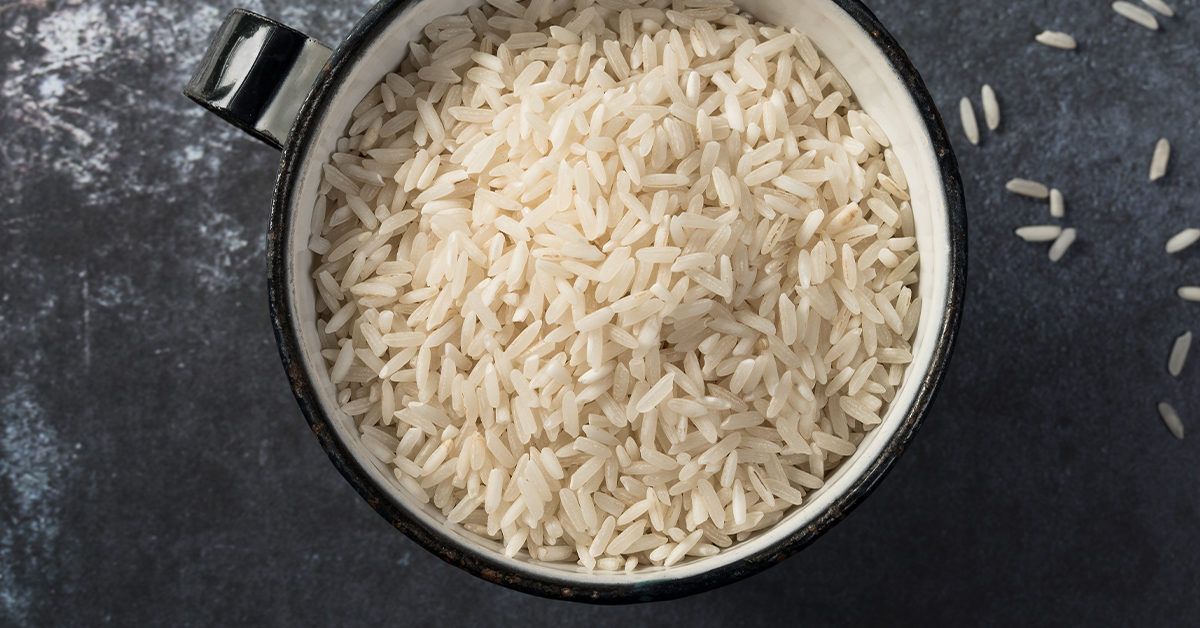
Raw rice has a strange kind of kitchen mystery around it. It looks clean, it smells mild, and it sits quietly in the pantry like the most responsible grain in the neighborhood. So when someone crunches a few grains straight from the bag, it can seem harmless. After all, it is just rice, right? Not exactly. Raw rice is not poisonous in the dramatic “call the movie villain” sense, but eating it is not considered safe or smart. Your teeth, stomach, and immune system would all prefer that you let the stove do its job.
The short answer is simple: you should not eat raw rice. Uncooked rice can contain spores of Bacillus cereus, a bacterium linked to food poisoning. It is also hard, difficult to digest, and may irritate your digestive system. If raw rice cravings are frequent or intense, they may point to pica, a condition sometimes connected with iron deficiency, pregnancy, stress, or other health concerns. A tiny accidental grain is unlikely to turn your life into a medical drama, but intentionally snacking on raw rice is a habit worth retiring.
What Is Raw Rice?
Raw rice is rice that has not been cooked with water and heat. It may be white rice, brown rice, jasmine rice, basmati rice, sticky rice, wild rice blends, or instant rice before preparation. Some rice is milled, polished, parboiled, enriched, or processed in different ways, but “raw” still means the grain is not ready to eat as a normal food.
Rice becomes safe, soft, and digestible through cooking. Heat and moisture transform the hard starch structure into a tender grain your body can handle more easily. That is why cooked rice is fluffy and comforting, while raw rice is basically tiny edible gravel with a public relations problem.
Is It Safe to Eat Raw Rice?
No, raw rice is not recommended as a food. Eating a few grains by accident probably will not harm most healthy adults, but regular consumption can create several problems. The biggest concerns include foodborne illness, stomach discomfort, dental damage, and possible nutrient-related issues if the habit becomes frequent.
Raw rice may look dry and harmless, but dry foods are not automatically sterile. Rice grows in fields, travels through storage and processing systems, and can carry bacteria or spores from soil and the environment. Cooking is one of the key steps that makes rice enjoyable and safer to eat.
The Main Risk: Bacillus Cereus
Bacillus cereus is one of the biggest reasons food-safety experts take rice seriously. This bacterium can form spores that survive dry storage and may even survive cooking. The problem becomes especially dangerous when cooked rice is left at room temperature for too long. In that warm “danger zone,” spores can grow and produce toxins that may cause vomiting, nausea, cramps, and diarrhea.
This is why people sometimes hear about “fried rice syndrome” or “reheated rice syndrome.” The name sounds like something a takeout container would whisper at midnight, but the risk is real. The issue is usually not reheating rice itself. The real trouble starts when cooked rice sits out for hours before being chilled. Reheating may kill some bacteria, but certain toxins can resist heat.
Can Raw Rice Give You Food Poisoning?
Yes, it can. Raw rice may carry Bacillus cereus spores. If you eat contaminated raw rice, or if rice is cooked and then stored improperly, food poisoning is possible. Symptoms can appear quickly in vomiting-type illness, sometimes within a few hours, or later with diarrhea-type illness. Most cases resolve within a day or two, but severe dehydration, bloody diarrhea, persistent vomiting, or symptoms in children, older adults, pregnant people, or immunocompromised individuals should be taken seriously.
Raw Rice and Your Digestive System
Raw rice is hard on the digestive system. Cooked rice is gentle because water and heat soften the starch. Raw rice, however, is dry and firm. It may cause bloating, stomach pain, constipation, nausea, or that unpleasant “why did I do this?” feeling that arrives after a questionable snack decision.
Some people believe raw rice settles the stomach, but there is no good reason to choose it over safer bland foods. If you need something gentle, cooked rice, bananas, applesauce, toast, broth, or plain crackers are much kinder options. Your digestive tract is not a rice mill, and it should not be asked to audition for the role.
Can Eating Raw Rice Damage Your Teeth?
Yes. Raw rice is very hard. Chewing it can strain your teeth, irritate your gums, damage enamel, or even contribute to cracks if the habit is repeated. Dental work is expensive, and no grain of rice is charming enough to deserve a starring role in a cracked molar story.
This risk is especially important for people with crowns, fillings, braces, veneers, sensitive teeth, or existing dental problems. If you crave a crunch, choose safer options like roasted chickpeas, whole-grain crackers, carrots, apple slices, or toasted nuts if you can eat them safely.
Why Do Some People Crave Raw Rice?
Craving raw rice is more common than many people admit. For some, it is the crunch. For others, it may be a childhood habit, a stress response, a pregnancy craving, or a sensory preference. But persistent cravings for raw starches or non-food items may be related to pica.
Pica is a condition involving cravings for substances that are not typically considered food or are not safe to eat in that form. Some people crave ice, clay, chalk, dirt, laundry starch, cornstarch, or raw grains. Pica can sometimes be linked with iron-deficiency anemia or other nutritional deficiencies. It can also occur during pregnancy or alongside stress, anxiety, developmental conditions, or other health issues.
When Should You Talk to a Doctor?
Consider speaking with a healthcare professional if you crave raw rice often, feel unable to stop eating it, are pregnant, feel unusually tired, feel dizzy, have shortness of breath, experience heavy menstrual bleeding, or notice pale skin or brittle nails. These symptoms do not automatically mean you have anemia, but they are worth checking. A simple blood test can often help identify iron deficiency or related concerns.
Does Raw Rice Have Any Health Benefits?
Raw rice does not offer meaningful benefits that cooked rice cannot provide more safely. Rice can be part of a balanced diet when cooked properly. It provides carbohydrates for energy, and brown rice also offers fiber, magnesium, manganese, and other nutrients. Enriched white rice may provide added iron and B vitamins. But raw rice is not a nutrition upgrade. It is just cooked rice’s stubborn cousin who refuses to relax.
Cooking improves texture, digestibility, and safety. If your goal is nutrition, choose the type of rice that fits your needs and prepare it well. Brown rice gives more fiber. White rice is softer and often easier on sensitive stomachs. Wild rice and mixed grains can add variety. The safe path is not raw rice; it is properly cooked rice served with vegetables, lean protein, beans, eggs, fish, tofu, or whatever makes your dinner feel like it has its life together.
What About Arsenic in Rice?
Rice can absorb arsenic from soil and water more readily than many other grains. This does not mean you need to panic every time you see a rice cooker. It does mean variety is wise, especially for infants, children, pregnant people, and anyone who eats rice multiple times a day.
Brown rice may contain more arsenic than white rice because arsenic tends to collect in the outer layers of the grain. To reduce exposure, rinse rice well, cook it in extra water, and drain the excess when appropriate. You can also rotate rice with other grains such as oats, quinoa, barley, bulgur, couscous, millet, farro, or whole-wheat pasta. Variety is not just the spice of life; it is also the “please stop eating the exact same grain seven days a week” strategy.
How to Cook Rice Safely
Cooking rice safely is easy when you follow a few practical steps. First, rinse the rice if the package directions recommend it or if you prefer a cleaner texture. Rinsing can remove surface starch and may help improve the final texture. Next, use clean water and the right water-to-rice ratio for the variety you are cooking. White rice often needs less water and time than brown rice, while wild rice may need more of both.
Cook rice until it is tender and fully hydrated. The grains should not be chalky or crunchy in the center. If the pot dries out before the rice is done, add a small splash of hot water, cover, and continue cooking gently. Once cooked, fluff it with a fork and serve it hot.
Safe Rice Storage Rules
Rice safety does not end when the timer beeps. Cooked rice should not sit at room temperature for more than two hours. If the room is hot, especially above 90 degrees Fahrenheit, the safe window is shorter. Divide large batches into shallow containers so the rice cools faster, then refrigerate it promptly.
Store cooked rice in the refrigerator and use it within three to four days. Reheat it until steaming hot, ideally to 165 degrees Fahrenheit. Add a splash of water before microwaving so the rice heats evenly and does not become sad, dry confetti. If rice smells sour, looks slimy, has mold, or has been forgotten in the fridge long enough to develop a personality, throw it away.
Can You Eat Undercooked Rice?
Undercooked rice is not the same as raw rice, but it is still not ideal. If rice is partly cooked but still hard in the center, it can be difficult to digest and unpleasant to eat. It may also be risky if it was cooked unevenly or held at unsafe temperatures. The fix is simple: add a little water, cover the pot, and cook it longer over low heat until tender.
If you are making fried rice, use rice that was cooked, cooled quickly, refrigerated properly, and used within a few days. Cold leftover rice can make excellent fried rice because the grains firm up in the fridge. But “leftover” should mean “safely stored,” not “sat on the counter all night while everyone forgot it existed.”
What to Do If You Ate Raw Rice
If you ate a small amount of raw rice by accident, do not panic. Drink water, monitor how you feel, and avoid eating more. Most people will be fine. If you ate a lot, or if you develop vomiting, diarrhea, stomach cramps, fever, signs of dehydration, blood in stool or vomit, or symptoms that last more than a day or two, contact a healthcare professional.
Children, older adults, pregnant people, and people with weakened immune systems should be more cautious. Foodborne illness can hit these groups harder. When in doubt, ask a medical professional rather than relying on heroic internet confidence from someone named “RiceKing99.”
Safe Alternatives If You Crave Crunchy Rice
If you like the crunch of raw rice, try safer swaps. Puffed rice cereal, toasted rice cakes, roasted chickpeas, crunchy granola, popcorn, whole-grain crackers, toasted nuts, seeds, or crisp vegetables can satisfy the texture craving without the same risks. If you crave the flavor of rice, try crispy baked rice snacks or homemade rice cakes made from fully cooked rice.
If the craving feels compulsive, daily, or emotionally soothing in a way that is hard to control, treat it as useful information from your body. You do not have to feel embarrassed. Cravings happen. The goal is to understand the cause and replace the risky habit with something safer.
Real-Life Experiences With Raw Rice Cravings
Many people first encounter raw rice as kids. Maybe they watched a parent scoop rice into a pot and stole a few grains because curiosity had no adult supervision. The crunch can be oddly satisfying at first. It is tiny, dry, and dramatic, like nature invented a snack specifically for people who enjoy testing their dental insurance. But the novelty fades quickly when the stomach starts asking why breakfast suddenly feels like construction material.
One common experience is the “just a pinch” habit. A person cooks rice often, grabs a few grains from the measuring cup, and crunches them without thinking. Over time, the habit becomes automatic. It may not seem serious because the amount is small. Still, repeated raw rice chewing can irritate the teeth and keep the craving alive. A better approach is to interrupt the routine. Keep puffed rice, a rice cake, or crunchy fruit nearby while cooking. Replace the habit before it becomes the kitchen version of biting your nails.
Another experience shows up during stressful seasons. Some people report craving dry starches when they are anxious, tired, overwhelmed, or sleep-deprived. The repetitive crunch may feel calming. In that case, the rice is not really the solution; it is the stress wearing a tiny grain costume. Safer substitutions can help, but it is also worth looking at the bigger picture. Are meals balanced? Is sleep poor? Is there heavy caffeine use? Is there a possible nutrient deficiency? A craving can be a clue, not a character flaw.
Pregnancy is another situation where unusual cravings can appear. Some pregnant people crave ice, starch, clay-like textures, or raw grains. Because pica can be connected with iron deficiency, it is important not to brush off the craving as “just pregnancy being weird,” even though pregnancy is, medically speaking, very committed to being weird. A clinician can check iron levels and suggest safe treatment if needed. In the meantime, raw rice should stay in the bag until cooked.
There is also a food-safety lesson many people learn the hard way with cooked rice. Someone makes a big pot, leaves it out during dinner, forgets it until bedtime, and thinks, “It’s rice. Rice is chill.” Unfortunately, bacteria enjoy that relaxed attitude. The safer habit is to pack leftovers soon after serving. Shallow containers cool faster, and a label with the date helps prevent mystery leftovers from becoming a refrigerator archaeology project.
The best experience with rice is still the classic one: cooked properly, served warm, and paired with something delicious. Rice is wonderful when treated right. It can support a curry, rescue a salty stir-fry, stretch a soup, comfort an upset stomach, or turn beans into a complete and satisfying meal. Raw rice, on the other hand, is rice before its glow-up. Let it have its spa day in boiling water. Everyone wins.
Conclusion: Should You Eat Raw Rice?
Raw rice is not safe to eat regularly and is not recommended as a snack. It may contain Bacillus cereus spores, cause digestive discomfort, damage teeth, and signal pica or possible nutrient deficiencies when cravings are persistent. Rice is best enjoyed cooked, stored safely, and reheated properly.
If you accidentally ate a few grains, you probably do not need to panic. But if raw rice is a habit, it is time to swap in safer crunchy foods and consider whether your body is trying to tell you something. Rice deserves a pot, water, heat, and a little patience. Your stomach deserves not to process pantry pebbles.