

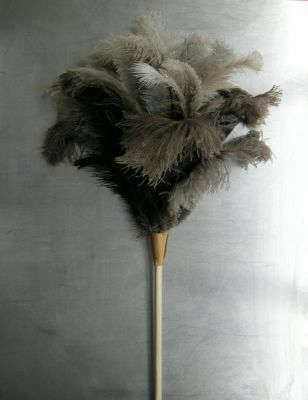
A feather duster looks like the kind of cleaning tool that should come with a dramatic butler, a polished silver tray, and a mysterious mansion hallway. Yet this old-school household helper still earns a spot in many American homes because it is light, gentle, easy to use, and surprisingly handy in the awkward corners where dust likes to host tiny family reunions.
But here is the honest truth: not all dusters are created equal, and a feather duster is not magic on a stick. Used well, it can lift light dust from delicate surfaces, lampshades, picture frames, shelves, collectibles, blinds, and hard-to-reach decorative details. Used badly, it can simply launch dust into the air like confetti at a very boring parade. The difference comes down to the material, technique, cleaning routine, and knowing when a microfiber cloth or vacuum attachment is the better choice.
This guide breaks down what a feather duster is, how it works, where it shines, where it struggles, and how to use it without turning your living room into a sneeze festival.
What Is a Feather Duster?
A feather duster is a handheld cleaning tool made with soft feathers attached to a handle. Traditional versions often use ostrich feathers because their fine, flexible barbs can brush over surfaces gently. Modern versions may use turkey feathers, synthetic fibers, microfiber, lambswool, or hybrid materials designed to imitate the light, fluffy reach of classic feather dusters.
The basic purpose is simple: remove loose dust from surfaces without scratching them. This makes feather dusters useful for decorative objects, carved furniture, shelves filled with books, framed art, lampshades, shutters, ceiling corners, and other places where a wet cloth may be clumsy or risky.
However, the phrase “remove dust” needs a little honesty. A feather duster is best at disturbing, lifting, and lightly holding dust. Microfiber tools usually trap particles more effectively because their tiny fibers grab dust through texture and static. A feather duster, especially a cheap one with stiff or sparse feathers, may push dust around instead of capturing it. In other words, the duster is not the villain, but it does need supervision.
Why Feather Dusters Are Still Popular
They Are Gentle on Delicate Surfaces
A good feather duster can move lightly over fragile objects without applying much pressure. That is helpful for glass figurines, framed photographs, dried flower arrangements, antique furniture details, and decorative shelves. If your home has items that seem to glare at you when you approach with a damp rag, a feather duster may be the polite option.
They Reach Awkward Spaces
Dust does not respect convenience. It settles on ceiling fan blades, window trim, crown molding, the tops of door frames, plant leaves, lampshades, and the mysterious back edge of the TV stand. A feather duster with a long or flexible handle helps reach these spots without turning cleaning day into amateur gymnastics.
They Are Fast for Light Maintenance
For daily or weekly touch-ups, feather dusters are quick. You can walk through a room and lightly dust open shelves, mantel decor, table surfaces, and corners in minutes. This is especially useful when you want the house to look fresher before guests arrive and you have exactly twelve minutes, one missing sock, and no emotional strength for deep cleaning.
They Can Be Reusable and Low-Waste
A well-made feather duster can last months or longer with proper care. Compared with disposable dusting sheets, a reusable duster may reduce waste. For people who prefer simple cleaning tools without refills, batteries, sprays, or complicated instructions, this simplicity is appealing.
Feather Duster vs. Microfiber Duster: Which Is Better?
The best duster depends on the job. A feather duster is excellent for light, delicate, and decorative dusting. A microfiber duster is usually better for trapping dust, pet hair, and fine particles. A vacuum with a soft brush attachment is better for heavy dust, upholstery, vents, and areas where allergens build up.
Choose a Feather Duster For:
- Delicate decor and fragile collectibles
- Lampshades and fabric-covered light fixtures
- Carved wood details and ornate furniture
- Quick touch-ups between deeper cleanings
- High corners, crown molding, and cobwebs
- Surfaces where moisture is not ideal
Choose Microfiber For:
- Dusty tables, desks, and shelves
- Electronics, when used carefully and dry
- Pet hair on hard surfaces
- Allergy-conscious cleaning
- Areas that need dust captured instead of brushed away
- Routine cleaning of wood, leather, and painted surfaces
In a perfect cleaning kit, these tools are teammates, not enemies. The feather duster handles the delicate and awkward work; the microfiber cloth handles the serious dust collection. The vacuum follows behind like the responsible adult in the room.
How to Use a Feather Duster the Right Way
Using a feather duster is easy, but using it effectively requires a few smart habits. The goal is to collect and control dust, not send it on a scenic tour of your home.
1. Dust From Top to Bottom
Always start high and move downward. Dust ceiling corners, fan blades, shelves, frames, and tall furniture before cleaning lower tables and floors. Gravity is not negotiable. If you clean the coffee table first and then dust the ceiling fan, congratulations: you have cleaned the coffee table twice.
2. Use Slow, Light Strokes
Fast whipping motions look dramatic, but they send dust into the air. Use gentle, controlled strokes. Let the feathers glide over the surface instead of smacking it like you are trying to discipline a bookshelf.
3. Shake the Duster Outside
After dusting one room or a heavily dusty area, take the duster outside and shake it gently. This releases trapped dust away from your home. Do not shake it indoors unless your cleaning strategy is “redistribute evenly and hope nobody notices.”
4. Follow With Vacuuming
After dusting, vacuum the floor, rugs, and upholstered furniture if needed. A vacuum with a good filter helps capture particles that fall during dusting. This is especially important in homes with pets, carpeting, allergies, or lots of fabric surfaces.
5. Use a Damp Microfiber Cloth for Final Wiping
For tables, counters, desks, and shelves, finish with a slightly damp microfiber cloth. This traps remaining dust and leaves surfaces cleaner. The feather duster can loosen dust from tricky shapes; the cloth can finish the job with more precision.
Best Places to Use a Feather Duster
Lampshades
Lampshades collect dust quickly, and many do not respond well to wet cleaning. A feather duster can brush away surface dust without crushing the shade or leaving water marks. For heavier buildup, use a vacuum brush attachment on low suction.
Bookshelves
Books are dust magnets. A feather duster can sweep across book tops and shelf edges quickly. For deep cleaning, remove books occasionally and wipe the shelves with microfiber. Yes, this may reveal forgotten receipts, old bookmarks, and emotional evidence of abandoned hobbies.
Picture Frames and Wall Decor
Frames, mirrors, art, and wall hangings often collect dust along their top edges. A feather duster is useful because it is light and less likely to shift objects out of place. Use a careful hand around glass and delicate hanging hardware.
Blinds and Shutters
A feather duster can work for light dust on blinds, especially between deeper cleanings. For serious buildup, microfiber blind tools or a vacuum brush are more effective. If the blinds look like they have been storing dust since the invention of cable television, it is time for a deeper clean.
Ceiling Fans
Ceiling fans need regular dusting because their blades collect dust on top where nobody looks until the fan spins and creates indoor weather. Use an extendable duster or a pillowcase method for heavy buildup. A feather duster is better for maintenance than disaster recovery.
Artificial Plants and Decorative Greenery
Artificial plants look cheerful until dust turns them into sad plastic salad. A feather duster works well on leaves and stems. For stubborn dust, wipe leaves with a damp microfiber cloth.
Where a Feather Duster Is Not the Best Tool
A feather duster is not ideal for greasy kitchen dust, sticky surfaces, thick dust buildup, pet hair embedded in fabric, or allergen-heavy cleaning. Kitchen cabinet tops, range hood areas, and surfaces near cooking zones often need degreasing first. Dust mixed with oil becomes grime, and no feather duster wants that job. It did not train for combat.
For allergy-sensitive homes, use a damp microfiber cloth, a vacuum with a quality filter, washable bedding, and clutter reduction. Dust can contain skin flakes, fabric fibers, pollen, soil particles, pet dander, mold spores, and other indoor debris. The less dust you stir into the air, the better the room feels.
How to Clean and Maintain a Feather Duster
A dirty duster cannot clean well. It simply becomes a dust delivery device with a handle. Regular maintenance keeps it useful and more hygienic.
Shake It After Each Use
Take the duster outdoors and shake it gently after cleaning. Tap the handle against your palm to loosen dust. Avoid banging the feathers against hard surfaces because that can break or bend them.
Wash Occasionally
If the duster looks dull, dirty, or sticky, wash it gently. Fill a basin with lukewarm water and a small amount of mild dish soap. Swish the feathers carefully, rinse with clean water, and shake out excess moisture. Do not twist or crush the feathers.
Air-Dry Completely
Hang the duster or lay it where air can circulate. Let it dry fully before storing it. Damp feathers stored in a closet can develop odor or mildew, which is a cleaning plot twist nobody requested.
Store It Properly
Keep the duster in a dry place where the feathers are not smashed. Hanging is ideal. If you cram it into a crowded utility drawer, it may emerge looking like it lost a fight with a vacuum hose.
How Often Should You Dust?
Most homes benefit from light dusting once a week, especially visible surfaces like shelves, tables, electronics, and window areas. Homes with pets, open windows, heavy traffic, carpeting, or allergy concerns may need dusting more often. Hard-to-reach areas such as ceiling fans, door frames, vents, baseboards, and cabinet tops can often be cleaned every two to four weeks, depending on how quickly dust builds up.
A practical routine looks like this: feather duster for quick high and delicate areas, microfiber cloth for flat surfaces, vacuum for floors and upholstery, and occasional deep cleaning for vents, blinds, and hidden dust zones. This layered approach keeps dust from becoming a full-time roommate.
Buying Guide: How to Choose a Good Feather Duster
Look for Soft, Full Feathers
A quality feather duster should feel soft, flexible, and full. Sparse feathers do not collect dust well and may scratch delicate items. Ostrich feather dusters are often prized because the feathers are naturally soft and fluffy.
Choose the Right Handle Length
A short handle is great for shelves, desks, and decor. An extendable handle is better for ceiling fans, corners, high trim, and tall furniture. If you only buy one, choose a medium or extendable option for versatility.
Check for Secure Construction
The feathers should be firmly attached to the handle. If feathers fall out before you leave the store or open the package, that duster is already resigning from its job.
Consider Washability
Some feather dusters are easier to clean than others. Check care instructions before buying. If you prefer machine-washable tools, microfiber may be more convenient.
Think About Allergies
If someone in the home has allergies or asthma, a feather duster may not be the main cleaning tool. Use it lightly for delicate items, but rely more on damp microfiber, HEPA-style vacuuming, washable textiles, and clutter control.
Common Feather Duster Mistakes
Using It on Heavy Dust
A feather duster is not the best choice for thick, neglected dust. Heavy dust needs a vacuum brush or damp microfiber cloth. Otherwise, the dust may float away and resettle somewhere equally annoying.
Dusting After Vacuuming
Dust first, vacuum second. This order saves time and prevents dust from falling onto freshly cleaned floors.
Never Cleaning the Duster
If the feathers are gray, clumpy, or leaving streaks of dust behind, clean the tool. A duster should not look dustier than the furniture.
Using the Same Tool Everywhere
No single cleaning tool handles every surface perfectly. Feather dusters, microfiber cloths, vacuum attachments, dust mops, and soft brushes each have a role. A smart cleaning routine uses the right tool for the right mess.
Practical Experiences With a Feather Duster
After using a feather duster in real household routines, one lesson becomes obvious: it is at its best when treated as a maintenance tool, not a miracle worker. If a shelf has a thin layer of dust from the past week, a feather duster can make it look fresh in seconds. If that same shelf has been ignored since the last major holiday, the feather duster will lift some dust, spread some dust, and quietly judge your life choices.
One practical experience is using a feather duster on display shelves. Decorative shelves often hold small items: candles, framed photos, vases, souvenirs, ceramic pieces, and the random little object everyone owns but nobody can explain. Wiping each item with a cloth takes time. A feather duster makes the process faster because it can move around shapes and textures without needing every object removed. The trick is to dust slowly, then wipe the shelf surface with microfiber afterward. This combination gives the best result: fast first pass, clean final finish.
Another useful experience is dusting lampshades. A damp cloth can leave marks on some fabric shades, and a vacuum may feel too aggressive if the shade is delicate. A feather duster gently removes the loose dust without pressing into the material. For pleated lampshades, moving the feathers vertically along the pleats works better than swiping around in circles. It feels oddly satisfying, like grooming a tiny lampshade accordion.
Feather dusters also work well for quick morning or weekend resets. For example, before guests arrive, a five-minute pass over the TV stand, entry table, picture frames, and coffee table decor can make the room look noticeably cleaner. It is not deep cleaning, but it removes the visible “nobody lives here responsibly” layer. Pair that with vacuuming the main walkway and fluffing the sofa pillows, and suddenly the house looks intentional.
However, there are situations where experience teaches humility. Ceiling fans are one of them. If the fan blades have heavy dust, a feather duster may knock particles into the air. A better method is to use a pillowcase or microfiber tool first, then use the feather duster for weekly touch-ups. The same goes for baseboards behind furniture. If dust has gathered into fuzzy little tumbleweeds, go straight to the vacuum.
Pet owners may find a feather duster helpful on shelves and decor but less useful for hair. Pet hair tends to cling to fabric, upholstery, rugs, and textured surfaces. Microfiber, rubber tools, lint rollers, and vacuums are better choices there. A feather duster can freshen a windowsill, but it will not win a battle against a shedding golden retriever. Few tools can. The dog is basically producing craft supplies.
The best personal routine is simple: use the feather duster once or twice a week for high, delicate, and decorative areas; use microfiber for flat surfaces; vacuum after dusting; wash the duster when it starts looking tired. This keeps the tool useful and prevents dust from building into a bigger chore. A feather duster may be old-fashioned, but with the right technique, it still has a place in a modern cleaning routine.
Conclusion
A feather duster is a classic cleaning tool for a reason. It is lightweight, gentle, reusable, and excellent for delicate objects, decorative shelves, lampshades, frames, and hard-to-reach corners. Still, it works best as part of a larger dust-control system. For heavier dust, allergens, pet hair, and flat surfaces, microfiber cloths and vacuum attachments usually perform better.
The smartest approach is not choosing between a feather duster and modern cleaning tools. It is knowing when to use each one. Use the feather duster for quick, gentle maintenance. Use microfiber when you need to trap dust. Use a vacuum when dust has moved from “light sprinkle” to “indoor archaeology.” With the right routine, your home stays cleaner, your surfaces look better, and your dust bunnies have fewer opportunities to start a civilization under the sofa.
Note: This article is written as original, web-ready content based on synthesized information from reputable U.S. cleaning, home care, indoor air quality, allergy, and consumer product guidance. Source links are intentionally not included in the body per publishing requirements.