

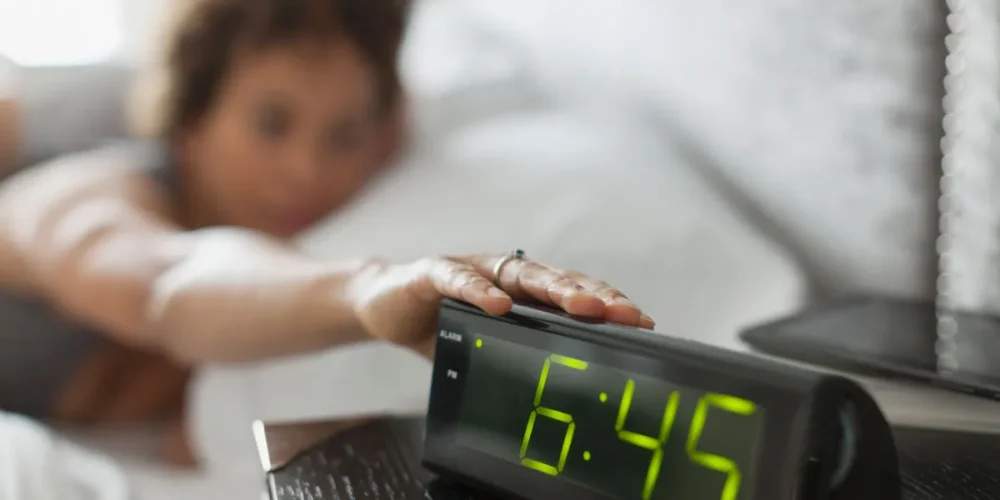
Some years get a cultural label. 2020 was the year of sweatpants. 2021 was the year of pretending sourdough counted as a personality. And 2024? It made a strong case for being the year America rolled over, slapped the snooze button, and whispered, “Five more minutes,” with the emotional intensity of a Shakespearean tragedy.
The phrase “hitting snooze” sounds harmless, even cute. It suggests a tiny rebellion against the alarm clock, that cheerful little tyrant on the nightstand. But in 2024, snoozing became more than a morning habit. It became a symbol of stress, burnout, poor sleep quality, digital overload, and a national mood that could be summarized as: “I am technically awake, but please do not ask me to participate in capitalism yet.”
Across the United States, sleep became a bigger conversation. Surveys showed that many adults wanted more rest. Health organizations continued to warn that adults generally need at least seven hours of sleep. Researchers studied whether snoozing is actually bad for us or simply misunderstood. Meanwhile, millions of people continued to negotiate with their alarm clocks like tired lawyers in pajama pants.
So, is 2024 the year of hitting snooze? In many ways, yes. But the real story is not just about the button. It is about why so many people feel they need it in the first place.
Why Snoozing Became the Perfect Symbol for 2024
Hitting snooze is not new. People have been bargaining with mornings since the invention of responsibility. But 2024 gave the snooze button a fresh cultural meaning because it lined up with several big forces: sleep debt, stress, irregular routines, remote and hybrid work habits, election-year anxiety, financial pressure, and always-on technology.
For many Americans, the morning alarm no longer marks the clean start of a new day. It interrupts a sleep schedule that was already too short, too fragmented, or too late. The alarm rings, the body protests, the thumb reaches out, and suddenly the day begins with a tiny act of avoidance. Romantic? No. Relatable? Absolutely.
The rise of snoozing also reflects a deeper problem: many people are not waking up refreshed. They are waking up because a device told them to, often after a night of scrolling, worrying, answering emails, watching “just one more episode,” or lying in bed thinking about that one awkward conversation from 2017. The snooze button becomes less of a luxury and more of a survival tactic.
The Sleep Data Behind America’s Snooze Era
The “year of hitting snooze” idea is not just a clever headline. It is supported by a broader sleep-health picture. In 2024, Gallup reported that a majority of American adults said they would feel better if they got more sleep. That is not a small complaint. That is a national yawn with survey methodology.
CDC and NCHS data also showed that a sizable share of U.S. adults slept less than seven hours on average in a 24-hour period in 2024. Since seven hours is a common minimum recommendation for adults, this means millions of people were starting their days with a built-in sleep deficit. When the tank is already low, the snooze button looks less like laziness and more like a tiny gas station in the desert.
Health agencies have long linked insufficient sleep with worse concentration, mood issues, reduced productivity, and higher risk of chronic conditions. Sleep deficiency is not just about feeling cranky before coffee. It can affect memory, decision-making, metabolism, heart health, immune function, and emotional regulation. In other words, bad sleep does not politely stay in the bedroom. It follows you into meetings, grocery stores, relationships, workouts, and every email that begins with “Just circling back.”
What Actually Happens When You Hit Snooze?
When you hit snooze, you are usually giving yourself another five to ten minutes of sleep. The problem is that this extra sleep is often fragmented. Your body may start drifting back into a sleep stage, only to be interrupted again by the next alarm. This can contribute to sleep inertia, the groggy, foggy transition between sleep and full wakefulness.
Sleep inertia is why you can stare directly at your phone and still not understand whether it says 6:30 a.m. or “your car warranty has expired.” It is the brain’s slow boot-up process. For some people, repeated alarms may make that fog worse because the body keeps getting pulled out of sleep before it has fully transitioned into wake mode.
But the science of snoozing is more nuanced than the old “snooze button bad, discipline good” lecture. Some research suggests that short snooze periods may not harm everyone and may even help certain people, especially late chronotypes or people who feel heavy morning drowsiness. A Journal of Sleep Research study found that snoozing is common, especially among younger adults and later chronotypes, and that a brief snooze period may help some people ease into wakefulness.
That does not mean everyone should proudly become a professional snoozer. It means the snooze button is not automatically the villain. Like coffee, group chats, and holiday travel, its effects depend on timing, quantity, and whether your life is already held together with duct tape.
Snoozing Is Often a Symptom, Not the Disease
The most important question is not, “Do you hit snooze?” It is, “Why do you need to?” If you hit snooze once because your bed is warm and your dog looks emotionally devastated by the idea of you leaving, that is normal. If you hit snooze six times every morning, wake up exhausted, and spend the day running on caffeine and spite, something bigger may be happening.
Common causes include too little sleep, inconsistent bedtimes, stress, alcohol, caffeine too late in the day, late-night screen exposure, untreated insomnia, sleep apnea, restless legs, anxiety, depression, chronic pain, or a work schedule that fights your internal clock. Snoozing can be the smoke alarm. The fire may be your routine.
This is why sleep experts often encourage people to look beyond the alarm. Morning problems usually begin at night. A brutal wake-up is often the final scene in a movie that started with a glowing screen, a stressful inbox, a too-late dinner, and a bedtime that kept sliding like a toddler in socks on hardwood.
Stress Made Sleep Harder in 2024
Stress and sleep have a messy relationship. Stress makes it harder to sleep, and poor sleep makes stress harder to handle. It is a loop, and unfortunately, it does not come with a “skip intro” button.
In 2024, many Americans dealt with political tension, economic uncertainty, workplace pressure, caregiving demands, social media overload, and a general sense that the world was sending too many push notifications. The American Psychological Association’s Stress in America reporting highlighted how major events and uncertainty affected mental well-being, including sleep. When the nervous system is on high alert, bedtime can become less of a peaceful landing and more of a nightly committee meeting for every worry you own.
This helps explain why snoozing felt so common. People were not just tired from staying up late. They were tired from being mentally “on.” The body may be in bed, but the brain is still refreshing the news, replaying conversations, planning tomorrow, and wondering if it is too late to become a lighthouse keeper.
Technology Turned Bedtime Into a Trap
Modern phones are incredible. They can navigate a city, order dinner, track your heart rate, and destroy your bedtime with one innocent tap. In 2024, the bedroom remained one of the most common places where people lost sleep to screens.
Blue light often gets the blame, but the problem is bigger than light alone. The content matters. A relaxing article may not affect the brain the same way as a dramatic news thread, an intense work message, or a short video app that somehow turns 11:15 p.m. into 1:02 a.m. with no witnesses. Digital stimulation delays wind-down time and keeps the mind engaged when it should be powering down.
Then comes morning. The same phone that stole your sleep becomes the alarm that wakes you up. Naturally, the hand reaches for snooze. The device created the problem, then offers a button that pretends to solve it. That is not technology; that is a tiny rectangle running a protection racket.
Is Hitting Snooze Always Bad?
No. Occasional snoozing is not a moral failure. It does not mean you are lazy, weak, or one motivational podcast away from success. For some people, a short snooze window may create a gentler transition into the day. If you sleep enough, wake up refreshed, function well, and use one short snooze as a comfortable runway, it may not be a major problem.
The issue is chronic dependence. If snoozing steals 30, 45, or 60 minutes from your morning, creates panic, makes you late, or leaves you groggier, it is probably not helping. It may be masking insufficient sleep or poor sleep quality.
Think of snooze like adding hot sauce. A little can improve the experience. Too much and suddenly breakfast is a medical event.
How to Stop Needing the Snooze Button So Much
1. Move Bedtime Earlier in Small Steps
Do not try to become a perfect sleeper overnight. That usually lasts one evening and ends with you reading appliance reviews at midnight. Move bedtime earlier by 10 to 15 minutes every few nights. Small changes are less dramatic and more sustainable.
2. Keep a Consistent Wake Time
A steady wake time helps train your internal clock. It may sound boring, but the body loves boring when it comes to sleep. Consistency tells your brain when to feel sleepy and when to become alert. Chaos tells your brain to panic and demand snacks.
3. Get Morning Light
Morning light helps signal that the day has begun. Open the curtains, step outside, or sit near a bright window. This is especially helpful if you feel groggy in the morning or tend to drift later at night.
4. Put the Alarm Across the Room
This classic trick works because it makes snoozing less convenient. You do not have to place the alarm in another zip code, but putting it far enough away to require standing can help break the automatic thumb-tap habit.
5. Create a Better First Five Minutes
Many people hit snooze because the first few minutes of the day feel awful. Make them less awful. Set out a robe, prep coffee, choose a playlist, put slippers nearby, or plan a breakfast that does not taste like cardboard making a cry for help.
6. Watch Caffeine and Alcohol Timing
Caffeine too late in the day can interfere with falling asleep. Alcohol may make you feel sleepy, but it can reduce sleep quality and contribute to nighttime awakenings. Your future morning self deserves better than being ambushed by your evening self’s choices.
7. Seek Help for Persistent Sleep Problems
If you regularly struggle to fall asleep, stay asleep, wake up rested, or stay alert during the day, consider talking with a healthcare professional. Conditions like insomnia and sleep apnea are common and treatable. The solution may be more than “try harder,” which is good news, because “try harder” is the least helpful advice ever printed on an invisible mug.
Why 2024 Made Rest Feel Like a Luxury
One reason snoozing became so relatable in 2024 is that rest often felt like something people had to earn. Many adults carried the pressure to be productive, responsive, informed, healthy, social, financially responsible, emotionally available, and somehow hydrated. That is a lot to ask from a species that still regularly forgets why it walked into a room.
Sleep is often treated as the first thing to sacrifice. Work runs late, sleep shrinks. Kids need care, sleep shrinks. Stress rises, sleep shrinks. Social life returns, sleep shrinks. Streaming platforms release new seasons, sleep waves a tiny white flag.
But sleep is not empty time. It is maintenance. It is when the brain processes information, the body repairs tissue, hormones regulate, and emotional systems reset. Treating sleep as optional is like skipping oil changes and then acting shocked when the engine starts making sounds like a haunted blender.
The Cultural Meaning of “Five More Minutes”
The phrase “five more minutes” is funny because it is rarely about five minutes. It is about wanting a pause before the day begins. It is a tiny protest against urgency. It says, “I know the world wants me, but the blanket has made a compelling counteroffer.”
In 2024, that feeling resonated because so many people were tired in ways that sleep alone could not always fix. Some were physically sleep-deprived. Others were emotionally drained. Some were burned out from work. Others were overloaded by news and uncertainty. Many were all of the above, plus trying to remember where they put their water bottle.
That is why the snooze button became such a useful metaphor. It captured the desire to delay, recover, and reclaim a little softness in a loud world.
Personal Experiences and Real-Life Reflections on the Snooze Habit
Almost everyone has a snooze-button story. There is the person who sets seven alarms with labels that become increasingly hostile: “Wake up,” “Seriously,” “You have a meeting,” “Do you enjoy unemployment?” There is the parent who plans to wake early for a peaceful cup of coffee, only to hit snooze and wake up to a child asking for pancakes, tape, and the meaning of death. There is the remote worker who believes they can wake at 8:55 for a 9:00 video call and still look like a functioning adult. Sometimes they can. Usually, the hair tells the truth.
One common experience is the false promise of the “perfect morning routine.” People imagine waking naturally, stretching, journaling, drinking lemon water, reading ten pages, and greeting the sunrise like a wellness influencer sponsored by curtains. Then real life happens. The alarm rings. The room is cold. The body feels glued to the mattress. The phone is right there. Snooze wins by unanimous decision.
Another familiar experience is the revenge-bedtime cycle. After a packed day of work, errands, caregiving, traffic, chores, and messages, nighttime becomes the only personal time available. So people stay up late, not because they are irresponsible, but because they want a small piece of the day that belongs only to them. They watch a show, scroll, read, snack, or simply sit in silence. It feels good in the moment. Then morning arrives like a bill collector wearing shoes.
For many people, breaking the snooze habit begins with compassion, not shame. The goal is not to become a robot who launches out of bed at 5:00 a.m. with inspirational music playing from nowhere. The goal is to understand the pattern. Are you snoozing because you went to bed too late? Because your room is too dark in the morning? Because your job drains you? Because your sleep is restless? Because your bedtime routine is secretly a second work shift?
A useful experiment is to track mornings for one week. Write down bedtime, estimated sleep time, number of snoozes, morning energy, caffeine timing, and stress level. Patterns appear quickly. Maybe Sunday night is always terrible. Maybe late workouts energize you too much. Maybe weekend oversleeping makes Monday harder. Maybe your “quick scroll” is actually a 47-minute documentary about strangers arguing in comment sections.
Another real-world strategy is to make waking less dramatic. Instead of relying on one violent alarm that sounds like a microwave having a panic attack, try a gradual alarm, soft music, or a sunrise lamp. Put water by the bed. Choose clothes the night before. Give yourself something pleasant within the first ten minutes. The brain is more willing to leave bed when the day does not immediately look like a punishment.
People who reduce snoozing often describe a surprising benefit: mornings feel less chaotic. They may not become magical, but they stop beginning with panic. No sprinting through the shower. No breakfast eaten while standing like a raccoon with a mortgage. No opening the laptop while still emotionally located inside a dream. A calmer morning can make the whole day feel more manageable.
Still, the point is not to demonize the snooze button. Sometimes you need the extra few minutes. Sometimes your body is asking for rest. Sometimes the healthiest move is not another productivity hack but an earlier bedtime, a clearer boundary, a lighter schedule, or a serious conversation about burnout. In that sense, the snooze button can be a message. It says, “Something about this rhythm is not working.” The wise move is to listen before the message becomes louder.
Conclusion: Yes, 2024 Was the Year of Hitting SnoozeBut It Was Also a Wake-Up Call
So, is 2024 the year of hitting snooze? Yes, but not because Americans suddenly became allergic to mornings. The snooze button captured a bigger reality: people were tired, stressed, overstimulated, and often short on high-quality sleep. The habit became a symbol of a culture trying to squeeze rest into the margins.
The good news is that snoozing does not have to be treated like a character flaw. Occasional snoozing may be harmless for some people, and research suggests the story is more complicated than old sleep advice once made it seem. But frequent, desperate snoozing is worth paying attention to. It may point to sleep debt, poor sleep quality, stress overload, or a routine that needs repair.
Better mornings usually start the night before. A consistent sleep schedule, less screen stimulation, morning light, smarter caffeine timing, and a calmer wake-up routine can all help. And if exhaustion persists, professional support can make a major difference.
In the end, 2024’s snooze-button era teaches a simple lesson: the problem is not that people want five more minutes. The problem is that so many people need five more minutes because they never got enough rest in the first place. The alarm is ringing. Not just on the phone, but culturally. It may be time to wake up to the value of sleep.