

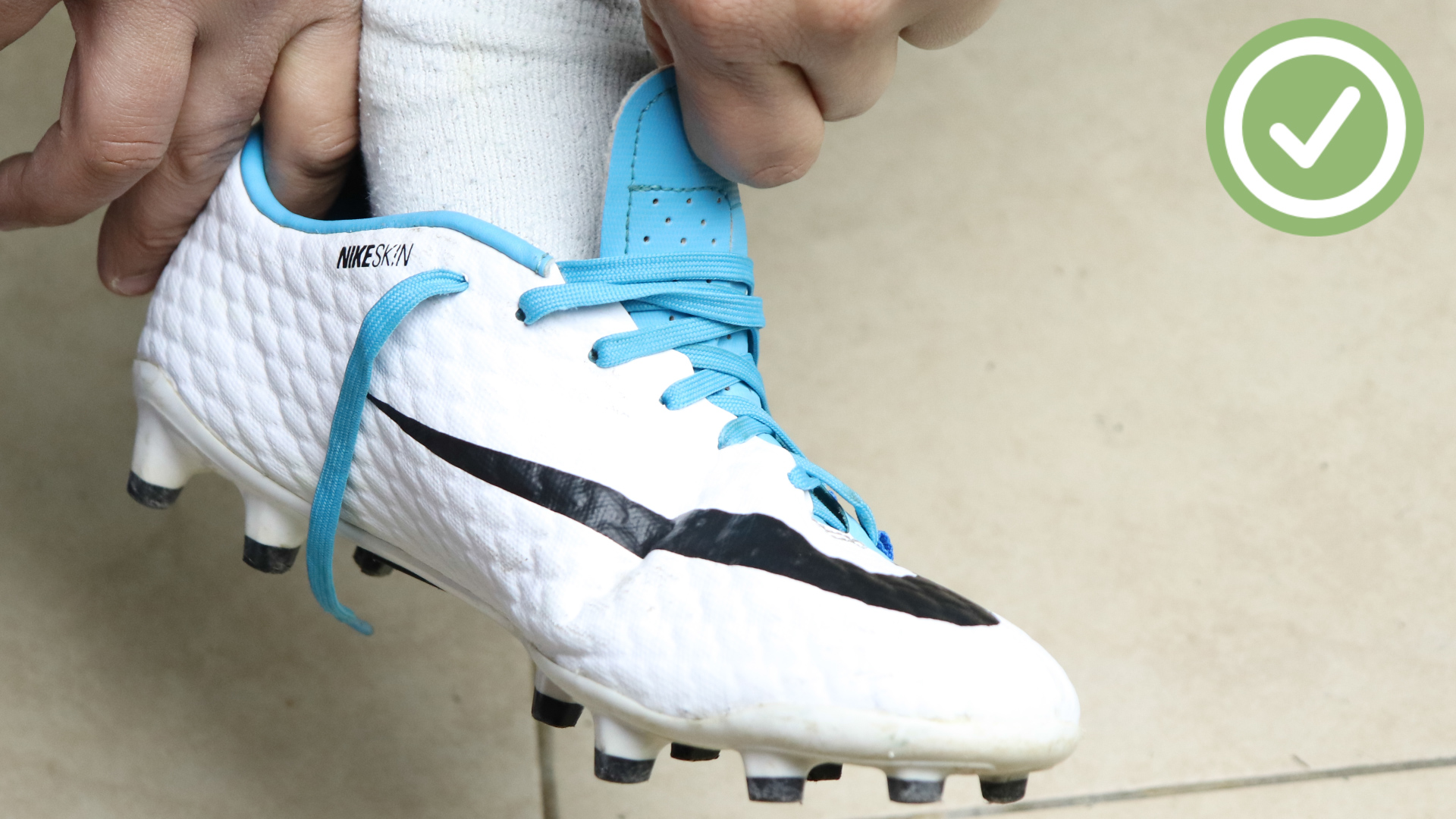
Soccer cleats live a dramatic life. One minute they are sprinting down a perfect green field like tiny performance machines; the next, they are buried in mud, grass, sweat, and whatever mysterious black crumbs live on artificial turf. If you have ever opened your soccer bag after a rainy match and immediately regretted having a nose, you already know why learning how to clean soccer cleats matters.
The good news: you do not need a professional shoe spa, a science degree, or a tiny pressure washer shaped like a trophy. The best way to clean soccer cleats is simple: remove loose dirt, hand-wash gently, clean the studs and insoles, deodorize, and air-dry properly. The bad news: tossing cleats in a hot dryer or soaking them like soup can shorten their life faster than a red card in the first five minutes.
This guide breaks down how to clean soccer cleats in 10 easy steps, including tips for leather cleats, synthetic uppers, laces, insoles, muddy studs, and stubborn odor. Whether you play on firm ground, soft ground, turf, or indoor surfaces, these soccer cleat cleaning tips will help your boots look better, smell better, and last longer.
Why Cleaning Soccer Cleats Is Worth the Effort
Dirty cleats are not just an appearance problem. Mud packed around the studs can reduce traction. Grass stains and field residue can dry into the upper material. Sweat and moisture inside the shoe can create the kind of smell that makes teammates suddenly “remember” they parked far away. Regular cleaning protects the materials, keeps the soleplate clear, helps prevent odor buildup, and makes every touch on the ball feel cleaner.
Modern soccer cleats are often made with lightweight synthetic materials, knit uppers, leather panels, rubber outsoles, plastic studs, or combinations of all of the above. That means one rough cleaning mistake can damage glue, warp shape, stiffen leather, or weaken the finish. Hand-cleaning with mild soap and room-temperature air drying is the safest approach for most soccer shoes.
Supplies You Need to Clean Soccer Cleats
Before you begin, gather a few basic supplies. You probably already have most of them at home, unless your house has mysteriously eaten every old toothbrush, which is possible.
- Soft-bristled brush or old toothbrush
- Microfiber cloth or soft towel
- Small bowl of warm water
- Mild laundry detergent or mild dish soap
- Paper towels or newspaper
- Baking soda for odor control
- Mesh laundry bag for laces, if machine washing laces
- Leather conditioner or leather cream, only for leather cleats
Avoid bleach, harsh chemicals, acetone, heavy-duty household cleaners, stiff wire brushes, and direct heat. Soccer cleats are tough on the field, but they can be surprisingly dramatic when exposed to the wrong cleaning products.
How to Clean Soccer Cleats: 10 Steps
Step 1: Knock Off Loose Mud Right Away
Start cleaning as soon as possible after practice or a game. Hold the cleats sole-to-sole and gently tap them together to loosen chunks of mud, grass, and field debris. If mud is packed around the studs, use a wooden craft stick, plastic scraper, or toothbrush handle to remove it. Do not stab the soleplate with a sharp knife or screwdriver unless you enjoy turning cleaning day into repair day.
This first step is especially important after wet games. Mud becomes much harder to remove once it dries into a miniature brick. Removing the big pieces early also prevents dirt from spreading across the upper when you begin wiping.
Step 2: Remove the Laces and Insoles
Take out the laces before washing the cleats. Laces collect dirt, sweat, and grass stains, and they block access to the tongue and lace channel. Removing them lets you clean more thoroughly and helps the cleats dry faster.
If the insoles are removable, take them out as well. Insoles absorb sweat and odor, so leaving them inside during cleaning traps moisture exactly where you do not want it. Set them aside to wash separately. If the insoles are not removable, do not force them out. You can still clean the interior gently with a damp cloth.
Step 3: Dry Brush the Upper and Soleplate
Use a soft brush to remove loose dirt from the upper, seams, tongue, heel, and soleplate. For synthetic or leather uppers, use gentle circular motions. For knit cleats, be extra careful and use light pressure so you do not snag or stretch the material.
The goal is not to scrub like you are sanding a deck. You are loosening surface dirt before adding moisture. Dry brushing reduces the amount of muddy water you create later, which is good for both the cleats and your sink.
Step 4: Mix a Mild Cleaning Solution
Fill a small bowl with warm water and add a small amount of mild laundry detergent or mild dish soap. Stir until it becomes lightly sudsy. You do not need a bubble mountain. Too much detergent can leave residue that attracts more dirt later.
Never soak soccer cleats in a bucket of water. Full soaking can weaken adhesives, oversaturate the upper, and make the shoe harder to dry. Think “damp cloth,” not “cleat submarine.”
Step 5: Wipe the Uppers Gently
Dip a microfiber cloth or soft sponge into the cleaning solution, wring it out, and wipe the upper. Focus on dirty zones: toe box, instep, heel counter, and areas where grass stains collect. For stubborn marks, use a soft toothbrush with light pressure.
For synthetic soccer cleats, a mild soap solution usually works well. For leather soccer cleats, use as little water as possible and wipe carefully. Leather can dry out or stiffen if it becomes too wet. For suede or nubuck areas, avoid water-heavy cleaning and use a suede brush instead.
Step 6: Scrub the Studs and Soleplate
The studs do the dirty work, so give them special attention. Use a toothbrush to clean around the base of each stud, inside grooves, and along the edges of the outsole. If you play on artificial turf, shake out rubber pellets from the collar, soleplate, and insole cavity.
Firm-ground and soft-ground cleats often hold mud between studs. Turf shoes collect dust and black pellets in the tread. Indoor soccer shoes need a clean rubber outsole to maintain grip on court surfaces. In every case, a clean sole helps traction and reduces the risk of sliding at the wrong moment, also known as “accidental comedy.”
Step 7: Clean the Laces Separately
Place the laces in warm soapy water and rub them gently between your fingers. For stained laces, let them soak for 15 to 30 minutes, then scrub with a soft brush. Rinse well and lay them flat to air-dry.
You can also wash laces in a mesh laundry bag on a cold, gentle cycle. Do not put the entire cleat in the washing machine unless the manufacturer specifically says it is safe. Most soccer cleats are better cleaned by hand because machines can stress the upper, loosen glue, and bang the studs against the drum like a tiny percussion section.
Step 8: Wash and Deodorize the Insoles
If your cleat insoles are removable, gently scrub them with warm water and mild detergent. Rinse lightly and pat them dry with a towel. Do not saturate foam insoles or twist them aggressively, because they can lose shape.
For odor control, sprinkle a little baking soda inside dry cleats and let it sit overnight. Shake out the powder the next morning. Baking soda helps absorb smells and moisture, making it a useful stopgap between deeper cleanings. For extra-stubborn odor, place baking soda in thin socks, tie the socks, and tuck one into each cleat overnight. This keeps powder contained while still fighting the funk.
Step 9: Rinse With a Damp Cloth and Towel Dry
After cleaning, wipe the uppers and soleplate with a fresh damp cloth to remove soap residue. Then pat the cleats with a dry towel. This step matters because leftover soap can make the surface feel sticky or dull, and trapped moisture can encourage odor.
Do not rinse cleats under running water for a long time. A quick wipe is enough. The less water you push into the shoe, the faster and safer the drying process will be.
Step 10: Air-Dry the Cleats Properly
Stuff the cleats with newspaper or paper towels to absorb moisture and help them keep their shape. Replace the paper if it becomes soaked. Place the cleats in a well-ventilated area at room temperature. A fan nearby is fine; direct heat is not.
Do not use a clothes dryer, radiator, oven, hair dryer, or direct sunlight. High heat can warp the soleplate, shrink or stiffen materials, damage glue, and turn once-comfortable cleats into foot-shaped regret. Wait until the cleats, laces, and insoles are completely dry before reassembling and storing them.
How to Clean Different Types of Soccer Cleats
Synthetic Soccer Cleats
Synthetic uppers are common because they are lightweight, durable, and often easier to clean than leather. Use mild soap, warm water, a soft cloth, and a toothbrush for detailed areas. Avoid harsh chemicals and abrasive pads, which can damage surface coatings or printed textures.
Leather Soccer Cleats
Leather cleats need gentler care. Remove dirt with a soft brush, wipe with a lightly damp cloth, and avoid soaking. Once the cleats are fully dry, apply a small amount of leather conditioner or cream to keep the material supple. Use only a tiny amount; your cleats need conditioning, not frosting.
Knit Soccer Cleats
Knit uppers require patience. Brush lightly, wipe gently, and avoid heavy scrubbing that could fuzz or stretch the material. Use minimal soap and water, then air-dry carefully with paper inside to help maintain shape.
Turf and Indoor Soccer Shoes
Turf shoes and indoor soccer shoes still need regular cleaning even though they may not get caked in mud. Brush out rubber pellets, wipe the tread, and clean the upper with mild soap. For indoor shoes, keeping the outsole clean helps preserve grip on smooth courts.
Common Mistakes to Avoid
The fastest way to ruin soccer cleats is to clean them too aggressively. Avoid putting them in the dryer, soaking them in water, using bleach, scrubbing with stiff metal brushes, or storing them while damp. Another common mistake is leaving dirty cleats zipped inside a soccer bag for days. That creates a warm, dark, moist environment where odor becomes less of a smell and more of a personality.
Also, do not wear soccer cleats on concrete or asphalt more than necessary. Hard surfaces wear down studs and can reduce traction on the field. Clean cleats are great; clean cleats with flattened studs are less helpful.
How Often Should You Clean Soccer Cleats?
For light use, wipe and dry cleats after every session. For muddy games, clean them the same day. Wash laces and insoles every few wears, or sooner if they smell. Deep clean the entire pair whenever dirt builds up around the studs, the upper looks stained, or the inside starts producing locker-room weather.
A simple routine works best: knock off dirt after play, air them out immediately, and do a full cleaning when needed. Five minutes after practice can save thirty minutes later.
How to Store Soccer Cleats After Cleaning
Once the cleats are fully dry, reinsert the insoles and re-lace them. Store them in a breathable area, not sealed in a damp soccer bag. A mesh shoe bag is better than a plastic bag because it allows airflow. If odor is a recurring issue, keep a deodorizing insert, baking soda sachet, or dry newspaper inside between uses.
If you play several times a week, rotating between two pairs can help. One pair gets time to dry completely while the other handles the next session. Your feet will appreciate the upgrade, and your teammates may stop pretending the smell is “probably the grass.”
Field-Tested Experience: What Actually Works in Real Life
Here is the truth about cleaning soccer cleats: the best routine is the one you will actually do. A perfect 45-minute deep clean sounds nice, but after a late game, homework, dinner, and the emotional recovery of missing a sitter from six yards out, nobody is excited to detail-clean studs with museum-level precision.
The most practical habit is the “parking lot clean.” Before tossing cleats into the bag, tap the soles together outside and knock off the biggest chunks of mud. This one tiny step prevents half the field from moving into your car. If you keep an old toothbrush or small boot brush in your soccer bag, you can clear the studs before mud dries. It takes less than a minute and makes the later wash much easier.
Another useful experience-based tip: remove the insoles as soon as you get home. Even if you do not wash the cleats right away, pulling out the insoles helps the inside dry faster. Many players clean the outside but forget the interior, which is why a pair can look shiny and still smell like a swamp with ambition. Letting the insoles air out is one of the simplest odor-control habits.
For parents cleaning kids’ soccer cleats, set up a small “cleat station” near the garage, laundry room, or back door. Keep a brush, towel, mild soap, and newspaper in one bin. When everything is in one place, cleaning stops feeling like a scavenger hunt. The station also prevents muddy cleats from traveling through the house like tiny dirt-covered tourists.
For players who train on artificial turf, the main enemy is not mud; it is the black rubber pellets that appear everywhere. They hide in the collar, under the insole, in the sock, and somehow in your bed even though the field is 12 miles away. Shake the cleats outside, pull the tongue forward, remove the insoles, and brush the inside edges. A handheld vacuum nozzle can help if pellets are trapped deep inside, but be gentle around thin linings.
Rainy games require a different mindset. Wet cleats should be dried slowly, not aggressively. Stuffing them with newspaper works because it absorbs moisture without cooking the materials. Replace the newspaper after a few hours if it feels damp. A fan can help move air around the cleats, but direct heat is risky. Many ruined cleats have the same tragic backstory: “I just put them near the heater for a little while.” Famous last words.
For odor, baking soda is helpful, but it should not replace drying. If cleats stay wet, odor will keep returning. Use baking soda after the cleats are mostly dry, not as a magical powder that defeats moisture by itself. For a cleaner method, pour baking soda into socks, tie them closed, and leave them inside overnight. This avoids the morning surprise of white powder pouring out before practice.
White or light-colored cleats need faster attention because stains become more noticeable. Wipe grass marks early with mild soap and a soft cloth. Avoid bleach, even when temptation whispers, “Come on, just a little.” Bleach can discolor materials, weaken fibers, and damage finishes. A gentle repeat cleaning is safer than one harsh attack.
The final experience lesson is simple: never store damp cleats in a closed bag. Open the bag when you get home. Take out the cleats. Remove the insoles. Let everything breathe. This boring little routine is the difference between shoes that last all season and shoes that smell like they have been secretly training in a pond.
Conclusion
Learning how to clean soccer cleats is not complicated, but it does require consistency. Knock off loose mud, remove laces and insoles, brush gently, wipe with mild soap, clean the studs, deodorize the inside, and air-dry away from heat. That simple 10-step routine keeps your cleats cleaner, fresher, and ready for the next match.
The golden rule is this: be gentle with the materials and serious about drying. Soccer cleats can handle tackles, sprints, and muddy fields, but they do not love soaking, harsh cleaners, or heat. Treat them well and they will reward you with better grip, better comfort, and fewer terrifying moments when you unzip your soccer bag.
Note: This article was developed from current soccer cleat care and shoe-cleaning guidance from major sports brands, footwear care experts, home cleaning resources, and athletic shoe maintenance recommendations.