

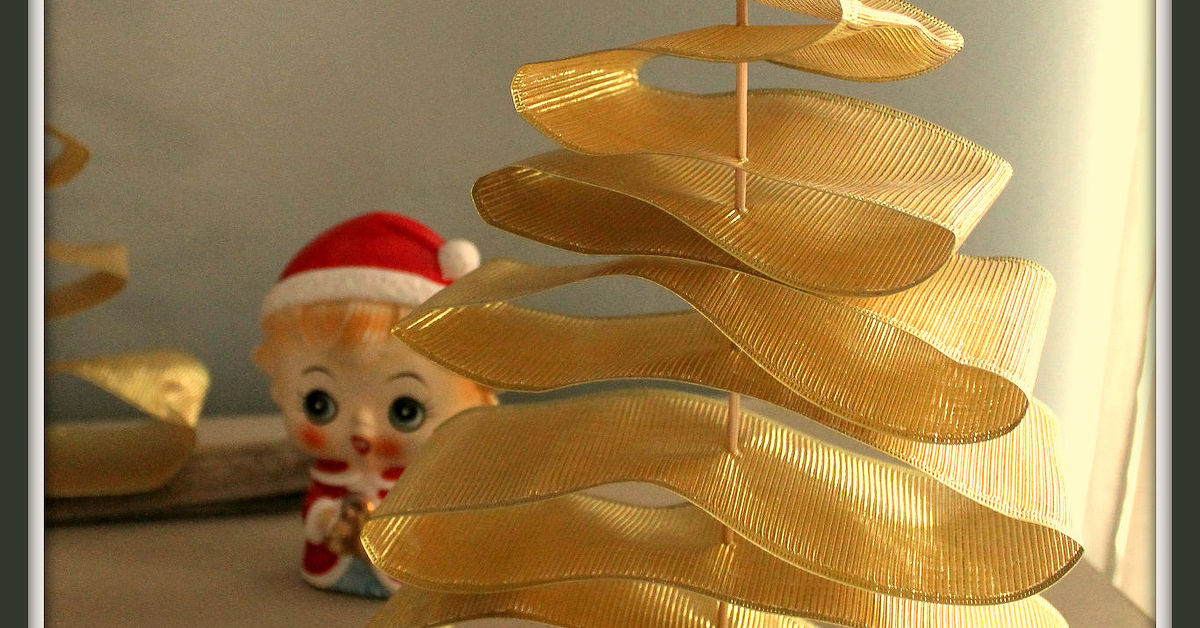
If your holiday decorating style is “festive, handmade, and slightly afraid of glitter,” a ribbon Christmas tree craft may become your new favorite December project. It is charming, inexpensive, beginner-friendly, and far less dramatic than untangling last year’s Christmas lights from a mysterious knot that looks legally alive.
A ribbon Christmas tree craft is exactly what it sounds like: a small decorative tree made by layering ribbon on a cone-shaped base. The finished piece can sit on a mantel, dining table, bookshelf, office desk, entryway tray, or holiday centerpiece. You can make it elegant with velvet ribbon, rustic with burlap, playful with polka dots, classic with red and green plaid, or glam with metallic gold. In other words, this little tree has range.
This guide explains how to make a ribbon Christmas tree craft step by step, including supplies, design choices, beginner mistakes to avoid, kid-friendly options, and creative variations. Whether you are making one tiny tree or a whole ribbon forest, the process is simple enough for a relaxed craft night and stylish enough to look like you planned your holiday decor months in advance. We will not tell anyone you made it while eating cookies.
What Is a Ribbon Christmas Tree Craft?
A ribbon Christmas tree craft is a handmade holiday decoration made by attaching ribbon pieces, loops, folds, bows, or wrapped strips to a cone base. The cone may be foam, cardboard, papier-mâché, poster board, or even a recycled cereal box shaped into a cone. The ribbon creates the look of layered branches, giving the tree texture, color, and movement.
The most popular version uses short ribbon pieces folded into loops and pinned or glued in rows from the bottom of the cone to the top. Each row slightly overlaps the one below it, creating a full, dimensional tree. This method works beautifully because it hides the cone base and gives the craft a soft, festive look. The ribbon does most of the decorating work, which is excellent news for anyone whose artistic confidence disappears the moment someone says “freehand.”
Ribbon trees are popular because they are flexible. You can make a small ornament-sized version, a tabletop centerpiece, a classroom craft, a farmhouse Christmas decoration, or a polished holiday display for a party. They also use easy-to-find supplies, many of which you may already have in a craft drawer, gift-wrapping bin, or that one mysterious holiday box labeled “misc.”
Why Make a Ribbon Christmas Tree?
There are many reasons this Christmas craft deserves a spot on your holiday to-do list. First, it is affordable. A foam cone, ribbon, pins, and a topper usually cost less than many store-bought decorations. Second, it is customizable. You choose the height, ribbon color, pattern, texture, and finish. Third, it is a great way to use leftover ribbon from gift wrapping, wreath making, or previous holiday projects.
It is also a low-pressure craft. The rows do not need to be perfect. In fact, slight variation makes the finished tree look fuller and more natural. A ribbon tree forgives small mistakes better than gingerbread houses, which tend to collapse like tiny real estate scandals.
Another benefit is storage. Ribbon Christmas trees are lightweight and easy to pack away. If you use pins instead of glue, you can even remove the ribbon later and reuse the cone or change the color palette next year. That means today’s classic red-and-green tree can become next year’s snowy white winter wonderland or dramatic emerald velvet masterpiece.
Supplies You Will Need
Before you begin, gather your materials. Having everything ready makes the project smoother and prevents the classic craft-night problem of searching for scissors while holding a half-glued ribbon loop in one hand.
Basic Supplies
- Foam cone, papier-mâché cone, or cardboard cone
- Ribbon in one or more colors, patterns, or textures
- Straight pins, floral pins, or a low-temperature hot glue gun
- Scissors
- Ruler or measuring tape
- Small star, bow, bead, ornament, or pom-pom for the topper
- Optional: craft paint, glitter, mini ornaments, faux berries, bells, or twine
Best Ribbon Types for This Craft
Different ribbons create different effects. Satin ribbon gives a smooth, classic finish. Velvet ribbon looks rich and cozy. Grosgrain ribbon adds texture and holds its shape nicely. Wired ribbon is excellent for larger trees because it can be shaped and fluffed. Burlap ribbon creates a rustic farmhouse style. Metallic ribbon adds sparkle, but it can fray more easily, so use sharp scissors and handle it gently.
For most beginner ribbon Christmas tree crafts, ribbon between 3/8 inch and 1 inch wide is easiest to manage. Narrow ribbon works well on small cones, while wider ribbon creates bold, dramatic layers on larger cones. If you are making a tree taller than 12 inches, try mixing ribbon widths for a designer look.
Choosing a Color Theme
The best part of this project is choosing the style. A ribbon Christmas tree can match your existing Christmas decorations or become its own festive little personality. For a traditional look, use red, green, gold, and plaid. For a winter wonderland theme, combine white, silver, pale blue, and soft gray. For rustic decor, use burlap, cream, cranberry, pine green, and wood accents. For a playful tree, mix candy-cane stripes, polka dots, bright pink, lime green, and cheerful prints.
If you want the tree to look polished, choose one main ribbon, one accent ribbon, and one finishing detail. For example, you might use emerald velvet as the main ribbon, gold satin as the accent, and a tiny gold star on top. This keeps the design cohesive without making it look like the craft drawer sneezed.
A simple rule is to repeat each color at least three times around the tree. Repetition helps the eye read the design as intentional. Random can be charming, but repeated random is what we call “decorating.”
How to Make a Ribbon Christmas Tree Craft Step by Step
This method uses ribbon loops attached in rows around a cone. It is one of the easiest and most attractive ways to make a ribbon Christmas tree craft.
Step 1: Prepare the Cone Base
Start with a foam cone or papier-mâché cone. If the base color is very visible or does not match your ribbon, paint it first. Green, white, gold, or a color close to your ribbon works well. Let the paint dry completely before attaching ribbon. This step is optional, but it helps hide tiny gaps between ribbon pieces.
If you are making your own cone from poster board or cardboard, roll it into a cone shape and secure the seam with tape or glue. Trim the bottom so it stands flat. A homemade cone is budget-friendly, but foam cones are easier if you plan to use pins.
Step 2: Cut the Ribbon Pieces
Cut your ribbon into short strips. For a small cone, 3-inch to 4-inch pieces usually work well. For a medium or large cone, try 4-inch to 5-inch pieces. The goal is to fold each strip into a loop that looks like a soft branch.
You can cut all pieces the same length, or you can make the lower-row pieces slightly longer and the upper-row pieces slightly shorter. This creates a natural taper as the tree narrows toward the top. If you are using multiple ribbon colors, sort the strips into small piles so you can grab them easily while working.
Step 3: Make the First Row of Ribbon Loops
Take one ribbon strip and fold it in half to form a loop. Do not crease it sharply unless you want a very structured look. Place the folded ends against the bottom of the cone and let the loop hang downward slightly. Secure the folded ends with a straight pin or a small dot of hot glue.
Continue adding loops around the base of the cone. Place each loop close to the previous one so the cone does not show through. The first row is important because it sets the shape of the tree. Think of it as the foundation row. It does not have to be flawless, but it should be full.
Step 4: Add More Rows
Move up the cone and begin the second row. Position the new loops so they overlap the pinned or glued ends of the row below. This hides the attachment points and creates a layered branch effect. Keep working around the cone, row by row, until you reach the top.
As the cone becomes narrower, you may need fewer loops per row. This is normal. If the ribbon starts looking crowded near the top, trim the strips shorter or overlap them more tightly. If you notice a gap, add a small extra loop. Ribbon trees are very forgiving, which is one reason they are excellent for beginners.
Step 5: Finish the Top
The top can be the trickiest part because the cone narrows quickly. Use smaller ribbon pieces near the top and tuck them close together. You can finish with a small bow, star, bead, jingle bell, pom-pom, mini ornament, or decorative floral pick.
If you are using glue, hold the topper in place for a few seconds until secure. If you are using pins, push the pin down at an angle so it grips the foam without sticking out. The topper gives the tree personality, so choose something that matches your theme. A gold star says classic Christmas. A tiny bow says sweet and handmade. A pom-pom says, “I am festive and I know it.”
Safety Tips for Crafting
If children are helping, choose age-appropriate tools. Safety scissors, glue dots, double-sided tape, or craft glue may be better than hot glue for younger kids. Adults should handle hot glue guns, sharp scissors, and small pins when needed. Low-temperature glue guns are safer than high-temperature ones, but the glue and nozzle can still burn skin.
Small decorations such as beads, bells, and pins can be choking hazards for young children, so keep them out of reach when crafting with little ones. If this craft is for a classroom or family gathering, prepare ribbon strips ahead of time and use tape or glue dots to make the activity easier and safer.
Also, avoid placing ribbon trees near candles, fireplaces, stovetops, or hot bulbs. Ribbon and paper are decorative materials, not fireproof superheroes. Display your finished craft in a safe, dry location where it can be admired without becoming part of a holiday safety lecture.
Creative Ribbon Christmas Tree Variations
Wrapped Ribbon Tree
For the simplest version, wrap ribbon around the cone from bottom to top, slightly overlapping each layer. Secure the ribbon with glue as you go. This creates a smooth, spiral look and works especially well with velvet, satin, or burlap ribbon. Add a bow or star at the top for a clean finish.
Scrap Ribbon Tree Ornament
Use a cinnamon stick, twig, craft stick, or wooden dowel as the trunk. Tie ribbon scraps around it, starting with longer pieces at the bottom and shorter pieces at the top. Trim the ribbon ends into a tree shape. Add twine for hanging. This version is excellent for using leftover ribbon and makes a cute handmade ornament or gift tag.
Glam Metallic Ribbon Tree
Use gold, silver, champagne, or rose-gold ribbon for a sparkling tabletop decoration. Keep the topper simple so the shine does not compete with itself. Metallic ribbon looks beautiful under soft lights and works well for New Year’s decor too.
Farmhouse Burlap Ribbon Tree
Use burlap ribbon, buffalo plaid, cream lace, twine, and wooden beads. This version looks cozy on a mantel, tray, or dining table. Add faux greenery or tiny pinecones around the base for a rustic finish.
Kids’ Rainbow Ribbon Tree
Let children choose bright ribbon colors and arrange them in rainbow rows. Use glue dots or craft glue instead of pins. The result may not match a magazine spread, but it will have charm, color, and the priceless energy of a child proudly announcing, “I made this!”
Common Mistakes to Avoid
The most common mistake is spacing the ribbon loops too far apart. If the cone shows through, the tree may look unfinished. Keep the loops close and overlap the rows. Another mistake is using ribbon that is too wide for a small cone. Wide ribbon can overwhelm the shape and make the tree look bulky. Match the ribbon width to the cone size.
Too much glue is another issue. A small dot is usually enough. Large blobs can show through, harden unevenly, or make the ribbon sit awkwardly. If you are using hot glue, work carefully and attach one loop at a time.
Finally, do not worry about perfect symmetry. Handmade decor should look handmade. A slightly uneven ribbon tree has warmth and character. A completely perfect one may cause guests to suspect you bought it at a boutique and are pretending to be crafty. We support both outcomes, but honesty looks nice next to twinkle lights.
How to Display Your Ribbon Christmas Tree
Ribbon Christmas trees look lovely in groups of three. Make one tall, one medium, and one small tree using coordinating ribbons. Place them on a mantel with fairy lights, arrange them on a dining table runner, or set them on a tray with ornaments and faux snow. A cluster of ribbon trees can also brighten a bedroom dresser, office shelf, kitchen counter, or entry table.
For a centerpiece, place the tree on a cake stand or wood slice and surround it with mini ornaments, pinecones, greenery, or battery-operated candles. For a gift idea, make a small ribbon tree in the recipient’s favorite colors and attach a handwritten tag. Handmade holiday decor feels personal because it carries time, attention, and just enough glue-gun bravery.
How Long Does This Craft Take?
A small ribbon Christmas tree can take about 30 to 45 minutes. A medium tree may take one to two hours, depending on ribbon width, cone size, and how detailed you want the design to be. A large tree with multiple ribbon styles may take longer, especially if you are carefully planning the color pattern.
If you want to make several trees, cut all the ribbon pieces first. This creates a mini assembly line and makes the process faster. Put on a holiday movie, pour cocoa, and craft at a comfortable pace. If the movie ends before the tree is done, congratulations: you have discovered the ancient holiday tradition of underestimating craft time.
Budget-Friendly Tips
You do not need expensive supplies to make a beautiful ribbon Christmas tree craft. Check dollar stores, craft-store sales, clearance bins, and leftover gift-wrap supplies. Ribbon remnants are perfect for this project because the pieces are cut short anyway. You can also reuse ribbon from gifts if it is still in good condition.
Instead of buying a cone, make one from cardstock, poster board, or recycled cardboard. If you do buy foam cones, watch for multi-packs or seasonal discounts. For toppers, use buttons, beads, small ornaments, paper stars, or bows made from ribbon scraps.
The key is coordination, not cost. A limited color palette can make inexpensive materials look intentional and stylish. Red satin ribbon, green grosgrain ribbon, and a small gold bow can look just as festive as premium materials when arranged neatly.
Experience-Based Tips: What I Learned Making Ribbon Christmas Trees
The first thing you learn when making a ribbon Christmas tree craft is that ribbon has opinions. Some ribbon folds politely. Some ribbon curls dramatically. Some ribbon frays the moment you look at it with confidence. The trick is to test a small piece before cutting the whole roll. Fold it, pin it, glue it, and see how it behaves. If it holds a nice loop, you are in business. If it collapses like a tired holiday shopper on December 24, use shorter strips or choose a sturdier ribbon.
Another useful lesson is to start with more ribbon than you think you need. Ribbon trees are small, but those overlapping rows eat ribbon quickly. A cone that looks tiny on the table can suddenly develop the appetite of a full-size Christmas tree. If you are combining patterns, buy or gather enough of the main ribbon to cover most of the cone, then use accent ribbons for variety.
Planning the bottom row carefully makes the whole project easier. The lower rows are the most visible, so take your time there. Once the base looks full, the rest of the tree becomes more forgiving. I like to rotate the cone as I work instead of reaching awkwardly around it. This keeps the rows straighter and prevents the project from slowly migrating across the table like a festive snail.
If you are crafting with kids, pre-cutting the ribbon is a major sanity saver. Children usually enjoy choosing colors and placing pieces more than measuring dozens of strips. For younger crafters, a flat ribbon tree on cardstock may be better than a cone tree. They can glue ribbon strips in triangle layers, decorate with stickers, and still feel like they made a real Christmas tree. For older kids, tying ribbon scraps onto a cinnamon stick or craft stick makes a wonderful ornament.
One of the best design tricks is mixing texture instead of using too many colors. For example, a tree made with green velvet, green satin, and green grosgrain ribbon looks rich without feeling busy. A white tree with lace, satin, and sheer ribbon creates a soft snowy effect. Texture adds depth while keeping the color palette calm.
Storage matters too. If you use pins, check them before packing the tree away. Wrap the finished tree loosely in tissue paper and store it in a sturdy box so the loops do not get crushed. If a loop flattens, gently fluff it back into shape next season. Ribbon trees are surprisingly durable when stored carefully.
Finally, the most important experience-based advice is this: do not chase perfection. Ribbon Christmas trees look best when they feel joyful, cozy, and personal. A slightly crooked loop will not ruin the project. A tiny gap can be covered with a bow, bead, or extra ribbon piece. Handmade holiday crafts are not about producing factory-perfect decor. They are about creating something warm, festive, and memorable with your own hands. And if your table ends up covered in ribbon scraps, congratulationsyou have officially participated in Christmas.
Conclusion
Learning how to make a ribbon Christmas tree craft is a simple way to bring handmade charm into your holiday decorating. With a cone base, ribbon, scissors, and a few basic tools, you can create a custom decoration that fits your style perfectly. The looped ribbon method creates a full, textured tree, while wrapped ribbon, scrap ribbon ornaments, burlap designs, and metallic versions offer endless creative options.
This craft is beginner-friendly, budget-conscious, and easy to personalize. It works for adults, families, classrooms, gift-making, and cozy holiday craft nights. Best of all, it gives you a festive decoration that feels thoughtful and personal. Store-bought decor is lovely, but handmade decor has a little extra sparklethe kind that comes from time, creativity, and maybe one ribbon loop stuck briefly to your sleeve.
So gather your ribbon, choose your color theme, and make a Christmas tree that is small in size but big on holiday cheer. Your mantel, table, or bookshelf is about to look delightfully festive.
Note: This is original, web-ready HTML content written in standard American English and synthesized from real-world ribbon tree craft methods, holiday decorating practices, and common craft safety guidance.