

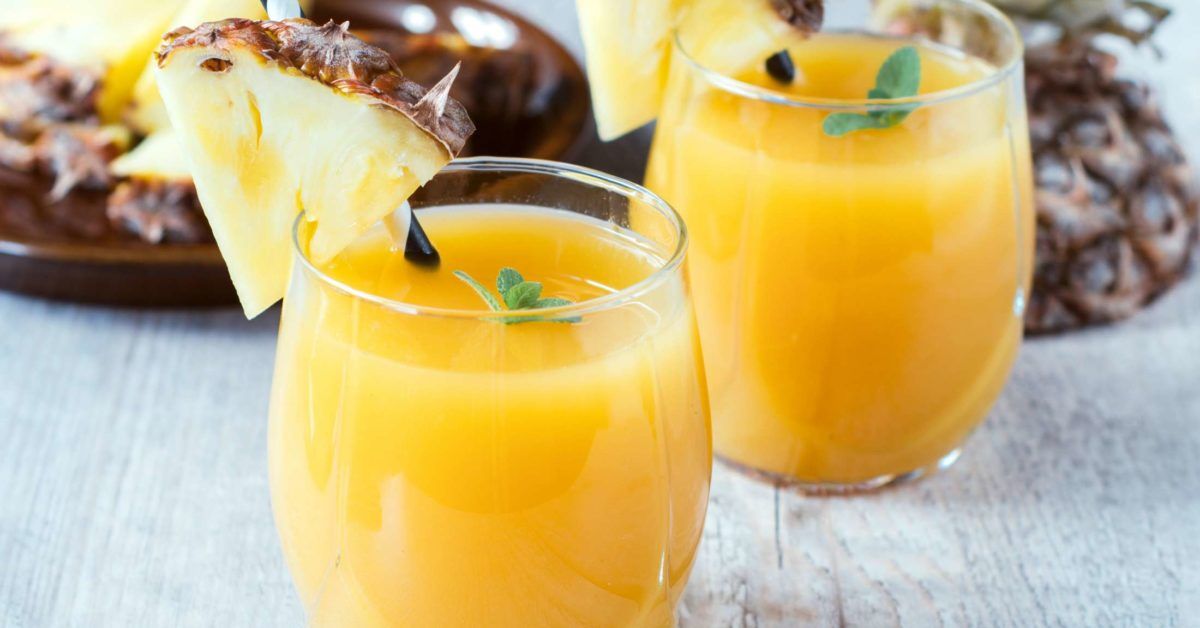
Pineapple juice has a reputation for being the sunny overachiever of the beverage aisle. It is sweet, tangy, bright yellow, and somehow manages to make a regular Tuesday feel like a tropical vacation. But beyond its vacation-energy marketing, pineapple juice has real nutritional strengthsand a few important caveats.
A glass of 100% pineapple juice can provide vitamin C, potassium, naturally occurring sugars, and a quick source of carbohydrates. It may fit into a healthy eating pattern when enjoyed in a sensible portion. The catch? Juice is not identical to whole pineapple. Most of the fiber stays behind during juicing, which means the drink is less filling and easier to consume quickly.
This guide explains pineapple juice nutrition, possible health benefits, smart ways to include it in your diet, and situations where drinking less may be the better move. Think of it as pineapple juice without the tiny umbrella or exaggerated health promises.
What Is Pineapple Juice?
Pineapple juice is made by pressing or blending pineapple flesh and collecting the liquid. Some versions are labeled 100% pineapple juice, while others may include added sugar, sweeteners, water, flavorings, or juice blends. That difference matters.
Pure pineapple juice contains naturally occurring fruit sugars. A pineapple-flavored beverage, on the other hand, may contain very little actual pineapple and considerably more added sugar. The front of the bottle may look tropical either way, so the Nutrition Facts label is where the detective work begins.
Typical Pineapple Juice Nutrition
Nutrient values vary by brand, whether the juice is fresh or canned, whether it is made from concentrate, and whether vitamin C has been added. Still, an 8-ounce serving of unsweetened pineapple juice commonly provides roughly the following:
| Nutrient | Approximate Amount per 8 Ounces |
|---|---|
| Calories | About 130 calories |
| Total carbohydrate | About 30 to 33 grams |
| Total sugars | About 24 to 26 grams |
| Fiber | Usually less than 1 gram |
| Vitamin C | Varies widely by processing and fortification |
| Potassium | About 300 to 350 milligrams |
| Protein | Less than 1 gram |
| Fat | Virtually none |
The important number is not only calories. It is also the combination of sugar and very little fiber. A person can drink the equivalent of several pineapple chunks in a few cheerful gulps, while eating the same amount of whole fruit would take longer and create more fullness.
Potential Benefits of Pineapple Juice
1. It Can Contribute Vitamin C
Pineapple juice can be a useful source of vitamin C, especially when it is minimally processed or fortified. Vitamin C plays a role in collagen production, immune function, antioxidant activity, and the absorption of nonheme iron from plant foods.
That does not mean pineapple juice can “boost” your immune system into superhero territory. No beverage can make you invincible against every cold, allergy, or office cough. However, getting enough vitamin C through a varied diet supports normal body functions and can help fill nutritional gaps when fruits and vegetables are otherwise scarce.
2. It Provides Fast Energy
Pineapple juice contains carbohydrates that the body can use quickly for energy. This can be helpful after a workout, during a long day of physical activity, or when someone needs a light carbohydrate source before exercise.
For example, a person who struggles to eat a full snack before a morning walk may tolerate a small glass of pineapple juice better than a heavy meal. The key word is small. Pineapple juice can support an active lifestyle, but drinking a giant bottle after sitting at a desk all day is less “sports nutrition” and more “tropical dessert with a lid.”
3. It May Help With Hydration
Like other fruit juices, pineapple juice is mostly water. Drinking it contributes fluid, which can be useful in warm weather or after moderate physical activity. Still, plain water remains the best everyday hydration choice because it has no sugar, no calories, and no reason to argue with your dentist.
A practical approach is to combine pineapple juice with water or sparkling water. Try one part pineapple juice and two or three parts water over ice. You still get the flavor, but with less sugar per glass.
4. It Contains Natural Plant Compounds
Pineapple contains plant compounds with antioxidant activity. Diets rich in a variety of fruits and vegetables are associated with better overall health outcomes because they provide vitamins, minerals, fiber, and phytochemicals.
The important word here is variety. Pineapple juice can be one colorful player on the team, but it should not be appointed captain of your entire diet. A balanced plate still needs vegetables, whole fruit, protein foods, whole grains, and healthy fats.
5. It Contains BromelainBut Do Not Overhype It
Pineapple is known for bromelain, a group of enzymes associated with the fruit and its stem. Bromelain has been studied for possible anti-inflammatory, digestive, and recovery-related benefits. It also has a practical side gig as a meat tenderizer, because apparently pineapple is both a snack and a tiny chemistry lab.
However, most bromelain research involves concentrated supplements or extracts, not a standard glass of pineapple juice. The amount of active bromelain in juice can vary, and the evidence is not strong enough to treat pineapple juice as a cure for sinus problems, chronic inflammation, arthritis, cancer, or digestive disease.
Enjoy pineapple juice because you like it and because it can add nutrients to your dietnot because an internet headline promised it would repair your entire life before lunch.
Pineapple Juice vs. Whole Pineapple
Whole pineapple and pineapple juice come from the same fruit, but they behave differently in the body.
Whole pineapple contains fiber, which slows eating, supports fullness, and helps moderate the speed at which naturally occurring sugars are absorbed. Juice contains many of the fruit’s carbohydrates and some vitamins, but far less fiber.
For most people, whole pineapple is the better everyday fruit choice. Pineapple juice works best as an occasional beverage, a smoothie ingredient, a cooking ingredient, or a small portion paired with food.
Choose Whole Pineapple When You Want:
- More fiber and fullness
- A snack that feels more satisfying
- More chewing and slower eating
- Better portion awareness
- A fruit choice that is easier to fit into a blood sugar-conscious meal plan
Choose Pineapple Juice When You Want:
- A quick source of carbohydrate before or after activity
- A flavorful ingredient for sauces, marinades, smoothies, or mocktails
- A small vitamin C-rich drink with a meal
- A fruit option when chewing whole fruit is difficult
- A way to add tropical flavor without reaching for soda
How Pineapple Juice Fits Into a Healthy Diet
Pineapple juice can fit into a balanced diet, but portion size matters. A reasonable serving for many adults is about 4 to 8 ounces. Four ounces is often enough to enjoy the flavor and nutrients without turning breakfast into a sugar parade.
Pair It With Protein or Fiber
Instead of drinking pineapple juice alone on an empty stomach, pair it with foods that contain protein, fat, or fiber. This can help make the meal more satisfying and may reduce the urge to reach for another snack 20 minutes later.
Good pairings include Greek yogurt, eggs, cottage cheese, oatmeal, chia pudding, nuts, peanut butter toast, or a balanced breakfast sandwich. Pineapple juice does not need to be banned from breakfast; it just does better when it is not the entire breakfast.
Use It as an Ingredient, Not a Main Event
Pineapple juice works beautifully in cooking. Add a small amount to a stir-fry sauce, use it in a marinade, blend it into a smoothie with whole fruit and yogurt, or freeze it into ice pops with berries. These methods let you enjoy pineapple flavor while using a smaller quantity of juice.
For a lighter drink, mix 2 ounces of pineapple juice with cold water, ice, mint, and a squeeze of lime. It tastes fancy enough for guests but does not require a bartender, a blender, or a beachside resort membership.
Read the Label Carefully
Look for labels that say 100% pineapple juice or 100% juice. Check the ingredients list for added sugar, syrups, or sweeteners. Then look at the Nutrition Facts panel for serving size, total sugars, and added sugars.
Remember that “no added sugar” does not mean “sugar-free.” Pineapple naturally contains sugar. A 100% juice product may have zero grams of added sugar while still providing a significant amount of total sugar.
Who Should Limit Pineapple Juice?
People Managing Diabetes or Blood Sugar
People with diabetes, prediabetes, insulin resistance, or blood sugar concerns do not necessarily need to avoid pineapple juice forever. But they should be mindful of portion size and how the juice fits into their total carbohydrate intake.
Juice is absorbed more quickly than whole fruit because it contains little fiber. Pairing a small serving with protein and fiber can be a more balanced choice than drinking a large glass by itself. Personalized guidance from a physician or registered dietitian is especially helpful for people using insulin or other glucose-lowering medicines.
People With Sensitive Teeth, Mouth Sores, or Acid Reflux
Pineapple juice is acidic and may irritate mouth sores, sensitive teeth, or symptoms of acid reflux in some people. Frequent sipping throughout the day can also increase repeated acid exposure for teeth.
A better habit is to drink it with a meal, avoid swishing it around your mouth, and follow it with plain water. Drinking juice through a straw may reduce some contact with teeth, but it does not make the drink invisible to enamel. Sadly, teeth are not fooled by party tricks.
People With Fructose Intolerance or Digestive Sensitivity
Some people experience bloating, gas, stomach discomfort, or diarrhea after fruit juice. This can be related to fructose malabsorption or an individual sensitivity to acidic drinks. If pineapple juice regularly causes digestive symptoms, reduce the portion, drink it with food, or choose another fruit option.
People Considering Bromelain Supplements
Pineapple juice and concentrated bromelain supplements are not interchangeable. Supplements can contain much higher doses and may interact with medications or cause stomach upset. Anyone who is pregnant, breastfeeding, preparing for surgery, taking prescription medication, or managing a medical condition should speak with a health professional before using bromelain supplements.
Frequently Asked Questions About Pineapple Juice
Is pineapple juice healthy every day?
It can be part of a healthy diet, but it is usually better as a small serving rather than an unlimited daily drink. Whole fruit should make up most fruit intake because it provides more fiber and fullness.
Does pineapple juice burn fat?
No. Pineapple juice does not melt fat, flatten the stomach overnight, or negotiate with your metabolism while you sleep. Weight management depends on overall eating patterns, activity, sleep, stress, medical factors, and long-term calorie balance.
Does pineapple juice help digestion?
Pineapple contains bromelain, an enzyme that has been studied for digestive effects. Still, pineapple juice is not a proven treatment for digestive disorders. Some people enjoy it after meals, while others find the acidity bothers their stomach.
Is fresh pineapple juice better than bottled juice?
Fresh juice may have a different flavor and may retain more of certain heat-sensitive nutrients, but bottled 100% juice can still be nutritious. The biggest priorities are checking for added sugar, watching portions, and choosing a product you genuinely enjoy without drinking half the carton by accident.
Practical Pineapple Juice Experiences: Small Habits That Work
Most people do not need a dramatic pineapple juice “cleanse,” a seven-day tropical reset, or a kitchen counter full of expensive juicing equipment. The best experiences with pineapple juice tend to come from simple habits that make the drink enjoyable without allowing it to quietly become dessert in a glass.
One practical approach is using pineapple juice as a flavor booster. A person who usually reaches for soda at lunch may find that sparkling water with a splash of pineapple juice scratches the same “I want something fun” itch. The drink still has a sweet, tropical taste, but the overall sugar and calorie load can be much lower than a full glass of juice or a sugary soft drink.
Another useful experience is pairing pineapple juice with breakfast instead of treating it as breakfast. Imagine a rushed morning: a large glass of juice may feel refreshing, but it often does not keep someone full for long. Add eggs, oatmeal, yogurt, or peanut butter toast, and that same small serving of juice becomes part of a meal rather than a fast ride on the hunger roller coaster.
People who exercise may also enjoy pineapple juice strategically. A small serving after a long walk, bike ride, or workout can provide carbohydrates and fluid. Adding a protein source afterwardsuch as yogurt, milk, tofu, eggs, or a protein-rich mealcreates a more complete recovery snack. Pineapple juice alone is not magic recovery fuel, but it can play a supporting role without trying to steal the spotlight.
In the kitchen, pineapple juice can be surprisingly useful. A few tablespoons can brighten a stir-fry sauce, add sweetness to a marinade, or bring a fruit-forward twist to smoothies. Using juice in recipes often means a little goes a long way. This is one of the easiest ways to enjoy its flavor without automatically drinking a full 8-ounce serving.
Families can also use pineapple juice thoughtfully. Instead of keeping a large bottle within easy reach all day, pour a measured portion at mealtime. This helps prevent constant sipping, which can be tough on teeth and can add more sugar than expected over the course of a day. A small cup feels more intentional than drinking straight from the bottle, which has a mysterious ability to make one serving become three.
For people trying to improve their overall diet, pineapple juice is most helpful when it replaces something less nutritious, not when it simply gets added on top of everything else. Replacing a sugary soda with diluted 100% pineapple juice may be a positive change. Replacing water with pineapple juice at every meal probably is not.
The most realistic takeaway is simple: enjoy pineapple juice as a flavorful food, not a health cure. Keep portions sensible, choose 100% juice when possible, include plenty of whole fruits and vegetables, and let pineapple juice be the cheerful guest at the table rather than the entire menu.
Final Thoughts
Pineapple juice can bring vitamin C, hydration, quick energy, and unmistakable tropical flavor to a healthy diet. Its biggest limitation is also its biggest temptation: it is easy to drink a lot of sugar with very little fiber before your brain has time to file a complaint.
The healthiest strategy is not to fear pineapple juice or worship it. Choose 100% juice, keep servings modest, pair it with satisfying foods, and make whole fruit your usual choice. That way, pineapple juice stays what it should be: a delicious addition to your diet, not a smoothie-shaped miracle with a tiny umbrella.
Note: This article is for general educational purposes and is not a substitute for personalized medical or nutrition advice.