

Editorial Note: This article is for general educational purposes only and should not replace medical advice from a qualified healthcare professional. If you have severe symptoms, belong to a high-risk group, or are unsure what to do after a positive COVID-19 test, contact a healthcare provider promptly.
Introduction: COVID-19 Is Still Worth Understanding
COVID-19 may no longer dominate every dinner conversation, grocery-store aisle, and awkward elevator silence the way it did in 2020, but it has not disappeared. The virus that causes COVID-19, SARS-CoV-2, continues to circulate, change, and occasionally remind us that “just a cold” can be a little too confident of a nickname.
The good news is that we now know much more than we did at the beginning of the pandemic. We have vaccines, testing options, antiviral treatments, better hospital care, and clearer guidance for reducing spread. The less-good news is that misinformation still travels faster than a sneeze in a crowded room. That is why understanding coronavirus and COVID-19 remains important for families, workers, students, travelers, caregivers, and anyone who owns a nose.
This guide explains what COVID-19 is, how it spreads, common symptoms, testing, treatment, prevention, vaccination, Long COVID, and practical steps you can take in everyday life. The goal is simple: clear answers, no panic, no medical jargon parade.
What Is Coronavirus and What Is COVID-19?
“Coronavirus” is a broad term for a family of viruses. Some coronaviruses cause mild illnesses like the common cold. Others can cause more serious disease. COVID-19 is the disease caused by a specific coronavirus called SARS-CoV-2.
The name COVID-19 comes from “coronavirus disease 2019,” because the illness was first identified in 2019. The virus mainly affects the respiratory system, but it can also affect other parts of the body, including the heart, brain, blood vessels, digestive system, and immune system. That is one reason COVID-19 can feel very different from person to person.
Is COVID-19 Always Severe?
No. Many people experience mild to moderate symptoms and recover at home. Some people have no symptoms at all. However, COVID-19 can still cause severe illness, hospitalization, and death, especially in older adults, people with weakened immune systems, and people with certain underlying medical conditions. The virus may also lead to lingering symptoms known as Long COVID, even after a mild infection.
How Does COVID-19 Spread?
COVID-19 spreads mainly through respiratory droplets and tiny airborne particles released when an infected person breathes, talks, coughs, sneezes, sings, or laughs at a joke that was not quite worth the aerosol production. People nearby can breathe in these particles, especially in poorly ventilated indoor spaces.
Transmission is more likely when people are close together, spend a long time indoors, or share air in crowded settings. Surfaces can play a role, but they are not considered the main way the virus spreads. Washing your hands still matters, but the air you share matters even more.
Can You Spread COVID-19 Without Symptoms?
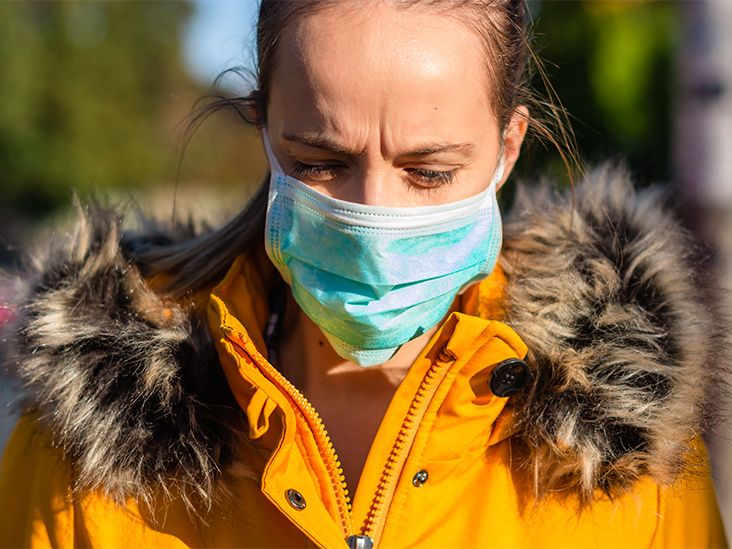
Yes. People may spread the virus before symptoms begin, while symptoms are mild, or even if they never develop symptoms. This is why testing, staying home when sick, improving ventilation, and wearing a well-fitting mask in higher-risk situations can still make a real difference.
Common COVID-19 Symptoms
COVID-19 symptoms can vary depending on the variant, a person’s vaccination status, age, immune health, and underlying conditions. Some people feel like they have a cold. Others feel like they were run over by a very rude truck.
Common symptoms may include:
- Fever or chills
- Cough
- Sore throat
- Congestion or runny nose
- Shortness of breath or difficulty breathing
- Fatigue
- Muscle or body aches
- Headache
- New loss of taste or smell
- Nausea, vomiting, or diarrhea
When Should You Seek Emergency Care?
Seek emergency medical help if you or someone else has trouble breathing, persistent chest pain or pressure, confusion, inability to stay awake, bluish or gray lips or face, severe dehydration, or any symptom that feels life-threatening. Do not wait for symptoms to “prove themselves.” COVID-19 does not hand out formal invitations before becoming serious.
Who Is at Higher Risk for Severe COVID-19?
Anyone can get COVID-19, but some people are more likely to become seriously ill. Risk tends to increase with age, especially among adults 65 and older. People with weakened immune systems or chronic health conditions may also face higher risk.
Conditions that may increase risk include chronic lung disease, heart disease, diabetes, obesity, chronic kidney disease, cancer, pregnancy, certain disabilities, and immune-suppressing medications. People living in long-term care facilities or crowded settings may also have greater exposure risk.
Risk is not a personal failure. It is biology, environment, timing, and sometimes plain bad luck. The smart move is to plan ahead: know where to test, know whom to call, and ask your healthcare provider whether antiviral treatment would be appropriate if you test positive.
COVID-19 Testing: What You Need to Know
Testing helps confirm whether symptoms are caused by COVID-19 and can guide decisions about treatment, staying home, masking, and protecting others. The two main types of tests are molecular tests, such as PCR tests, and antigen tests, often used as rapid at-home tests.
PCR Tests
PCR tests are highly sensitive and are often processed in laboratories. They can detect very small amounts of viral genetic material. Because they are so sensitive, they may remain positive after a person is no longer contagious.
Rapid Antigen Tests
Rapid antigen tests are convenient and can provide results quickly. They are useful when symptoms appear or after a known exposure. A negative rapid test does not always rule out infection, especially early in illness, so repeat testing may be helpful if symptoms continue.
When Should You Test?
Consider testing if you have symptoms, were exposed to someone with COVID-19, plan to visit a high-risk person, or need clarity before returning to work, school, or social activities. Testing is not just about you; it is also about the grandparent, cancer patient, newborn, teacher, coworker, or immune-compromised neighbor who would very much prefer not to join the viral group chat.
COVID-19 Treatment Options
Most people with mild COVID-19 recover with rest, fluids, and over-the-counter medicines for fever, aches, or cough. However, people at higher risk for severe illness should contact a healthcare provider quickly after symptoms begin or after a positive test. Antiviral treatments work best when started early, often within the first few days.
Antiviral Medicines
Available treatments may include oral antivirals such as nirmatrelvir with ritonavir, commonly known as Paxlovid, or other options such as remdesivir in certain situations. These medicines are not for everyone and may interact with other medications, so medical guidance is important.
What Not to Do
Do not take antibiotics for COVID-19 unless a healthcare provider prescribes them for a bacterial infection. Antibiotics do not treat viruses. Also avoid unproven “miracle cures.” If a treatment sounds like it was invented in a comment section by someone named TruthEagle_77, proceed with caution.
How to Protect Yourself and Others
COVID-19 prevention works best when several simple layers are used together. You do not need to live inside a plastic bubble or disinfect your bananas like it is 2020. Instead, focus on practical habits that reduce risk.
- Stay up to date on recommended COVID-19 vaccination.
- Stay home when you are sick.
- Improve indoor airflow by opening windows, using fans safely, or using air filtration.
- Wear a well-fitting mask in crowded indoor spaces, healthcare settings, or around high-risk people when appropriate.
- Wash hands regularly and cover coughs and sneezes.
- Test when symptoms appear or after meaningful exposure.
- Seek treatment early if you are at higher risk.
When Can You Return to Normal Activities?
Current respiratory virus guidance generally supports staying home and away from others while you are sick. Many people can return to normal activities when symptoms have been improving for at least 24 hours and fever has been gone without fever-reducing medicine. After returning, extra precautions such as masking, distancing, and improving ventilation can help protect others for several more days.
COVID-19 Vaccines: Why They Still Matter
COVID-19 vaccines are designed to reduce the risk of severe illness, hospitalization, and death. They may not prevent every infection, especially as the virus changes, but they remain an important tool for lowering serious outcomes.
Vaccine recommendations can change as new variants circulate and new formulas become available. In the United States, current guidance may involve individual-based decision-making, which means people should consider age, health status, risk level, prior vaccination, prior infection, pregnancy, immune status, and advice from a healthcare professional.
Do You Need a Vaccine If You Already Had COVID-19?
Prior infection can provide some immune protection, but it varies from person to person and may fade over time. Vaccination after infection can strengthen protection, especially against severe disease. Think of it less like “either infection or vaccination” and more like adding a better lock to a door that has already been kicked once.
Long COVID: The Part People Should Not Ignore
Long COVID refers to a wide range of symptoms or health problems that continue or appear after a COVID-19 infection. It can affect adults and children, including people who had mild initial illness. Symptoms may last for months or even years and can improve, worsen, disappear, or return over time.
Common Long COVID symptoms include severe fatigue, brain fog, shortness of breath, sleep problems, dizziness, heart palpitations, headaches, joint or muscle pain, digestive issues, anxiety, depression, changes in smell or taste, and post-exertional malaise, which means symptoms worsen after physical or mental effort.
How Is Long COVID Treated?
There is no single test or universal cure for Long COVID. Diagnosis usually involves reviewing medical history, symptoms, prior infection, physical examination, and sometimes blood tests, imaging, or specialist evaluation. Treatment often focuses on managing specific symptoms, pacing activity, improving sleep, supporting mental health, and coordinating care among clinicians.
If you suspect Long COVID, track your symptoms, energy levels, triggers, heart rate changes, sleep patterns, and what makes symptoms better or worse. Bring that information to a healthcare provider. A good symptom diary is not glamorous, but neither is trying to remember three months of fatigue while sitting on crinkly exam-table paper.
COVID-19 in Children and Families
Children can get COVID-19, spread it, and sometimes develop complications, though severe illness is generally less common in children than in older adults. Some children may develop Long COVID or rare inflammatory complications after infection.
Parents should watch for breathing problems, dehydration, persistent fever, unusual sleepiness, chest pain, bluish lips, confusion, or symptoms that worsen instead of improve. For babies, children with chronic conditions, or children with weakened immune systems, early medical advice is especially important.
Practical Family Tips
Keep rapid tests at home when possible, teach children to wash hands without turning the bathroom into a splash park, improve ventilation during gatherings, and avoid sending kids to school when they are clearly sick. Schools, families, and communities work best when illness prevention is treated as teamwork, not a blame game.
COVID-19, Flu, RSV, and Allergies: How Can You Tell the Difference?
COVID-19, flu, RSV, colds, and allergies can overlap. Fever, cough, sore throat, congestion, and fatigue can appear in several respiratory illnesses. Loss of taste or smell may point toward COVID-19, but it is not guaranteed. Allergies often involve itchy eyes, sneezing, and symptoms that follow exposure to pollen, dust, or pets.
Because symptoms overlap so much, testing is the most reliable way to identify COVID-19. This matters because treatments and precautions differ. Flu antivirals, COVID-19 antivirals, and supportive care all have different timing and uses.
Everyday Examples: What Should You Do?
Example 1: You Wake Up With a Sore Throat Before Work
Test if you have access to a test, stay home if you feel sick, and avoid close contact with others. If you must go out, wear a well-fitting mask and avoid high-risk people. Monitor symptoms and repeat testing if needed.
Example 2: Your Parent Tests Positive
If your parent is older or has chronic health conditions, contact a healthcare provider quickly to ask about treatment. Encourage rest, fluids, symptom monitoring, and medical care if breathing problems, chest pain, confusion, or worsening symptoms occur.
Example 3: You Had COVID-19 and Still Feel Exhausted Weeks Later
Do not immediately jump back into intense exercise. Resume activity gradually and pay attention to post-exertional symptoms. If fatigue, brain fog, shortness of breath, palpitations, or dizziness persist, talk to a healthcare provider about possible Long COVID or other conditions.
500-Word Experience Section: Real-Life Lessons From Living With COVID-19
One of the biggest lessons from the COVID-19 era is that health decisions are rarely made in perfect conditions. People make choices while juggling work deadlines, school schedules, family pressure, travel plans, grocery budgets, and the emotional fatigue of hearing the word “variant” again. In real life, prevention is not always elegant. Sometimes it looks like opening a window during a family dinner, keeping a spare mask in the car, or texting friends, “I’m not coming tonight; my throat feels suspicious.” That may not win a lifestyle award, but it protects people.
Many families learned that a COVID-19 plan is easier to make before someone gets sick. A practical household plan might include keeping a few rapid tests, knowing which pharmacy carries them, saving the phone number of a primary care provider, and identifying who in the household is at higher risk. This turns a stressful moment into a checklist instead of a panic festival. Nobody wants to search “what to do positive COVID test” at midnight while holding a thermometer and bargaining with the universe.
Workplaces also learned important lessons. Sick culture changed. Before the pandemic, many people treated showing up sick as a badge of honor. Now, more people understand that coughing through a meeting is not dedication; it is a group project nobody signed up for. Flexible sick leave, remote work options, better ventilation, and respectful masking policies can reduce spread without shutting down daily life. The most successful workplaces are not the ones pretending viruses do not exist. They are the ones that make it easy for people to do the responsible thing.
Schools faced similar challenges. Parents know the morning math: Is this just allergies? Is that cough from dry air? Can my child stay home? Do I have a meeting? The experience of COVID-19 showed that schools need clear illness policies, good communication, clean air strategies, and compassion for families. Children also learned habits that can last a lifetime: handwashing, covering coughs, staying home when truly sick, and understanding that protecting vulnerable people is part of community life.
Another major lesson is that recovery deserves patience. Some people bounce back quickly after COVID-19. Others need weeks or months to feel normal. Long COVID has taught patients and clinicians that “mild infection” does not always mean “mild aftermath.” People dealing with lingering fatigue, brain fog, shortness of breath, or dizziness need support, not eye rolls. A gradual return to activity, symptom tracking, medical evaluation, and emotional support can make recovery more manageable.
Finally, COVID-19 reminded us that public health is personal. A mask, a test, a vaccine conversation, or a decision to stay home can affect people we may never meet. That is not fear; it is responsibility. The best approach today is balanced: stay informed, use available tools, avoid panic, protect high-risk people, and give yourself permission to rest when your body waves the white flag.
Conclusion: Staying Smart Without Staying Scared
Coronavirus and COVID-19 are no longer new, but they still deserve attention. The smartest approach is not panic and not denial. It is preparation. Know the symptoms, test when needed, stay home when sick, improve indoor air, consider masking in higher-risk settings, keep up with vaccine guidance, and seek treatment early if you are at higher risk for severe illness.
COVID-19 has changed over time, and guidance may continue to change as scientists learn more. That does not mean experts are “making it up.” It means science is doing what science does: updating the map when the road changes. Your job is to use the best available information, protect yourself and others, and remember that common sense is still one of the most underrated public health tools we have.