

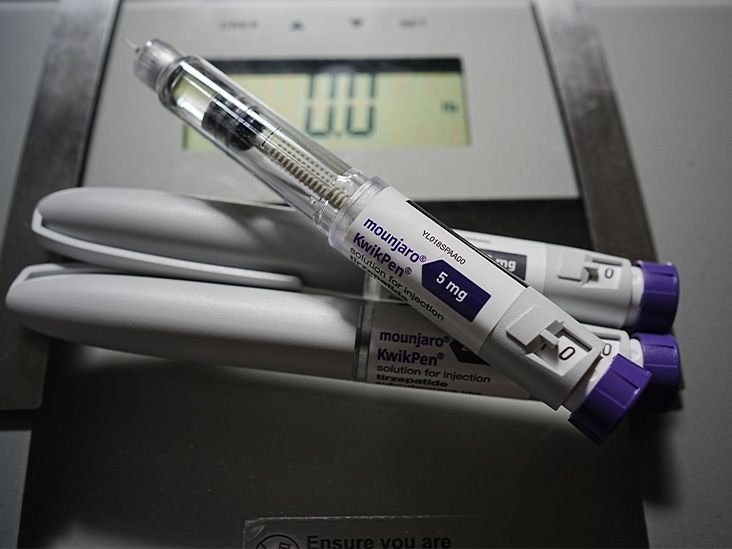
If you’ve started Mounjaro and your prescriber is talking about “going up a dose,” you might be thinking:
“Why are we leveling up my medication like it’s a video game?” Fair question.
The short answer is that Mounjaro dose increases (also called titration) are designed to help your body adapt,
reduce side effects, and dial in the dose that gives you the best balance of blood sugar control, appetite changes,
and tolerability.
In this guide, we’ll break down why Mounjaro dose increases matter, what you’ll likely feel when you step up,
how long the “adjustment phase” usually lasts, and the practical stuff you can do so dose day doesn’t feel like
a weekly surprise party for your stomach (no one asked for that).
Quick note: This article is educational and not medical advice. Always follow your prescriber’s plan.
What “Mounjaro dose increases” actually mean
Mounjaro in one minute (no lab coat required)
Mounjaro (tirzepatide) is a once-weekly injection used for improving blood sugar control in people with
type 2 diabetes. It works by mimicking two hormones involved in metabolism and appetite regulation:
GIP and GLP-1. Translation: it helps your body release insulin when needed, lowers glucagon when it’s
not helpful, slows stomach emptying, and tends to reduce appetite. That combo can improve glucose numbers
and often leads to weight loss as a side effect for many people.
The official dosing “ladder” (aka the reason your dose isn’t maxed out on day one)
Mounjaro is typically started at a low dose and increased gradually. The idea is simple: your body gets time to adapt,
especially your gastrointestinal system, which is usually the first to complain when you change doses.
| Stage | Typical weekly dose | Why it exists |
|---|---|---|
| Start | 2.5 mg | Initiation dose (helps your body adjust) |
| First increase | 5 mg | Often the first “therapeutic” step for glycemic effect |
| Further steps (as needed) | 7.5, 10, 12.5, 15 mg | More effect for people who need it and can tolerate it |
Many prescribers keep people at each dose for at least a few weeks before increasing. Importantly, not everyone needs
to keep climbing. For some, a lower maintenance dose is the sweet spot; for others, higher doses provide better results.
Why Mounjaro dose increases matter (and why “just stay low” isn’t always the move)
1) Dose is how you “tune” results
With incretin-based medications, effects can be dose-dependent. That means increasing the dose may lead to additional
A1C improvement and (often) more weight loss. In clinical research, higher tirzepatide doses generally produced larger
average A1C reductions and greater average weight reductions compared with lower doses.
2) Titration is a side-effect management strategy, not a hazing ritual
The most common side effectsnausea, diarrhea, constipation, vomiting, and decreased appetiteoften appear
early, especially during dose escalation. A gradual increase gives your brain-gut system time to recalibrate.
Think of it as easing into a cold pool instead of cannonballing in while holding a burrito.
3) Better glucose control is a long-game metric
Blood sugar changes can show up quickly, but the bigger report card is often your A1C, which reflects your average
glucose over about three months. Dose decisions frequently consider trends: fasting glucose, post-meal spikes,
time-in-range (if you use a CGM), and A1C movementnot just how you feel on Tuesday.
4) “More” isn’t automatically “better”
A higher dose is only “better” if it improves outcomes you and your clinician care about without making you
miserable. If a higher dose causes significant nausea, dehydration, or you can’t eat enough protein to maintain muscle,
it’s not a win. The goal is sustainable control, not suffering with impressive pharmacy receipts.
What to expect when you increase your Mounjaro dose
The first 24–72 hours: the “hello, hormones” window
Many people notice side effects most strongly in the first couple of days after an injection, especially after a dose increase.
Common themes include reduced appetite, mild nausea, a feeling of being “full” faster, and changes in bowel habits
(constipation or looser stools). Some feel nothing at allthose people should immediately buy a lottery ticket
(kidding… mostly).
Week 2–4 at a new dose: your body negotiates the new normal
For a lot of patients, side effects settle as the weeks pass. You may still feel appetite suppression, but less queasiness.
Blood glucose numbers often become more stable, and cravings may feel quieter. If side effects stay intense or worsen,
that’s a sign you might need more time at the current dose or a different plan.
What side effects are most common (and how dose increases can affect them)
In trials, gastrointestinal side effects were common, and their frequency generally increased at higher doses.
For example, nausea and diarrhea occurred more often with higher-dose groups than with placebo, and discontinuation
due to GI events was more frequent in higher-dose groups. That’s one reason dose increases are spaced out and individualized.
When to call your clinician right away (the red-flag list)
- Severe, persistent abdominal pain (especially if it radiates to your back), with or without vomiting
- Signs of dehydration (dizziness, very dark urine, fainting, unable to keep fluids down)
- Allergic reaction signs (swelling of face/lips/tongue, trouble breathing, hives)
- Symptoms of gallbladder trouble (severe upper right abdominal pain, fever, jaundice)
- Very low blood sugar if you’re also using insulin or a sulfonylurea (shaking, confusion, sweating)
- Vision changes if you have diabetic retinopathy history
Not to be dramatic, but your body is allowed to send you urgent emails. Don’t leave those on “read.”
How to make Mounjaro dose increases easier (without living on saltines forever)
Eat like you’re helping your future self
- Go smaller, more often: Large meals can feel like a brick when gastric emptying is slowed.
- Prioritize protein: It helps with satiety and supports muscle while weight changes.
- Limit greasy/high-fat “challenge meals” right after a dose increase (save them for later).
- Gentle carbs help: Toast, rice, oatmealespecially if nausea pops up.
Hydration is not optional (especially if GI symptoms show up)
If nausea or diarrhea happens, dehydration risk rises. Sip fluids throughout the day. Some people do better with
electrolyte drinks or broth if plain water feels “too heavy.” The goal is steady intake, not chugging a gallon and
regretting it immediately.
Plan injection day like a responsible adult (but still a fun one)
- Pick a day when you’re not stacking it with big travel, intense workouts, or a buffet-based celebration.
- Rotate injection sites (abdomen, thigh, or upper arm if someone helps).
- Keep an eye on patterns: if day-after is consistently rough, adjust meals and plans accordingly.
If you take insulin or a sulfonylurea, dose increases need extra caution
Mounjaro can increase the risk of hypoglycemia when combined with insulin or insulin secretagogues.
Your clinician may adjust other medication doses when you step up Mounjaro. This is not the time to freestyle
your regimen because you “felt pretty good this week.”
Oral medications (including birth control) deserve a special mention
Because tirzepatide can delay gastric emptying, it may affect absorption of certain oral medications. That matters most
for meds that need reliable absorption. One well-known example is oral hormonal contraceptives:
guidance commonly recommends switching to a non-oral method or adding a barrier method for a period after starting
and after each dose escalation. If that applies to you, bring it up before you increase your doseno one wants a “surprise”
that’s not the fun kind.
FAQ: The questions people actually ask about Mounjaro dose increases
Do I have to increase every four weeks?
Not necessarily. Many plans consider increases after several weeks if additional glycemic control is needed and if you’re
tolerating the current dose. Some people stay longer at a dose to let side effects calm down. Some stay permanently at a
mid-range dose because it works well for them. Your best dose is the one you can stay on consistently.
What if I miss a dose?
Missed-dose rules can vary by medication, so follow your prescriber’s instructions. In general, official guidance commonly
allows taking the missed injection within a limited window; otherwise, you skip it and resume on your usual day. If you’re
unsure, call your pharmacy or clinic before doubling up.
Is 15 mg always the goal?
No. Higher doses are available, but they’re not mandatory. Some people get strong results at 5 mg or 7.5 mg with tolerable
side effects. Others need 10–15 mg to reach glucose targets. The “goal” is controlled diabetes and a livable day-to-day,
not a number on a pen label.
Why did side effects come back when I increased?
Because your body noticed the change. A dose increase can temporarily re-trigger nausea, constipation, reflux, or appetite
suppression. For many, it improves over time. If it doesn’t, your clinician may suggest staying longer at the current dose,
stepping back down, or addressing side effects directly.
Experiences related to Mounjaro dose increases: what people often notice (about )
Let’s talk about the part no one can fully explain until you’re living it: the experience of moving up a dose.
While everyone’s body writes its own screenplay, there are some common plot points people reportespecially around
appetite, digestion, and how “food noise” changes.
Experience #1: The “I’m full… already?” moment. A lot of people describe a sudden shift in portion sizes after a dose increase.
It’s not that food becomes grossmore like your stomach hits “closed for business” sooner than expected. The first time it happens,
it can be oddly comical: you serve your usual plate, take a few bites, and then your body politely escorts you out of the restaurant.
The practical takeaway is to build meals around what matters most (protein, fiber, hydration) because you may not have the appetite
to “catch up” later.
Experience #2: GI side effects that feel random… but often follow patterns. Some people feel fine on a stable dose and then,
after an increase, nausea shows up like an uninvited guest who also critiques your life choices. Others notice constipation creeping in
over a week or two, or diarrhea appearing in the first 48 hours after injection day. Over time, many people learn their personal rhythm:
“Day 1 is delicate, day 2 is better, by day 4 I’m normal again.” That pattern awareness helps with planning work meetings, workouts,
and meals (and yes, it’s okay to schedule your “big salad day” with intention).
Experience #3: Weight and glucose changes don’t always move at the same speed. It’s common for glucose readings to improve
before the scale changes, especially early on. Some people see fasting glucose drop first, then A1C improves later (since A1C is a
longer-term average). Others see appetite drop quickly but weight changes more slowly, especially if they’re retaining water or
adjusting their eating patterns. The most helpful mindset here is “trend over time,” not “daily verdict.”
Experience #4: The emotional side of appetite changes. When dose increases reduce cravings, some people feel reliefless
obsession around food, fewer impulsive snacks. Others feel a little unsettled, because food has been part comfort, part routine,
part social glue. Both reactions are normal. If your appetite drops dramatically, it helps to intentionally plan small, nutrient-dense
meals so you don’t end up under-eating all day and then feeling weak, cranky, or nauseated at night.
Experience #5: Finding “your dose” can be empowering. Many patients describe the best moment as the week they realize:
“I’m not battling my numbers every day, and I’m not battling my stomach either.” That’s when dose increases stop feeling like a scary
escalation and start feeling like a careful calibration. It’s less “more medication” and more “right medication, right amount.”
If you’re early in the process: give yourself time. If you’re mid-titration: track patterns and communicate with your clinician.
And if you’ve found your maintenance dose: congratulationsyou’ve basically unlocked the “stable settings” achievement.
Conclusion
Mounjaro dose increases matter because they’re the bridge between starting the medication and finding a dose that delivers meaningful
glucose improvement with manageable side effects. The step-up process is intentionally gradual: it helps reduce gastrointestinal issues,
supports safer adjustment of other diabetes medications, and gives you time to see how your body responds.
The best approach is boring in the best way: follow the schedule your clinician recommends, track how you feel, pay attention to glucose
trends, and speak up early if side effects are interfering with hydration, nutrition, or daily life. Your goal isn’t to “tough it out.”
Your goal is to make the medication work for youlong term.