

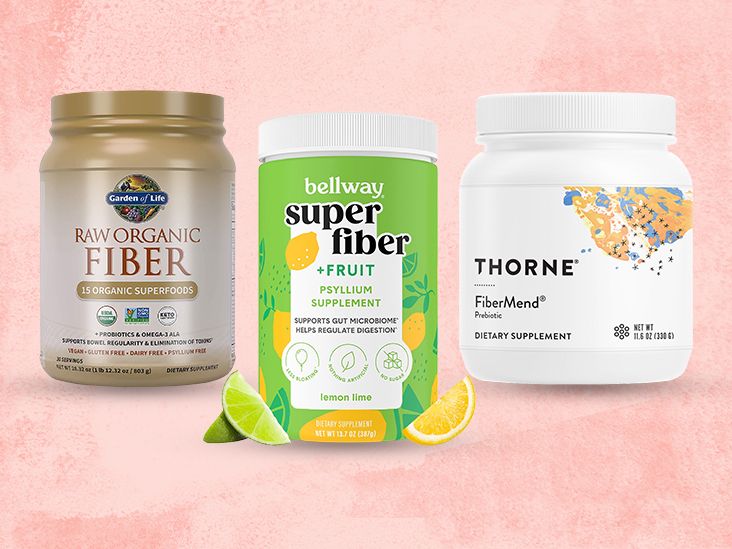
Constipation has a talent for ruining a perfectly normal day. One minute you are planning breakfast, replying to emails, and pretending your inbox is under control. The next, your digestive system is staging a silent protest. That is where fiber supplements can helpquietly, reliably, and without requiring you to eat a mountain of lentils while whispering affirmations to your colon.
Fiber supplements are not magic dust, and they should not replace fruits, vegetables, beans, whole grains, nuts, and seeds. But for many adults, they are a practical bridge between “I know I should eat more fiber” and “I actually did.” Dietary fiber supports regular bowel movements, feeds beneficial gut bacteria, helps soften and bulk stool, may support healthy cholesterol levels, and can help with fullness and blood sugar balance. The trick is choosing the right type.
This guide breaks down the 8 best fiber supplements for constipation and overall health, based on ingredient type, digestive tolerance, convenience, and real-world usefulness. Think of it as a friendly map through the fiber aislebecause that shelf can look like a science fair hosted inside a pharmacy.
Why Fiber Supplements Help With Constipation
Fiber helps constipation mainly by increasing stool bulk, holding water in the stool, and encouraging smoother movement through the intestines. Some fibers form a gel, some ferment and feed gut bacteria, and some are designed to be gentle and less gassy. The best choice depends on your goal: fast constipation relief, daily regularity, cholesterol support, IBS-friendly digestion, or simply closing the fiber gap.
Adults are generally encouraged to get around 21 to 38 grams of fiber per day, depending on age and sex. Many people fall short, especially if their meals lean heavily on refined grains, fast food, low-fiber snacks, or the classic “coffee for breakfast and vibes for lunch” plan. A fiber supplement can help, but it works best when paired with enough water. Without fluids, fiber can backfire and make stools harder, which is exactly the plot twist nobody asked for.
How to Choose the Best Fiber Supplement
Look at the active fiber type
The front label may say “digestive health,” but the ingredient list tells the real story. Psyllium, methylcellulose, calcium polycarbophil, wheat dextrin, inulin, partially hydrolyzed guar gum, acacia fiber, and flaxseed all behave differently in the gut.
Start low and increase slowly
If you go from zero to hero overnight, your gut may respond with bloating, gas, cramps, and dramatic sound effects. Start with a small serving, use it consistently, and increase gradually over several days or weeks.
Drink enough water
Bulk-forming fibers need fluid to work properly. Take fiber supplements with a full glass of water unless the product label says otherwise. Also, separate fiber from medications by at least a couple of hours when possible, because some fibers may affect absorption.
Choose the form you will actually use
The “best” fiber supplement is not the fancy tub that sits untouched in your pantry like a wellness trophy. Powders, capsules, gummies, chewables, and food-based blends all have a place. Pick the format that fits your routine.
The 8 Best Fiber Supplements for Constipation and Health
1. Psyllium Husk Powder: Best Overall for Constipation
Best for: Occasional constipation, stool softening, cholesterol support, and daily regularity.
Psyllium husk is the superstar of fiber supplements for constipation. It is a soluble, gel-forming fiber that absorbs water in the intestines, creating a softer, bulkier stool that is easier to pass. It is commonly found in products like Metamucil, Konsyl, and many unflavored generic psyllium powders.
Psyllium is especially useful because it does more than help you “go.” It may also support healthy LDL cholesterol levels when used consistently as part of a heart-healthy diet. That makes it a strong pick for people who want digestive support with extra health benefits.
The downside? Texture. Psyllium thickens quickly in liquid, so you need to mix it and drink it promptly unless you enjoy sipping something with the personality of wallpaper paste. Unflavored versions are often better for people avoiding added sugar or artificial sweeteners.
Practical tip: Mix psyllium into 8 ounces of water, drink it quickly, and follow with more water. Start with a half serving if your gut is new to fiber.
2. Psyllium Capsules: Best Fiber Supplement for Travel
Best for: People who dislike powders, travel often, or want easy dosing.
Psyllium capsules offer the same general fiber type as psyllium powder but in a more portable form. Products such as NOW Psyllium Husk Caps or Metamucil capsules can be convenient for people who do not want to mix powders at work, in hotels, or while juggling a busy schedule.
The trade-off is serving size. Capsules usually provide less fiber per pill than a scoop of powder, so you may need several capsules to reach an effective dose. This can make capsules less convenient than they appear if you dislike swallowing multiple pills.
Practical tip: Take capsules with a full glass of water. Do not dry-swallow fiber capsules. Your throat is not a storage unit.
3. Methylcellulose: Best for Sensitive Stomachs
Best for: Constipation relief with less gas and bloating.
Methylcellulose, commonly associated with Citrucel, is a soluble fiber made from plant cellulose. One of its biggest selling points is that it is non-fermentable, meaning gut bacteria do not break it down as much as they do some other fibers. For many people, that translates to less gas and bloating.
Methylcellulose helps absorb water and adds bulk to stool, making it helpful for occasional constipation. It may be a good option for people who tried psyllium and felt like their abdomen inflated like a parade balloon.
It may not have the same level of cholesterol-support evidence as psyllium, but for comfort and tolerability, methylcellulose earns a top spot.
Practical tip: Choose methylcellulose if constipation is your main issue and you want a gentler, less fermentable option.
4. Calcium Polycarbophil: Best Tablet Fiber for Regularity
Best for: People who want a tablet instead of powder and need occasional constipation support.
Calcium polycarbophil, found in products such as FiberCon and similar fiber therapy tablets, is a bulk-forming fiber. It absorbs water in the intestines and helps normalize stool consistency. Like methylcellulose, it is often promoted as a non-fermentable option, which may make it easier for some people who are sensitive to gas.
This type of fiber can be especially convenient because it comes in caplets. No mixing, no gritty texture, no cup of orange-flavored sludge staring back at you. However, like all bulk-forming fibers, it must be taken with enough fluid.
Practical tip: Calcium polycarbophil can be useful for people who want a simple, shelf-stable tablet option, but it may not be ideal for anyone with swallowing problems.
5. Wheat Dextrin: Best Tasteless Fiber Powder
Best for: People who want an easy-mixing supplement for daily fiber intake.
Wheat dextrin, the main fiber in Benefiber Original, is a soluble fiber that dissolves well in liquids and soft foods. It is popular because it is nearly tasteless and does not thicken beverages the way psyllium does. You can stir it into coffee, tea, smoothies, oatmeal, or yogurt without turning breakfast into a chemistry experiment.
Wheat dextrin is often considered more of a daily fiber booster than a powerful constipation rescue tool. It can support digestive health and help close the fiber gap, but people with significant constipation may respond better to psyllium, methylcellulose, or calcium polycarbophil.
Because wheat dextrin is fermentable, it may cause gas or bloating in some people, especially at first. Also, people with wheat allergy should avoid it, and anyone with celiac disease should check labeling carefully.
Practical tip: Use wheat dextrin if your main barrier is taste and texture. It is one of the easiest fibers to sneak into everyday drinks.
6. Partially Hydrolyzed Guar Gum: Best Low-FODMAP Friendly Option
Best for: People with bloating concerns, IBS sensitivity, or low-FODMAP needs.
Partially hydrolyzed guar gum, often sold under Sunfiber or included in premium prebiotic fiber blends, is a soluble fiber known for being gentle and easy to mix. It is frequently marketed as low-FODMAP, which matters for people whose digestive systems react dramatically to certain fermentable carbohydrates.
This fiber can support regularity and gut microbiome health without the aggressive thickening of psyllium. Many people like it because it disappears into water, coffee, or smoothies without changing texture much.
It may not be the strongest first choice for severe constipation, but it is a smart daily option for people who want prebiotic support without feeling like their abdomen is hosting a balloon animal convention.
Practical tip: Consider partially hydrolyzed guar gum if you want a gentle daily fiber that mixes cleanly and is easier on sensitive digestion.
7. Inulin or Chicory Root Fiber: Best Prebiotic Fiber
Best for: Feeding beneficial gut bacteria and supporting mild regularity.
Inulin, often sourced from chicory root, is a soluble prebiotic fiber. That means it feeds beneficial bacteria in the gut. It is commonly found in fiber gummies, drink mixes, protein bars, and “gut health” powders.
Inulin can be helpful for overall digestive wellness, but it is not always the best choice for constipation-prone people with sensitive stomachs. Because it ferments readily, it can cause gas, bloating, and rumblingbasically your gut’s version of a jazz solo.
Still, many people tolerate inulin well when they start slowly. It may be useful if your goal is microbiome support and you do not need heavy-duty constipation relief.
Practical tip: Start with a very small amount of inulin. If you have IBS or follow a low-FODMAP plan, ask a healthcare professional before using it regularly.
8. Ground Flaxseed or Whole-Food Fiber Blends: Best Food-Based Choice
Best for: People who prefer a more natural, food-like fiber source.
Ground flaxseed and whole-food fiber blends made from chia, flax, sprouted grains, legumes, and seeds provide a mix of soluble and insoluble fiber. Products like organic fiber blends may also include probiotics, omega-3 fats from seeds, and plant nutrients.
This type of supplement is less like a medication-style fiber and more like a concentrated food add-in. It can be stirred into oatmeal, yogurt, smoothies, pancake batter, or homemade muffins. Ground flaxseed in particular is budget-friendly and easy to find.
The downside is texture. These blends do not dissolve like wheat dextrin or partially hydrolyzed guar gum. They can thicken foods and may feel gritty. They may also be less predictable for constipation than psyllium or methylcellulose.
Practical tip: Choose ground flaxseed or a whole-food fiber blend if you want extra fiber plus food-based nutrients. Always use ground flaxseed rather than whole flaxseed, because whole seeds often pass through undigested.
Quick Comparison: Which Fiber Supplement Should You Choose?
| Fiber Supplement | Best Use | Main Advantage | Possible Drawback |
|---|---|---|---|
| Psyllium husk powder | Constipation and cholesterol support | Strong evidence and gel-forming action | Thick texture |
| Psyllium capsules | Travel and convenience | Portable and simple | Requires multiple capsules |
| Methylcellulose | Sensitive stomachs | Less likely to ferment | Fewer broader health claims |
| Calcium polycarbophil | Tablet-based regularity | No mixing required | Must take with plenty of water |
| Wheat dextrin | Daily fiber boost | Tasteless and dissolves easily | May not be strongest for constipation |
| Partially hydrolyzed guar gum | Low-FODMAP friendly support | Gentle and easy to mix | Can cost more |
| Inulin | Prebiotic gut support | Feeds beneficial bacteria | Can cause gas and bloating |
| Ground flaxseed | Food-based fiber | Affordable and nutrient-rich | Gritty texture |
How to Take Fiber Supplements Safely
Fiber supplements are generally safe for many adults, but they are not harmless just because they sit next to vitamins and cheerful labels. Take them seriously, especially if you have a digestive disorder, trouble swallowing, kidney disease, bowel narrowing, unexplained abdominal pain, or a history of bowel obstruction.
Increase fiber gradually. A sudden jump can cause bloating, cramps, and gas. Drink water throughout the day. Pay attention to how your body responds. If constipation lasts more than a week, becomes painful, includes vomiting, blood in stool, fever, unexplained weight loss, or severe abdominal pain, get medical care. Your colon may be dramatic, but some red flags deserve immediate attention.
Also remember that fiber supplements can interfere with some medications. A common rule is to take medications at least two hours before or after fiber, but ask your pharmacist or clinician for advice if you take thyroid medication, diabetes medication, antidepressants, heart medications, or other prescriptions.
Fiber Supplements vs. High-Fiber Foods
Supplements are useful, but whole foods bring more to the table. Beans, lentils, berries, pears, apples, oats, barley, chia seeds, vegetables, nuts, and whole grains provide fiber plus vitamins, minerals, antioxidants, water, and plant compounds. A scoop of fiber powder can help your bowel routine, but it cannot fully replace a colorful, fiber-rich diet.
A smart approach is to use supplements as backup, not as the entire digestive strategy. For example, breakfast could be oatmeal with berries and ground flaxseed. Lunch could include beans or vegetables. Dinner could include whole grains and a salad. Then, if you still fall short, a supplement can fill the gap without requiring you to chew through half a garden.
Real-Life Experiences With Fiber Supplements
Most people do not begin taking fiber supplements because they woke up inspired by intestinal wellness. They usually start because something is off: fewer bowel movements, hard stools, bloating, travel constipation, a low-fiber diet, or a doctor gently saying, “Let’s talk about your fiber intake,” which is medical code for “your digestive system needs better project management.”
A common experience with psyllium is surprise. People often expect a simple powder, but once mixed with water, psyllium thickens quickly. The first lesson is speed. Stir, drink, and do not wander away to check your phone. Five minutes later, your glass may contain something that looks like it has career ambitions as pudding. Once people learn the routine, many find psyllium dependable. It can make bowel movements feel more complete and predictable, especially when taken daily with enough water.
For people with sensitive stomachs, methylcellulose often feels like a relief after trying fermentable fibers. Someone who bloats from inulin gummies may do better with methylcellulose because it is less likely to feed gas-producing bacteria. This is why “best fiber supplement” is personal. Your friend may love chicory root gummies, while your gut hears “chicory” and immediately files a complaint.
Wheat dextrin users often like how invisible it is. It can disappear into coffee or tea, which makes consistency easier. The experience is less dramatic than psyllium: no thick gel, no earthy texture, no urgent race against the clock. But the results may also be subtler. It is better for gradually increasing daily fiber than for solving stubborn constipation overnight.
Travelers often prefer capsules or caplets. Nobody wants to explain a bag of beige powder to airport security while already stressed and under-caffeinated. Psyllium capsules or calcium polycarbophil caplets can be practical during trips, especially because travel constipation is common. New food, less water, long flights, schedule disruption, and ignoring bathroom urges can all slow digestion. A portable fiber option, a refillable water bottle, and a walk after meals can make travel easier on the gut.
People using low-FODMAP plans often report better tolerance with partially hydrolyzed guar gum than with inulin or chicory root fiber. The key experience here is comfort. A fiber supplement should not make you feel like you swallowed a weather balloon. Gentle fibers may not produce instant results, but they can support regularity over time without creating daily bloating battles.
Ground flaxseed has a different personality. It feels more like food than a supplement. People add it to oatmeal, yogurt, smoothies, or muffins and appreciate that it brings fiber plus plant-based omega-3 fats. The texture is noticeable, but in the right foods, it works well. The biggest mistake is using whole flaxseed and expecting full benefits. Whole flaxseed can pass through the digestive tract mostly intact, like tiny nutritional tourists who never unpacked.
The most successful fiber supplement routines tend to share three habits: starting small, drinking more water, and choosing a product that fits daily life. The least successful routines usually involve taking too much too soon, forgetting water, or buying a supplement based on hype instead of digestive needs. Fiber is not glamorous, but when it works, it can improve daily comfort in a very real way. Regularity may not sound exciting, but neither does plumbinguntil it stops working.
Final Verdict: What Is the Best Fiber Supplement?
For constipation, psyllium husk powder is the best overall choice for many adults because it forms a gel, holds water, bulks stool, and has added evidence for cholesterol support. For sensitive stomachs, methylcellulose is a strong alternative. For convenience, psyllium capsules or calcium polycarbophil caplets make sense. For daily fiber gaps, wheat dextrin is easy to mix. For low-FODMAP needs, partially hydrolyzed guar gum is worth considering. For food-based fiber, ground flaxseed is affordable and versatile.
The best fiber supplement is the one that matches your body, your goals, and your routine. Start low, go slow, drink water, and do not ignore persistent or severe symptoms. Your digestive system does not need perfection. It needs consistency, hydration, and perhaps fewer meals eaten over the sink while answering emails.
Editor’s note: This article is for educational purposes and is not a substitute for medical advice. Talk with a healthcare professional before starting a fiber supplement if you are pregnant, managing a medical condition, taking prescription medication, or experiencing ongoing constipation.