

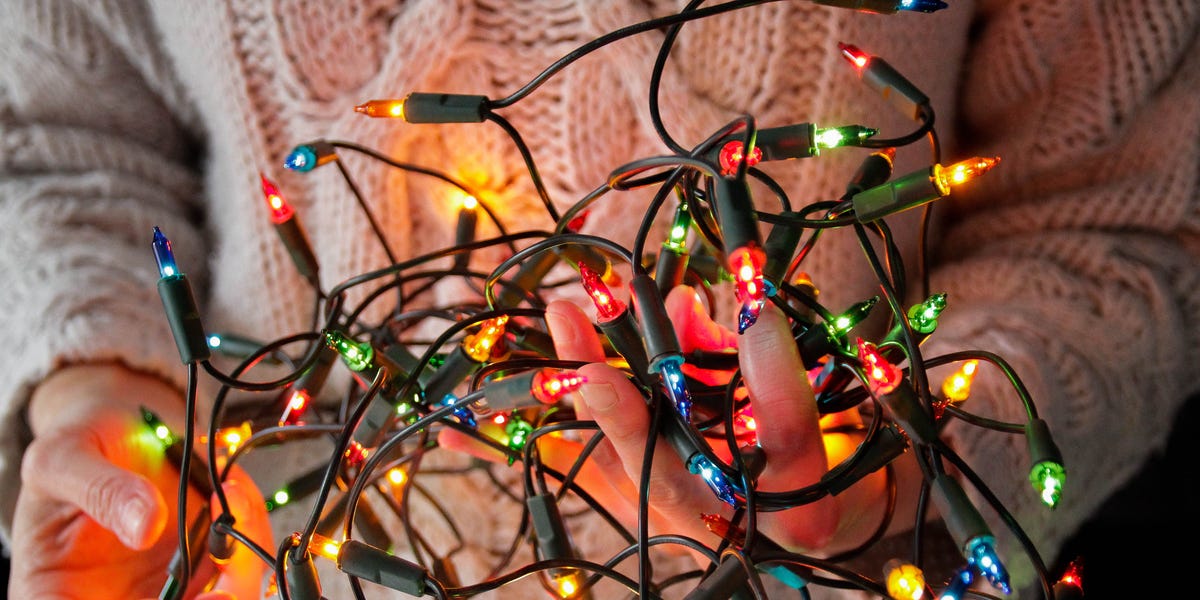
Christmas lights look simple: plug them in, untangle three miles of mystery cord, say a few seasonal words your grandmother would not approve of, and suddenly the living room looks like a tiny North Pole airport runway. But behind that cheerful glow is a surprisingly clever mix of electricity, materials science, circuit design, heat management, and practical safety engineering.
Whether you are wrapping a tree, outlining a roofline, decorating a porch, or trying to win the unspoken neighborhood contest that absolutely exists, understanding how Christmas lights work can help you choose better strands, save money, avoid electrical headaches, and keep the holiday sparkle from turning into a troubleshooting marathon.
The big question is familiar: should you use traditional incandescent Christmas lights or modern LED Christmas lights? Incandescent bulbs have that warm, nostalgic glow many people associate with childhood holidays. LEDs are cooler, tougher, more energy efficient, and easier on the electric bill. Both can make a home look magical, but they work in very different ways.
What Makes Christmas Lights Turn On?
At the most basic level, Christmas lights work by allowing electric current to flow through a circuit. A circuit is simply a path that electricity can travel. When the path is complete, current moves through the wires and bulbs, producing light. When the path is broken, the lights go dark, and someone in the house starts blaming the cat.
Most plug-in Christmas light strings are designed for standard household electricity. The plug connects the string to the outlet, wires carry current through the strand, and each bulb or LED converts electrical energy into visible light. The way that conversion happens is the main difference between incandescent lights and LEDs.
How Incandescent Christmas Lights Work
Incandescent Christmas lights are the old-school heroes of holiday decorating. Inside each tiny bulb is a very fine metal filament, usually made from tungsten. When electricity flows through that filament, the filament resists the current. This resistance causes it to heat up until it glows. That glow is the light you see.
In other words, an incandescent bulb makes light by getting extremely hot. It is basically a tiny controlled campfire in a glass capsule, except less marshmallow-friendly. Most of the energy used by an incandescent bulb becomes heat, while a smaller portion becomes visible light. That is why old incandescent Christmas bulbs feel warm, and why a large display can draw more power than people expect.
The Role of the Filament
The filament is the star of the incandescent bulb. Tungsten is used because it has a very high melting point and can glow brightly without instantly burning apart. The bulb is sealed to protect the filament from oxygen. If oxygen reached the hot filament, the metal would oxidize and fail quickly.
When the filament finally breaks, the bulb burns out. In older light strings, one failed bulb could take down an entire section or even the whole strand. That is why generations of holiday decorators have spent December evenings testing one bulb after another, slowly questioning every life decision that led to that moment.
Why Incandescent Lights Feel Warm and Cozy
Incandescent Christmas lights are popular because they produce a familiar warm glow. Their light is broad and soft, spreading in many directions. This gives them a cozy, traditional look, especially on indoor trees, garlands, and vintage-style displays.
The tradeoff is efficiency. Because incandescent bulbs rely on heat to create light, they use more electricity than LEDs and can get noticeably warm. They are not automatically dangerous when used correctly, but they require more attention. Damaged wires, overloaded outlets, dry trees, and long operating hours can increase risk.
How LED Christmas Lights Work
LED stands for light-emitting diode. Unlike an incandescent bulb, an LED does not need to heat a filament until it glows. Instead, it uses a semiconductor. When current passes through the diode, electrons move through the material and release energy as photons. Photons are packets of light. That is the science version of saying, “Tiny electronic magic happens, but with less heat and better efficiency.”
Because LEDs convert electricity into light more directly, they waste much less energy as heat. That is why LED Christmas lights usually stay cool to the touch, use less power, and last longer than traditional incandescent strands.
Why LEDs Are So Efficient
LED holiday lights are efficient because they do not depend on heating a fragile wire. They produce light through electroluminescence, which is a fancy term for light created by electrical activity in a material. The result is a small, durable light source that can shine brightly while using a fraction of the electricity required by incandescent bulbs.
This matters most when you use a lot of lights. One small strand may not make a dramatic difference on your electric bill. But a large tree, roofline, porch, fence, shrubs, and inflatable reindeer army can add up fast. LEDs make it easier to decorate generously without feeling like the power company should send you a thank-you card.
LED Color and Brightness
Early LED Christmas lights had a reputation for looking cold, bluish, or almost futuristic. They were efficient, yes, but sometimes they made a living room feel less like Christmas and more like a spaceship cafeteria. Modern LED holiday lights have improved a lot. Today, you can find warm white LEDs, multicolor LEDs, vintage-style faceted bulbs, smooth mini lights, smart app-controlled lights, and color-changing strands.
LEDs are directional by nature, meaning they tend to send light in a specific direction. Manufacturers use lenses, covers, and bulb shapes to spread the light more evenly. Incandescent bulbs often glow in a softer all-around pattern, while LEDs can appear sharper or brighter from certain angles. This is one reason some people still prefer incandescent lights for a classic indoor tree.
Series vs. Parallel: Why One Bad Bulb Can Ruin Your Evening
Christmas light strings may be wired in series, parallel, or a combination of both. In a series circuit, electricity flows through each bulb one after another. If the path breaks, the whole section can go out. In a parallel circuit, each bulb has its own path, so one failed bulb does not necessarily darken the rest.
Many traditional mini-light strings use series wiring in sections. That is why half a strand may go dark while the other half still works. Some bulbs include a shunt, a tiny bypass feature that allows current to keep moving if the filament fails. When the shunt works, one bulb goes out but the rest stay lit. When it does not, the strand becomes a holiday-themed detective case.
Why Half the Strand Goes Out
If only half your Christmas light string goes out, the strand may be divided into two or more internal circuits. A loose bulb, broken filament, bad socket, blown fuse, or damaged wire can interrupt one section while the rest continues working. This is common with incandescent mini lights, although LED strings can also fail if wiring, rectifiers, or bulbs are damaged.
Before declaring the strand cursed, check the basics: make sure it is plugged in, inspect the fuse in the plug, look for loose bulbs, and examine the cord for cuts or fraying. A bulb tester can save time, especially if you own more lights than a small amusement park.
Incandescent vs. LED Christmas Lights: The Real Comparison
The choice between incandescent and LED Christmas lights depends on your priorities. Do you want nostalgic warmth? Lower cost upfront? Maximum efficiency? A cooler, safer display? Less maintenance? The best option depends on where and how you plan to decorate.
Energy Use
LED Christmas lights use significantly less energy than incandescent lights. That is their biggest advantage. Since LEDs need less power per bulb, you can run longer displays with lower electricity use. For large outdoor setups, the savings can be noticeable over a full holiday season.
Incandescent lights use more energy because they create light by generating heat. This does not mean you must throw away every old strand immediately, but it does mean LEDs are the better choice if efficiency matters.
Heat
Incandescent bulbs become warm because heat is part of how they work. LEDs produce far less heat at the bulb surface. This makes LEDs a smart choice for live Christmas trees, wreaths, garlands, curtains, plants, and displays where bulbs may sit close to decorations.
Even with LEDs, common sense still applies. Do not use damaged cords. Do not overload outlets. Do not leave lights on unattended for long periods. “Cooler” does not mean “invincible.” It means safer when used properly, not magically protected by Santa’s legal department.
Durability
LED Christmas lights are usually more durable than incandescent lights. Many LED bulbs are made with plastic lenses instead of thin glass, and they do not contain fragile filaments. That makes them better for outdoor displays, windy weather, storage bins, and the annual tradition of yanking lights out of a box while pretending you carefully wrapped them last January.
Incandescent bulbs can break more easily, and their filaments can fail from vibration, age, or rough handling. If you love vintage lights, handle them gently and inspect them before each season.
Cost
Incandescent Christmas lights often cost less upfront, especially if you are buying basic mini lights. LEDs usually cost more at the store, but they tend to save money over time through lower electricity use and longer service life.
For a small indoor tree, the price difference may not matter much. For a house-wide outdoor display, LEDs are usually the better long-term investment. The larger the display and the longer you run it each night, the more LED efficiency matters.
Appearance
This is where personal taste gets involved, and personal taste does not like being bossed around. Incandescent lights have a warm, continuous glow that many people find nostalgic. LEDs can be brighter, crisper, and available in more color effects. Warm white LEDs now do a much better job of mimicking incandescent tones than earlier versions did.
If you want a classic tree, look for “warm white” or “soft white” LEDs. If you want bold outdoor sparkle, multicolor LEDs or programmable smart lights may be more exciting. If your decorating goal is “visible from low Earth orbit,” LEDs are definitely your friend.
Safety Tips for Christmas Lights
Christmas lights are generally safe when used correctly, but holiday decorating can create risks if people overload outlets, use damaged cords, mix indoor and outdoor products incorrectly, or leave lights on near dry trees. A beautiful display should not come with a side order of electrical drama.
Check the Label
Use lights that have been tested by a recognized safety laboratory. Check whether the strand is rated for indoor use, outdoor use, or both. Outdoor lights are designed to handle moisture and weather exposure better than indoor-only lights. Indoor-only lights do not become outdoor lights just because you are feeling optimistic.
Inspect Before Plugging In
Before hanging lights, inspect each strand for cracked sockets, frayed wires, loose connections, broken bulbs, and damaged plugs. Replace damaged sets instead of trying to squeeze “one more season” out of a cord that looks like it lost a fight with a lawn mower.
Do Not Overload Circuits
Follow the manufacturer’s instructions for how many strings can be connected end to end. This number differs between incandescent and LED lights. LEDs usually allow more connected strands because they draw less power, but the product label is the rulebook. Guessing is not a strategy; it is how breakers trip and extension cords get warm.
Turn Lights Off When Unattended
Turn off Christmas lights before going to bed or leaving the house. A timer or smart plug can make this easy. This is especially important for live trees, older incandescent strings, and displays with extension cords.
Troubleshooting Christmas Lights
When Christmas lights stop working, start with the simplest possibilities. First, test the outlet. Then check the plug fuse. Many light strings have tiny replacement fuses hidden in the plug housing. If a strand suddenly goes dark, a blown fuse may be the culprit.
Next, check for loose, missing, or broken bulbs. On incandescent strands, one bad bulb can darken a section. On LED strands, failures may involve a bulb, socket, wire, or small electronic component. If you find blackened bulbs, cracked covers, corrosion, or exposed wire, replace the strand.
For outdoor lights, moisture can also cause problems. Use outdoor-rated extension cords and plug outdoor displays into GFCI-protected outlets. Keep plugs elevated when possible and avoid placing connections where water collects.
Which Christmas Lights Should You Buy?
For most people, LED Christmas lights are the best overall choice. They use less energy, last longer, run cooler, and work well for both indoor and outdoor decorating. They are especially useful for large displays, live trees, rooflines, shrubs, balconies, and areas where safety and efficiency matter.
Incandescent Christmas lights still have a place. They are charming, inexpensive upfront, and beautifully nostalgic. If you already own safe, working incandescent strands and enjoy their glow, you can still use them carefully. Just inspect them, avoid overloading circuits, and turn them off when unattended.
Real Decorating Experience: Lessons From the Tangle Zone
After years of helping people choose and hang Christmas lights, one lesson stands above the rest: the best lights are the ones that match the job. A tiny apartment tree does not need commercial-grade outdoor LEDs with enough brightness to guide aircraft. A two-story roofline should not rely on a mystery box of old incandescent strands from 1998 labeled “probably works.” Matching the light type to the space saves money, time, and sanity.
For indoor trees, warm white LEDs are usually the safest recommendation. They give a cozy glow without the heat of incandescent bulbs. If the tree is artificial and pre-lit, check whether the built-in lights are replaceable and what kind of replacement bulbs are required. Pre-lit trees are convenient until one section goes dark and the tree suddenly develops a shadowy emotional backstory.
For live trees, LEDs are especially helpful because they stay cooler. A live tree should also be watered regularly and kept away from fireplaces, heaters, candles, and heat vents. Lights alone are not the only concern; a dry tree near heat is the real villain of the season. Think of water as the tree’s holiday beverage. It may not want eggnog, but it absolutely wants hydration.
For outdoor decorating, LEDs are the practical winner. They handle longer runs better, reduce power draw, and come in rugged styles designed for weather exposure. C9-style LED bulbs are great for rooflines because they look bold from the street. Mini LEDs work well for shrubs and railings. Net lights can save time on bushes, although they sometimes create a grid pattern if stretched too tightly. The trick is to step back while decorating. What looks messy from twelve inches away may look perfect from the sidewalk, and what looks perfect from twelve inches away may look like a glowing spaghetti incident from the street.
Storage matters more than people think. Many Christmas light failures begin in January, not December. When lights are stuffed into a box, crushed under ornaments, or stored in a damp garage corner, wires and sockets can suffer. Wrap each strand loosely around a reel, cardboard panel, or storage spool. Label indoor and outdoor sets separately. Future-you will be grateful, and future-you deserves nice things.
Another useful experience-based tip: test every strand before hanging it. This sounds obvious, yet it is ignored by brave souls every year. Nothing builds character quite like clipping lights to a roofline, climbing down the ladder, plugging them in, and discovering that the middle section has gone on strike. Test first, hang second, celebrate third.
Finally, do not mix too many color temperatures in one display unless that is the look you want. Warm white, cool white, pure white, and vintage white can look very different when placed side by side. One warm strand next to one icy-blue strand may make your tree look like it is having a lighting identity crisis. Buy matching sets when possible, or intentionally layer colors for contrast.
The best Christmas lights are not just the brightest or the newest. They are the lights that fit your style, your space, your budget, and your safety needs. Incandescent lights bring nostalgia. LEDs bring efficiency and convenience. Either way, the magic comes from thoughtful decorating, safe setup, and the tiny joy of seeing a dark room suddenly glow.
Conclusion
Christmas lights may look like simple decorations, but they are tiny lessons in physics wrapped in holiday cheer. Incandescent lights work by heating a tungsten filament until it glows, creating a warm traditional look but using more energy and producing more heat. LED Christmas lights use semiconductors to create light more efficiently, staying cooler, lasting longer, and saving electricity over the season.
If you love classic warmth and already own safe incandescent strings, they can still bring beautiful holiday charm. If you want lower energy use, better durability, cooler operation, and more design options, LEDs are the smarter choice for most modern homes. The real winner is the display that looks beautiful, works reliably, and does not require you to spend Christmas Eve hunting for one tiny burned-out bulb with the determination of a detective in a snow globe.
Note: This article is based on practical lighting science, electrical safety guidance, and current information from reputable U.S. energy, safety, consumer protection, and lighting education sources.