

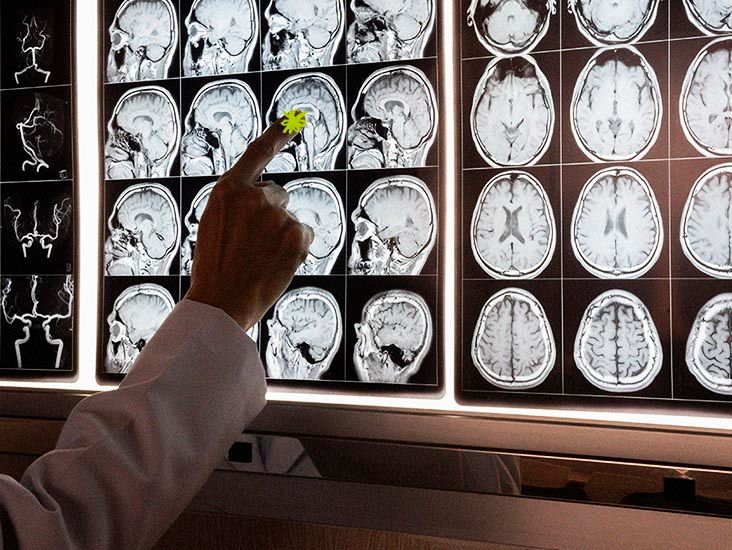
Alzheimer’s disease has never been a simple villain story. It is not one bad protein wearing a tiny black hat and cackling in the hippocampus. Instead, it is more like a messy neighborhood dispute inside the brain: amyloid plaques pile up between nerve cells, tau tangles disrupt the inner scaffolding of neurons, immune cells become irritated, inflammation rises, and the brain’s cleanup crew starts looking like it needs a cleanup crew of its own.
Now, one especially interesting line of research is adding another character to the plot: brain cholesterol. More specifically, scientists are studying whether a fatty form of cholesterol called cholesteryl esters builds up in connection with tau pathology and whether clearing that buildup could reduce Alzheimer’s-like brain damage. The idea sounds simple enough for a refrigerator magnet: clear the gunk, protect the brain. The science, of course, is more complicated. Science loves making refrigerator magnets sweat.
The short version is this: in mouse studies, researchers found that tau buildup was linked to abnormal accumulation of cholesteryl esters inside microglia, the brain’s immune cells. When researchers used an experimental approach to help remove those lipids, the mice showed less brain shrinkage, lower inflammation, fewer tau-related problems, and better behavior compared with untreated mice. That does not mean a human treatment is ready. It does mean researchers may have found a promising new target in the long fight against Alzheimer’s disease.
What Alzheimer’s Disease Does to the Brain
Alzheimer’s disease is the most common cause of dementia, and it gradually damages memory, thinking, behavior, and the ability to handle everyday tasks. In many people, early symptoms include forgetting recent conversations, misplacing items, struggling with bills, repeating questions, or getting confused in familiar places. As the condition progresses, it can affect language, judgment, mood, personality, sleep, mobility, and independence.
At the biological level, Alzheimer’s is strongly associated with two abnormal protein changes: beta-amyloid plaques and tau tangles. Amyloid plaques collect outside neurons, while tau tangles form inside neurons. If amyloid plaques are like traffic jams between brain cells, tau tangles are like the road supports collapsing from within. Neither situation is great for smooth mental transportation.
Tau is not bad by default. In a healthy brain, tau helps stabilize structures inside neurons called microtubules, which act like tiny transport tracks. Nutrients and other materials move along these tracks to keep cells functioning. But in Alzheimer’s and some related dementias, tau changes shape, becomes abnormal, and forms tangles. These tangles interfere with cell function and are closely tied to brain cell damage and cognitive decline.
Why Tau Matters So Much
For many years, amyloid received most of the public attention in Alzheimer’s research. That made sense because amyloid can appear early and is a major disease hallmark. But tau has become an equally important focus because tau burden often tracks closely with where brain degeneration occurs and how severe symptoms become.
Think of amyloid as an early alarm bell and tau as the spreading electrical fire. The alarm matters, but the fire causes the damage. That comparison is imperfect, as all analogies are, but it helps explain why researchers are excited about treatments that may influence tau-related injury, inflammation, and neuron loss.
The new cholesterol-related research does not suggest that tau works alone. Alzheimer’s is a network disease involving proteins, immune activity, blood vessels, genetics, metabolism, and aging. But the connection between tau and lipid buildup may help explain why some brain regions become inflamed and damaged after tau begins accumulating.
Brain Cholesterol Is Not the Same as Blood Cholesterol
When most people hear “cholesterol,” they think of blood test numbers, statin commercials, and that one uncle who says bacon is a food group. But brain cholesterol is different from the cholesterol measured in routine bloodwork.
The brain makes much of its own cholesterol because the blood-brain barrier limits how much cholesterol from the bloodstream enters brain tissue. Cholesterol is essential for healthy brain function. It helps build cell membranes, supports nerve insulation, and assists communication between neurons. In other words, cholesterol is not automatically the enemy. The problem is not cholesterol existing; the problem is cholesterol being mishandled, stored in the wrong form, or trapped in the wrong cells at the wrong time.
That is where cholesteryl esters come in. Cholesteryl esters are storage forms of cholesterol. In the Washington University mouse research, tau pathology was linked with the buildup of these fatty molecules inside microglia. Microglia are supposed to act like brain security guards, garbage collectors, and emergency responders. But when they fill with excess lipids, they may become less helpful and more inflammatory.
Microglia: The Brain’s Cleanup Crew With a Temper
Microglia are immune cells that patrol the brain. When things are working well, they help clear debris, respond to injury, support synapses, and maintain a healthy environment. They are the tiny janitors of the nervous system, except they carry molecular walkie-talkies and sometimes overreact like someone touched the thermostat.
In Alzheimer’s disease, microglia can become chronically activated. At first, activation may be protective. The brain sees abnormal proteins and tries to respond. But long-term activation can turn harmful. Instead of quietly cleaning up, microglia may release inflammatory chemicals, damage nearby cells, and contribute to a cycle of neurodegeneration.
The tau-linked cholesterol study suggests that lipid-loaded microglia may be part of this cycle. When microglia become packed with cholesteryl esters, they may lose some of their normal cleanup ability and become more inflammatory. This matters because inflammation is increasingly viewed as a major driver of Alzheimer’s progression, not just background noise.
What the Mouse Study Found
Researchers studied mice genetically engineered to develop tau-related neurodegeneration. Some of these mice also carried human versions of the APOE gene, including APOE3 and APOE4. APOE is important because it helps transport cholesterol and other lipids. APOE4 is the strongest common genetic risk factor for late-onset Alzheimer’s disease, although having APOE4 does not mean a person will definitely develop the condition.
In the mice with tau buildup and APOE4, researchers found abnormal lipid metabolism in damaged brain areas. Microglia in these areas were filled with cholesteryl esters. The finding was striking because it connected three important Alzheimer’s themes: tau pathology, APOE genetics, and lipid handling.
The researchers then tested an experimental drug strategy designed to lower lipid levels in cells. The compound activated pathways that help move cholesterol and other fats out of cells, including through a gene called ABCA1, which supports lipid transport. Treated mice had less lipid buildup, reduced inflammation, lower tau-related damage, less synapse loss, and better preservation of brain volume. They also performed better on behavioral tasks, including nest building, which is a surprisingly useful measure in mice. A mouse that builds a poor nest may be telling researchers something is wrong. A mouse that builds a lovely nest is basically the HGTV host of the cage.
Why This Could Be Important for Future Alzheimer’s Treatments
Current Alzheimer’s treatments include medications that may temporarily improve symptoms and newer disease-modifying therapies that target amyloid in certain early-stage patients. These treatments are meaningful, but they are not cures. They also do not address every disease pathway involved in Alzheimer’s.
A therapy that safely improves lipid clearance in brain immune cells could open another treatment lane. Instead of only targeting amyloid plaques or tau tangles directly, future drugs might help restore the brain environment around those proteins. That could mean calming harmful inflammation, improving microglial function, protecting synapses, and slowing downstream damage.
This approach is especially interesting because it may intersect with APOE biology. Since APOE helps move lipids, and APOE4 is tied to Alzheimer’s risk, improving lipid transport in the brain may be particularly relevant for people with APOE4-related vulnerability. However, that idea still needs careful testing in humans.
The Big Caution: This Is Not Ready for Human Treatment
The most important sentence in this entire article may be this one: the experimental compound used in the mouse study is not suitable for people. The class of drugs involved can affect lipid metabolism in the liver and may cause serious side effects, including fatty liver problems. So no, this is not a green light to experiment with supplements, cholesterol drugs, detox plans, or anything sold by a guy online who calls himself “Brain Wizard 9000.”
Mouse studies are valuable because they help researchers test mechanisms in living systems. But mice are not tiny humans in fur coats. Many Alzheimer’s treatments that looked promising in mice have failed in human trials. Human Alzheimer’s disease develops over decades, involves enormous biological complexity, and varies widely from person to person.
The research is exciting because it identifies a possible therapeutic pathway, not because it gives people a ready-made treatment. The next challenge is finding a way to clear harmful lipid buildup in brain cells without damaging the liver or causing other unacceptable effects. Researchers may explore safer drugs, targeted delivery systems, gene-based strategies, or treatments that activate lipid-clearing pathways more precisely.
Does Lowering Blood Cholesterol Help Alzheimer’s?
This is where the conversation gets tricky. Healthy cholesterol management is important for heart and blood vessel health, and vascular health matters for brain health. High blood pressure, diabetes, smoking, inactivity, and cardiovascular disease are all linked with higher dementia risk. Managing LDL cholesterol may help reduce stroke and vascular injury, both of which can worsen cognitive decline.
But the tau-linked cholesterol buildup discussed here is not the same as ordinary blood cholesterol. The study focused on cholesteryl esters inside brain immune cells, not cholesterol floating through the bloodstream after a cheeseburger. Statins and other cholesterol-lowering medications may be appropriate for many people based on cardiovascular risk, but they should not be viewed as proven Alzheimer’s cures.
The best interpretation is balanced: heart health and brain health are deeply connected, but brain cholesterol metabolism is its own specialized system. Taking care of blood pressure, blood sugar, cholesterol, sleep, hearing, exercise, and smoking status can support long-term brain health. Still, clearing tau-linked cholesteryl esters inside microglia is a specific research target that will require specialized medical development.
How This Fits With Modern Alzheimer’s Diagnosis
Alzheimer’s diagnosis is changing quickly. In the past, doctors often relied on symptoms, cognitive testing, medical history, and ruling out other causes of memory problems. Today, specialists can use biomarkers to detect amyloid and tau changes through PET scans, cerebrospinal fluid testing, and, increasingly, blood-based tests.
Blood tests measuring forms of tau and amyloid are becoming more important because they may make diagnosis easier and less invasive for people with cognitive symptoms. These tests are not meant for casual screening at home, and they must be interpreted with clinical evaluation. Still, the rise of biomarkers shows how Alzheimer’s care is moving from a symptom-only model toward a biology-informed model.
That matters for future cholesterol-clearing therapies. If researchers eventually develop a safe treatment that targets lipid buildup in tau-related disease, doctors will need accurate ways to identify who might benefit. Biomarkers could help match the right treatment to the right patient at the right stage.
What People Can Do Now for Brain Health
While scientists work on future treatments, there are practical steps people can take today to support brain health. These steps do not guarantee prevention, and they do not reverse Alzheimer’s disease. But they are supported by broad evidence for lowering dementia risk or slowing cognitive decline in some people.
Stay Physically Active
Regular movement supports blood flow, metabolism, mood, sleep, and cardiovascular health. Walking, swimming, cycling, resistance training, dancing, and even active gardening can all count. The brain does not require Olympic-level heroics. It appreciates consistency more than drama.
Protect the Heart to Protect the Brain
High blood pressure, diabetes, obesity, smoking, and unhealthy cholesterol patterns can damage blood vessels and reduce brain resilience. Managing these conditions with a healthcare provider may help lower risk for cognitive decline.
Prioritize Sleep
Poor sleep can worsen memory, mood, inflammation, and metabolic health. Sleep disorders such as sleep apnea should be evaluated because untreated sleep apnea may strain both the heart and brain.
Address Hearing Loss
Hearing loss is a major modifiable dementia risk factor. When hearing becomes difficult, the brain has to work harder to decode sound, and people may become less socially engaged. Hearing evaluation and hearing aids, when needed, can be brain-friendly tools.
Eat for Vascular and Metabolic Health
A diet rich in vegetables, fruits, beans, whole grains, nuts, fish, olive oil, and lean proteins can support heart and brain health. The goal is not a joyless plate of steamed sadness. The goal is a pattern that keeps blood vessels, metabolism, and inflammation in better shape over time.
Experiences and Reflections: What This Research Means in Real Life
For families affected by Alzheimer’s, every promising headline lands with a mix of hope and caution. Hope says, “Maybe this is the breakthrough.” Caution says, “We have heard that before.” Both reactions are understandable. Alzheimer’s is not an abstract disease when someone you love starts asking the same question four times in ten minutes, forgets a familiar recipe, or becomes anxious in a room they have lived in for years. It is deeply personal, sometimes exhausting, and often heartbreaking.
Imagine an adult daughter caring for her father in the early stages of Alzheimer’s. He still recognizes everyone, still tells jokes, and still insists he makes the best coffee in the family, even though he now occasionally forgets to put coffee grounds in the machine. She reads about tau-linked brain cholesterol and wonders if this could help him. That is a natural response. Research gives families language for what is happening and hope that future care may be more precise. But it also raises difficult questions: How soon could this become a treatment? Would it work in people? Would it help someone already diagnosed? Would it be safe?
The honest answer is that no one knows yet. This research is a step, not the finish line. Still, steps matter. Alzheimer’s progress rarely arrives as one dramatic lightning bolt. It often comes as a series of careful discoveries: a better biomarker, a clearer mechanism, a safer drug target, a more accurate trial design. The tau-cholesteryl ester connection may become one of those stepping stones.
For caregivers, the practical lesson is not to chase experimental solutions but to stay engaged with reliable medical care. If memory changes appear, early evaluation matters. Some causes of confusion, such as thyroid problems, vitamin deficiencies, medication side effects, sleep disorders, depression, or infections, may be treatable. If Alzheimer’s is the cause, early diagnosis can help families plan, consider approved treatment options, join clinical trials, and create routines that reduce stress.
Daily life also matters. A person with Alzheimer’s may benefit from predictable schedules, labeled drawers, medication organizers, safe walking routes, simplified choices, and calm communication. Caregivers often learn that arguing with the disease does not work. If Mom insists she has already eaten lunch when she has not, a gentle reset usually works better than a courtroom cross-examination. Alzheimer’s does not care who wins the debate; it already misplaced the evidence.
Research about brain cholesterol also offers a broader emotional lesson: Alzheimer’s is biological, not a character flaw. When a loved one becomes irritable, forgetful, suspicious, or withdrawn, it can feel personal. But inside the brain, proteins, immune cells, lipids, synapses, and inflammatory signals are changing. Understanding that biology can make compassion easier. It does not remove the burden, but it can soften the blame.
For people worried about their own risk, this research is a reminder to take brain health seriously without panicking. You cannot change your age or rewrite your genes, but you can manage blood pressure, move your body, treat hearing loss, sleep better, avoid smoking, stay socially connected, and talk with a clinician about cardiovascular risk. These actions may not sound as futuristic as clearing cholesteryl esters from microglia, but they are available today. Sometimes the most advanced brain strategy begins with a walk, a checkup, and finally using the hearing aids sitting in the drawer.
Conclusion
The discovery that tau pathology may be linked to cholesteryl ester buildup in brain immune cells gives Alzheimer’s researchers a promising new target. In mouse models, helping cells clear this fatty buildup reduced inflammation, tau-related damage, brain shrinkage, and behavioral problems. That is encouraging, especially because it connects tau, APOE genetics, microglia, and lipid metabolism into one testable pathway.
But the science is still early. The experimental compound used in the study is not safe for human use, and no one should treat this as a do-it-yourself cholesterol-clearing plan. The real value of the research is that it points toward future therapies that may protect the brain by improving how immune cells handle lipids. In the meantime, the best brain-health plan remains beautifully unglamorous: protect your heart, move regularly, manage medical risks, sleep well, stay connected, and seek medical advice when memory changes interfere with daily life.
Note: This article is for educational purposes only and should not replace medical advice, diagnosis, or treatment from a qualified healthcare professional.