

Note: This article is written for educational skincare content and general beauty guidance. It does not replace advice from a dermatologist or healthcare professional, especially for persistent irritation, eczema, allergic reactions, cracked skin, or painful dryness.
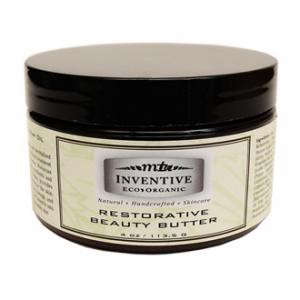
Restorative Beauty Butter sounds like something a fairy godmother would keep next to her emergency glitter, but in real-life skincare, it is much more practical: a rich, cushiony body moisturizer designed to comfort dry skin, soften rough texture, and help your skin barrier feel less like a stale cracker. Unlike lightweight lotions that disappear faster than your motivation on Monday morning, a good beauty butter stays around. It coats, conditions, and gives dry areas the kind of slow, steady moisture they have been begging for.
The phrase “Restorative Beauty Butter” can describe a deeply nourishing body butter made with ingredients such as shea butter, cocoa butter, mango butter, glycerin, jojoba oil, ceramides, dimethicone, petrolatum, squalane, vitamin E, and soothing botanicals. The best formulas are not just thick for dramatic effect. They work because they combine three important moisturizer categories: humectants that attract water, emollients that soften and smooth, and occlusives that help seal hydration in place.
In other words, restorative beauty butter is not just “lotion wearing a winter coat.” It is a richer skincare product built for people who want longer-lasting softness, a more comfortable skin feel, and a little spa-level luxury without needing to whisper “self-care” while lighting twelve candles.
What Is Restorative Beauty Butter?
Restorative Beauty Butter is a dense, creamy body moisturizer formulated to support dry, dull, flaky, or rough-feeling skin. While a lotion usually contains more water and has a lighter texture, body butter is typically richer in oils and plant butters. That extra richness makes it especially useful for dry elbows, knees, heels, hands, legs, and any area that feels tight after bathing.
The word “restorative” matters. It suggests more than temporary softness. A restorative formula should help skin feel replenished by supporting the outer barrier, reducing the look of dryness, and improving comfort after repeated use. Skin’s outer layer works like a protective brick wall. The skin cells are the bricks, and lipids act like mortar. When that “mortar” is depleted by hot showers, dry air, harsh soap, over-exfoliation, or cold weather, skin can feel rough, itchy, tight, or flaky. A well-formulated beauty butter helps reinforce that surface by adding moisturizing ingredients and slowing water loss.
Why Skin Loves Rich Beauty Butters
Dry skin is not just a cosmetic issue. It can feel uncomfortable, make makeup or self-tanner apply unevenly, and cause legs to look ashy even five minutes after moisturizing. The right butter helps by creating a flexible layer of comfort on the skin. Think of it as giving your skin a soft sweater, except it does not shrink in the dryer.
1. It Helps Lock In Moisture
Body butter is most effective when applied after a shower or bath while the skin is still slightly damp. Damp skin already has water on the surface, and the butter helps trap that water before it evaporates. This is why many dermatology-style routines recommend moisturizing soon after washing. Waiting too long can leave skin dry again, forcing your moisturizer to work harder than a group project partner who actually cares.
2. It Softens Rough Texture
Plant butters and emollient oils help smooth the surface of the skin. Shea butter, cocoa butter, mango butter, sunflower oil, jojoba oil, and squalane are common choices because they create slip and reduce that sandpaper feeling on areas like knees, elbows, and heels. For people with “lizard leg season” during winter, this can be a small miracle in a jar.
3. It Supports the Skin Barrier
A compromised barrier can make skin feel more sensitive, dry, and easily irritated. Ingredients such as ceramides, cholesterol, fatty acids, niacinamide, petrolatum, dimethicone, and shea butter are often used in barrier-supporting moisturizers. A good restorative beauty butter does not need to promise magic. It just needs to consistently help skin feel calmer, smoother, and better protected.
4. It Makes Self-Care Feel Less Complicated
Skincare routines can become crowded quickly. There are acids, serums, masks, oils, sprays, toners, essences, tools, and tiny spoons that look like they belong in a dollhouse. Restorative Beauty Butter keeps things simple: cleanse gently, pat dry, apply butter, move on with your life. No 17-step ceremony required.
Key Ingredients in a Good Restorative Beauty Butter
The ingredient list is where the real personality of a beauty butter shows up. A pretty jar is nice, but your skin cannot moisturize itself with typography. Here are the ingredients worth looking for.
Shea Butter
Shea butter is one of the most popular ingredients in rich moisturizers because it is packed with fatty components that help condition and soften the skin. It has a creamy feel, works well on rough body areas, and blends beautifully with oils. For a restorative beauty butter, shea butter is often the star ingredient because it gives that plush, nourishing texture people expect from a “butter.”
Cocoa Butter
Cocoa butter is thicker, firmer, and naturally aromatic. It helps create a protective feel on the skin and gives formulas a luxurious texture. It can be especially appealing in body butters designed for legs, arms, and areas that need a longer-lasting coating. However, because it is rich, some people prefer to avoid using heavy cocoa butter formulas on acne-prone areas like the chest or back.
Mango Butter
Mango butter is often lighter than cocoa butter and can give a smoother glide. It is popular in modern body butter formulas because it feels rich without always feeling overly greasy. It pairs well with shea butter for a soft, whipped texture.
Glycerin and Hyaluronic Acid
Glycerin and hyaluronic acid are humectants, which means they help attract water. In a body butter, humectants are especially useful when paired with occlusive ingredients. Humectants bring hydration to the party; occlusives lock the door so hydration does not sneak out early.
Ceramides
Ceramides are lipids naturally found in the skin barrier. In moisturizers, they are used to help support the skin’s protective surface. A restorative butter with ceramides can be a smart choice for people whose skin feels dry, tight, or easily stressed by seasonal changes.
Dimethicone and Petrolatum
Dimethicone is a silicone that helps create a smooth, protective finish. Petrolatum is a classic occlusive ingredient known for helping reduce moisture loss. In a beauty butter, these ingredients can make the formula more effective for very dry areas. They may not sound as romantic as “wild cloudberry moon nectar,” but they are workhorses. Skincare needs workhorses.
Colloidal Oatmeal
Colloidal oatmeal is often used in products designed for dry or sensitive skin. It can help soothe the feel of irritated, uncomfortable skin and adds a calming angle to restorative body care. It is a great ingredient to look for when your skin is acting dramatic and you do not have time for its one-person theater production.
Who Should Use Restorative Beauty Butter?
Restorative Beauty Butter is ideal for people with dry, rough, flaky, or tight-feeling skin. It is especially helpful during colder months, after frequent handwashing, after shaving, after travel, or whenever indoor heating and air conditioning leave skin feeling depleted.
It can also be useful for people who prefer a richer nighttime body routine. Applying a thick butter before bed gives the product time to sit on the skin without rubbing immediately against jeans, office chairs, or the entire universe. Many people like using body butter on feet with cotton socks, on hands before sleep, or on elbows that have apparently been moonlighting as pumice stones.
However, not everyone needs the richest formula everywhere. If your back or chest breaks out easily, use a lighter moisturizer on those areas and save beauty butter for drier zones. If you have sensitive skin, choose fragrance-free formulas and patch test first. “Smells like a tropical cupcake” is fun until your skin files a formal complaint.
How to Use Restorative Beauty Butter Correctly
Apply After Bathing
The best time to apply body butter is right after a shower or bath. Use warm water instead of hot water, keep bathing time reasonable, and gently pat your skin dry. Then apply the butter while your skin is still slightly damp. This helps seal in surface moisture and makes the product spread more easily.
Use Less Than You Think
Because beauty butter is concentrated, a little often goes a long way. Start with a small scoop, warm it between your palms, and press it onto the skin before massaging. If you apply too much, you may feel slippery enough to escape a difficult conversation.
Focus on Dry Zones
Apply more generously to elbows, knees, heels, shins, hands, and other dry patches. These areas usually tolerate richer textures well. For smoother areas, use a lighter layer.
Pair With Gentle Cleansing
Even the best body butter cannot fully compensate for harsh cleansing. If your body wash leaves your skin squeaky, tight, or itchy, it may be stripping too much oil. Choose a gentle, fragrance-free or low-fragrance cleanser, especially if your skin is sensitive.
Use Sunscreen During the Day
Beauty butter moisturizes, but it does not replace sunscreen unless it specifically contains broad-spectrum SPF and is used correctly. For exposed skin during the day, apply sunscreen as part of your routine. Moisturized skin is lovely; moisturized sun damage is still sun damage.
Restorative Beauty Butter vs. Lotion vs. Cream
Lotions are lightweight and spread quickly. They are great for normal skin, warm weather, and daytime use when you do not want a rich finish. Creams are thicker and usually provide more comfort for dry skin. Body butters are the richest of the three and are best for intense moisture, nighttime use, or targeted dry areas.
The right choice depends on your skin, climate, and tolerance for texture. If you live somewhere humid, a heavy butter may be best as a spot treatment. If you live somewhere cold or dry, it may become your daily best friend. If your skin is extremely dry, a beauty butter can be layered over a hydrating lotion for extra comfort. This is called moisturizing strategically, not “being extra,” although honestly, being extra sometimes works.
Common Mistakes to Avoid
Using It on Completely Dry Skin
Body butter can still soften dry skin, but it works better when applied over damp skin or over a hydrating layer. Otherwise, you may be sealing in dryness instead of moisture.
Choosing Heavy Fragrance When Skin Is Sensitive
Fragrance can make body care feel luxurious, but it can also bother sensitive skin. If you are prone to itching, redness, or irritation, fragrance-free is the safer choice. Unscented is not always the same as fragrance-free, so read labels carefully.
Expecting Overnight Transformation
A good restorative butter can make skin feel better quickly, but lasting improvement comes from consistency. Use it daily for dry areas and give your skin time to respond. Skin is an organ, not a microwave burrito.
Ignoring Signs of a Bigger Problem
If dryness comes with bleeding cracks, intense itching, swelling, rash, infection signs, or pain, do not rely only on cosmetic products. A dermatologist can help identify whether you are dealing with eczema, psoriasis, contact dermatitis, allergy, or another condition that needs targeted care.
How to Choose the Best Restorative Beauty Butter
Look for a formula that matches your skin’s needs. For very dry skin, choose shea butter, petrolatum, dimethicone, ceramides, and glycerin. For sensitive skin, look for fragrance-free, dye-free, and dermatologist-tested options. For a more natural-leaning routine, look for shea butter, mango butter, jojoba oil, sunflower oil, and squalane, but remember that “natural” does not automatically mean non-irritating.
Packaging also matters. Jars are common for body butter, but they expose the product to fingers and air. Always use clean hands or a small spatula. Tubes and pump jars can be more hygienic, though thick formulas may be harder to dispense.
Texture is personal. Some people love a whipped body butter that melts quickly. Others prefer a dense balm that leaves a protective finish. The best product is the one you will actually use consistently. A perfect formula sitting untouched in your bathroom cabinet is just expensive shelf décor.
Restorative Beauty Butter for Different Skin Needs
For Dry Winter Skin
Use a rich butter after every shower, especially on legs, arms, hands, and feet. Add a humidifier if indoor air is very dry. Keep showers short and warm rather than long and hot.
For Rough Elbows and Knees
Apply a generous layer at night. If the skin is not irritated, gentle exfoliation once or twice a week may help the butter spread more smoothly. Avoid aggressive scrubs, because angry elbows do not become smoother by being sandblasted.
For Hands
Frequent handwashing can strip moisture fast. Apply beauty butter after washing and before bed. For an intensive routine, apply a thick layer and wear cotton gloves for 20 to 30 minutes or overnight.
For Feet and Heels
Massage butter into heels after bathing, then wear socks. This helps the product stay in place instead of decorating your floor. For severely cracked heels, consider a dedicated foot cream or professional advice.
Experience Section: Living With Restorative Beauty Butter in Real Life
The first time many people try Restorative Beauty Butter, they make one classic mistake: they use way too much. A small scoop looks innocent, but once it warms between your palms, it spreads like it has plans. Suddenly your legs are glowing, your hands are shiny, and your phone is in immediate danger. The lesson arrives quickly: body butter is not lotion. It is concentrated comfort, and it rewards patience.
One of the best experiences with restorative beauty butter is using it after an evening shower. The skin is warm, slightly damp, and ready to absorb a layer of softness. When the butter melts in, the feeling is different from a regular lotion. Lotion can feel refreshing and quick; butter feels protective and slow. It is the skincare equivalent of switching from a folding chair to a velvet armchair. Your skin does not just feel wet for a moment. It feels cushioned.
Another everyday experience is discovering how useful it is for “problem corners” of the body. Elbows that look dusty no matter how recently you moisturized, knees that feel rough against fabric, hands that get dry from dish soap, and heels that snag on socks all benefit from a richer product. Applying a restorative butter to these areas before bed can make mornings feel noticeably better. You wake up, rub your elbow, and think, “Oh good, I am not slowly turning into a decorative gourd.”
Travel is another moment when beauty butter proves its worth. Airplane cabins, hotel soaps, climate changes, and constant hand sanitizer can make skin feel tight and fussy. A small container of body butter can become a rescue product for hands, cuticles, elbows, and dry patches. It is especially helpful after washing hands in airport bathrooms, where the soap sometimes feels like it was formulated by a committee of sandpaper enthusiasts.
Seasonal use is also common. In summer, some people only use beauty butter on feet, knees, and elbows because the weather is humid. In winter, it becomes a full-body routine. Cold air outside and heated air inside can leave skin feeling dry even when you drink water and use a normal lotion. A restorative butter adds the extra sealing power that lighter products may not provide.
There is also a mood benefit, even though it is not a medical claim. The ritual of applying body butter can feel grounding. You slow down for three minutes, massage tired legs, take care of your hands, and pay attention to areas you usually ignore. It turns basic moisturizing into a small act of maintenance and kindness. That matters. Not every beauty product needs to transform your life. Sometimes it just needs to make your skin feel comfortable and remind you that you are allowed to take up space in your own routine.
The best experience comes when the formula fits your lifestyle. If you hate greasy textures, choose a whipped butter or one with a more elegant dry-down. If you love a glossy finish, choose a richer balm-like butter. If you are sensitive, go fragrance-free. If you enjoy scent, use fragranced versions on areas that tolerate them well. Restorative Beauty Butter is not one single rule; it is a category of comfort. Used well, it can become the product you reach for when your skin is tired, dull, dry, or simply asking for a little extra attention.
Conclusion
Restorative Beauty Butter is a rich, nourishing moisturizer designed for skin that needs more than a quick splash of lotion. With the right blend of humectants, emollients, and occlusives, it can help soften rough texture, support the skin barrier, and make dry areas feel more comfortable. The best formulas use proven moisturizing ingredients like shea butter, glycerin, ceramides, dimethicone, petrolatum, jojoba oil, mango butter, and colloidal oatmeal without leaning on exaggerated miracle claims.
For the best results, apply it after bathing, use it consistently, focus on dry zones, and choose fragrance-free options if your skin is sensitive. Restorative Beauty Butter is not about chasing perfect skin. It is about giving your skin practical care, a little luxury, and a much-needed break from feeling like it has been personally victimized by weather, soap, and time.