

Note: This article is written for educational and shopping guidance only. Breastfeeding and pumping needs can vary widely, so parents should consult a pediatrician, OB-GYN, lactation consultant, or qualified healthcare professional for personal medical advice.
Finding the Best Breast Pump Without Losing Your Mind
Choosing the best breast pump can feel strangely similar to buying a car, except the “engine” is suction, the “trunk space” is milk storage, and somehow everyone on the internet has a very passionate opinion. Some parents swear by a plug-in double electric pump. Others will not leave home without a wearable pump tucked into a bra. A few minimalist legends keep a manual pump in the diaper bag and call it a day.
The truth is simple: the best breast pump is the one that fits your body, schedule, budget, milk supply goals, and tolerance for washing tiny plastic parts at midnight. There is no single perfect pump for every parent, but there are clear winners for different situations. A working parent who pumps several times a day may need a strong double electric pump. A parent who travels often may love a portable rechargeable model. Someone who only pumps occasionally may be perfectly happy with a manual pump that costs less than a fancy dinner.
This guide breaks down the best breast pumps by category, explains what features actually matter, and shares practical experience-based tips so you can shop with confidence instead of falling into a 47-tab research spiral. We have all been there. The tabs multiply. The pump names blur. Suddenly you are comparing flange sizes like you are preparing for a final exam.
What Is a Breast Pump?
A breast pump is a medical device designed to express breast milk. Parents may use one to build a milk supply, store milk for later, relieve engorgement, support feeding when baby has latch challenges, or continue providing breast milk while away from the baby. Breast pumps come in several types, including manual pumps, battery-powered pumps, electric pumps, wearable pumps, and rental multi-user pumps often used in hospitals or lactation support settings.
Modern pumps have become more comfortable and more customizable than older models. Many now include adjustable suction levels, stimulation and expression modes, rechargeable batteries, app tracking, quieter motors, and compact designs. Still, the basics matter most: comfort, effective milk removal, correct flange fit, easy cleaning, reliable suction, and replacement parts that are not impossible to find.
Best Breast Pumps by Category
Best Overall Breast Pump: Spectra S1 Plus
The Spectra S1 Plus is one of the most recommended breast pumps for a reason. It is powerful, dependable, relatively quiet, and rechargeable. That battery is not just a nice bonus; it is the difference between being stuck beside an outlet and being able to pump on the couch, in the car, or while pretending you have your life organized.
The Spectra S1 Plus is a double electric breast pump with adjustable suction and cycle settings. It also uses a closed system with backflow protection, which helps keep milk from entering the tubing. Many parents appreciate its gentle but effective suction, especially compared with pumps that feel like they are auditioning for a construction site.
Best for: daily pumping, working parents, exclusive pumpers, parents who want a strong home pump with portability.
Why it stands out: rechargeable battery, customizable settings, quiet operation, strong performance, and a reputation for comfort.
Best Plug-In Breast Pump: Spectra S2 Plus
The Spectra S2 Plus is similar to the S1 but usually costs less because it does not include a rechargeable battery. It must be plugged in during use. For parents who mostly pump at home or near an outlet, the S2 can be an excellent value.
Like the S1, it offers adjustable suction settings, a letdown mode, and a closed system. It is often available through insurance, which makes it a popular first pump for new parents. The main downside is the lack of cordless freedom. If your dream is pacing around the kitchen while pumping, this may not be your dream pump. If your goal is reliable milk expression from a sturdy machine, it deserves a top spot.
Best for: home pumping, budget-conscious parents, insurance-covered pump options.
Why it stands out: strong suction, good comfort, reliable design, and excellent value.
Best Wearable Breast Pump: Willow Go
Wearable breast pumps are designed to sit inside a bra, letting parents pump hands-free without traditional bottles hanging from the chest. The Willow Go is a popular wearable option because it combines portability, strong suction, and a more flexible price point than some premium wearable pumps.
Wearable pumps are not always as powerful as traditional double electric pumps, but they can be life-changing for multitasking. They are useful for commuting, working at a desk, doing light chores, or pumping when privacy and mobility matter. The Willow Go has a reusable container system and adjustable suction levels, making it a practical pick for parents who want convenience without giving up too much performance.
Best for: busy parents, pumping at work, commuting, hands-free pumping.
Why it stands out: wearable design, good suction for its category, reusable containers, and app-connected features.
Best Premium Wearable Breast Pump: Elvie Pump
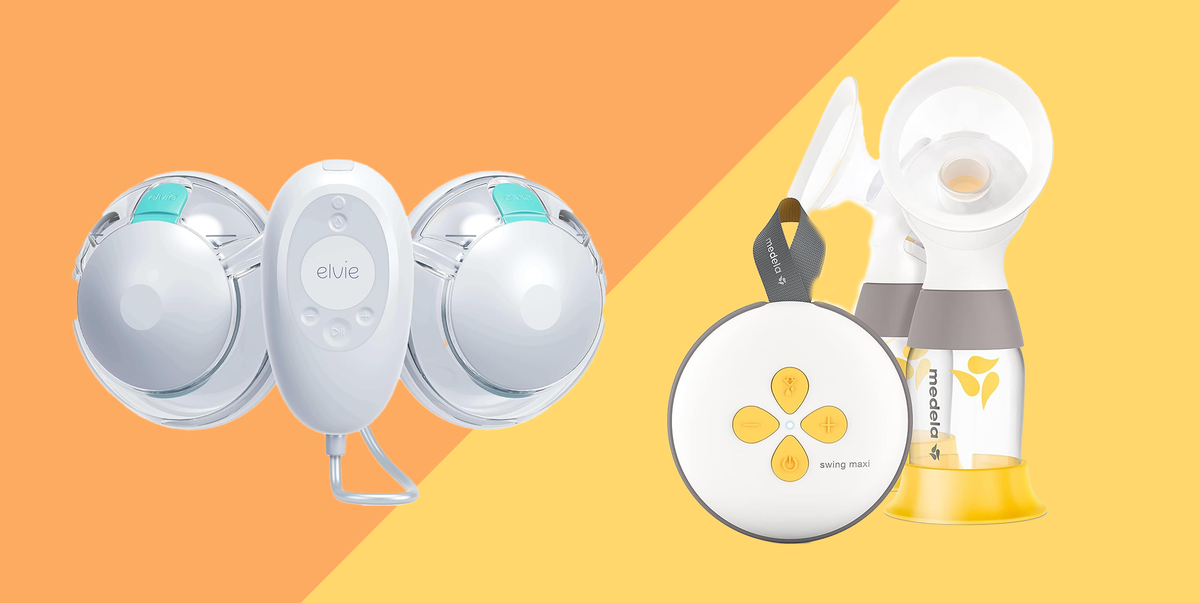
The Elvie Pump is sleek, quiet, and discreet. It is one of the most recognizable wearable breast pumps and is loved by many parents who want a low-profile pumping experience. It fits inside a bra and collects milk in built-in bottles, making it much less bulky than traditional pump setups.
That said, premium wearables can be expensive, and app-based milk tracking may not always be perfectly accurate. The Elvie is best for parents who prioritize quiet operation, portability, and design. It may not be the best choice as the only pump for someone who needs maximum output multiple times per day, but it can be an excellent secondary pump or primary pump for the right user.
Best for: discreet pumping, office use, travel, parents who value quiet technology.
Why it stands out: compact design, quiet motor, wearable convenience, and premium feel.
Best Budget Wearable Breast Pump: Momcozy M5
The Momcozy M5 has become a popular affordable wearable breast pump for parents who want hands-free pumping without spending premium wearable prices. It offers multiple suction modes and levels, a compact cup-style design, and a relatively accessible price.
Budget wearables may not feel as polished as high-end models, but they can offer impressive convenience. The Momcozy M5 is especially appealing as a secondary pump for parents who already have a strong plug-in pump but want something easier for movement, errands, or work breaks.
Best for: affordable hands-free pumping, secondary pump use, parents testing wearable pumps for the first time.
Why it stands out: lower price, wearable design, multiple settings, and strong value.
Best Portable Breast Pump: BabyBuddha 2.0
The BabyBuddha 2.0 is a compact portable pump known for strong suction in a small package. Unlike fully wearable pumps, it uses external collection cups or bottles, but the motor is small enough to wear on a lanyard or clip to clothing. Think of it as the tiny but mighty gym coach of breast pumps.
Parents who respond well to stronger suction often appreciate the BabyBuddha, but sensitive users may need to start slowly. It is a strong option for experienced pumpers, exclusive pumpers, or anyone who wants hospital-style power without dragging around a larger machine.
Best for: portable power, experienced pumpers, parents who need strong suction on the go.
Why it stands out: compact motor, powerful suction, rechargeable design, and flexible setup options.
Best Easy-to-Use Pump for Beginners: Lansinoh Smartpump 3.0
The Lansinoh Smartpump 3.0 is a user-friendly double electric pump that works well for parents who want a straightforward setup. It includes adjustable suction levels, multiple pumping styles, and app connectivity for tracking sessions.
One reason beginners may like this pump is that it does not feel overly complicated. When you are sleep-deprived and holding a bottle in one hand while trying to remember where you put the burp cloth, simple controls matter. A pump should not require a technical support hotline and emotional recovery snacks.
Best for: first-time pump users, occasional to moderate pumping, simple tracking.
Why it stands out: easy controls, comfortable settings, app features, and beginner-friendly design.
Best Manual Breast Pump: Medela Harmony
The Medela Harmony is a classic manual breast pump that is small, lightweight, and useful for occasional pumping. It is not meant to replace a double electric pump for frequent daily sessions, but it is excellent as a backup or travel pump.
Manual pumps are quiet, affordable, and do not need charging. They are great for quick relief, short outings, or keeping in a diaper bag. The trade-off is effort. Your hand does the work, and after a while, your hand may file a formal complaint.
Best for: occasional pumping, travel, backup use, quick relief.
Why it stands out: compact size, low price, no battery needed, and simple operation.
Best Milk Collector: Haakaa Silicone Pump
The Haakaa is not a traditional electric or manual pump. It is a silicone milk collector that uses gentle suction to catch letdown milk, often on one side while baby nurses on the other. Many parents love it because it is simple, inexpensive, and easy to clean.
It is not designed for full pumping sessions or building a major freezer stash on its own, but it can help reduce waste and collect milk that might otherwise end up in a nursing pad. For such a simple tool, it has earned a loyal following.
Best for: catching letdown, occasional milk collection, simple breastfeeding support.
Why it stands out: affordable, silent, easy to clean, and extremely portable.
How to Choose the Best Breast Pump
Think About How Often You Will Pump
If you plan to pump once in a while, a manual pump or basic electric pump may be enough. If you are returning to work, exclusively pumping, or building a regular milk supply, a double electric pump is usually more efficient. A wearable pump can be helpful, but many parents still prefer a traditional pump for their main sessions because it may empty the breasts more effectively.
Check Flange Size Carefully
Flange fit is one of the most important parts of pumping comfort and output. A flange that is too small can pinch. A flange that is too large can pull in too much areola and reduce efficiency. Many pumps come with standard sizes, but not every body is standard. Measuring nipple size and using the correct flange or insert can make pumping more comfortable and productive.
Look at Suction and Cycle Adjustability
The best breast pumps allow you to adjust suction strength and cycle speed. Stronger suction does not automatically mean more milk. In fact, suction that is too high can hurt and may reduce letdown. Comfort matters. A good pump should mimic a baby’s feeding rhythm with a faster stimulation mode and a slower expression mode.
Consider Cleaning Time
Every pump has parts that touch milk, and those parts need proper cleaning. Traditional pumps may have bottles, valves, flanges, membranes, and connectors. Wearable pumps may have cups, seals, valves, and containers. Before buying, look at how many pieces must be washed after each session. A pump with seven tiny parts may be wonderful until you are washing them at 2:13 a.m. while questioning your entire kitchen organization system.
Decide Whether Portability Matters
If you mainly pump at home, a plug-in pump may work beautifully. If you pump at work, travel, commute, or move around often, a rechargeable pump or wearable pump may be worth the extra cost. Portability is not just about size; it is also about battery life, carrying case, noise level, and how easy it is to pour milk without spilling.
Check Insurance Coverage
Many health insurance plans in the United States cover breast pumps, though the covered models and timing can vary. Some plans provide a pump before birth, while others require delivery first. Some cover manual pumps, standard electric pumps, rentals, or upgrades with an out-of-pocket cost. It is smart to check coverage early, especially if you have a specific pump in mind.
Types of Breast Pumps Explained
Manual Breast Pumps
Manual breast pumps are operated by hand. They are affordable, quiet, and portable. They are best for occasional pumping, travel, or backup use. The downside is that they require physical effort and are less efficient for frequent full pumping sessions.
Single Electric Breast Pumps
Single electric pumps express milk from one breast at a time. They may be useful for occasional use, but they are slower than double electric pumps. For parents who pump regularly, saving time can be a major advantage, which makes double pumping more appealing.
Double Electric Breast Pumps
Double electric pumps express milk from both breasts at once. They are usually the best choice for regular pumping, work schedules, and exclusive pumping. They can be plug-in, rechargeable, or portable. A strong double electric pump is often the most practical “main pump.”
Wearable Breast Pumps
Wearable pumps fit inside a bra and allow hands-free pumping. They are convenient and discreet, but they may have smaller milk containers, more parts to clean, and a higher price. Some parents get excellent output with wearables, while others find they work better as a secondary pump.
Multi-User Rental Pumps
Multi-user pumps are often used in hospitals or rented through medical suppliers. They are designed for safe use by more than one person when used with personal collection kits. These pumps may be recommended for special situations, such as establishing supply, premature infants, or medical feeding challenges.
Safety and Hygiene Tips for Pumping
Because breast milk is food for a baby, safe handling matters. Wash your hands before pumping. Clean pump parts that touch milk after each use. Air-dry parts thoroughly on a clean surface. Avoid washing pump parts directly in a sink that may contain germs from food or dishes; using a dedicated wash basin is safer.
Freshly expressed milk is commonly stored at room temperature for up to four hours, in the refrigerator for up to four days, and in the freezer for about six months for best quality. Always label milk with the date, store it in clean containers, and place it toward the back of the refrigerator or freezer where temperatures stay more stable.
Be cautious with secondhand pumps. Many personal-use breast pumps are designed for one user only. Unless a pump is specifically made as a multi-user device, sharing it may create hygiene and safety concerns. A cheap used pump may not be a bargain if it comes with invisible risks and worn-out suction.
Best Breast Pump Accessories Worth Considering
Extra Pump Parts
Extra valves, membranes, flanges, and connectors can save the day. Pump parts wear out over time, and worn parts can reduce suction. Having backups also means you are not forced to wash the same parts immediately after every session.
Pumping Bra
A hands-free pumping bra can make traditional pumps much easier to use. It holds flanges in place so you can read, work, snack, or stare silently into space for a few peaceful minutes.
Milk Storage Bags or Bottles
Storage bags are useful for freezing milk flat and saving space. Bottles are helpful for refrigeration and feeding. Choose containers designed for breast milk storage, label them clearly, and avoid overfilling freezer bags because liquids expand when frozen.
Cooler Bag and Ice Packs
A cooler bag is useful for work, travel, daycare drop-offs, and errands. If you pump away from home, this accessory quickly moves from “nice to have” to “where has this been all my life?”
Common Breast Pump Mistakes to Avoid
Using Too Much Suction
Higher suction does not always mean higher output. Pumping should feel like firm tugging, not pain. If pumping hurts, lower the suction, check flange size, and consider asking a lactation consultant for help.
Ignoring Replacement Parts
Valves and membranes can wear down and reduce suction. If output suddenly drops and nothing else has changed, worn parts may be the sneaky little villains.
Skipping the Manual
Every pump works differently. Reading the instructions may not be glamorous, but it can prevent setup errors, cleaning mistakes, and unnecessary frustration. Yes, the manual is boring. Read it anyway. Your future self may send flowers.
Expecting a Wearable Pump to Solve Everything
Wearable pumps are convenient, but they are not magic. Some parents get excellent results; others need a stronger traditional pump for full sessions. The best setup may be one main pump plus one portable or wearable option.
Best Breast Pumps: Quick Comparison
| Pump | Best For | Type | Key Advantage |
|---|---|---|---|
| Spectra S1 Plus | Overall daily use | Double electric | Rechargeable, strong, quiet |
| Spectra S2 Plus | Home pumping | Double electric | Reliable and often insurance-covered |
| Willow Go | Wearable pumping | Wearable electric | Hands-free convenience |
| Elvie Pump | Quiet premium wearable use | Wearable electric | Discreet and compact |
| Momcozy M5 | Budget wearable option | Wearable electric | Affordable hands-free pumping |
| BabyBuddha 2.0 | Portable power | Portable electric | Small motor with strong suction |
| Medela Harmony | Occasional pumping | Manual | Simple, quiet, inexpensive |
| Haakaa Silicone Pump | Letdown collection | Silicone milk collector | Easy and low-cost |
Experience-Based Tips for Choosing and Using the Best Breast Pump
Real-life pumping is not always as tidy as product photos suggest. In the pictures, everything is bright, calm, and beautifully arranged. In reality, someone is probably searching for a missing duckbill valve while the baby is hungry, the coffee is cold, and the dog is suspiciously quiet. That is why experience matters as much as specifications.
One of the biggest lessons parents often learn is that the “best” pump on paper may not be the best pump for their body. Two pumps can have similar suction strength, yet feel completely different. Some parents respond well to gentle, rhythmic suction. Others need a stronger pull or a different cycle speed. This is why adjustable settings are so valuable. A pump that lets you fine-tune stimulation and expression modes gives you more chances to find a comfortable rhythm.
Another practical lesson: portability only matters if the pump is easy to use in the places you actually go. A wearable pump sounds amazing, but if it leaks when you bend, is hard to pour from, or has a short battery life, it may become the expensive gadget that lives in a drawer. On the other hand, a traditional pump may have excellent output but feel impossible to use during a workday. The sweet spot is matching the pump to your real schedule, not your fantasy schedule where laundry folds itself and everyone leaves the house on time.
Parents who pump at work often benefit from building a complete pumping kit. That might include the pump, extra parts, milk bags, bottles, labels, a cooler, ice packs, a pumping bra, wipes for surfaces, and a wet-dry bag. Having duplicates reduces stress. Keeping one set at work and one at home can prevent the classic disaster of arriving at the office with everything except the one tiny part required to make the pump function.
Comfort is another area where small changes can make a big difference. Warm compresses before pumping may help some parents relax. Looking at a baby photo, listening to calming music, or gently massaging the breast can support letdown. Stress does not always stop milk flow, but feeling rushed and uncomfortable certainly does not help. A quiet pump, a private space, and properly fitted flanges can turn pumping from a dreaded chore into a manageable routine.
Cleaning strategy matters too. Pumping creates dishes. So many dishes. Tiny dishes with valves. Tiny dishes with membranes. Tiny dishes that disappear into the sink like they have joined a witness protection program. Many experienced pumpers keep multiple sets of parts so they can wash in batches while still following safe cleaning practices. Air-drying space is also important. A clean drying rack or dedicated area helps keep parts organized and ready for the next session.
It is also wise to track output without obsessing over every ounce. Milk supply can vary by time of day, hydration, stress, sleep, baby’s feeding patterns, and pump fit. Morning sessions often produce more milk for many parents, while evening sessions may produce less. A single lower-output session does not automatically mean something is wrong. Patterns matter more than one random bottle that looks personally insulting.
Finally, ask for help early. A lactation consultant can check flange size, pumping technique, schedule, and comfort issues. Pediatricians and OB-GYNs can help with medical concerns. Other parents can offer practical tips, but professional support is especially helpful when pumping is painful, supply seems low, or baby has feeding challenges. The best breast pump is not just a product; it is part of a feeding system that should support both parent and baby.
Final Verdict: Which Breast Pump Should You Choose?
For most parents who need a reliable main pump, the Spectra S1 Plus is one of the best breast pumps overall because it combines strong performance, comfort, quiet operation, and rechargeable convenience. If you want a lower-cost plug-in option, the Spectra S2 Plus is an excellent alternative. For wearable convenience, the Willow Go, Elvie Pump, and Momcozy M5 are strong choices depending on budget and priorities. For portable power, the BabyBuddha 2.0 is a standout. For occasional use, the Medela Harmony or Haakaa may be all you need.
The smartest approach is to choose based on how often you pump, where you pump, how much portability you need, and whether your insurance covers the model. Do not forget flange fit, cleaning effort, replacement parts, and comfort. A breast pump should make feeding easier, not turn your day into a complicated science experiment involving suction levels and tiny silicone pieces.
In the end, the best breast pump is the one that helps you feed your baby while protecting your time, comfort, and sanity. And if it comes with fewer parts to wash, that is not just a feature. That is a blessing with a power button.