

Choosing the best fish to eat can feel like standing in front of the seafood counter while every fillet silently asks, “Pick me.” Salmon looks fancy, sardines look suspiciously tiny, cod looks polite, and tuna is already in your pantry waiting for lunch. The good news? Fish is one of the most useful proteins you can add to a healthy diet. It is rich in high-quality protein, often packed with omega-3 fatty acids, and usually cooks faster than the time it takes to argue about what to make for dinner.
The best fish to eat are generally those that offer a strong mix of nutrition, low mercury levels, good flavor, easy cooking options, and responsible sourcing. Fatty fish such as salmon, sardines, trout, anchovies, herring, and Atlantic mackerel are especially valued because they contain EPA and DHA, the long-chain omega-3 fats linked with heart, brain, and eye health. Lean white fish such as cod, pollock, flounder, and tilapia can also be excellent choices, especially for people who want mild flavor, fewer calories, and plenty of protein.
This guide breaks down the healthiest fish to eat, what each type is best for, simple recipe ideas, nutrition benefits, mercury concerns, and real-world eating tips that make seafood less intimidating and more delicious.
Why Fish Deserves a Regular Spot on Your Plate
Fish is not just “lighter meat.” It is a nutrient-dense food that brings several important benefits in one tidy package. Most fish provide complete protein, meaning they contain all essential amino acids your body needs for muscle repair, immune function, and everyday maintenance. Many varieties also supply vitamin B12, selenium, iodine, vitamin D, potassium, and omega-3 fatty acids.
Omega-3 Fatty Acids: The Big Reason Fish Gets So Much Hype
Omega-3 fats are often the headline act in the fish nutrition show. Fatty fish contain EPA and DHA, two forms of omega-3s that are easier for the body to use than plant-based ALA from foods like flaxseed and walnuts. Eating fish regularly is associated with better heart health, and many health organizations recommend about two servings of fish per week, especially fatty fish.
That does not mean every meal needs to be a restaurant-worthy cedar-plank salmon production. A tuna salad, sardines on toast, trout tacos, baked cod, or a quick salmon rice bowl all count. Fish is flexible. It can be fancy, frugal, fresh, frozen, canned, grilled, baked, or politely hidden under a lemon-herb sauce for seafood beginners.
Best Fish to Eat for Nutrition
The healthiest fish are usually high in omega-3s, low in mercury, rich in protein, and easy to prepare without deep-frying. Here are some of the best fish to eat, along with practical recipe ideas.
1. Salmon
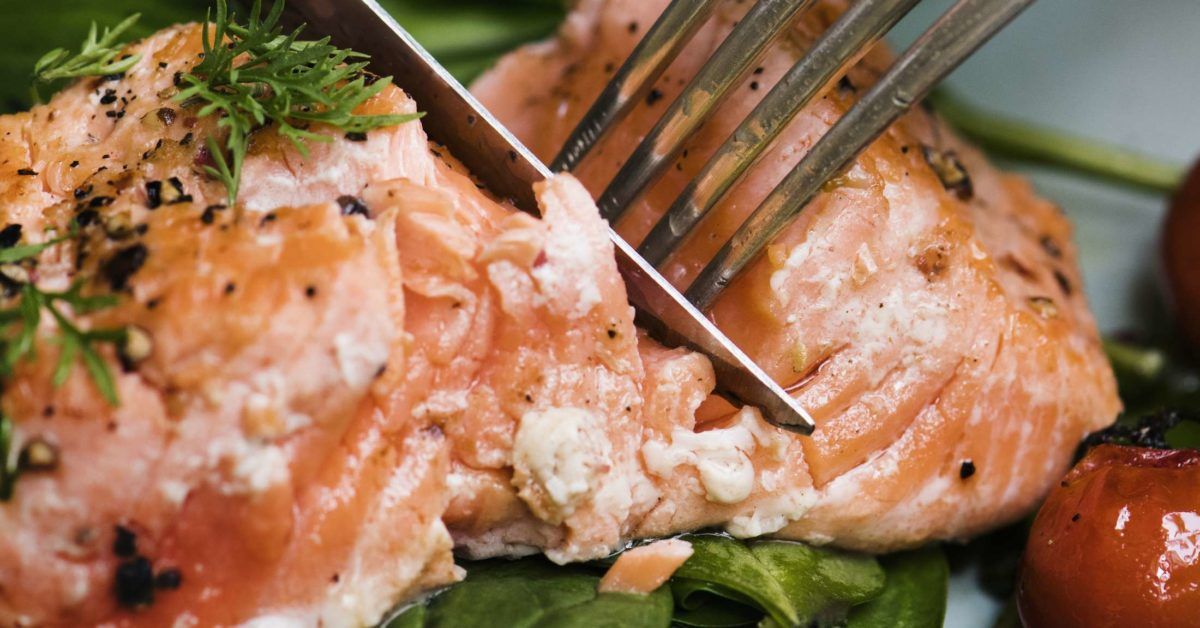
Salmon is the superstar of healthy fish, and honestly, it has earned the applause. It is rich in omega-3 fatty acids, high in protein, and a good source of vitamin B12, selenium, and vitamin D. Both wild and farmed salmon can be nutritious choices, though the exact fat content and flavor vary. Wild salmon tends to be leaner with a deeper flavor, while farmed salmon is often richer and milder.
Best for: Heart-healthy meals, meal prep, grilling, baking, rice bowls, salads, and family dinners.
Easy recipe idea: Brush salmon with olive oil, lemon juice, garlic, black pepper, and a little Dijon mustard. Bake at 400°F until it flakes easily. Serve with roasted vegetables and brown rice. It tastes like you planned dinner, even if you absolutely did not.
2. Sardines
Sardines are small, affordable, and nutritionally mighty. Because they are low on the food chain, they are typically lower in mercury than many larger fish. Canned sardines with bones are also a source of calcium, making them a smart choice for people who do not eat much dairy. They are rich in omega-3s, vitamin B12, selenium, and protein.
Best for: Budget-friendly nutrition, quick lunches, Mediterranean-style meals, and pantry cooking.
Easy recipe idea: Mash sardines with lemon juice, chopped parsley, black pepper, and a spoonful of Greek yogurt. Spread on whole-grain toast and top with cucumber slices. If you are new to sardines, start with boneless, skinless versions packed in olive oil for a milder introduction.
3. Rainbow Trout
Rainbow trout is a flavorful, tender fish that offers omega-3 fats, protein, and vitamin B12. Farmed rainbow trout from responsible sources is often considered a good seafood choice because it can be raised with relatively careful environmental controls. The flavor is milder than salmon but richer than cod, making it a friendly middle ground.
Best for: Pan-searing, baking, quick weeknight dinners, and people who want omega-3s without strong fishiness.
Easy recipe idea: Season trout fillets with paprika, garlic powder, lemon zest, and a pinch of salt. Cook skin-side down in a hot skillet until crisp, then flip briefly. Add lemon juice at the end. Crispy trout skin is basically seafood bacon’s classy cousin.
4. Anchovies
Anchovies may be tiny, but they bring big nutrition and even bigger flavor. They are rich in omega-3s and provide protein, calcium, iron, and selenium. Since anchovies are small fish, they tend to be lower in mercury. Their bold, salty taste makes them useful as a flavor booster rather than a main protein.
Best for: Pasta sauces, Caesar dressing, pizza, roasted vegetables, and savory marinades.
Easy recipe idea: Warm olive oil with minced garlic and a few chopped anchovies until the anchovies dissolve into the oil. Toss with whole-grain pasta, parsley, lemon zest, and steamed broccoli. The result tastes savory, not “fishy,” and your pasta suddenly has a personality.
5. Herring
Herring is another small fatty fish with a strong nutrition profile. It is high in omega-3s, protein, vitamin D, and vitamin B12. Pickled herring is popular in some cuisines, but it can be high in sodium, so fresh, smoked, or lower-sodium options may be better for regular meals.
Best for: Omega-3 intake, breakfast plates, open-faced sandwiches, and traditional seafood dishes.
Easy recipe idea: Serve herring with boiled potatoes, cucumber, dill, and a light yogurt-mustard sauce. It is simple, filling, and more exciting than another sad desk sandwich.
6. Atlantic Mackerel
Atlantic mackerel is rich, oily, flavorful, and loaded with omega-3s. It is important to distinguish Atlantic mackerel from king mackerel, which is much higher in mercury and is often listed among fish to avoid, especially for pregnant people and young children. Atlantic mackerel, however, can be a nutritious low-mercury choice.
Best for: Grilling, broiling, canned fish meals, and bold-flavored dishes.
Easy recipe idea: Make mackerel salad with canned Atlantic mackerel, lemon juice, celery, herbs, and avocado instead of mayonnaise. Serve in lettuce cups or on whole-grain crackers.
7. Cod
Cod is a lean white fish with mild flavor and a flaky texture. It is lower in omega-3s than salmon or sardines, but it is still a strong protein source and works beautifully in many recipes. Because cod is so mild, it is a great “starter fish” for people who think they dislike seafood.
Best for: Fish tacos, baked fish, soups, stews, and family-friendly meals.
Easy recipe idea: Coat cod with olive oil, lime juice, cumin, chili powder, and garlic. Bake until flaky, then tuck into corn tortillas with cabbage slaw and avocado. Congratulations: Taco night just got a nutrition upgrade.
8. Pollock
Pollock is a mild, lean white fish often used in fish sticks, imitation crab, and fast-food fish sandwiches. But do not let its humble reputation fool you. When baked, broiled, or pan-seared, pollock is a practical, protein-rich choice that is usually budget-friendly.
Best for: Affordable meals, fish cakes, chowders, and homemade baked fish sticks.
Easy recipe idea: Cut pollock into strips, dip in beaten egg, coat with whole-wheat breadcrumbs and herbs, then bake until crisp. Serve with a yogurt-based tartar sauce. It is kid-friendly, adult-friendly, and wallet-friendlythe rare triple crown.
9. Tilapia
Tilapia is mild, inexpensive, and easy to find. It is not as high in omega-3s as fatty fish, but it provides lean protein and works well for people who want a very gentle fish flavor. Choose responsibly farmed tilapia when possible, and pair it with nutrient-rich sides such as vegetables, beans, or whole grains.
Best for: Beginners, quick skillet meals, tacos, and light dinners.
Easy recipe idea: Season tilapia with lemon pepper, garlic, and smoked paprika. Pan-sear for a few minutes per side and serve with quinoa and sautéed spinach.
10. Canned Light Tuna
Canned light tuna is convenient, high in protein, and easy to use in sandwiches, salads, wraps, and rice bowls. It generally has less mercury than albacore tuna, though variety and moderation still matter. Tuna is lower in omega-3s than salmon or sardines, but it remains one of the easiest seafood options for busy households.
Best for: Pantry meals, high-protein lunches, tuna melts, pasta salads, and meal prep.
Easy recipe idea: Mix canned light tuna with white beans, olive oil, lemon juice, chopped celery, parsley, and black pepper. Serve over greens for a fast, filling lunch.
Fish to Limit or Avoid Because of Mercury
Mercury is one reason seafood choices can get confusing. Larger predatory fish tend to accumulate more mercury over time. People who are pregnant, may become pregnant, breastfeeding, or feeding young children should be especially careful with high-mercury fish. Common fish to avoid or limit include shark, swordfish, king mackerel, bigeye tuna, marlin, orange roughy, and tilefish from certain regions.
For most healthy adults, the smartest approach is not to avoid fish entirely. It is to choose a variety of lower-mercury seafood. Salmon, sardines, anchovies, trout, Atlantic mackerel, herring, cod, pollock, tilapia, catfish, shrimp, and canned light tuna are commonly considered better choices for regular eating.
Best Cooking Methods for Healthy Fish Meals
The healthiest fish can lose its glow-up if it is buried under a mountain of deep-fried batter every time. Fried fish can still be delicious as an occasional meal, but for everyday nutrition, better methods include baking, broiling, grilling, steaming, poaching, and pan-searing with a moderate amount of healthy oil.
Baking
Baking is beginner-friendly and forgiving. Add lemon, herbs, olive oil, and vegetables to a sheet pan, and dinner practically handles itself.
Grilling
Firm fish like salmon, swordfish alternatives, tuna steaks, and trout can work well on the grill. Use a clean, oiled grate and avoid overcooking.
Poaching
Poaching fish in broth, tomato sauce, coconut milk, or lightly seasoned water keeps it moist and delicate. This method is excellent for cod, salmon, and halibut-style fillets.
Pan-Searing
Pan-searing creates a golden crust quickly. It works well for trout, salmon, cod, and tilapia. Use medium-high heat, pat the fish dry first, and resist the urge to poke it every seven seconds like a nervous seafood detective.
Simple Healthy Fish Recipes to Try
Lemon-Herb Salmon Bowl
Bake salmon with lemon, garlic, dill, and olive oil. Serve over brown rice with cucumber, avocado, greens, and a spoonful of yogurt sauce. This recipe is rich in protein, omega-3s, fiber, and healthy fats.
Sardine Mediterranean Toast
Top whole-grain toast with mashed sardines, tomato, parsley, lemon juice, and cracked pepper. Add a drizzle of olive oil. It is fast, affordable, and more interesting than another plain turkey sandwich.
Cod Fish Tacos
Season cod with chili powder, cumin, garlic, and lime. Bake or pan-sear, then serve in corn tortillas with cabbage, salsa, avocado, and Greek yogurt. This is one of the easiest ways to turn mild white fish into a repeat dinner.
Trout With Garlic Greens
Pan-sear rainbow trout and serve it with sautéed spinach, garlic, lemon, and roasted sweet potatoes. It feels restaurant-worthy without requiring a culinary degree or a dramatic apron.
Tuna White Bean Salad
Combine canned light tuna, white beans, celery, red onion, lemon juice, olive oil, and parsley. Serve over greens or tuck into a whole-grain pita for a protein-packed lunch.
How to Choose Fish at the Store
Fresh fish should smell clean and mild, not aggressively “fishy.” Fillets should look moist, not dry or dull. If buying whole fish, look for clear eyes, shiny skin, and firm flesh. Frozen fish can be just as nutritious as fresh fish, especially when frozen soon after harvest. In many cases, frozen seafood is more practical and less wasteful for home cooks.
For canned fish, compare sodium levels and choose products packed in water or olive oil depending on your nutrition goals. Canned salmon and sardines with bones can offer calcium, while tuna is often a convenient lean protein. For sustainability, look for credible labels or check seafood recommendation tools when you are unsure.
Best Fish for Different Goals
Best Fish for Omega-3s
Choose salmon, sardines, Atlantic mackerel, herring, anchovies, and trout. These fish are naturally rich in EPA and DHA.
Best Fish for Weight-Friendly Meals
Choose cod, pollock, tilapia, flounder, and canned light tuna. They are lean, high in protein, and easy to pair with vegetables and whole grains.
Best Fish for Budget Cooking
Choose canned sardines, canned salmon, canned light tuna, frozen pollock, frozen tilapia, and frozen cod. Frozen and canned fish are often cheaper, last longer, and reduce food waste.
Best Fish for Beginners
Start with cod, tilapia, salmon, or trout. These options are easy to cook and have approachable flavors. Add lemon, garlic, herbs, salsa, or a yogurt sauce to keep things bright and familiar.
Experience-Based Tips: How to Actually Eat More Fish Without Making Life Complicated
The best fish to eat is not always the fanciest one. It is the fish you will actually cook, enjoy, and buy again. Many people begin their seafood journey with ambition: fresh salmon, complicated marinades, a side dish with thirteen ingredients, and a beautiful dream. Then Tuesday happens. Suddenly dinner is cereal, and the salmon is still in the freezer judging everyone.
A practical seafood habit starts small. Pick two fish options: one fresh or frozen, and one canned. For example, keep frozen salmon fillets for dinner and canned sardines or tuna for lunch. This way, fish becomes part of your normal routine instead of a special event that requires mood lighting and a cutting board the size of a surfboard.
Another helpful trick is to match the fish to meals you already like. If your family enjoys tacos, use cod or tilapia. If you love rice bowls, use salmon or tuna. If pasta is your comfort food, add anchovies or sardines to a garlicky olive oil sauce. If salads feel too boring, add grilled trout or canned salmon. Fish becomes easier when it joins meals that already have a permanent parking spot in your week.
Texture matters, too. People who dislike “fishy” fish often do better with mild white fish first. Cod, pollock, and tilapia are gentle and take on the flavor of sauces and seasonings. Once you get comfortable, try richer options like salmon, trout, sardines, or mackerel. Think of it as seafood training wheels, except the wheels are made of lemon wedges.
For busy nights, sheet-pan fish is a lifesaver. Place fish fillets on a baking sheet with vegetables, olive oil, seasoning, and lemon. Bake until the fish flakes easily. Cleanup is minimal, cooking is quick, and the meal feels balanced without needing five pans and a motivational speech. Salmon with broccoli, cod with zucchini, or tilapia with peppers and onions all work well.
Canned fish deserves more respect than it gets. Sardines, salmon, tuna, anchovies, and mackerel are affordable, shelf-stable, and ready when you are. Keep a few cans in the pantry for emergency meals. Tuna and white beans can become lunch in five minutes. Sardines on toast can be surprisingly satisfying. Canned salmon can become patties with egg, breadcrumbs, herbs, and a quick skillet sear.
Finally, do not overcook fish. This is the number one mistake that turns good seafood into dry disappointment. Fish cooks quickly, often in less than 15 minutes. When it flakes easily with a fork and looks opaque, it is usually done. If you are nervous, use a food thermometer and aim for safe internal cooking temperatures. Once you learn the timing, fish becomes one of the fastest proteins in the kitchen.
The real secret is variety. Rotate fatty fish for omega-3s, lean white fish for easy protein, and canned fish for convenience. Add vegetables, whole grains, beans, herbs, citrus, and healthy fats, and you have meals that are nutritious without tasting like a lecture from a wellness brochure. Fish can be simple, flexible, and genuinely deliciousno chef hat required.
Conclusion
The best fish to eat are the ones that balance nutrition, safety, taste, convenience, and sustainability. Salmon, sardines, trout, anchovies, herring, and Atlantic mackerel stand out for omega-3 fatty acids, while cod, pollock, tilapia, and canned light tuna offer lean protein and easy everyday cooking. To get the most benefit, eat a variety of lower-mercury fish, use healthy cooking methods, and keep simple options like frozen fillets and canned seafood on hand.
Fish does not have to be complicated. Start with one recipe, one pantry option, and one weeknight meal. Before long, seafood can become less of a mystery and more of a reliable, nourishing part of your routine.