

Kegel exercises may sound like something whispered about in a doctor’s office, but they are actually one of the simplest, quietest, and most underrated exercises you can do. No sneakers. No gym membership. No dramatic motivational playlist required. Kegels strengthen the pelvic floor muscles, the supportive group of muscles that helps control bladder and bowel function and keeps pelvic organs properly supported.
The best part? You can do Kegel exercises almost anywhere: sitting at your desk, lying in bed, waiting for coffee, or pretending to listen during a meeting that should have been an email. The tricky part is not where to do them, but how to do them correctly. Many people squeeze the wrong muscles, hold their breath, or rush through the routine like they are trying to win a pelvic floor speed contest. That is not the goal.
This complete guide explains how to do Kegel exercises step by step, how often to practice, common mistakes to avoid, who may benefit, and when it is smart to ask a healthcare professional or pelvic floor physical therapist for help.
What Are Kegel Exercises?
Kegel exercises, also called pelvic floor exercises or pelvic floor muscle training, are repeated contractions and relaxations of the muscles at the bottom of the pelvis. These muscles act like a supportive hammock. They help support the bladder, bowel, rectum, and, in people with a uterus, the uterus as well.
When the pelvic floor muscles are strong and coordinated, they help the body manage everyday pressure from coughing, sneezing, laughing, lifting, running, or suddenly realizing the bathroom is farther away than expected. When these muscles are weak, poorly coordinated, or too tense, people may experience urine leakage, bowel control issues, pelvic heaviness, or discomfort.
Kegels are not a magic cure-all, but when done properly and consistently, they can be a useful part of a healthy pelvic floor routine.
Why Pelvic Floor Strength Matters
The pelvic floor is easy to ignore because it is not a muscle group you see in the mirror. Nobody flexes their pelvic floor in a tank top. But functionally, it matters a lot.
Strong pelvic floor muscles may help with:
- Improving bladder control
- Reducing urine leakage during coughing, sneezing, laughing, or exercise
- Supporting bowel control
- Helping the pelvic organs stay properly supported
- Supporting recovery after pregnancy, childbirth, or certain surgeries
- Improving awareness and coordination of deep core muscles
Think of the pelvic floor as part of your body’s internal support team. It works with your diaphragm, abdominal muscles, back muscles, and hips. If one part of the team is not doing its job, the others may compensate, sometimes badly. That is why good technique matters more than simply doing hundreds of random squeezes.
Who Can Benefit From Kegel Exercises?
Kegel exercises can be helpful for many adults, including people who experience mild bladder leakage, people recovering after childbirth, people with pelvic floor weakness, and some people recovering after prostate-related procedures. They may also be recommended for people with certain bowel control concerns.
Common situations where Kegels may be useful include:
- Leaking urine when coughing, sneezing, laughing, or exercising
- Feeling sudden urgency to urinate
- Recovering after pregnancy or childbirth
- Recovering after certain pelvic or prostate surgeries
- Wanting better pelvic floor awareness and control
- Managing mild pelvic organ support symptoms under medical guidance
However, Kegels are not right for every pelvic floor problem. Some people have pelvic floor muscles that are already too tight or overactive. In that case, more squeezing can make symptoms worse. If you have pelvic pain, pain with bowel movements, trouble emptying your bladder, constipation, or discomfort that increases with Kegels, stop and ask a healthcare professional for guidance.
How to Find Your Pelvic Floor Muscles
Before you can do Kegels correctly, you need to locate the right muscles. This is the part where many people accidentally recruit the abs, glutes, or thighs and then wonder why nothing changes except their facial expression.
Method 1: Imagine Stopping Gas
One common way to identify the pelvic floor is to imagine you are trying to stop yourself from passing gas. The muscles that gently lift and tighten are part of the pelvic floor. This should feel like an inward and upward squeeze, not a hard clench of the buttocks.
Method 2: Briefly Stop Urine Flow as a Test Only
Another way to identify the muscles is to briefly try stopping your urine stream once. This should only be used as a test, not as a regular exercise. Repeatedly doing Kegels while urinating can interfere with normal bladder emptying and may lead to problems over time.
Method 3: Check What Is Not Moving
During a correct Kegel, your stomach, thighs, and buttocks should stay relaxed. You should be able to breathe normally. If your shoulders rise, your jaw clenches, or your whole body looks like it is bracing for turbulence, you are working too hard.
How to Do Kegel Exercises Step by Step
Once you know where the pelvic floor muscles are, start with a simple routine. Beginners often do best lying down because gravity is not making the muscles work as hard. As you improve, you can practice sitting or standing.
Step 1: Empty Your Bladder
Start with an empty bladder. Kegels should be practiced when you are not urinating. This helps you focus on the muscle contraction without interfering with normal bathroom habits.
Step 2: Choose a Comfortable Position
Lie on your back with your knees bent, sit upright in a chair, or stand with your feet comfortably apart. If you are new to Kegels, lying down is usually easiest.
Step 3: Tighten the Pelvic Floor Muscles
Gently tighten the muscles you would use to stop gas or briefly stop urine. Imagine lifting the muscles upward inside the pelvis. The movement should feel controlled, not forceful.
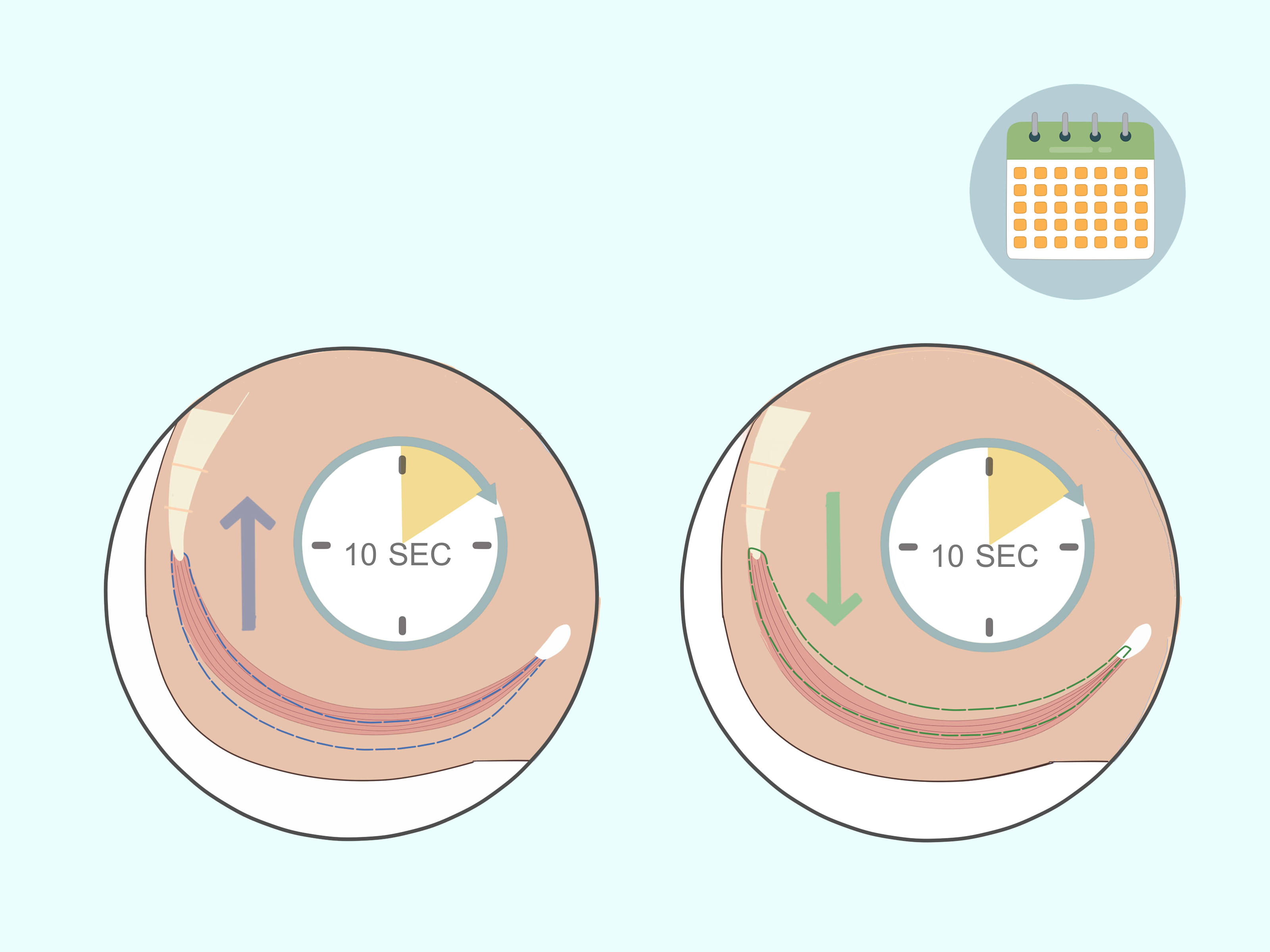
Step 4: Hold for 3 to 5 Seconds
Hold the contraction for three to five seconds. Keep breathing. Relax your abdomen, thighs, and buttocks. If you cannot hold for that long, start with one or two seconds. Good form beats heroic struggle.
Step 5: Relax Fully for 3 to 5 Seconds
Relax the muscles completely for the same amount of time. The relaxation phase is just as important as the squeeze. A pelvic floor that only knows how to tighten is like a doorbell that never stops ringing: technically active, but not helpful.
Step 6: Repeat 10 Times
One set usually includes about 10 repetitions. Many healthcare sources recommend working toward three sets per day. That might mean morning, afternoon, and evening, or simply connecting the habit to daily routines like brushing your teeth or making coffee.
A Simple Beginner Kegel Routine
Here is a beginner-friendly routine you can follow:
- Empty your bladder.
- Lie down or sit comfortably.
- Tighten the pelvic floor muscles for 3 seconds.
- Relax fully for 3 seconds.
- Repeat 10 times.
- Practice once or twice daily at first.
- Gradually build toward 3 sets per day if comfortable.
As your muscles become stronger, increase the hold time slowly. Many people work up to holding each contraction for 8 to 10 seconds, followed by an equal relaxation period. Do not rush the progress. Pelvic floor training is more like growing a garden than microwaving popcorn.
Quick Kegels vs. Slow Kegels
A complete pelvic floor routine may include both slow and quick contractions. Slow Kegels build endurance. Quick Kegels train the muscles to respond faster when pressure suddenly increases, such as when you cough or sneeze.
Slow Kegels
Tighten the pelvic floor muscles, hold for 3 to 10 seconds, then relax fully. These help build strength and endurance over time.
Quick Kegels
Tighten the muscles for one second, then relax for one second. Repeat several times. These should feel light and controlled, not jerky or strained.
A balanced routine might include 10 slow Kegels followed by 5 to 10 quick Kegels. If that feels tiring, reduce the number. Muscle fatigue is real, even when the muscle is hidden from polite conversation.
Common Kegel Mistakes to Avoid
Kegels are simple, but simple does not always mean automatic. Here are the most common mistakes that reduce results.
Mistake 1: Squeezing the Wrong Muscles
If your buttocks, thighs, or abs are doing most of the work, your pelvic floor is probably taking a snack break. Keep the rest of your body relaxed.
Mistake 2: Holding Your Breath
Breath-holding increases pressure inside the abdomen and can work against the pelvic floor. Breathe normally during every contraction and relaxation.
Mistake 3: Doing Kegels While Urinating
Using the stop-urine trick once to identify the muscles is different from making it a workout. Regularly stopping urine midstream can affect normal bladder function.
Mistake 4: Overdoing It
More is not always better. Doing too many Kegels can fatigue or irritate the pelvic floor. If symptoms worsen, take a break and seek professional advice.
Mistake 5: Skipping the Relaxation
The release matters. Fully relaxing between contractions helps the muscles learn control, not just tension.
How Long Until Kegels Work?
Kegel exercises are not an instant fix. Some people notice improvement after four to six weeks of consistent practice, while more significant changes may take around three months. The timeline depends on your starting strength, technique, consistency, symptoms, and overall health.
If you are doing Kegels every day but feel no improvement after several weeks, technique may be the issue. Many people think they are doing Kegels correctly but are actually using nearby muscles. A pelvic floor physical therapist can help you confirm the right movement and create a personalized plan.
When to Ask a Healthcare Professional
Consider talking with a healthcare professional if you have ongoing urine leakage, bowel control problems, pelvic pressure, pelvic pain, trouble emptying your bladder, symptoms after childbirth or surgery, or symptoms that get worse with Kegels.
You should also get guidance if you are unsure whether your pelvic floor is weak, tight, or uncoordinated. These conditions can feel similar but require different approaches. Some people need strengthening; others need relaxation, breathing exercises, mobility work, or a customized program.
Tips to Make Kegels a Habit
The hardest part of Kegels is remembering to do them. They are invisible, quiet, and very easy to postpone until “later,” which is the magical land where forgotten habits go to retire.
- Pair Kegels with an existing routine, such as brushing your teeth.
- Use phone reminders if you like structure.
- Start small with one set per day.
- Focus on quality, not quantity.
- Track symptoms weekly instead of obsessing daily.
- Practice in different positions as you improve.
For example, you might do one set after breakfast, one set after lunch, and one set before bed. Or you might start with only one evening set until the habit feels easy. The best routine is the one you can actually maintain.
Experiences and Practical Lessons From Doing Kegel Exercises
People often expect Kegel exercises to feel dramatic, as if their pelvic floor will send a thank-you card after the first session. In reality, the early experience is usually subtle. Many beginners say the hardest part is simply knowing whether they are doing the movement correctly. That is normal. The pelvic floor is not like a bicep; you cannot easily watch it contract in the mirror while nodding approvingly.
A common beginner experience is accidentally squeezing everything except the pelvic floor. Someone may start a Kegel and suddenly notice their stomach is tight, their legs are stiff, and their shoulders have joined the workout for no reason. This is why starting slowly matters. A helpful approach is to take one calm breath before each contraction, gently tighten the pelvic floor, then exhale as you release. The breath keeps the body from turning a small exercise into a full-body emergency drill.
Another real-life lesson is that consistency works better than intensity. A person who does one careful set every day for several weeks is usually better off than someone who does 100 rushed contractions on Monday and forgets about them until the following month. Pelvic floor muscles respond to training like other muscles: they need regular practice, recovery, and time. Improvement often appears gradually. You might first notice fewer small leaks when laughing or coughing, or you may feel more confident waiting until you reach the bathroom.
Some people find that Kegels are easier in one position than another. Lying down often feels simplest because the pelvic floor has less pressure to manage. Sitting may feel more practical during the day. Standing can feel more challenging because the muscles are working against gravity. This progression is useful: start where you can perform the exercise correctly, then advance only when the movement feels controlled.
It is also common to feel mild muscle fatigue at first. That does not mean anything is wrong, as long as there is no pain. If the muscles feel tired, reduce the hold time or number of repetitions. A good Kegel session should feel like gentle training, not punishment. If discomfort, pressure, or pain appears, stop and check with a professional.
One surprisingly effective experience-based tip is to connect Kegels with “pressure moments.” After learning the basic routine, some people practice gently tightening the pelvic floor before a cough, sneeze, laugh, or lift. This is sometimes called “the knack,” and it can help the muscles respond when the body needs support. It should be gentle and well-timed, not a dramatic clench that makes you look like you just remembered an unpaid bill.
Finally, many people learn that pelvic floor health is not only about squeezing. Relaxation, breathing, posture, hydration, avoiding constipation, and not straining in the bathroom all matter too. Kegels are one tool, not the entire toolbox. The best experience comes from treating them as part of a balanced routine: strengthen when needed, relax fully, breathe naturally, and get expert help when symptoms do not improve.
Conclusion
Kegel exercises are simple, discreet, and genuinely useful when performed with correct technique. They strengthen the pelvic floor muscles that help support bladder and bowel control, pelvic organ support, and everyday confidence. The key is to identify the right muscles, contract gently, relax fully, breathe normally, and practice consistently without overdoing it.
Start with short holds, build gradually, and pay attention to how your body responds. If Kegels cause pain, increase pressure, or fail to improve symptoms after consistent practice, a healthcare professional or pelvic floor physical therapist can help you find the right approach. Your pelvic floor may be behind the scenes, but it deserves a starring role in your health routine.
Note: This article is for educational purposes only and should not replace professional medical advice. Anyone with pelvic pain, worsening symptoms, pregnancy-related concerns, post-surgical questions, or trouble identifying the correct muscles should speak with a qualified healthcare professional.