

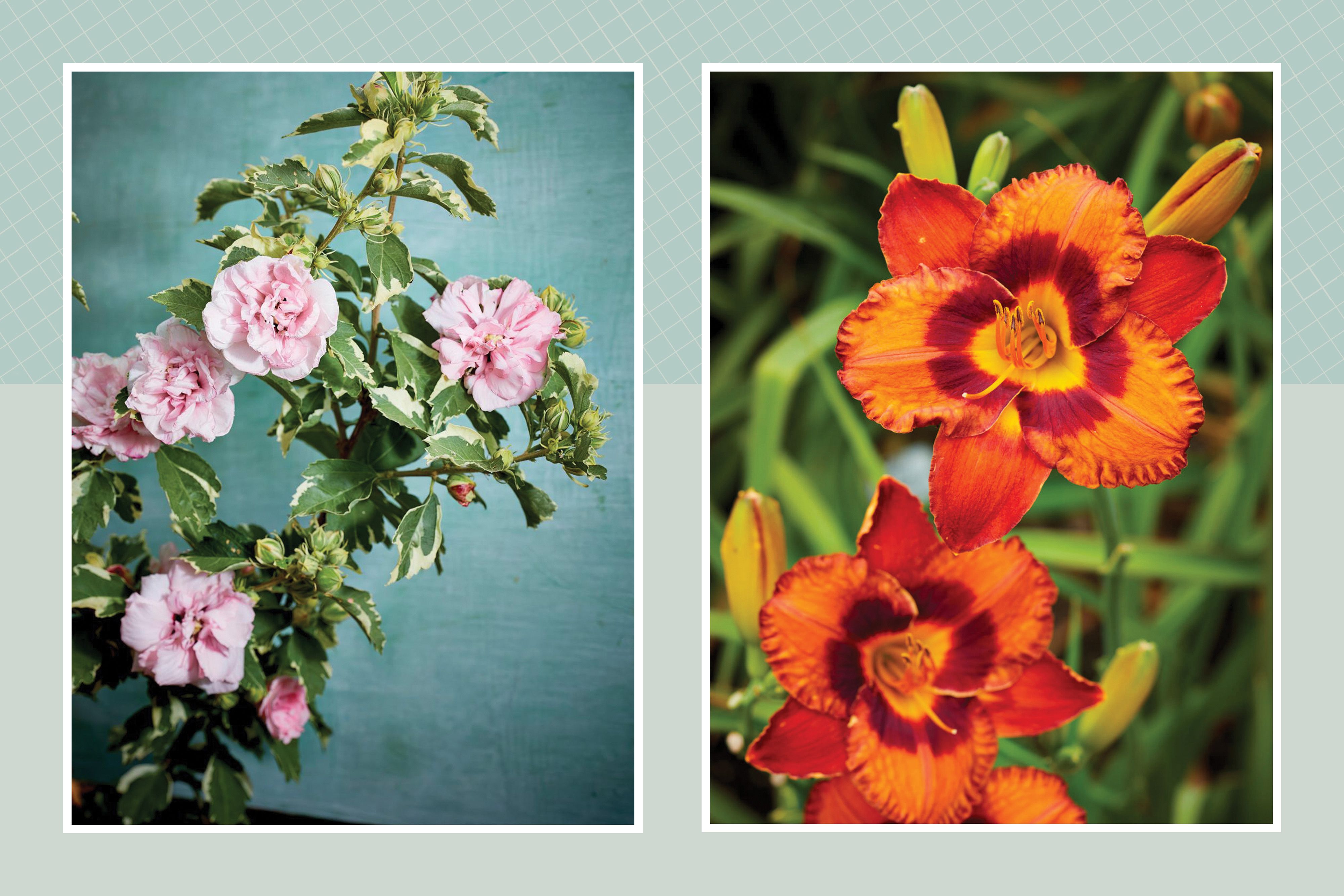
For 25 years, plant testing has done something wonderfully unglamorous and wildly useful: it has saved gardeners from heartbreak, ugly surprises, and the annual ritual of whispering, “But the tag said full sun.” Across American test gardens, university trials, and public horticulture programs, plants have been judged not by their catalog glamour shots, but by how they actually perform in heat, humidity, drought, wind, bugs, disease, and all the other nonsense Mother Nature throws around like confetti.
This milestone is worth celebrating because great garden plants are rarely chosen by luck. They are discovered through observation, comparison, repetition, and a healthy amount of horticultural side-eye. A plant may look gorgeous in a greenhouse or on a seed packet, but the best performers prove themselves in real conditions over time. That is the whole magic of plant trials: they separate the divas from the dependable stars.
At the heart of this story is the idea that better gardens come from better-tested plants. Over the last quarter century, trial gardens have become more than pretty places with labels. They have turned into living laboratories where annuals, perennials, shrubs, vegetables, herbs, and native plants are grown side by side and evaluated for bloom power, disease resistance, pollinator value, flavor, vigor, form, and season-long performance. In other words, they ask the gardening question that matters most: “Will this plant still look good after the honeymoon period?”
Why 25 Years of Plant Testing Matters
A quarter century is long enough to spot more than just trends. It reveals patterns. Over time, test gardens have shown that the best garden plants are not always the flashiest on day one. The real champions are the ones that keep showing up. They bloom longer, stay healthier, recover faster from stress, and require less coddling. They do not collapse dramatically after one humid week like they are auditioning for a soap opera.
That long view has changed the way gardeners shop and plant. Twenty-five years ago, many home gardeners were still choosing plants largely for flower color or height. Today, the conversation is smarter. Gardeners want disease resistance, drought tolerance, pollinator support, cleaner foliage, longer bloom times, and varieties that fit smaller urban spaces or container gardens. Trialing programs helped push that shift by proving which plants truly deliver.
Modern plant testing has also widened its lens. It is no longer only about whether a plant survives. Now it is about whether it thrives with fewer chemicals, fewer replacements, less water, and more ecological value. That is a huge improvement for gardeners, landscapes, and the environment.
What Test Gardens Actually Look For
When a plant enters a serious trial, it is not getting a participation trophy. It is being watched closely for qualities that matter in a real home landscape. Plant evaluators look at overall vigor, flower production, foliage quality, resistance to pests and diseases, winter hardiness, heat tolerance, habit, size, and whether the plant stays attractive throughout the season. For edible plants, yield, flavor, texture, harvest period, and resistance to common problems can matter just as much as looks.
That kind of evaluation is what makes plant trial results so useful. A petunia that flowers heavily in May but turns scraggly by July is not a winner. A basil variety that tastes great but melts under downy mildew pressure is not exactly a dream date either. The best garden plants combine beauty with stamina.
Long-term trialing is especially valuable for perennials, shrubs, and vines. Some public gardens evaluate plants for four to six years, and in some cases even longer. That matters because many plants behave beautifully in year one and reveal their flaws later. A long trial can expose weak stems, poor winter survival, susceptibility to mildew, or the unfortunate habit of flopping face-first into neighboring plants after a summer rain.
The Biggest Lessons From 25 Years of Testing
1. The right plant for the right place still wins
If there is one lesson that keeps stomping back into the garden wearing muddy boots, it is this: plant selection matters as much as plant care. Plants that match the site’s light, soil, moisture, and climate are more resilient, need fewer interventions, and tend to live longer. Good trial programs reinforce this over and over again. A high-performing plant in the proper setting can outperform a fussy “premium” variety in the wrong spot every single time.
2. Disease resistance is not boring; it is glorious
For years, breeding and testing have rewarded plants that fight back against common diseases. That matters because clean foliage is half the battle in a good-looking garden. Mildew-resistant zinnias, healthier basil selections, sturdier phlox, and better-performing black-eyed Susans all make a difference in the real world. Nobody has ever stood in front of a mildew-covered border and whispered, “How romantic.”
3. Long bloom is nice, but season-long beauty is better
Test gardens have taught gardeners to appreciate plants that look good before, during, and after flowering. Strong foliage, tidy habit, attractive seed heads, fall color, and winter structure now count for more than ever. That shift helps gardeners create landscapes with longer interest and fewer gaps that scream, “Well, that was nice for two weeks.”
4. Native plants earned their place, not just their marketing
The rise of native plant gardening is one of the biggest shifts of the last 25 years, and trials have helped sort hype from performance. The strongest native and near-native selections are being valued not only for supporting pollinators and wildlife, but also for their ornamental quality, adaptability, and lower maintenance needs. That is a big deal. Gardeners increasingly want plants that work hard for beauty and biodiversity at the same time.
5. Vegetables and herbs deserve trials too
Flower gardens get plenty of attention, but edible plant trials have become just as important. Gardeners want tomatoes that resist cracking, cucumbers with strong yields, basil with better disease resistance, and compact varieties that succeed in raised beds and containers. The best edible selections now bring together flavor, productivity, and reliability instead of forcing gardeners to choose just one.
Standout Traits That Keep Winning
After 25 years of watching thousands of plants perform, some qualities show up again and again in top-rated varieties. Strong stems matter. So does a naturally balanced shape. Plants that do not need constant staking, pinching, or emergency pep talks tend to become long-term favorites.
Pollinator appeal has also become a major advantage. Plants that offer nectar, pollen, seed, or habitat bring extra value to the landscape. The new ideal is not just a beautiful bed, but a lively one. Gardeners want movement, bees, butterflies, birds, and a sense that the space is doing something besides posing for photos.
Drought tolerance is another trait that has moved from “nice bonus” to “serious priority.” Weather extremes, water concerns, and hotter summers have made resilient plants far more attractive. Trial gardens have helped identify perennials and shrubs that maintain form, bloom, and foliage with less supplemental water once established.
Then there is adaptability. A truly great garden plant often succeeds in borders, containers, mixed plantings, and small-space gardens. That flexibility matters because modern gardeners work with patios, balconies, narrow side yards, and compact urban lots just as often as sprawling suburban beds.
Examples of What 25 Years of Testing Has Taught Us
Some lessons become clearest through specific examples. Trial gardens have repeatedly elevated annuals and perennials that combine nonstop bloom with fewer disease issues. Golden petunias, stronger salvias, cleaner zinnias, and better marigolds have all emerged as proof that breeding and evaluation can noticeably improve home garden results.
On the perennial side, reliable performers tend to share a few traits: mildew resistance, long bloom, strong stems, drought tolerance, and attractive foliage. That is why gardeners continue to gravitate toward improved coneflowers, sedums, catmints, black-eyed Susans, hellebores, and rugged shrubs that pull their weight across multiple seasons.
Native plant trials have also expanded the definition of what a “best plant” looks like. A plant can now earn top marks not just for ornamental beauty, but for ecological contribution. That is a meaningful evolution. A bluestar that stays healthy for years, supports pollinators, and offers fine texture plus fall color is doing more than decorating a border. It is multitasking like a champion.
Vegetable and herb trials tell a similar story. Better cucumbers, improved tomatoes, more productive bok choy, and basil cultivars selected for disease resistance and flavor all show how much progress has been made. These are not tiny upgrades. For home gardeners, a small boost in yield, a cleaner plant canopy, or a longer harvest window can be the difference between “I love this variety” and “Never again.”
How Home Gardeners Can Use Trial Data
The smartest gardeners borrow from the trial-garden mindset. Instead of buying everything that looks pretty in April and hoping for the best, they look for plants that have been tested regionally, recommended by public gardens or extension programs, or recognized for performance over several seasons.
That means checking for signs of proven garden worthiness. Has the plant been evaluated in your region? Has it been praised for disease resistance, bloom duration, or heat tolerance? Does it match your site conditions? Would it still be appealing if the flowers disappeared tomorrow? These are the kinds of questions that turn impulse purchases into good decisions.
It also helps to run your own mini trial at home. Plant two or three comparable varieties side by side. Watch bloom time, foliage health, pest issues, vigor, and maintenance needs. Gardeners do not need clipboards and lab coats to become better plant selectors, although the clipboards do add a nice sense of authority.
Another smart move is to mix proven winners with a few experiments. Let trial-proven plants form the backbone of the garden, then play around with newer introductions in smaller numbers. That way, your landscape stays beautiful even if one flashy newcomer turns out to be all marketing and no manners.
25 Years in the Garden: The Experience Behind the Results
What makes a 25-year celebration so meaningful is that plant testing is built on lived experience, not theory alone. Anyone who has spent years walking trial beds learns that gardens are excellent truth-tellers. Labels can brag. Catalogs can flirt. Social media can apply flattering filters. But a garden? A garden tells you exactly who a plant is.
You learn this in small ways first. You notice which varieties still look fresh in late August when the heat has wrung the life out of everything else. You notice which plants bounce back after a storm and which ones sprawl across the path like they have fainted dramatically in public. You start to recognize the quiet overachievers: the plant that never demands attention yet always looks good, the herb that keeps producing, the perennial that returns every year with zero attitude.
Over time, those observations build real gardening wisdom. You stop falling only for novelty and start appreciating consistency. You become suspicious of plants that peak too early and collapse too fast. You admire strong foliage, clean stems, and buds that keep coming. You understand why trial managers get excited about things that sound unglamorous to non-gardeners, like improved branching, reduced lodging, or resistance to fungal issues. Those traits are not boring. They are the difference between a garden that thrives and one that becomes a summer-long rescue mission.
There is also a deep emotional side to long-term testing. Gardens change. Weather changes. Trends change. Some years reward cool-season performers. Other years roast anything delicate. You lose plants you expected to love. You discover stars you almost overlooked. A cultivar that seemed ordinary in a nursery pot can become unforgettable in the ground. Another may arrive with fanfare and then proceed to disappoint with astonishing efficiency. That ongoing surprise is part of what keeps test gardens fascinating year after year.
Twenty-five years of testing also means watching gardening itself evolve. More people now care about pollinators, native plants, reduced chemical use, and climate resilience. Container gardening has expanded. Edible gardening has become more design-conscious. Small-space landscapes are expected to do more. The best trial programs have adapted right along with those shifts, asking better questions and looking for plants that solve modern problems.
And perhaps that is the best experience of all: seeing gardening become smarter without losing its joy. Trial gardens are practical, yes, but they are also full of wonder. They show that careful evaluation and delight can live side by side. A plant can be beautiful and useful. A border can be stunning and resilient. A vegetable bed can be productive and attractive. A native plant can support wildlife and still absolutely steal the show.
So when we celebrate 25 years of testing the best garden plants, we are really celebrating something bigger. We are celebrating patience. Curiosity. Better questions. Better breeding. Better choices. And the millions of small decisions that help home gardeners create spaces that are more beautiful, more successful, and more alive. Not bad for a quarter century of digging, observing, and occasionally muttering at underperforming petunias.
Conclusion
Twenty-five years of plant testing has proven a simple but powerful truth: the best garden plants earn their reputation in the ground, not on the tag. The most successful varieties combine beauty with resilience, bloom with staying power, and performance with purpose. Whether the focus is flowers, shrubs, vegetables, herbs, or native plants, trial gardens continue to give home gardeners something preciousconfidence.
That confidence matters. It helps gardeners choose smarter, waste less money, reduce frustration, and build landscapes that look better for longer. It also reminds us that every beautiful, reliable garden is supported by a lot of careful evaluation behind the scenes. In the end, plant testing is not just about finding what is new. It is about finding what is truly worth growing.