

There are two kinds of people in the world: people who clean their windows regularly, and people who only notice the windows are dirty when the afternoon sun turns every fingerprint into a dramatic crime scene. If you belong to the second group, welcome. We have tea.
Natural window cleaning with used tea bags is one of those wonderfully odd household tricks that sounds like something your grandmother invented during a rainy afternoon and then refused to explain. But the idea is simple: brewed tea still contains plant compounds that can help loosen light grease, fingerprints, and everyday grime from glass. Instead of throwing a used tea bag straight into the trash, you can give it a short second career as a gentle glass-cleaning helper.
Is it magic? No. Is it a replacement for a professional window washer dangling heroically from a high-rise? Also no. But for interior windows, mirrors, glass doors, and small panes that collect dust, smudges, and mysterious nose prints from pets who have urgent squirrel-related business, used tea bags can be surprisingly useful.
This guide explains how to clean windows naturally with used tea bags, when the method works best, what mistakes to avoid, and how to get a streak-free shine without turning your home into a chemical fog machine.
Why Used Tea Bags Can Help Clean Windows
Tea leaves contain naturally occurring plant compounds commonly called tannins. These compounds are associated with tea’s slightly bitter, astringent quality. In cleaning, that same mild astringency is the reason tea has earned a place in old-fashioned home-care routines. A cooled black tea infusion can help break up light oily residue, soften fingerprints, and leave glass looking clearer when paired with the right wiping technique.
The key phrase here is “paired with the right wiping technique.” A used tea bag alone will not save a window that has spent three years collecting pollen, cooking grease, hard-water spots, and the hopes and dreams of every fly in the neighborhood. But as a light-duty, low-waste cleaner, tea works well for routine touch-ups.
Black Tea Works Best
For window cleaning, black tea is usually the strongest choice because it produces a darker, more robust infusion. Green tea, white tea, and herbal tea may still offer a little cleaning help, but they tend to be milder. Herbal teas also vary widely because many are not true tea from the Camellia sinensis plant. A chamomile bag may smell peaceful, but it is not necessarily ready to fight kitchen-window grease like a tiny botanical warrior.
Used Tea Bags Are Best for Light Grime
This method is ideal for interior glass, mirrors, cabinet glass, small windows, and glass tabletops. It is less ideal for exterior windows with bird droppings, mineral deposits, tree sap, or heavy dirt. In those cases, tea can be part of the process, but you will need a rinse, a gentle soap solution, or a vinegar-based cleaner first.
The Benefits of Cleaning Windows With Used Tea Bags
Used tea bags are not just cute little pouches of leftover breakfast. They offer several practical advantages for anyone interested in natural home cleaning.
1. It Reduces Waste
If you already drink tea, reusing the bag before composting or discarding it gives one household item another purpose. That is the kind of low-effort sustainability most people can actually keep doing. No lecture. No complicated system. Just drink tea, clean glass, feel briefly superior.
2. It Is Budget-Friendly
A used tea bag costs nothing extra. You already paid for the tea, drank the tea, and possibly made an important life decision while holding the mug. Using the bag to clean a mirror or window means you are squeezing more value from something that would otherwise be tossed.
3. It Avoids Strong Chemical Smells
Many commercial glass cleaners work well, but some people dislike strong fragrances or ammonia-like odors. Tea has a mild scent that fades quickly. For small indoor cleaning jobs, it can be a gentler option, especially when you want a quick refresh without opening every window and alarming the cat.
4. It Is Easy to Use
You do not need special equipment. A mug, two used black tea bags, warm water, a spray bottle, and a microfiber cloth are enough. A squeegee helps if you are cleaning larger windows, but for small panes and mirrors, a clean lint-free cloth can do the job.
How to Make a Natural Window Cleaner With Used Tea Bags
Here is the simple version: brew a stronger-than-usual tea, cool it, apply it lightly, wipe properly, and polish dry. The method is easy, but the details matter. Streak-free glass is less about dumping liquid everywhere and more about using the right amount of moisture and removing it before it dries unevenly.
Ingredients and Tools
- 2 used black tea bags
- 1 cup hot water
- 1 clean spray bottle
- 1 damp microfiber cloth
- 1 dry microfiber cloth
- Optional: a small squeegee for larger windows
- Optional: 1 teaspoon white vinegar for cloudy glass
Step-by-Step Instructions
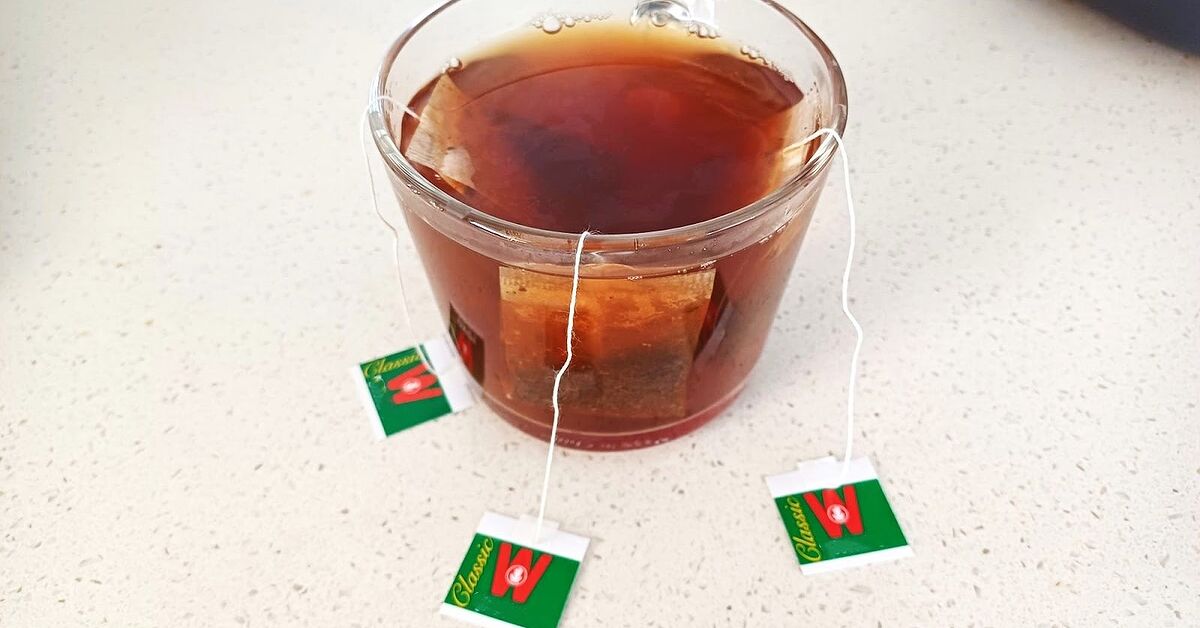
- Steep the used tea bags again. Place two used black tea bags in one cup of hot water. Let them steep for 10 to 15 minutes. You want a dark, concentrated tea, not a polite beige whisper.
- Let the tea cool completely. Never spray hot liquid on cold glass. Sudden temperature changes are not kind to glass, and nobody wants a cleaning hack that turns into a home repair bill.
- Pour the cooled tea into a spray bottle. If small tea particles are floating around, strain the liquid first. Specks on glass are just dirt wearing a new outfit.
- Dust the window first. Use a dry cloth or duster to remove loose dirt from the frame, sill, and glass. If you skip this, you may create muddy streaks.
- Spray lightly. Mist the glass instead of soaking it. Too much liquid is one of the fastest ways to get streaks.
- Wipe with a damp microfiber cloth. Work from top to bottom. Use long strokes rather than frantic circles. You are cleaning a window, not summoning a household spirit.
- Dry and polish immediately. Use a second dry microfiber cloth to buff the glass until it is clear. For larger panes, use a squeegee first, then dry the edges.
Optional Tea-and-Vinegar Version for Cloudy Glass
If your window has a cloudy film, a tiny splash of white vinegar can help. Mix one cup of strong cooled tea with one teaspoon of white vinegar. This adds mild acidity that can help cut through residue, especially on bathroom mirrors or kitchen glass.
Do not overdo the vinegar. More is not always better. Too much vinegar can leave its own smell and may require extra buffing. Think of vinegar as the backup singer, not the lead vocalist.
How to Prevent Streaks When Using Tea on Windows
Most streaks come from three villains: too much cleaner, dirty cloths, and cleaning in direct sun. Tea is no different. If the glass dries before you wipe it properly, streaks appear. If your cloth has laundry softener residue, streaks appear. If you spray the window like you are putting out a tiny fire, streaks appear and laugh at you.
Use Distilled Water If You Have Hard Water
Hard water can leave mineral spots behind. If your tap water is mineral-heavy, use distilled water to make the tea cleaner. This small change can make a big difference on mirrors and dark glass surfaces where every mark seems to arrive with a spotlight.
Clean on a Cloudy Day
Direct sunlight warms the glass and makes liquid evaporate too fast. That quick drying is a common cause of streaks. Clean windows in the morning, late afternoon, or on an overcast day. Your windows do not need a spa appointment at high noon.
Use Two Cloths, Not One
One cloth moves grime around. Two cloths finish the job. Use one slightly damp cloth to clean and one dry cloth to polish. Wash microfiber cloths without fabric softener, because softener can leave residue that transfers to glass.
Do Not Forget the Frames
Dirty frames drip dirty water. Before cleaning the glass, wipe the window frame and sill. This prevents dust from sneaking back onto your freshly polished pane like an uninvited guest at a dinner party.
Where You Can Use Tea Bag Glass Cleaner
Used tea bag cleaner works best on smooth glass surfaces that need a light refresh. Try it on:
- Interior windows
- Bathroom mirrors
- Glass cabinet doors
- Glass coffee tables
- Patio door fingerprints
- Small decorative mirrors
- Shower doors with light soap film
For shower doors with heavy mineral buildup, tea alone will not be enough. Use a more targeted method for hard-water deposits, then maintain the shine with tea between deeper cleanings.
Where You Should Not Use Tea Bag Cleaner
Natural does not mean universal. Tea has color, and color can stain porous materials. Avoid using tea cleaner on unfinished wood, unsealed stone, fabric shades, pale grout, or any surface that might absorb liquid. Also avoid using tea on electronic screens. Your laptop does not need Earl Grey energy.
Be cautious around white-painted frames. A properly diluted tea spray should not cause problems when wiped quickly, but letting dark tea sit on porous paint or unfinished trim is asking for drama. If unsure, test a hidden spot first.
Common Mistakes to Avoid
Using Sugared or Milky Tea Bags
Only use plain tea bags. If the tea had sugar, milk, cream, honey, lemon syrup, or anything sticky added, do not use it for cleaning. Sugar belongs in dessert, not smeared across a window in the name of sustainability.
Leaving Tea on the Glass Too Long
Tea should be wiped and polished while damp. If it dries on the surface, it may leave a faint film. Spray, wipe, dry, admire. That is the rhythm.
Using Paper Towels
Paper towels can leave lint behind and may create streaks. Microfiber cloths or a clean lint-free cotton cloth are better options. Newspaper is an old-school trick, but modern newspaper ink and paper quality vary, so microfiber is more dependable.
Expecting Tea to Remove Everything
Tea is great for light cleaning. It is not a miracle solvent. If your exterior windows are coated in pollen, mud, salt spray, or hard-water crust, start with a proper wash using water and a small amount of dish soap, then finish with tea for a gentle polish.
Used Tea Bags vs. Vinegar vs. Commercial Glass Cleaner
Each cleaner has a place. Used tea bags are best for light, natural maintenance. Vinegar is helpful for cloudy residue and mineral film, especially when diluted correctly. Commercial glass cleaners can be convenient for tougher messes or quick results, but some have strong fragrances or ingredients that not everyone wants indoors.
If you want the most natural routine, use tea for regular touch-ups and a mild vinegar-water solution when the glass needs extra help. If you want speed above all else, a good commercial cleaner may win. The best choice depends on the mess, the surface, and your tolerance for that “freshly cleaned laboratory” smell.
Eco-Friendly Disposal After Cleaning
After making your tea cleaner, the tea leaves may be compostable depending on the bag material. Many paper tea bags can go into compost, but some bags contain plastic fibers, glue, or staples. Remove staples and tags first. If the bag feels silky or synthetic, check the packaging before composting. When in doubt, cut the bag open and compost only the leaves.
The leftover tea solution should be used within a day or two and stored in the refrigerator if you plan to keep it briefly. Because homemade cleaners do not contain preservatives, it is better to make small batches. Tiny batches also prevent the deeply disappointing discovery of mystery liquid in a spray bottle three weeks later.
A Simple Weekly Window Routine
For most homes, you do not need to deep-clean every window every week. A quick routine is enough to keep glass looking bright:
- Daily: Spot-clean obvious fingerprints on mirrors or patio doors.
- Weekly: Use tea spray on high-touch glass areas.
- Monthly: Wipe frames, sills, and interior panes.
- Seasonally: Wash exterior windows more thoroughly.
This schedule is flexible. Homes near busy roads, trees, construction, ocean air, or enthusiastic children may need more frequent cleaning. Homes with no pets, no kids, and no one pressing their forehead against the glass to check the weather may need less.
Natural Window Cleaning Experience: What It Is Actually Like
The first time you clean a window with used tea bags, you may feel slightly ridiculous. There you are, standing in the kitchen with yesterday’s breakfast tea, aiming it at a smudged pane like you have discovered an ancient domestic secret. But the process quickly becomes satisfying because it is simple, quiet, and oddly charming.
In a real home setting, the tea-bag method shines on the windows that get touched constantly but never seem dirty enough to justify a full cleaning session. The glass door near the backyard is a perfect example. It collects fingerprints, palm marks, dog nose art, and the occasional forehead print from someone dramatically checking whether it is raining. A few sprays of cooled black tea, a microfiber wipe, and a dry polish can make the door look noticeably better in less than five minutes.
Kitchen windows are another good test. Cooking leaves a faint film on nearby surfaces, especially if you fry food or simmer sauces often. Used tea cleaner can help remove that light greasy haze without filling the room with a sharp chemical scent. It feels more like tidying than scrubbing, which makes the task easier to start. That matters. The best cleaning routine is not the one that sounds heroic; it is the one you will actually do on a Tuesday.
Bathroom mirrors respond well too, especially when the issue is toothpaste specks, fingerprints, or a general cloudy look. A tea spray followed by a dry microfiber cloth can restore shine quickly. If the mirror has heavy hairspray buildup or mineral spots from splashed water, adding a small amount of vinegar helps. The trick is to use less liquid than you think you need. Overspraying a mirror is how you end up chasing drips down the wall while questioning your life choices.
The most noticeable lesson from using tea bags is that the cloth matters as much as the cleaner. A clean microfiber cloth makes the glass look polished. A dusty old rag makes the glass look like you cleaned it with regret. The second dry cloth is the secret ending. Without it, the glass may dry unevenly. With it, the surface gets that satisfying clear finish that makes you step back and pretend you live in a magazine spread.
There is also a small emotional bonus. Reusing tea bags makes the chore feel less wasteful. It turns a throwaway item into a practical tool, even if only for a few minutes. That tiny act of reuse will not solve every environmental problem, of course, but it can make everyday cleaning feel more intentional. And when your windows are clear enough to let the morning light pour in, the whole room looks fresher. Not renovated. Not professionally staged. Just brighter, cleaner, and a little more awake.
The method is not perfect. It will not remove old paint specks, etched hard-water marks, or the mysterious sticky dot that has survived three holidays and one family argument. But for regular maintenance, it is easy, affordable, and pleasantly low drama. Used tea bags may not be glamorous, but neither are streaky windows. At least tea brings personality to the job.
Conclusion: A Clearer View, One Tea Bag at a Time
Natural window cleaning with used tea bags is a smart little household habit: simple, inexpensive, low-waste, and surprisingly effective for light glass cleaning. The method works best when you use plain black tea, apply it lightly, wipe with a clean microfiber cloth, and polish the glass dry before streaks have a chance to move in and start paying rent.
For heavier grime, tea should be part of a broader cleaning routine rather than the entire plan. But for fingerprints, light grease, cloudy mirrors, and everyday smudges, it is a charming solution hiding in your mug. So the next time you finish a cup of tea, do not toss the bag immediately. Let it cool, give it one more job, and enjoy the kind of clear window that makes sunlight look like it finally got its act together.
Note: Use only plain, unsweetened tea for cleaning. Always test on a small hidden area near painted frames or delicate surfaces before using any homemade cleaner widely.