

Note: This article is written as original publish-ready web content in standard American English and synthesizes real textile, sewing, gift-wrapping, and craft information without embedded source
Cotton sateen ribbons are the kind of small design detail that quietly walks into a room, straightens everyone’s collar, and makes the whole project look more expensive. At first glance, they may seem like ordinary fabric ribbons. Look closer, though, and you notice their personality: smooth surface, soft hand, gentle luster, and enough structure to tie into a bow without collapsing into a sad noodle.
The phrase “cotton sateen” combines two important ideas. “Cotton” refers to the natural fiber, loved for its softness, breathability, absorbency, and comfortable texture. “Sateen” refers to a weave or finish that gives cotton a smoother, slightly glossy face. In ribbon form, the result is a trim that feels more refined than rustic cotton tape but less slippery and dramatic than shiny satin ribbon. It sits in that sweet spot between casual and elegantbasically the cardigan of the ribbon world, but make it chic.
Cotton sateen ribbons are commonly used for gift wrapping, sewing trims, heirloom crafts, floral arrangements, wedding details, handmade ornaments, home décor, packaging, scrapbooking, and boutique branding. They can be narrow and delicate for embroidery finishing or wider and more expressive for bows, handles, drawstrings, and decorative accents.
Why Cotton Sateen Ribbons Feel Different
The Sateen Effect
Sateen is often confused with satin, and honestly, the fabric aisle does not always help. Satin is traditionally associated with a glossy weave made from filament fibers such as silk or synthetic yarns. Sateen, on the other hand, usually refers to a satin-style weave made with staple fibers like cotton. That construction produces a smooth, lustrous surface while keeping the natural softness and approachability of cotton.
For ribbons, this matters because the surface affects both appearance and behavior. Cotton sateen ribbon has a gentle glow rather than a mirror-like shine. It photographs beautifully without looking flashy. It also tends to feel more grounded and tactile than synthetic satin ribbon, which can sometimes slide around like it has dinner reservations elsewhere.
Softness with Structure
A good cotton sateen ribbon should feel smooth but not flimsy. It should bend, fold, and tie cleanly. When used in bows, it can hold shape better than very soft fabric strips while still looking natural. This makes it especially useful for projects where presentation matters: wedding favors, luxury gift boxes, handmade stationery bundles, flower bouquets, or linen-wrapped keepsakes.
The best cotton sateen ribbons balance drape and body. Too stiff, and the bow looks like it was trained by a drill sergeant. Too soft, and the loops droop before the recipient even says “thank you.” The ideal ribbon behaves politely but still has a little artistic swagger.
Popular Uses for Cotton Sateen Ribbons
Gift Wrapping That Looks Intentional
Cotton sateen ribbons are excellent for elevated gift wrapping. Their texture pairs beautifully with kraft paper, handmade paper, linen gift bags, matte boxes, botanical tags, wax seals, and pressed flowers. A cream cotton sateen ribbon on brown paper gives a warm, natural look. A deep green or burgundy ribbon can make holiday wrapping feel festive without turning the package into a glitter explosion.
Because cotton sateen is less slippery than many satin ribbons, it can be easier to knot securely. That makes it friendly for people who love pretty packages but do not want to wrestle a bow for twenty minutes while muttering things the holiday spirit cannot legally approve.
Wedding and Event Details
For weddings, cotton sateen ribbons can be used on invitations, vow books, bouquet handles, chair decorations, favor boxes, napkin bundles, welcome baskets, and ceremony programs. Their soft sheen works well with romantic, vintage, garden, minimalist, and cottage-inspired wedding styles.
One of the biggest advantages is that cotton sateen does not scream for attention. It supports the design. It adds softness, movement, and color without competing with flowers, calligraphy, or table settings. In wedding styling, that kind of quiet confidence is gold.
Sewing, Embroidery, and Heirloom Crafts
Cotton sateen ribbons are also useful in sewing and needlework. Narrow versions can finish ornaments, biscornu cushions, doll clothing, reproduction sewing projects, sachets, bookmarks, and keepsake bags. Wider versions can become drawstrings, decorative straps, garment ties, apron accents, or edging for fabric projects.
Because cotton can be stitched, pressed, folded, and handled more comfortably than some synthetics, it is a favorite among makers who care about texture. It can be hand-sewn onto fabric, machine-stitched as trim, or layered with lace, linen, velvet, grosgrain, or embroidery floss for dimensional effects.
Home Décor and Seasonal Styling
A roll of cotton sateen ribbon can quietly rescue a room from looking unfinished. Tie it around candle jars, use it on wreaths, wrap it around napkins, add it to curtain tiebacks, decorate storage baskets, or finish handmade pillow covers. It can also soften seasonal décor. For fall, try warm clay, olive, rust, or oatmeal tones. For spring, use blush, buttercream, sky blue, or sage. For winter, deep navy, evergreen, cranberry, and ivory are reliable charmers.
The ribbon’s texture helps bridge casual and polished materials. It looks good with wood, ceramic, linen, glass, paper, dried flowers, fresh greenery, and metal accents. That is a lot of compatibility for something that lives on a spool.
Cotton Sateen Ribbon vs. Other Ribbon Types
Cotton Sateen vs. Satin Ribbon
Satin ribbon is usually glossier, slicker, and more formal. It is great for dramatic bows, party décor, and traditional floral work. Cotton sateen ribbon has a softer shine and a more natural feel. Choose cotton sateen when you want elegance without the “prom limousine” level of gloss.
Cotton Sateen vs. Cotton Twill Tape
Cotton twill tape has a diagonal weave and a more utility-focused appearance. It is sturdy, casual, and excellent for sewing ties, labels, aprons, drawstrings, and garment construction. Cotton sateen ribbon looks smoother and more decorative. It is better when the ribbon will be seen as part of the design.
Cotton Sateen vs. Grosgrain Ribbon
Grosgrain ribbon has a ribbed texture and crisp structure. It is popular for hair bows, packaging, belts, trims, and accessories. Cotton sateen ribbon is smoother and softer, with a more fluid look. Grosgrain says “neat and tailored.” Cotton sateen says “softly elegant, but I still know how to make a bow behave.”
How to Choose the Right Cotton Sateen Ribbon
Width Matters
Ribbon width changes everything. A narrow 1/4-inch cotton sateen ribbon is delicate and ideal for ornaments, tags, embroidery finishing, and small keepsakes. A 5/8-inch ribbon is versatile for gift wrap, invitation bundles, and small bows. A 1-inch or wider ribbon has more visual impact and works well for bouquets, large packages, wreaths, and home décor.
For clean, modern wrapping, use one ribbon width and let the texture do the talking. For a layered, editorial look, combine cotton sateen with a thinner cord, velvet strip, or handmade paper tag. Just avoid using too many competing textures unless your goal is “craft drawer avalanche,” which is a bold but dangerous aesthetic.
Color Should Support the Mood
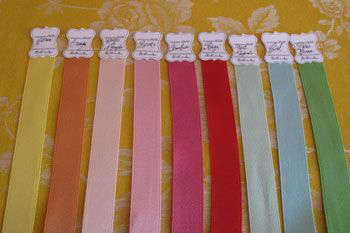
Neutral cotton sateen ribbonswhite, cream, oatmeal, taupe, gray, and soft brownare endlessly useful. They work for weddings, everyday gifts, baby showers, natural packaging, and minimalist décor. Rich colors like navy, forest green, wine, copper, and charcoal feel more dramatic. Pastels are lovely for spring, children’s gifts, Easter décor, and romantic stationery.
When choosing a color, think beyond the ribbon itself. Match it to the paper, fabric, flowers, or room. A ribbon should feel like part of the composition, not a random guest who arrived holding a casserole.
Check the Edge Finish
Some cotton sateen ribbons have clean woven edges, while others may have a softer or slightly frayed edge. Clean edges feel polished and formal. Frayed or raw-looking edges create a more relaxed, handmade effect. Both can be beautiful; the right choice depends on the project.
For wedding stationery, boutique packaging, or heirloom sewing, clean edges usually look best. For rustic gift wrap, floral styling, or farmhouse décor, a softer edge can add charm and movement.
How to Tie Better Bows with Cotton Sateen Ribbon
Start with Enough Length
Most bow disasters begin with optimism and not enough ribbon. For a standard small gift box, measure the ribbon around the box in both directions, then add extra length for tails and loops. For generous bows, add more than you think you need. Ribbon is like pasta: somehow the amount that looked reasonable at first becomes suspiciously small at the critical moment.
Use Gentle Tension
Cotton sateen ribbon responds well to firm but gentle handling. Pull the knot tight enough to secure it, but do not yank so hard that the fabric creases sharply. Smooth the loops with your fingers, adjust the tails, and trim the ends at an angle or in a fishtail cut for a finished look.
Press When Needed
If the ribbon arrives wrinkled from storage, a light press can help. Use a low to medium iron setting appropriate for cotton, and test first. A pressing cloth is a wise idea, especially for darker colors or delicate finishes. Steam can help relax wrinkles, but do not soak the ribbon unless you are prepared to dry and reshape it carefully.
Care and Storage Tips
Cotton sateen ribbon should be stored in a dry, clean place away from direct sunlight. Sunlight can fade colors over time, and humidity can make natural fibers feel limp or musty. Keep ribbon on its spool when possible, or wrap it around acid-free cards for small lengths. If you toss it loose into a drawer, it may emerge later as a ribbon tumbleweed with opinions.
For washable sewing projects, always test a sample first. Cotton can shrink, and dyes may behave differently depending on the manufacturer and finish. If you plan to use cotton sateen ribbon on garments, linens, or bags that will be washed, prewash and dry the ribbon the same way you plan to care for the finished item. This simple step can prevent puckering, color bleed, and post-laundry regret.
For decorative projects that will not be laundered, spot cleaning is usually safer. Dab gently with a damp cloth and mild soap if needed. Avoid harsh bleach, aggressive scrubbing, and high heat unless the ribbon’s care instructions clearly allow it.
Creative Project Ideas with Cotton Sateen Ribbons
1. Minimalist Gift Wrap
Wrap a box in matte white, kraft, or handmade paper. Tie it with cream cotton sateen ribbon. Add a tiny sprig of rosemary, eucalyptus, or dried lavender. The result looks thoughtful, calm, and expensive, even if the gift inside is socks. Good socks, hopefully.
2. Bouquet Streamers
Use long cotton sateen ribbon tails on bridal bouquets, bridesmaid flowers, or small market bouquets. The ribbon adds movement and softness, especially in outdoor photos. Choose colors that echo the flowers rather than matching them too perfectly.
3. Handmade Ornaments
For fabric ornaments, embroidered hoops, or cross-stitch pieces, cotton sateen ribbon makes a beautiful hanger. It feels softer and more heirloom-like than metallic cord and more refined than plain string.
4. Table Setting Details
Tie folded napkins with cotton sateen ribbon and tuck in a name card. This works for Thanksgiving, weddings, showers, birthdays, and dinner parties. It is one of the easiest ways to make a table look styled without needing a degree in centerpiece engineering.
5. Boutique Packaging
Small businesses can use cotton sateen ribbons to elevate packaging for candles, soaps, jewelry, stationery, handmade clothing, ceramics, and specialty foods. Natural fiber ribbon communicates care, texture, and quality. It also gives customers something they may reuse, which extends the life of the brand experience.
Buying Advice: What to Look For
When shopping for cotton sateen ribbons, look for fiber content, width, length, edge finish, color options, and care notes. If the ribbon is labeled 100% cotton, it should have a natural feel and may accept pressing or stitching well. Cotton blends may behave differently, sometimes offering more wrinkle resistance or durability but less of the pure cotton hand.
For craft projects, small rolls or by-the-yard ribbon may be enough. For wedding décor, packaging, or event styling, buy more than your exact measurement. Dye lots can vary, and running out halfway through a project is how a peaceful crafting afternoon becomes a detective drama.
If color accuracy matters, order samples when possible. Screens can misrepresent shade, especially for soft neutrals and muted colors. One brand’s “ivory” may be another brand’s “warm cream,” and one person’s “dusty rose” may be another person’s “fancy ham.” Samples solve arguments before they begin.
Experience Section: Working with Cotton Sateen Ribbons in Real Projects
The first time I used cotton sateen ribbon on a wrapped gift, I understood why small materials can change the whole feeling of a project. The paper was simple kraft paper, the tag was plain cardstock, and the ribbon did all the emotional heavy lifting. It gave the package texture, softness, and a little glow. The bow did not look plastic or overly shiny. It looked personal, as if someone had taken a few extra minutes and meant it.
In sewing projects, cotton sateen ribbon has a different kind of charm. It handles well under the fingers. When stitched onto a small linen pouch, it adds detail without making the project feel fussy. I have found that it works especially well on keepsake-style pieces: sachets, fabric bookmarks, ornament loops, drawstring bags, and handmade tags. It gives those items a finished look, but it still feels human. Not factory-perfect. Not messy. Just nicely made.
One practical lesson: press before you judge. Ribbon that looks unimpressive after being folded in storage can become lovely with a careful press. A wrinkled ribbon on the spool may look like it has been through a tiny textile thunderstorm, but a little heat and patience can bring back its smooth face. I always test a small end first, because finishes vary, and nobody wants a shiny iron-shaped tragedy on a beautiful ribbon.
Another lesson is to match the ribbon’s personality to the project. Cotton sateen ribbon is not always the best choice for huge, theatrical bows that need dramatic volume. Wired ribbon or crisp grosgrain may do that better. But for soft elegance, natural packaging, romantic details, and handmade finishing, cotton sateen is excellent. It knows how to be beautiful without shouting across the room.
For gift wrapping, I like using cotton sateen ribbon with textured paper and a small natural accent. A sprig of greenery, a dried orange slice, a pressed flower, or a handwritten tag can make the package feel thoughtful. The ribbon becomes the bridge between all those elements. It softens the edges, adds color, and makes the whole thing look composed.
For events, cotton sateen ribbons are useful because they scale well. A single bow on a favor box looks charming. Dozens of ribbons tied around napkins, programs, or bouquet stems create a cohesive visual theme. They are also easier to reuse than many flashy synthetic ribbons. After an event, shorter pieces can become bookmarks, ornament hangers, scrapbook accents, or tags for storage baskets.
The best part is that cotton sateen ribbon rewards thoughtful simplicity. You do not need complicated techniques. A neat knot, a soft bow, a clean tail cut, and a good color choice can do plenty. In a craft world full of hot glue emergencies and glitter with no known expiration date, that simplicity feels refreshing. Cotton sateen ribbon is proof that a small strip of fabric can make a project look warmer, softer, and more intentionalwithout demanding its own parade.
Conclusion
Cotton sateen ribbons are small but powerful design tools. They combine the softness of cotton with the smooth, refined finish of sateen, making them useful for gift wrapping, sewing, wedding décor, home styling, floral work, packaging, and heirloom crafts. Their gentle sheen feels elegant without looking artificial, while their natural texture keeps projects warm and approachable.
Whether you are tying a bouquet, finishing an embroidered ornament, wrapping a birthday gift, styling a dinner table, or giving your handmade products a polished final touch, cotton sateen ribbon brings quiet beauty to the details. And details matter. They are the difference between “I wrapped this in the car” and “Yes, I absolutely have my life together.” Even when you do not.