

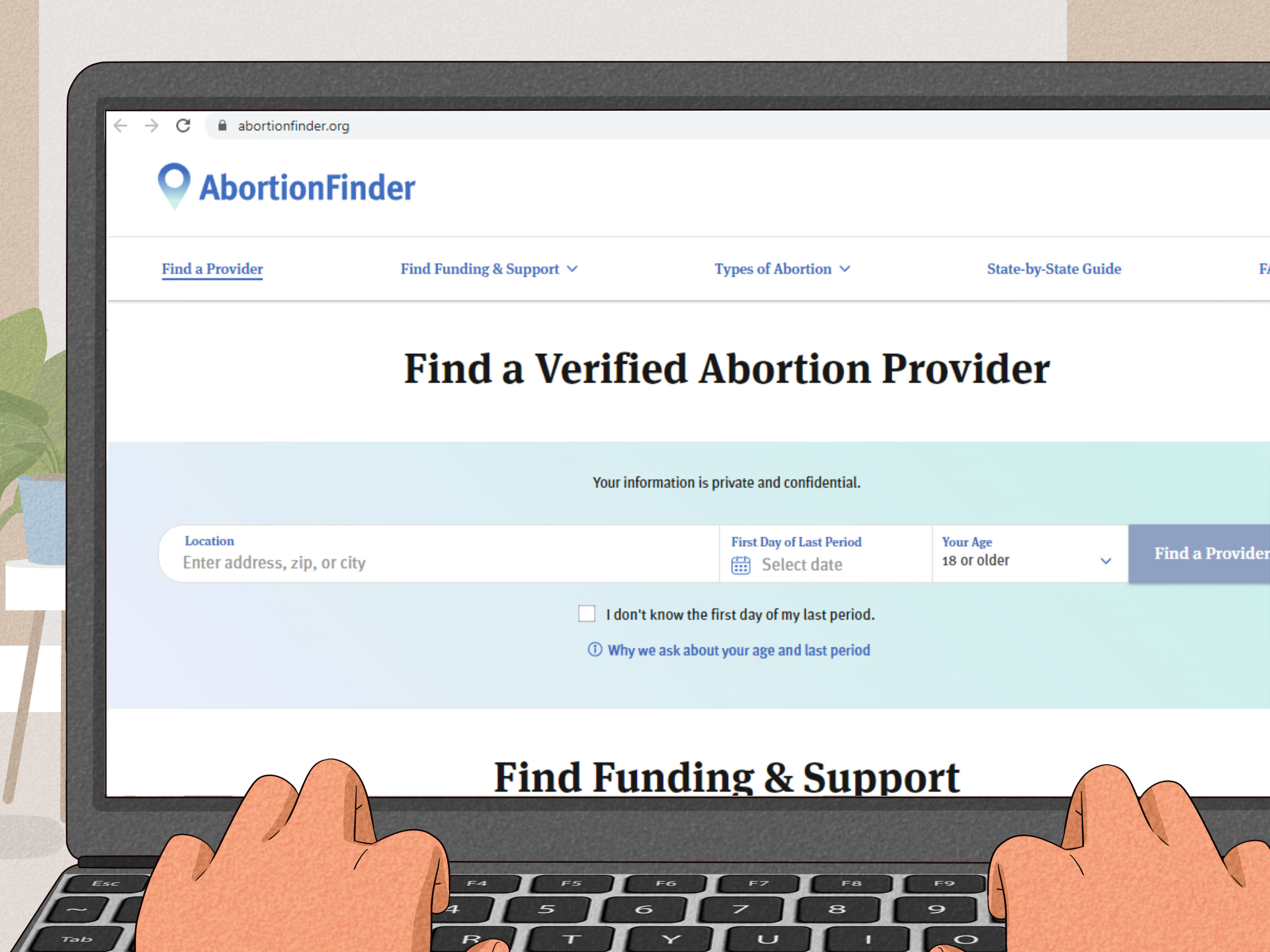
A positive pregnancy test can turn an ordinary Tuesday into a full-blown life spreadsheet. Suddenly, you are searching for answers, comparing options, checking laws, reading reviews, and trying to figure out which door leads to actual medical care. In that stressful moment, a place offering “free pregnancy testing,” “options counseling,” or “abortion information” may look like a calm lighthouse in the fog. But not every lighthouse is plugged in.
Crisis pregnancy centers, often called CPCs, pregnancy resource centers, pregnancy help centers, or limited-service pregnancy centers, are organizations that usually present themselves as places for pregnancy-related support. The problem is that many do not provide comprehensive reproductive healthcare. Many do not offer abortion, abortion referrals, contraception, or unbiased medical counseling. Instead, their main mission is often to discourage people from choosing abortion.
This article explains what crisis pregnancy centers are, how they operate, why many health experts and consumer protection officials warn people to avoid them, and how to find legitimate reproductive healthcare without getting pulled into a maze of vague websites, cheerful stock photos, and “we offer information” language that says everything and nothing at the same time.
What Are Crisis Pregnancy Centers?
Crisis pregnancy centers are typically nonprofit organizations that offer pregnancy-related services such as free pregnancy tests, peer counseling, diapers, baby clothes, parenting classes, and sometimes ultrasounds. On the surface, that may sound helpful. Some people who already know they want to continue a pregnancy may appreciate material support. The concern is not that baby wipes exist. Baby wipes are innocent. The concern is whether a person seeking medical information receives accurate, complete, and patient-centered care.
Many CPCs are religiously affiliated or connected to anti-abortion networks. Their websites may use warm, neutral-sounding language such as “all your options,” “confidential support,” “pregnancy choices,” or “pre-abortion screening.” However, many of these centers do not provide abortion care and may not refer patients to clinics that do. In some cases, they also do not provide contraception, STI care, prenatal care from licensed clinicians, or ongoing medical treatment.
A legitimate healthcare clinic should be clear about its services, licensed status, providers, privacy practices, and referrals. A crisis pregnancy center may blur those lines. It may look like a clinic, sound like a clinic, and use medical-style language, but still not operate under the same standards as a real reproductive health clinic.
Why Crisis Pregnancy Centers Can Be Misleading
1. They May Advertise Like Abortion Clinics Without Providing Abortions
One of the biggest criticisms of CPCs is that they often appear in search results for phrases like “abortion clinic near me,” “abortion information,” or “pregnancy options.” Some are located near actual abortion providers or use names that sound similar to medical clinics. To someone rushing to make a time-sensitive healthcare decision, that can be extremely confusing.
Imagine searching for a dentist, making an appointment, sitting in the chair, and then discovering the office only offers inspirational posters about flossing. That would be annoying. With pregnancy care, the stakes are much higher. Delays can affect which medical options are available, how much care costs, and whether a person must travel to another state for treatment.
2. They May Delay Time-Sensitive Care
Pregnancy-related decisions often depend on timing. Gestational age matters for abortion access, prenatal screening, miscarriage care, and ectopic pregnancy evaluation. A delay of even a few days can make care more complicated, especially in states with strict abortion limits.
Some consumer advisories warn that CPCs may encourage extra appointments, offer non-diagnostic ultrasounds, or provide vague information that slows people down. If someone is trying to understand all options quickly, a center that does not provide or refer for complete care can become a detour. And unlike a scenic detour, this one does not come with a cute roadside pie shop.
3. They May Give Inaccurate or Incomplete Medical Information
Medical groups have raised concerns that some crisis pregnancy centers promote claims that are not supported by strong evidence. Examples include claims that abortion causes breast cancer, infertility, severe long-term mental health problems, or that medication abortion can be reliably “reversed.” Major medical organizations and scientific reviews do not support these claims.
Accurate counseling should explain benefits, risks, alternatives, and follow-up care without pressure. A person deserves facts, not fear. Healthcare is already confusing enough without someone adding dramatic background music to the appointment.
Common Warning Signs of a Crisis Pregnancy Center
Not every CPC looks exactly the same, but many share recognizable patterns. A website or office may be a crisis pregnancy center if it advertises free pregnancy tests, ultrasounds, or “abortion education” but does not clearly say whether it provides abortion care. Vague language is often a clue. Phrases like “we can discuss your options” may sound helpful, but they do not necessarily mean the center offers all options.
Other warning signs include no licensed medical provider listed on the website, no clear privacy policy, no direct answer when you ask whether they provide abortions or referrals, and language that strongly discourages contraception or abortion. Some centers may ask for personal details before clearly explaining what they do. If the website feels like a fog machine wearing a lab coat, pause and verify.
Privacy Concerns: Your Information May Not Be Protected the Same Way
Many people assume that anything shared in a pregnancy-related setting is protected like medical information in a doctor’s office. That is not always true. HIPAA generally applies to covered entities such as certain healthcare providers, health plans, and healthcare clearinghouses. If a crisis pregnancy center is not a licensed medical provider or otherwise covered by HIPAA, it may not be legally required to protect your information under the same federal medical privacy rules.
That matters because pregnancy status, abortion intentions, contact information, ultrasound images, and appointment details are highly sensitive. Before sharing personal information, ask: Is this a licensed medical clinic? Who will see my information? Will it be shared with outside organizations? Can I receive services without giving unnecessary personal details? A trustworthy provider should answer clearly, not respond like a politician dodging a yes-or-no question on live television.
Why Medical Licensing Matters
A real reproductive healthcare clinic is usually staffed by licensed professionals such as physicians, nurse practitioners, physician assistants, registered nurses, or certified medical staff. Licensed providers are accountable to professional standards, state regulations, privacy rules, and medical ethics.
Some crisis pregnancy centers may have licensed personnel involved, but many rely heavily on volunteers or nonmedical staff. Some offer ultrasounds, but an ultrasound at a limited-service center may not be the same as a diagnostic medical ultrasound interpreted by qualified clinicians. This is important because early pregnancy complications, including ectopic pregnancy, require timely medical evaluation. A friendly smile cannot diagnose a medical emergency. Neither can a brochure, no matter how glossy.
How CPCs Use Language to Sound Neutral
One reason crisis pregnancy centers are hard to identify is that their language is polished. They may avoid saying “anti-abortion” on the homepage. Instead, they may say they provide “compassionate care,” “empowering information,” or “choices.” Those words sound lovely. Who is against compassion? Nobody. Even your houseplant wants compassion.
The issue is whether the center provides evidence-based information and real referrals. “Options counseling” should mean all pregnancy options: parenting, adoption, abortion, prenatal care, and contraception when appropriate. If a center discusses only parenting and adoption, or presents abortion mainly through fear-based claims, that is not balanced counseling.
How to Verify a Legitimate Reproductive Healthcare Provider
Before booking an appointment, check the clinic’s official website carefully. Look for specific services, licensed providers, and clear contact information. Call and ask direct questions: “Do you provide abortion care?” “Do you provide abortion referrals?” “Do you offer contraception?” “Are medical services provided by licensed clinicians?” “Will my information be protected under HIPAA?”
You can also check state health department resources, established hospital systems, federally qualified health centers, licensed OB-GYN practices, and recognized reproductive healthcare organizations. Reviews can help, but remember that online reviews are not a medical license. A five-star review is nice; a licensed clinician is better.
Why Avoid Crisis Pregnancy Centers If You Want Full Pregnancy Options?
The main reason to avoid crisis pregnancy centers is simple: if you need comprehensive, unbiased, evidence-based reproductive healthcare, CPCs may not provide it. They may offer emotional support or material items, but they often do not offer the full range of medical options. For someone considering abortion, miscarriage care, contraception, STI testing, or urgent pregnancy evaluation, that gap can be serious.
Avoiding a CPC does not mean refusing support. It means choosing support that is honest about what it can and cannot do. If you want diapers, parenting classes, or community aid, you can still look for programs that are transparent and respectful. If you want medical care, go to a licensed medical provider. The right door depends on what you need.
Specific Examples of Potential Harm
A person who searches for “abortion clinic near me” may accidentally schedule with a CPC that does not provide abortions. At the appointment, they may receive a pregnancy test, a conversation about parenting, and a suggestion to come back later for an ultrasound. By the time they realize the center does not offer abortion or referrals, they may have lost valuable time.
Another person may be told misleading information about abortion risks, such as claims about cancer or infertility. Fear-based counseling can make an already stressful decision feel impossible. Someone else may share private information without realizing the center is not covered by the same privacy standards as a medical clinic. These are not tiny paperwork problems. They affect health, time, money, privacy, and personal autonomy.
What to Do If You Already Visited a Crisis Pregnancy Center
First, take a breath. Accidentally visiting a CPC does not mean you did anything wrong. These centers are often designed to look like neutral medical offices, so confusion is common.
If you received medical information there, verify it with a licensed healthcare provider. If you had an ultrasound, ask a real clinic whether you need a diagnostic ultrasound or follow-up care. If you shared personal details, review any forms you signed and ask the center how your information is stored and shared. If you believe you were misled, some states allow consumer complaints through the attorney general’s office or civil rights division.
Questions to Ask Before Any Pregnancy-Related Appointment
Use direct questions. Do not worry about sounding rude. Your health is not a group project where politeness gets extra credit. Ask whether the clinic provides abortion care, prenatal care, miscarriage care, contraception, STI testing, and referrals. Ask whether licensed medical professionals are on site. Ask whether your visit is confidential under HIPAA. Ask whether the ultrasound is diagnostic and who interprets it.
If the answers are vague, evasive, or judgmental, consider that useful information. A trustworthy medical provider should not need a treasure map to explain basic services.
How to Support Someone Who Might Be Targeted by a CPC
If a friend, partner, sibling, or classmate is pregnant and overwhelmed, do not push them. Pressure is the problem, not the solution. Offer to help them verify clinics, compare official websites, call providers, or find transportation. Encourage them to speak with a licensed clinician. Respect their privacy and their decision-making process.
The most helpful sentence may be: “You deserve accurate information and real medical care.” It is simple, calm, and much better than launching into a 43-slide lecture while someone is already stressed.
Experiences and Real-World Lessons: What People Often Notice About Crisis Pregnancy Centers
Many reported experiences with crisis pregnancy centers follow a similar pattern. A person searches online while anxious, often late at night, and finds a center that appears warm, local, and professional. The website may feature smiling people, soft colors, and words like “choice,” “care,” and “confidential.” Nothing screams “agenda.” It looks safe. It looks helpful. It looks like the internet finally decided not to be chaotic for five minutes.
Then the person calls. Instead of receiving a clear answer about abortion services, they may hear, “Come in and we can talk about your options.” That sounds reasonable, but it may also avoid the main question. When someone asks, “Do you provide abortions?” the answer should be direct. If the center does not provide abortions, the honest answer is, “No, we do not.” A lot of frustration begins when simple questions get wrapped in verbal bubble wrap.
At an appointment, some people describe feeling cared for at first. Staff may be friendly, offer water, ask about emotions, and provide a free pregnancy test. Kindness can be real, even when the information is incomplete. That is part of what makes the situation complicated. A person may think, “They were nice, so this must be medical care.” But friendliness is not the same as clinical accuracy. Your barista may be delightful, but you would not ask them to interpret an ultrasound.
Another common experience is surprise. Some visitors only realize later that the center was anti-abortion or did not offer comprehensive reproductive healthcare. They may feel embarrassed, angry, or manipulated. That reaction is understandable. CPC marketing can be confusing by design, especially when centers use phrases associated with real clinics or appear in search results for abortion-related terms.
People also report pressure that may be subtle rather than dramatic. Not every CPC experience involves shouting or obvious scare tactics. Sometimes pressure looks like repeated follow-up calls, emotional language, selective facts, or a strong focus on parenting while abortion is described only in frightening terms. Good counseling should not feel like a courtroom where your future is on trial.
A practical lesson from these experiences is to verify before visiting. Search the exact clinic name plus words like “abortion,” “birth control,” “licensed,” and “reviews.” Read the services page carefully. Call and ask yes-or-no questions. If the person on the phone will not answer directly, that is a red flag waving so hard it may need a wind advisory.
Another lesson is to protect privacy. Avoid sharing unnecessary personal details until you know what kind of organization you are contacting. You can ask about services without giving your full name, address, school, employer, partner’s name, or detailed medical history. A legitimate clinic may eventually need medical information to provide care, but first it should clearly explain who it is and what it offers.
Finally, remember that support and medical care are not the same thing. A crisis pregnancy center may offer emotional support or baby supplies. That does not make it a substitute for licensed healthcare. If you need a pregnancy diagnosis, abortion care, miscarriage evaluation, prenatal care, contraception, or emergency guidance, start with a licensed medical provider. Keep your decision-making power where it belongs: with you, supported by accurate information.
Conclusion: Choose Clear, Licensed, Evidence-Based Care
Crisis pregnancy centers can look helpful, but many are not designed to provide full reproductive healthcare. They may avoid direct answers, discourage abortion, provide incomplete or inaccurate medical information, and operate without the same privacy and licensing standards as real clinics. When a pregnancy decision is time-sensitive, that matters.
The safest path is to seek care from licensed, transparent providers who clearly state what services they offer, protect your privacy, and give evidence-based information without pressure. A real healthcare visit should help you understand your options, not steer you through a maze with a smiley-face sticker at every dead end.
Note: This article is for general educational purposes only and is not a substitute for medical advice. For personal pregnancy-related care, contact a licensed healthcare provider or local health department.