

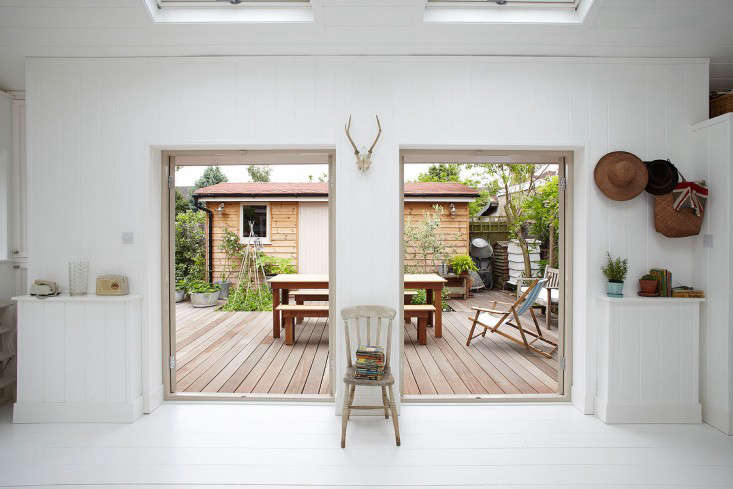
Summer has a funny way of exposing the truth about a living room. In winter, a space can hide behind chunky blankets, moody lamps, and the comforting excuse that everyone is too cold to judge the coffee table. But once the light gets brighter and the windows stay open longer, suddenly the room starts talking. The heavy rug looks a little sleepy. The gray sofa seems to be asking for a vacation. The corner chair that once felt “minimalist” now looks like it has been grounded for bad behavior.
That is where the summer living room comes in. This is not about turning your home into a beach rental, nor does it require a nautical rope lamp, three decorative oars, and a bowl of shells large enough to confuse guests. The best summer living room ideas for today are fresher, more personal, and far more livable. Think breezy textiles, soft color, sculptural seating, vintage pieces, natural materials, playful patterns, and a layout that makes people want to sit down instead of admire the room from a respectful distance.
The current obsession in home decor is not perfection. It is personality. The summer living room should feel easy, collected, and slightly sun-kissed, as if it has good stories, cold lemonade, and excellent playlist taste. Below is a practical, stylish guide to creating one.
What Makes a Living Room Feel Like Summer?
A summer living room is not defined by one color palette or one design style. It is defined by atmosphere. The room should feel lighter without becoming empty, brighter without becoming loud, and relaxed without looking abandoned. The goal is to make everyday living feel a little more like a weekend, even if your actual weekend includes laundry, emails, and pretending the houseplants are “thriving.”
In 2026, living room design is moving toward expressive, layered spaces. Homeowners are less interested in showroom-perfect rooms and more interested in spaces that reflect real life. That shift works beautifully for summer because seasonal decorating should feel flexible. You do not need to remodel. You need to edit, refresh, and add a few elements that change the mood.
Start With Lightness, Not Emptiness
One of the biggest mistakes in summer decorating is removing so much that the room loses its soul. A light summer living room does not mean bare walls and one lonely vase. Instead, swap visual weight for breathable texture. Replace heavy velvet pillows with cotton, linen, or slub-weave covers. Fold away thick throws and bring in a lighter blanket in ivory, pale blue, clay, sage, or butter yellow. Roll up a dark rug if the floor underneath is worth showing off, or layer in a flatweave rug for a breezier foundation.
The difference is immediate. The room still feels designed, but it has room to breathe. Like switching from boots to sandals, but for your sofa.
The Color Palette: Sun-Washed, Warm, and Not Afraid of Fun
White and gray living rooms had a long run. They were clean, calm, and very good at looking expensive in real estate photos. But current living room trends are embracing warmer, more individual color palettes. For summer, this does not mean painting every wall tangerine. It means choosing colors that make the space feel alive.
Soft peach, blush, muted coral, sandy beige, creamy white, olive green, sky blue, indigo, terracotta, and golden straw all work well in a summer living room. These shades feel seasonal without becoming costume-y. A room can whisper “coastal afternoon” without screaming “gift shop by the pier.”
Try the 70-20-10 Rule
A simple way to balance color is the 70-20-10 rule. Let about 70 percent of the room stay neutral or grounding, such as walls, large furniture, and flooring. Use 20 percent for secondary color through curtains, rugs, accent chairs, or larger pillows. Save 10 percent for the fun: a citrus lamp, striped ottoman, patterned pillow, painted side table, or framed art with a punchy color.
For example, a summer living room might use warm white walls and a natural jute rug as the base. Add a blue-and-cream striped chair or patterned curtains as the secondary layer. Then finish with tomato-red candlesticks, a brass tray, and a vase of zinnias. It feels cheerful, but no one needs sunglasses indoors.
Curved Furniture Is Still Having a Moment
One of the strongest current living room obsessions is soft, curved furniture. Rounded sofas, plump lounge chairs, oval coffee tables, scalloped edges, and organic silhouettes make a room feel welcoming. Sharp lines can look sleek, but in summer, comfort wins. A curved sofa says, “Come sit.” A rigid, square-armed sofa says, “Please do not disturb the architecture.”
If you are buying a major piece, consider a sofa or chair with a relaxed profile, lower stance, or rounded arms. If you are not buying furniture, introduce curves in smaller ways. A round woven tray, ceramic lamp, arched mirror, drum stool, or soft-edged side table can shift the energy of the room without requiring a furniture delivery window that consumes your entire Saturday.
Vintage Pieces Make Summer Rooms Feel Collected
Vintage decor is especially powerful in a summer living room because it brings warmth and character. A vintage rattan chair, antique side table, old landscape painting, framed botanical print, brass lamp, or weathered wood stool can keep the room from feeling too new. The best summer spaces often look like they evolved over time, even if you assembled them over two weekends and one very determined online shopping session.
The key is balance. Pair old with new. A vintage sideboard looks fresh with modern art above it. A traditional floral chair feels less fussy beside a clean-lined sofa. A flea-market coffee table becomes charming when styled with a contemporary ceramic bowl and a stack of books. This is the sweet spot: nostalgic, but not dusty; charming, but not trapped in a time capsule.
What to Look for When Thrifting
Search for pieces with good shape, useful scale, and real material. Woven stools, small wood tables, ceramic lamps, framed art, trays, baskets, and mirrors are great entry points. Avoid anything that smells like a basement with secrets. Also, measure before you buy. Summer spontaneity is lovely; discovering a coffee table is the size of a small boat is less lovely.
Natural Materials Are the Shortcut to Breezy Style
Natural materials instantly make a living room feel relaxed. Rattan, cane, wicker, bamboo, linen, cotton, jute, sisal, wood, stone, terracotta, and ceramic all bring texture without overwhelming the eye. They also pair well with almost every design style, from coastal to traditional to modern organic.
A rattan tray can corral remotes. A woven basket can hold blankets. Linen curtains can soften the windows. A ceramic lamp can add handmade imperfection. A jute rug can ground the room while keeping it casual. These materials are also forgiving, which is important in summer when the living room may host sandy feet, iced coffee condensation, kids, pets, and that one guest who treats throw pillows like negotiable suggestions.
Pattern Is Back, But It Has Manners
Pattern is one of the easiest ways to make a summer living room feel current. Stripes, florals, checks, block prints, botanical motifs, animal prints, and small geometric designs can all work. The trick is to mix patterns with intention instead of dropping them into the room like confetti at a design parade.
Start with one hero pattern. It could be striped curtains, a floral pillow, a patterned ottoman, or a rug with subtle movement. Then add one or two supporting patterns in different scales. A large floral pairs well with a thin stripe. A bold check works with a small botanical print. Keep a shared color running through the patterns so the room feels layered rather than chaotic.
Summer Pattern Pairings That Work
Try blue stripes with block-print pillows. Pair a faded floral chair with a plain linen sofa. Use a checked throw with a terracotta cushion. Add a small animal-print accent pillow to a mostly neutral room for a little wink. Animal print, used sparingly, acts almost like a neutral with better stories.
Lighting Should Feel Like Golden Hour
Summer lighting is about softness. Harsh overhead lighting can make even the prettiest living room feel like a dentist’s waiting area. Instead, create layers. Use table lamps, floor lamps, sconces, picture lights, and candles to build a warmer mood.
Oversized and sculptural lighting is also trending, and it works well in summer when the rest of the room is lighter. A large woven pendant, ceramic lamp, pleated shade, or brass floor lamp can become the room’s focal point. If your ceiling fixture is bland, replacing it with something more distinctive can change the entire room.
For bulbs, choose warm white rather than cool white. Cool light can make a room feel sterile. Warm light flatters natural textures, wood tones, skin tones, and snacks. Never underestimate the importance of lighting that makes guacamole look heroic.
Rethink the Layout for Conversation
A summer living room should encourage connection. Instead of pushing every seat toward the television, try arranging furniture for conversation. Pull chairs closer to the sofa. Add a small drink table between seats. Use an ottoman that can double as extra seating. Create a reading corner near the window. Make sure people have a place to set a glass, because balancing iced tea on a sofa arm is how upholstery develops trust issues.
Smaller, more intimate seating arrangements are becoming more appealing than oversized furniture that dominates the room. A sofa with two chairs often feels more flexible than one massive sectional. If you already own a large sectional, soften it with lightweight pillows, a textured throw, and a coffee table that leaves enough walking space.
The Summer Coffee Table: Edited, Useful, and Pretty
The coffee table is the living room’s tiny stage, and in summer it should not look like a storage facility for unopened mail. Keep it edited. A tray, a candle, a small vase, a book, and one decorative object are usually enough. Add seasonal life with fresh flowers, a bowl of citrus, a small fern, or clipped greenery from the yard.
For a practical summer setup, include coasters, a lidded box for remotes, and space for drinks or snacks. A beautiful coffee table that cannot hold a bowl of chips is not a coffee table; it is a sculpture with unrealistic expectations.
Bring the Outdoors In Without Going Full Jungle
Real plants and fresh flowers make a summer living room feel alive. If you are not a plant expert, start with low-maintenance options such as pothos, snake plant, ZZ plant, or philodendron. Put them in baskets, ceramic pots, or simple terracotta planters. Fresh branches in a tall vase can also make a big impact and often last longer than delicate flowers.
Plants add color, texture, and softness. They also help connect the living room to the season outside. Just avoid overdoing fake greenery. A few realistic faux stems can be fine in a dark corner, but a room full of plastic plants can start to feel like a restaurant lobby trying its best.
Scentscaping: The Invisible Layer of Summer Decor
A summer living room is not only visual. Scent changes how a room feels. Citrus, basil, mint, fig, coconut, tomato leaf, sea salt, lavender, and light wood notes can all create a seasonal mood. Use candles, reed diffusers, linen sprays, or essential oil diffusers, but keep the fragrance subtle. The goal is “fresh summer house,” not “perfume counter in a wind tunnel.”
Match scent to the room’s purpose. For relaxing evenings, choose soft herbal or woody notes. For daytime gatherings, citrus or green scents feel clean and energetic. If you cook nearby, avoid fragrances that fight with food. Vanilla candle plus garlic pasta is a plot twist nobody requested.
Affordable Summer Living Room Updates
You do not need a luxury budget to refresh your living room. The most effective changes are often small. Swap pillow covers. Change lampshades. Replace heavy curtains with linen or cotton panels. Add a striped throw. Paint a side table. Frame inexpensive art. Move furniture around. Bring in a thrifted mirror. Style books by color or subject. Add a tray to organize clutter.
If you want one high-impact update, choose curtains. Hanging curtains higher and wider than the window can make the room feel taller, softer, and more finished. Choose breezy fabric that filters light. If privacy is an issue, layer sheers with woven shades or lined panels.
What to Avoid in a Summer Living Room
Avoid overly themed decorating. Coastal style is beautiful; a room that looks like a seafood restaurant is not. Skip mass-produced wall art with obvious phrases. Avoid too many tiny accessories, which create visual clutter. Be careful with all-white rooms if you actually live in the space. Summer living rooms should welcome life, not require guests to sign a fabric liability waiver.
Also avoid copying a room exactly from social media. Inspiration is useful, but your space should reflect your habits, light, climate, architecture, and personality. The best living room is not the one that gets the most likes. It is the one where people naturally gather.
Experience Section: Living With a Summer Living Room
The real test of a summer living room is not how it photographs at 3 p.m. with perfect light. The real test is how it behaves when life arrives. A good summer living room can handle an iced coffee on the table, a stack of magazines, a sleepy dog, a friend dropping by, and someone opening the windows because “there’s a breeze,” even though the breeze is mostly optimism.
In practice, the most enjoyable summer living rooms are the ones that feel easy to use. Lightweight throws get used on cool evenings. Washable pillow covers survive sunscreen, snacks, and mystery smudges. A tray on the coffee table keeps things from wandering. A basket near the sofa hides sandals, toys, or extra blankets. These details may not sound glamorous, but they are the difference between a room that looks styled and a room that actually supports daily life.
One of the best experiences is changing the room gradually instead of all at once. Start by opening the curtains and removing anything that feels visually heavy. Then live with the room for a day. Notice where the light lands. Notice which chair nobody chooses. Notice whether the coffee table is useful or just decorative furniture with an attitude problem. After that, make small changes based on how the room works.
For example, moving a chair closer to the window can create an instant reading spot. Replacing a dark lampshade with a natural linen shade can make evening light softer. Switching three winter pillows for two patterned summer pillows can make the sofa feel new. Adding flowers or branches can bring height and freshness. None of these changes requires a renovation, but together they shift the mood of the room.
Another underrated summer living room experience is hosting casually. The room should make it easy to say yes to people coming over without launching a full housekeeping emergency. Keep surfaces edited, seating flexible, and lighting flattering. Have coasters available. Use a washable rug if your household is active. Keep a playlist ready. Add a fan if the room gets warm. The goal is comfort with style, not style that collapses when someone asks where to put their drink.
Texture also matters more in real life than it does in photos. Linen curtains moving slightly in the breeze, a woven basket beside the sofa, a cool ceramic vase, a soft cotton throw, and a smooth wood table all make the room more sensory. Summer decorating is not only about what you see; it is about what the room feels like when you are barefoot, relaxed, and not rushing.
The best part is that a summer living room does not have to be perfect. In fact, it is better when it is not. A slightly faded rug, a thrifted table, mismatched pillows, a stack of books, and a plant leaning dramatically toward the sun can make the space feel human. Summer rooms should have movement. They should change with flowers, fruit, guests, light, and mood. They should feel like a living room, not a showroom holding its breath.
Conclusion: The Summer Living Room Is Personal, Not Perfect
The current obsession with the summer living room is really an obsession with livable beauty. It is about creating a space that feels fresh, comfortable, expressive, and ready for real life. Use lighter textiles, warmer color, curved shapes, vintage finds, natural materials, layered lighting, and a few playful patterns. Edit what feels heavy, keep what tells a story, and add pieces that make the room feel like yours.
A summer living room should invite people in. It should make morning coffee feel brighter, evening conversations feel longer, and ordinary afternoons feel a little more generous. You do not need to chase every trend. Choose the ideas that fit your home, your budget, and your actual life. The result will be a room that feels current without trying too hard, stylish without becoming stiff, and relaxed without losing its charm. In other words, exactly where everyone will want to sit.