

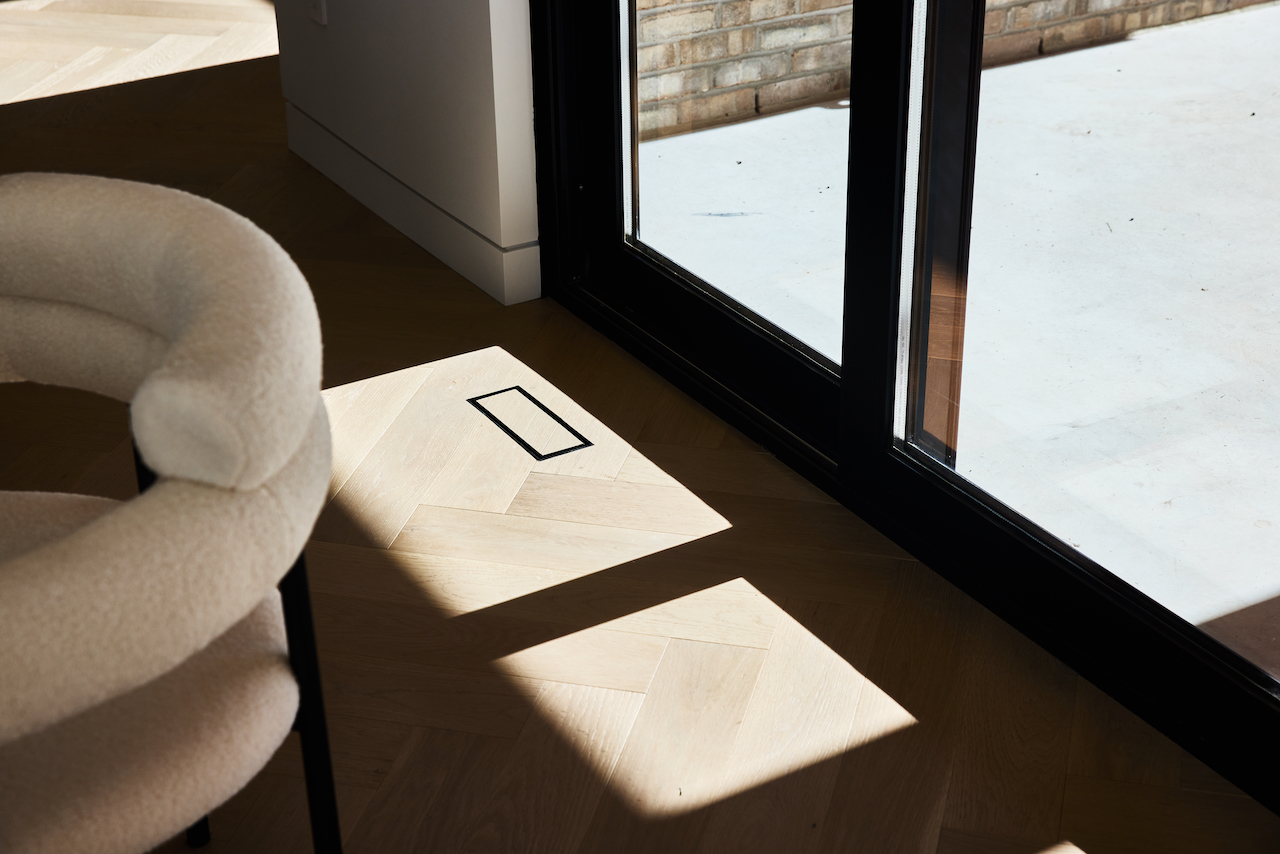
Some home upgrades arrive with fireworks. A new island. A dramatic paint color. A sofa so handsome it deserves its own agent. But the upgrades that often make a room feel truly finished are the ones nobody brags about at dinner: vent covers, switch plates, outlet trims, cabinet hardware, return grilles, and the other quiet little details that usually get stuck doing thankless labor while looking vaguely builder-grade.
That is exactly why Fittes has caught the attention of design lovers. The brand built a reputation around making practical necessities look intentional instead of accidental. In other words, the vent no longer looks like it lost a fight with the subfloor. It looks custom. And once you notice how much cleaner a streamlined vent or low-profile wall detail feels, it becomes very hard to unsee the clunky stuff around it.
The big idea behind the “sleek is sexy” philosophy is simple: when the visual clutter goes down, the whole room looks more expensive, more edited, and more thoughtful. Best of all, many of these upgrades do not require a full remodel. Some are true DIY swaps. Others are easiest during flooring or drywall work. Either way, they prove that small architectural details can carry major style weight.
Why Unloved Details Matter More Than You Think
Designers have been saying for years that polished rooms come from consistency, not chaos. That does not only apply to furniture and paint. It applies to the things you touch and see every day: the vent in the hallway, the switch plate in the kitchen, the register under the window, the outlet on the backsplash, the return grille in the den, and the hardware on the vanity. If those elements clash, look cheap, or stick out for the wrong reasons, the room can feel unfinished even when everything else is lovely.
This is why a modest, well-chosen swap can punch above its weight. A sleeker vent cover reduces visual interruption on the floor or wall. A flatter, paint-friendly wall plate can blend into trim and color drenching. A better hardware finish can tie together faucets, sconces, and cabinet pulls. It is the decorating equivalent of hemming your pants: nobody applauds the hem, but everybody notices when the fit is right.
Minimalist spaces especially benefit from these upgrades because every visible object has more pressure on it to behave. In a pared-back room, one chunky plastic vent can look louder than a marching band.
What Fittes Gets Right
Fittes entered the conversation by rethinking one of the least glamorous features in the house: the HVAC vent. Founded in 2016, the company focused on making vents that blend into floors and walls rather than interrupt them. The appeal is not just that the products look modern. It is that the brand offers different installation paths depending on how far along your project is.
Framed vs. Flush: The First Decision
If you want the easiest path, framed models are the friendliest option. Fittes framed floor and wall vents are designed as retrofit-friendly upgrades. The framed floor versions sit on top of the finished surface with a visible rim, while framed wall versions are especially appealing for quick DIY refreshes. They are the home-improvement equivalent of good loafers: they slip on, look sharp, and do not demand a three-act drama.
Flush models create the cleaner, more integrated effect. These sit level with the floor or wall and are ideal when you want that custom, nearly built-in look. The tradeoff is installation timing. Flush floor vents need to be mounted at the subfloor level before the finished flooring goes in. Flush wall vents typically require drywall mudding and finishing. They are gorgeous, but they are best chosen when you are already doing flooring, drywall, or a more deliberate remodel.
Lite, Lite+, and Luxe: The Second Decision
Fittes also separates products by material, airflow, and price tier. Lite models are positioned as durable, approachable upgrades that keep the look minimal without blowing up the budget. Some floor models use ABS plastic and are designed for real-world traffic. Lite+ versions add a second air channel and are marketed for increased airflow. Luxe models lean more premium in material and finish, with steel construction or other upgraded components depending on the application.
The practical lesson is this: you do not need to buy the fanciest version to get a better-looking room. You just need the version that matches your project stage, surface material, and airflow needs.
It Is Not Just About Vents
What makes the Fittes ecosystem more interesting is that it extends the same idea to other everyday eyesores. The company also offers drywall receptacle mounts and hidden “no-see” receptacle solutions designed to reduce the profile of switches, outlets, and ports. Some models are made to work with popular screwless wall plates. Others can be customized with paint or wallpaper so the wall detail fades into the background instead of shouting, “Hello, I am a plastic rectangle from 2009.”
The Easiest High-Impact Swaps to Start With
1. Replace Standard Vent Covers
This is the star move, especially if your current registers are bent, yellowed, rusting, or styled like a motel from a 1970s crime show. Replacing standard vent covers can immediately sharpen the look of a room. If your floors or walls are already finished and you want the least complicated route, a framed retrofit model is the obvious starting point. If you are remodeling anyway, flush vents give you that cleaner architectural line people usually assume requires a custom build.
2. Upgrade Return Grilles Without Blocking Airflow
Supply vents are not the whole story. Return grilles matter too, and they should never be blocked by furniture, drapes, or “creative decorating.” Returns need to stay open so air can move properly through the HVAC system. But “functional” does not have to mean “ugly.” A better return grille, installed correctly, helps the room feel considered instead of accidentally ventilated.
3. Swap Out Switch Plates and Outlet Covers
This is one of the cheapest style upgrades in the house, and it is wildly underrated. Fresh switch plates can create continuity from room to room, especially when the old ones are mismatched, yellowed, cracked, or randomly glossy in a matte world. In colorful or wallpapered rooms, paintable or better-finished covers can disappear beautifully. In more layered interiors, a decorative plate can become a subtle design accent rather than an afterthought.
4. Rework Cabinet and Door Hardware
Hardware is the jewelry of the room, and yes, that phrase gets tossed around a lot, but this time it earns its keep. Swapping cheap knobs and tired pulls for sleeker versions can make kitchens, baths, and built-ins feel more custom in an afternoon. The same logic applies to door handles, hinges, and stops. Nobody writes sonnets about a door stop, but a nicer one keeps the room from feeling like the budget got tired near the end.
5. Tidy Exhaust and Utility Details
Exhaust trims, awkward wall openings, and device plates often create the kind of visual noise that makes a finished room feel just a little off. When these elements are simplified, aligned, or better integrated into the surface, the result is calmer. You may not walk in and whisper, “Amazing receptacle strategy,” but your brain will absolutely register that the room feels cleaner.
How to Choose the Right Upgrade Without Regret
Measure the Duct Opening, Not the Face
This is where many people go wrong. Vent sizes are generally based on the duct opening, not the outer face or border of the cover. For replacements, remove the old cover and measure the actual opening. The border will usually be slightly larger. Get this wrong, and your beautiful new register may fit like jeans ordered during emotional optimism.
Know the Difference Between a Register and a Grille
A supply register often includes dampers or louvers to help control airflow. A return grille is for air coming back into the system and should stay open. That difference matters when you shop, because the prettier option is not automatically the right functional option.
Match the Installation Type to the Project Stage
If the floor is already down, a framed floor vent is usually the right choice. If the wall is already finished and you want a simple swap, a framed wall vent is the low-stress route. If you are in the middle of new floors or drywall, that is when flush options make the most sense. Timing matters almost as much as taste.
Think About Finish, Material, and Traffic
Wood-look floors, tile, drywall, matte black hardware, brushed nickel faucets, warm brass sconces: all of these clues should guide your choice. The best upgrade does not always scream for attention. Often it disappears into the palette or surface in a way that makes the room feel calmer. Also consider traffic. Some materials and constructions are better suited for busy areas than others.
Design Tricks That Make These Small Swaps Look Intentional
The smartest detail upgrades do not act alone. They work as part of a visual system.
- Repeat finishes thoughtfully: If your kitchen hardware is matte black, a vent or wall detail in a similarly crisp finish will feel deliberate.
- Use contrast carefully: In white rooms, black grilles or plates can add graphic polish. In richly painted rooms, blending covers into the wall can reduce clutter.
- Keep profiles consistent: Flat, modern switch plates look best next to equally clean hardware and vent lines.
- Edit room by room: You do not need to replace everything at once. Start where the mismatch is most visible.
- Respect architecture: In an older home, sleek can still work, but it should feel intentional with the house’s character, not like a spaceship landed in the parlor.
Common Mistakes to Avoid
- Buying by outer dimensions instead of duct opening size.
- Blocking return vents with furniture or rugs.
- Choosing a flush product when the finished surface is already in place.
- Ignoring airflow needs in favor of looks alone.
- Mixing too many finishes so the room feels accidental instead of curated.
- Leaving old switch plates in place after upgrading everything else, which is the design version of wearing sneakers with a tuxedo.
Conclusion: The Quiet Luxury of Getting the Little Stuff Right
Fittes has tapped into something homeowners and renters both understand: the details you live with every day shape your experience of a room more than you think. A well-designed vent cover will not change your life in the dramatic movie-trailer sense. But it can make a room feel calmer, cleaner, and more custom. The same goes for a refined switch plate, a smarter outlet mount, a better return grille, or upgraded hardware.
That is the real charm of these easy-to-install swaps. They respect the fact that most people do not want to gut the house just to make it look better. They want intelligent upgrades that add polish without demanding chaos. And on that front, sleek really is sexy.
Experience: What These Swaps Feel Like in Real Life
The most interesting part of detail upgrades is not what happens during installation. It is what happens after. Nobody throws a champagne party because a wall vent is finally handsome. But people do have a very real, very human reaction when they walk past that area twenty times a week and no longer feel a little flash of annoyance. That reaction matters.
For many homeowners, the first experience is surprise. They expect a vent swap to read as minor, then realize the floor looks cleaner because the eye is no longer getting snagged on a clunky grille. The room seems calmer, almost as if someone quietly turned down the visual volume. In open-plan spaces, that effect is even more noticeable because every visible surface works harder. When the vent blends into wood, tile, or painted drywall, the architecture gets to be the star instead of the hardware.
There is also a weirdly satisfying emotional payoff to fixing details that have been bothering you for years. Maybe it is the crooked switch plate in the hallway. Maybe it is the rusty register in the entry. Maybe it is the return grille that has been giving “office ceiling” energy in a room you were trying very hard to make feel warm and elevated. Once those things are improved, the whole home can feel more grown-up. Not fussy. Not precious. Just finished.
Renters and budget-conscious renovators tend to appreciate the control these swaps offer. A full renovation can be expensive, noisy, and completely unrealistic. But replacing visible little elements gives people a sense of momentum. You start with one room, then another, then suddenly the house feels less like a collection of compromises and more like a place that reflects your taste. It is the design equivalent of finally replacing the overhead bulb that made everyone look haunted.
There is a practical side to the experience too. Better-chosen registers can feel sturdier underfoot. Receptacle and switch details that sit more cleanly on the wall are easier to live with in heavily designed rooms where every finish matters. Hardware that matches the rest of the room creates a subtle rhythm, and rhythm is one of those invisible design qualities people feel even when they cannot name it.
Another common experience is that once one neglected detail gets upgraded, the others become impossible to ignore. The new vent makes the old switch plates look tired. The new switch plates make the builder-grade cabinet pulls feel cheap. The new hardware makes the return grille look like it missed the memo. This is not bad news. It is actually a useful design roadmap. Your eyes start telling you where the next small fix will have the biggest payoff.
And perhaps that is the strongest argument for the whole category. These upgrades do not just change what a room looks like. They change how intentional it feels. They replace the sense of “that will do” with the far more satisfying feeling of “yes, that belongs here.” In daily life, that is what people respond to. Not extravagance. Not perfection. Just the quiet pleasure of a home where even the humble vent finally got invited to the style conversation.