

Note: This article synthesizes current food-storage safety guidance and real kitchen-testing insights from reputable U.S. food safety agencies, consumer testing publishers, and kitchen product reviewers. Source links are intentionally not included for clean web publishing.
Why the Divided Airtight Container Deserves a Spot in Your Kitchen
A divided airtight container may not sound like the hero of modern home organization, but neither did the humble zipper bag before it started running half the refrigerator. At its best, this container does three jobs at once: it separates food, seals in freshness, and saves space. That means your strawberries do not have to make awkward eye contact with leftover grilled chicken, your crackers do not become tiny edible sponges, and your lunch does not arrive at school or work looking like it survived a minor kitchen tornado.
In plain English, a divided airtight container is a food storage container with built-in compartments and a sealing lid designed to reduce air exchange, leaks, odors, and moisture transfer. It is especially useful for meal prep, lunch packing, pantry organization, leftovers, snacks, portion control, and refrigerator storage. Unlike a regular container, the divided design helps keep ingredients separate until you are ready to eat. Unlike a loosely covered plate, the airtight seal helps protect texture and flavor while keeping the fridge from smelling like yesterday’s garlic noodles decided to start a jazz band.
The main keyword here is simple: divided airtight container. But the idea stretches into related searches such as airtight meal prep containers, divided food storage containers, leakproof lunch containers, bento-style containers, portion control containers, and refrigerator organization containers. All of those phrases point to the same practical dream: food that stays fresh, organized, and less chaotic.
What Is a Divided Airtight Container?
A divided airtight container is a reusable storage container with two or more sections inside and a lid that forms a tight seal. The compartments may be molded directly into the base, created with removable inserts, or designed as stackable trays. Some are made for full meals, some for snacks, and others for dry goods such as nuts, crackers, granola, cereal toppings, coffee accessories, or baking ingredients.
The airtight part matters because exposure to air can dry out food, soften crunchy items, spread odors, and speed up quality loss. Airtight does not mean magical. It will not make salad immortal or turn Tuesday’s leftovers into a legally protected family heirloom. However, a good seal can help slow moisture changes, prevent spills, and make food storage more reliable.
Common Uses
Divided airtight containers are popular for work lunches, school meals, travel snacks, refrigerator leftovers, gym meals, toddler snacks, and pantry organization. A three-compartment container can hold rice, vegetables, and chicken without everything collapsing into one mysterious beige pile. A two-compartment snack box can keep hummus away from crackers until dipping time. A larger divided refrigerator container can separate chopped fruit, cheese cubes, and vegetables for fast grab-and-go meals.
Why Airtight Compartments Matter for Freshness
Freshness is mostly about controlling air, moisture, temperature, and time. Airtight containers help with the first two. When food is exposed to air, it may dry out, absorb odors, or lose its ideal texture. When moisture moves between foods, crisp items can become soggy and wet foods can become dry around the edges. Divided compartments add another layer of protection by reducing direct contact between ingredients.
Think of a packed lunch with sliced cucumbers, crackers, and turkey. If those foods share one open space, the crackers may soften and the turkey may pick up extra moisture. In a divided airtight lunch container, each food gets its own little apartment. No roommate drama. No cracker tragedy.
For leftovers, shallow airtight containers are especially helpful because they allow food to cool more evenly before refrigeration. Food safety guidance in the United States generally recommends refrigerating perishable leftovers within two hours, or within one hour when temperatures are above 90°F. Containers are not a substitute for temperature control, but they are part of a smarter storage system.
Best Materials: Glass, Plastic, Stainless Steel, and Silicone
The material you choose affects weight, durability, reheating options, cleaning, and long-term convenience. There is no single perfect container for everyone. The best divided airtight container is the one that fits how you actually eat, clean, carry, and store food.
Glass Divided Airtight Containers
Glass containers are popular because they resist staining, do not hold odors easily, and often look better on the table. Many glass bases can go from refrigerator to microwave, and some are oven-safe if the brand specifically allows it. The lid, however, is usually plastic or silicone and should be handled according to the manufacturer’s instructions.
Glass is excellent for tomato sauce, curry, roasted vegetables, fruit, and prepared meals. It is less ideal when weight matters, such as for a child’s backpack or a long commute. It can also break if dropped or exposed to sudden temperature changes. In other words, glass is classy, but it does not bounce.
Plastic Divided Airtight Containers
Plastic containers are lightweight, affordable, and easy to carry. Many meal prep containers use BPA-free plastic and snap-lock lids with silicone gaskets. Plastic is great for lunch boxes, snacks, dry foods, and freezer portions. The tradeoff is that plastic may stain, scratch, warp, or hold strong odors over time, especially when used with oily or deeply colored foods.
When buying plastic divided airtight containers, look for food-grade materials, clear microwave and dishwasher instructions, and lids that snap evenly. If a container is labeled microwave-safe, it still helps to vent the lid and avoid overheating fatty foods. Heat, scratches, and age are the classic villains of plastic storage.
Stainless Steel Divided Containers
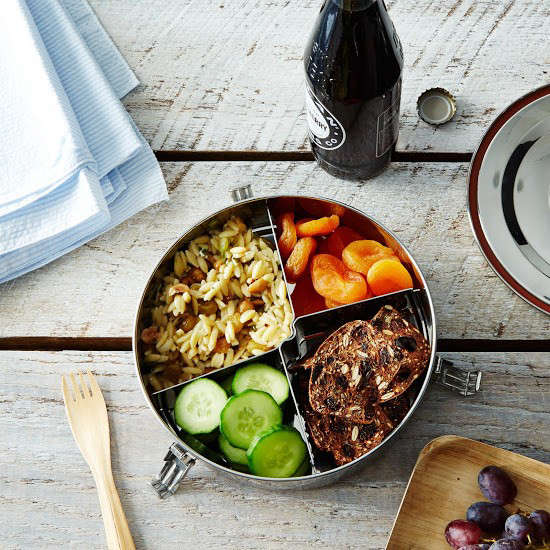
Stainless steel is durable, lightweight compared with glass, and excellent for dry snacks, sandwiches, salads, and cold foods. It does not stain easily and can survive rough handling. Many stainless steel lunch containers use silicone seals to improve leak resistance.
The downside is that stainless steel is not microwave-safe. If reheating is part of your lunch routine, stainless steel may not be the best everyday choice. But for cold meals, camping, road trips, or school snacks, it is tough, stylish, and pleasingly no-nonsense.
Silicone Inserts and Flexible Dividers
Some containers use silicone cups or flexible dividers instead of molded compartments. This is useful when you want to adjust portions. One day you need a big pasta section and a small fruit section. The next day you need the reverse because grapes are having a moment.
Silicone is flexible and often dishwasher-safe, but it can absorb odors if not cleaned thoroughly. It is best for snacks, sauces, and portioning ingredients inside a larger airtight container.
How to Choose the Best Divided Airtight Container
Before buying, think about your real habits. Do you meal prep five lunches every Sunday? Do you pack snacks for kids? Do you store leftovers after dinner? Do you need leakproof performance for soup, or just a good seal for fruit and crackers? A container that looks perfect online may not be perfect in your actual Monday morning chaos.
1. Check the Seal
The lid should close evenly and securely. Snap-lock lids with silicone gaskets are common because they create pressure around the rim. A good seal helps prevent leaks and keeps odors contained. For liquid foods, look for containers specifically described as leakproof, not just airtight. Those two words are cousins, not twins.
2. Look at the Compartments
Some divided containers have shallow compartments for snacks. Others have deeper sections for full meals. A three-compartment layout works well for protein, grain, and vegetables. A two-compartment layout is better for dips and dippers, salads and toppings, or leftovers and sides. Removable dividers add flexibility but may not seal each section completely.
3. Match the Size to Your Routine
Small containers are perfect for nuts, berries, cheese, crackers, and sauces. Medium containers work for lunch. Large containers are useful for refrigerator prep, such as chopped vegetables, taco toppings, fruit mixes, or family leftovers. If you buy containers that are too large, you waste fridge space. If you buy containers that are too small, you will end up packing lunch like a squirrel preparing for winter.
4. Consider Cleaning
Dishwasher-safe containers save time, but lids with gaskets may need extra attention. Sauce, oil, and crumbs can hide in grooves. If the gasket is removable, clean it regularly and dry it completely before reassembling. Moisture trapped in a lid can create odors, and nobody wants a container that smells like old broccoli with a grudge.
5. Think About Reheating
If you reheat meals often, glass bases are usually more convenient. Plastic may be microwave-safe, but it can stain or warp if overheated. Stainless steel is not microwave-safe at all. Always follow the manufacturer’s instructions, remove or vent lids when required, and avoid moving containers directly from freezer to high heat unless the brand says it is safe.
Divided Airtight Container Ideas for Meal Prep
Meal prep is where divided airtight containers shine. They help you build balanced meals without turning every lunch into a surprise casserole. A simple formula is protein, carbohydrate, vegetable, and sauce. Keep sauce separate whenever possible to preserve texture.
Example Meal Combinations
Try grilled chicken, brown rice, and roasted broccoli in a three-compartment container. Pack turkey roll-ups, grapes, and pretzels for a no-reheat lunch. Store taco fillings with beans in one section, shredded lettuce in another, and cheese or salsa in a smaller section. For breakfast, use compartments for boiled eggs, berries, and granola. For snacks, pair apple slices with peanut butter, carrots with hummus, or cheese cubes with whole-grain crackers.
The main advantage is separation. Wet foods stay away from crisp foods. Strong flavors stay where they belong. Portions become easier to manage. And when you open the fridge, you can actually see what you prepared instead of discovering a container labeled “maybe chili?” from a week ago.
Food Safety Tips for Airtight Storage
Airtight containers help with quality, but safe storage depends on time and temperature. Keep your refrigerator at or below 40°F and your freezer at 0°F. Refrigerate leftovers quickly, divide large batches into smaller portions, and avoid leaving perishable foods at room temperature too long.
Do not pack hot food into a sealed container and immediately trap steam unless the product instructions allow it and the food is cooling properly. Steam can create condensation, which may affect texture and encourage sogginess. Let food stop steaming, portion it into shallow containers, and refrigerate within the recommended safety window.
Labeling also helps. Add the date with masking tape, a washable marker, or a reusable label. This small habit prevents the classic fridge mystery: opening a container and asking, “Is this dinner or a science project?”
Pantry Organization with Divided Airtight Containers
Divided airtight containers are not just for leftovers. In the pantry, they can organize baking decorations, trail mix ingredients, tea bags, coffee pods, cereal toppings, dried fruit, nuts, seeds, and snack assortments. Clear containers make it easier to see what you have, which reduces overbuying and food waste.
For dry goods, airtight seals help protect against humidity and staleness. Crackers, cookies, cereal, and granola benefit from less air exposure. Divided containers are especially handy for snack stations because they let you store several small items in one footprint. Instead of five half-open bags rolling around like pantry tumbleweeds, you get one tidy container.
Common Mistakes to Avoid
Buying Too Many Shapes
A cabinet full of mismatched containers can become a plastic avalanche. Choose a set with stackable shapes and interchangeable lids when possible. Rectangular containers usually use space more efficiently than round ones in refrigerators and lunch bags.
Ignoring Lid Care
The lid is the secret boss of the container. If the gasket cracks, warps, or collects residue, the airtight performance suffers. Wash lids carefully, dry them fully, and avoid forcing them into high heat if the manufacturer recommends top-rack dishwasher use only.
Expecting One Container to Do Everything
A divided airtight container is useful, but it is not a kitchen wizard. Soup needs a truly leakproof container. Bread needs breathability in some situations. Cut fruit needs cold storage and reasonable timing. Dry snacks need moisture control. Match the container to the job instead of expecting one box to solve every food problem since the invention of leftovers.
Real-Life Experience: What It Is Like to Use Divided Airtight Containers Every Week
Using a divided airtight container regularly changes the rhythm of a kitchen in small but surprisingly satisfying ways. The first noticeable difference is visual order. When food is separated into compartments, the refrigerator looks less like a crowded bus and more like a place where responsible adults might live. Prepped vegetables sit in one section, fruit in another, and protein in a third. You can open the fridge and build a meal in seconds instead of conducting a full archaeological dig behind the milk.
For lunch packing, the biggest benefit is texture control. Crackers stay crisp when they are not pressed against cucumber slices. Salad toppings stay crunchy when dressing is packed separately. Fruit does not leak juice into sandwiches. This sounds simple, but it makes a major difference by noon. A regular container can technically hold all these foods, but a divided airtight container keeps them from merging into one emotional support salad.
Another useful experience is portion awareness. Compartments naturally guide how much food goes into each section. You do not need to weigh every carrot stick or negotiate with a mountain of pasta. The container quietly suggests balance: a section for protein, a section for vegetables, a section for grains or snacks. It is not strict or fussy. It simply makes better choices easier to see.
Parents often like divided airtight containers because they make lunch feel more fun without requiring a degree in lunchbox architecture. A few grapes, cheese cubes, crackers, and turkey slices can look colorful and intentional. Adults benefit from the same effect, even if they pretend not to care. Food that looks organized tends to feel more appealing, and appealing food is less likely to be abandoned for expensive takeout.
There are a few lessons learned the practical way. First, sauces deserve their own sealed cup unless the container has a truly isolated sauce compartment. Second, not every divided container prevents liquid from moving between sections if it is tipped sideways. Third, cleaning the lid matters as much as cleaning the base. A tiny bit of trapped dressing under a gasket can create a smell with the confidence of a villain.
The best routine is simple: prep foods after grocery shopping, store them in divided containers, label anything that might be forgotten, and keep one or two containers ready for fast lunches. Glass works beautifully for meals that need reheating. Lightweight plastic works better for travel. Stainless steel is excellent for cold snacks. Over time, you learn which container fits which job, and the kitchen becomes faster, cleaner, and less dramatic.
The most underrated advantage is waste reduction. When snacks, leftovers, and ingredients are visible and organized, they are more likely to be eaten. Half a bell pepper becomes part of tomorrow’s lunch instead of becoming a soft, mysterious fridge object. A divided airtight container does not just store food; it gives food a better chance of actually being used.
Conclusion: Small Container, Big Kitchen Upgrade
A divided airtight container is one of those kitchen tools that feels ordinary until you use it well. Then it becomes the quiet organizer behind better lunches, cleaner refrigerators, fresher snacks, and less food waste. The best option depends on your routine: glass for reheating, plastic for lightweight carrying, stainless steel for durability, and silicone inserts for flexibility.
Choose containers with reliable seals, useful compartment sizes, easy-clean lids, and materials that match your storage style. Use them with basic food safety habits, including quick refrigeration, proper temperatures, and clear labeling. Do that, and your divided airtight container will become more than a box with walls. It will become a tiny kitchen assistant that never complains, never asks for a raise, and always keeps the crackers away from the cucumbers.