

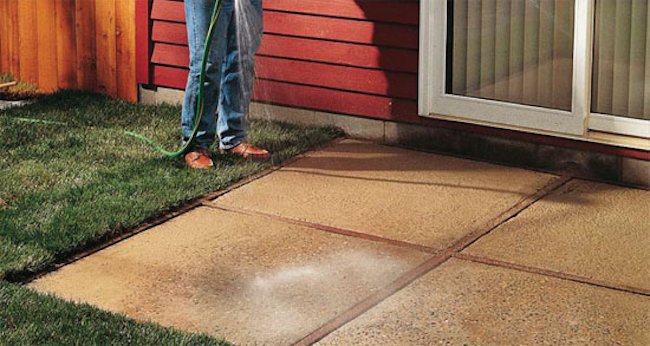
A concrete patio sounds simple until you realize you are essentially making a giant outdoor pancake that needs to be flat, strong, well-drained, and not weirdly cracked by next Tuesday. The good news? A DIY concrete patio is absolutely doable for a careful homeowner. The less-good news? Concrete is not especially forgiving of bad prep, sloppy timing, or a “close enough” attitude. If the base is weak, the forms are crooked, or the finish is rushed, your patio will preserve those mistakes like a museum exhibit.
That is why learning how to pour a slab the right way matters. A well-built concrete patio can give you a durable, low-maintenance outdoor living space for grilling, lounging, dining, or simply standing outside pretending you enjoy yard work. It can also cost less than many premium patio materials, especially if you handle the labor yourself and keep the design straightforward.
This guide walks through the full process in plain American English: planning, excavation, base prep, forming, mixing, pouring, screeding, floating, jointing, finishing, curing, and protecting the finished slab. Along the way, you will also learn the mistakes that trip up first-time DIYers, because concrete has a funny way of punishing optimism.
Why a Concrete Patio Is Still a Smart DIY Upgrade
A poured concrete patio remains popular for a reason. It is durable, practical, and versatile. You can leave it basic with a broom finish, dress it up later with stain or sealer, or build around it with planters, pergolas, and outdoor furniture. Compared with pavers, it usually involves fewer individual pieces and less long-term shifting. Compared with wood decking, it does not need staining every time the weather changes its mood.
For most residential patios, a 4-inch slab is the standard starting point. That thickness works well for typical backyard use, provided the subgrade is stable, the gravel base is compacted, water drains away properly, and the slab includes well-placed control joints. In other words, the slab itself matters, but what is under it matters just as much.
Before You Pour: Planning the Patio Like a Sane Person
Choose the Right Location
Pick a patio site that makes sense for how you actually live. Near the back door is convenient for dining and entertaining, but convenience should not come at the expense of drainage. Avoid low spots where water likes to collect. A patio should shed water away from the house, not introduce your basement to a new hobby.
Call Before You Dig
Before excavation begins, contact 811 to have underground utilities marked. This is not optional common sense theater. It is a real safety step that can prevent damage, injury, and a truly memorable phone call to your utility company.
Decide on Size, Shape, and Thickness
Small square or rectangular patios are easiest for DIYers because layout, forming, and finishing are simpler. If you are new to concrete, resist the temptation to create a sweeping organic shape with three curves, a fire pit cutout, and a border detail “for character.” Character can come later. Start with geometry.
For a basic patio, a 4-inch slab is common. If your site has questionable soil, heavy loads, or structural concerns, consult a local professional or engineer. DIY is brave. DIY without respecting the ground conditions is just expensive suspense.
Estimate Materials
Measure the patio length and width, then calculate square footage and concrete volume. Bagged concrete works for smaller patios, but once the size grows, mixing by hand becomes a race against time and your own shoulder joints. For larger slabs, ready-mix concrete is often the smarter move. It is hard to achieve a consistent finish when half the slab is waiting for the other half to exist.
How to Prepare the Site for a Concrete Patio
Step 1: Mark the Layout
Use stakes and mason’s string to outline the patio. Check for square by comparing diagonal measurements. If the diagonals match, your rectangle is square. If they do not, your future patio may end up looking like it had an argument with basic math.
Step 2: Set the Slope
Your slab should slope away from the house at about 1/8 inch per foot. That subtle pitch helps water drain off instead of pooling on the surface. It may not look dramatic, but it makes a dramatic difference in how the patio performs during rain.
Step 3: Excavate the Area
Excavate enough to accommodate the slab thickness plus the gravel base. For many patios, that means digging down to allow for roughly 4 inches of concrete and about 4 inches of compacted gravel, though the exact depth depends on grade and site conditions. Remove grass, roots, topsoil, and soft spots. Organic material under a slab is bad news because it decomposes, settles, and invites cracking later.
Step 4: Build and Compact the Base
Do not pour concrete directly on dirt and hope for the best. A gravel base improves drainage and supports the slab more evenly. Spread crushed gravel or similar base material in lifts if needed, then compact it thoroughly with a plate compactor. If your base is loose, your patio is basically sitting on a future apology.
Take your time here. A beautifully finished slab over a weak base is like putting designer shoes on a folding chair.
Forming the Patio Correctly
Forms are typically made from straight 2×4 lumber secured with stakes. Set them to the finished slab height, following the planned slope. Check for level across the width and correct fall away from the house along the length. If the forms are crooked, the slab will be crooked, and concrete is not known for being easy to edit once placed.
Confirm the form corners are square, the boards are rigid, and the tops align cleanly. A little extra bracing goes a long way, especially if you will be moving wet concrete by wheelbarrow. Wet concrete pushes hard against forms, and weak ones can bow out fast.
Should You Add Reinforcement?
Many patio slabs benefit from reinforcement such as welded wire mesh, rebar, or fiber-reinforced mix, depending on the project. Reinforcement does not magically prevent cracks, but it can help control them and improve slab performance. If you use steel reinforcement, position it properly within the slab rather than letting it rest uselessly on the bottom like forgotten camping gear.
Pouring the Concrete Slab
Step 1: Get Organized Before the Mix Arrives
Have your tools ready: shovels, rakes, screed board, float, edger, groover, broom, and protective gear. Wear gloves, boots, long sleeves, and eye protection. Wet concrete is caustic and can burn skin. Concrete does not care about your weekend plans.
Step 2: Place the Concrete Quickly and Evenly
Pour the concrete into the forms, starting at one end and working across. Spread it with a shovel or rake so it fills the corners and surrounds any reinforcement. Avoid adding excess water to make the mix easier to handle. Too much water weakens the slab and increases the chance of surface problems and cracking.
Step 3: Screed the Surface
Use a straight 2×4 or screed board to strike off the concrete level with the top of the forms. Move the screed in a sawing motion while pulling it across the slab. This removes excess material and fills low spots. Screeding is where the patio starts to look like a slab instead of a mud emergency.
Step 4: Float After the Bleed Water Disappears
After screeding, use a bull float or hand float to smooth ridges and fill minor voids. Do not start final finishing while bleed water is still sitting on the surface. Working that water into the slab can weaken the top layer and create a dusty, flaky finish later. Patience here is not laziness. It is craftsmanship.
How to Finish a Concrete Patio Without Regretting It
Use an Edger
Run an edger along the forms to round the slab edges and reduce chipping. It also gives the patio a cleaner, more finished look. Small detail, big difference.
Cut Control Joints
Concrete will crack. The goal is not to pretend otherwise. The goal is to tell it where to crack. That is what control joints do. For a typical 4-inch slab, joints are often spaced about 8 to 12 feet apart and cut to roughly one-quarter of the slab depth, or about 1 inch deep. These joints can be tooled while the concrete is plastic or saw-cut later at the proper time.
Think of control joints as strategic honesty. You are acknowledging reality and turning it into a cleaner result.
Choose the Right Finish
A broom finish is the go-to option for many patios because it adds traction and hides minor imperfections better than a slick troweled surface. Pull the broom lightly across the slab once the concrete has stiffened enough to hold texture. If you overwork the surface, you can weaken it or create an uneven appearance. Concrete finishing is all about timing. Too soon and the surface tears. Too late and you are dragging a broom across stubborn stone soup.
Curing the Slab: The Part DIYers Rush and Then Pay For
Concrete does not simply “dry.” It cures through hydration, and that curing process is critical to strength and durability. Rapid moisture loss can lead to weaker concrete and more cracking. Once finishing is complete and the surface can handle it, cure the slab properly. Depending on the product and conditions, that may involve moist curing, covering, or using a cure-and-seal product.
Hot, dry, or windy weather can pull moisture from the slab too fast, so curing matters even more in those conditions. This step is not glamorous, but neither is repairing a patio that started cracking because the cure was treated like an optional side quest.
When Can You Walk on It?
Light foot traffic is often possible after a day or two, depending on mix, temperature, and conditions, but the slab continues gaining strength over time. Avoid loading it too soon with grills, furniture, planters, or heroic assumptions.
Common DIY Concrete Patio Mistakes to Avoid
Poor Base Preparation
If the soil is soft or the gravel base is not compacted, the slab may settle and crack unevenly. No finishing trick can rescue bad prep underneath.
Too Much Water in the Mix
Soupy concrete is easier to move but weaker once cured. Follow the mix instructions instead of improvising a backyard chemistry experiment.
Ignoring Drainage
Flat is not the goal. Properly sloped is the goal. A patio that holds water will stain faster, wear harder, and annoy you every time it rains.
Bad Joint Placement
Too few joints, shallow joints, or poorly timed saw cuts all increase the chance of random cracking. The slab always gets the last word.
Finishing Too Early
If you trap bleed water or overwork the surface, you may end up with dusting, scaling, or weak top layers. Concrete rewards timing more than enthusiasm.
Skipping Safety Gear
Wet cement can irritate skin and even cause serious burns. Gloves, boots, long pants, and prompt cleanup are not overkill. They are wisdom.
Is DIY the Right Call or Should You Hire a Pro?
A small, simple concrete patio can be a solid DIY project for an organized homeowner with patience, basic carpentry skills, and enough help on pour day. But large slabs, tricky grades, decorative finishes, and access issues can tip the balance toward hiring a contractor. There is no shame in outsourcing the part where a mistake becomes permanently visible from your kitchen window.
If you do it yourself, keep the scope manageable. A clean rectangular slab with a broom finish beats an overcomplicated patio that becomes a lifelong lesson in ambition.
Real-World DIY Concrete Patio Experiences: What People Learn the Hard Way
One of the most common experiences DIYers talk about is how deceptively fast concrete work moves once the mix is down. Before the pour, everything feels slow: measuring, digging, tamping, hauling gravel, checking string lines, and adjusting forms for what feels like the fifteenth time. Then the concrete arrives, and suddenly everyone is speed-walking, shouting measurements, and pretending they absolutely meant to put that float over there. The lesson is simple: prep is the project. The pour is just the exam.
Another frequent experience is discovering that the base matters more than people expect. Many first-timers assume the slab itself does all the work, but experienced DIYers quickly learn that a patio is only as good as what sits below it. A compacted gravel base does not look exciting in photos, but it is often the difference between a patio that stays put and one that develops dips, puddles, and random cracks. Nobody brags about great compaction on social media, yet that is the unglamorous reason some patios still look good years later.
Timing also becomes a memorable teacher. People who have poured a patio often say the most stressful moment is waiting for the surface to be ready for finishing. Start too soon and you ruin the surface. Wait too long and the concrete stops cooperating. That awkward middle window is where the magic happens, and it is why many DIYers come away with deep respect for concrete finishers. On paper, broom-finishing a slab sounds easy. In practice, it feels like trying to frost a cake that is actively deciding whether it wants to be a rock.
There is also the universal experience of underestimating how much help is needed. Even a modest patio is easier, smoother, and far less chaotic with a few dependable extra hands. One person mixing, one placing, one screeding, one floating, and one keeping tools clean can turn a frantic mess into a controlled job. Concrete punishes solo heroics. It loves teamwork.
And finally, almost everyone who has successfully poured a patio says the same thing afterward: if they did it again, they would spend more time on layout and less time trying to “fix” things during the pour. That may be the best takeaway of all. A good DIY concrete patio is not about brute force. It is about planning, patience, clean execution, and respecting the material. Do that, and the finished slab feels incredibly satisfying. It becomes more than a patio. It becomes proof that you can build something solid, useful, and lasting with your own handsplus a place to put a grill and call yourself a legend.
Conclusion
A DIY concrete patio can be one of the most rewarding backyard upgrades you make, but only if you respect the fundamentals. Lay out the site carefully, excavate properly, compact the base, build strong forms, maintain the right slope, place the concrete efficiently, add control joints, and cure the slab with patience. Skip those steps, and the patio will remind you of it. Follow them, and you will end up with a durable outdoor surface that looks clean, performs well, and earns its keep for years.