

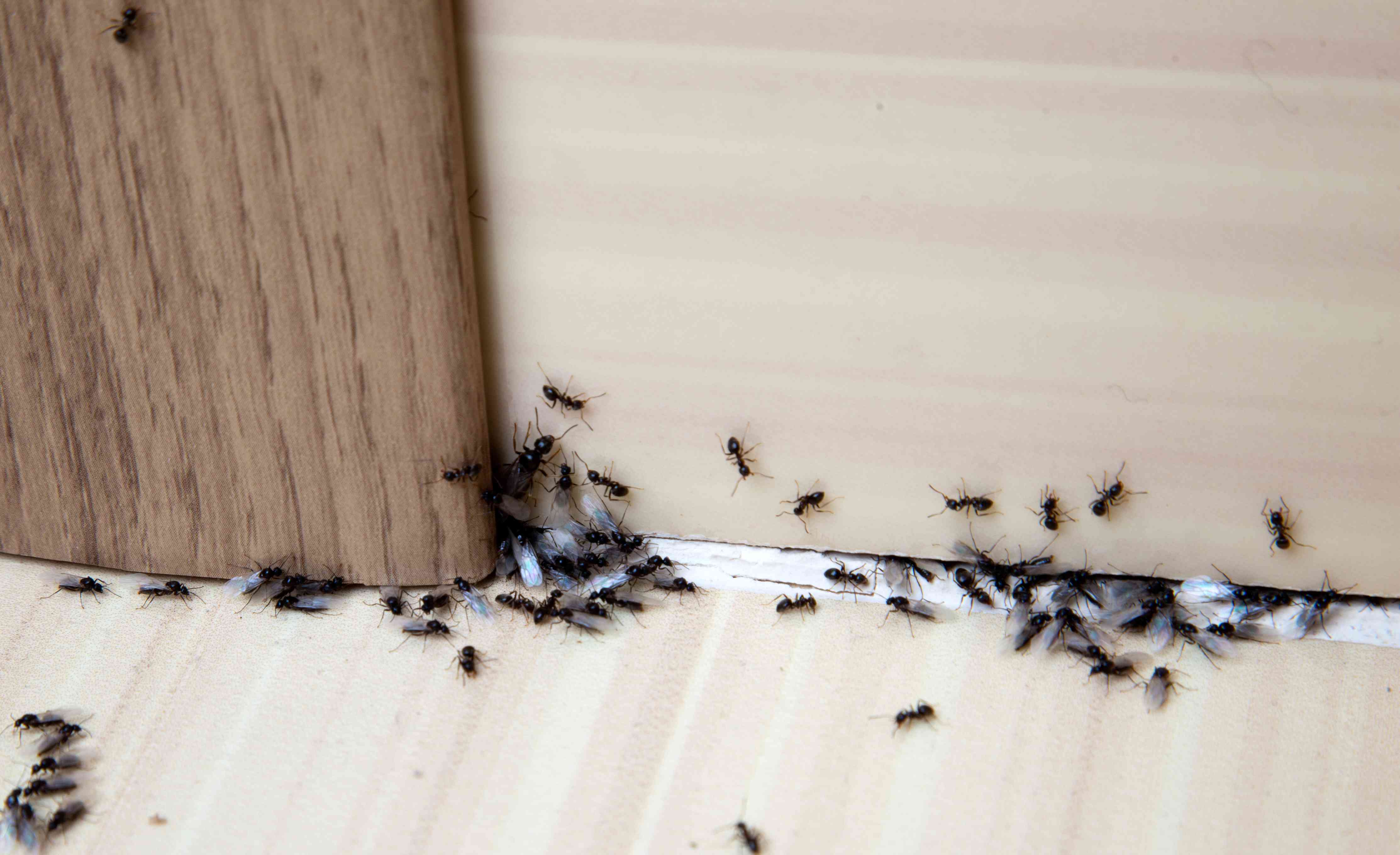
Ants are tiny, organized, strangely confident, and somehow always first in line when one crumb hits the kitchen floor. If you have seen a neat little parade marching under the baseboard, you may have wondered whether diatomaceous earth can stop them without turning your home into a chemical battlefield.
The short answer is yes: diatomaceous earth can kill ants. But the longer, more useful answer is that it kills individual ants that come into direct contact with it. It is not a magical colony-erasing powder, and it works best when used as part of a smart ant-control plan that includes sanitation, exclusion, moisture control, and, when needed, baiting.
Think of diatomaceous earth as a dry, dusty security guard. It can be very effective in the right doorway, crack, or hidden void. But if the colony is comfortably living outside, sending workers through ten different entry points, a random white line of dust on the floor is not going to make the queen pack a suitcase.
What Is Diatomaceous Earth?
Diatomaceous earth, often shortened to DE, is a powder made from the fossilized remains of tiny aquatic organisms called diatoms. These microscopic organisms had silica-rich shells, and when those shells are mined, dried, and ground, they become a fine, chalky material used in gardens, homes, agriculture, and pest-control products.
For ant control, diatomaceous earth is classified as a desiccant dust. That means it does not poison insects in the way many conventional insecticides do. Instead, it damages and dries them out. This physical mode of action is one reason many homeowners like it: it feels less intimidating than a spray with a long chemical name that sounds like it escaped from a laboratory wearing goggles.
Food Grade vs. Pool Grade Diatomaceous Earth
Here is an important safety distinction: not all diatomaceous earth is the same. Pool-grade diatomaceous earth should not be used for pest control. It is treated differently and can contain crystalline silica, which is more hazardous to breathe.
For ants, use a product that is specifically labeled for insect control. Some people use the phrase “food grade” casually, but the more important point is the label. If a product is being used as a pesticide, follow the pesticide label directions exactly. The label tells you where it can be applied, how much to use, what protective gear is recommended, and which pests it is intended to control.
So, Does Diatomaceous Earth Kill Ants?
Yes, diatomaceous earth kills ants when ants walk through it and the powder stays dry long enough to do its job. The tiny particles abrade the waxy protective layer on an ant’s exoskeleton and absorb oils and moisture. Once that outer layer is compromised, the ant loses water and eventually dies from dehydration.
That sounds dramatic because, on the insect scale, it is. But it is also slow compared with many contact insecticides. You may not see ants drop instantly. Depending on conditions, exposure, humidity, species, and how much powder they contact, results can take hours to a couple of days.
How Diatomaceous Earth Works on Ants
Ants have a protective outer covering that helps them retain moisture. Diatomaceous earth disrupts that protection in two ways. First, the microscopic particles can scratch or abrade the surface. Second, the powder absorbs oils and fats from the insect’s outer layer. The result is desiccation, which is a fancy pest-control word for “drying out.”
The key phrase is direct contact. Ants must walk through the dust. If the powder is in the wrong place, too thickly applied, wet, clumped, or avoided by the ants, it will not do much. Diatomaceous earth is not a repellent shield that automatically protects a house. It is a contact dust that works only when ants actually touch it.
When Diatomaceous Earth Works Best
Diatomaceous earth is most useful in dry, protected spaces where ants travel or nest. Good locations include cracks, crevices, wall voids, under appliances, around pipe penetrations, along foundation gaps, behind baseboards, and other areas where the dust will not be disturbed by people, pets, sweeping, mopping, or moisture.
It is especially helpful as a targeted treatment, not as a decorative snowstorm. If your kitchen looks like someone shook a powdered doughnut over the floor, you used too much. A light, barely visible layer is usually better than a thick pile because ants may avoid heavy deposits.
Best Indoor Uses
Indoors, diatomaceous earth can be useful when ants are entering through a specific gap. For example, if you notice ants coming from behind a dishwasher, near a plumbing line, or along a window frame, a small amount of dust in the crack can intercept workers as they pass through.
It can also be useful in wall voids when applied properly with a bulb duster. This is not the same as dumping powder along the kitchen counter. Dusts are designed to be placed where insects travel but humans and pets do not regularly contact them. That keeps the treatment more effective and reduces unnecessary exposure.
Best Outdoor Uses
Outdoors, diatomaceous earth can help in dry, sheltered areas such as under siding gaps, beneath covered porch edges, around dry foundation cracks, or inside protected exterior voids. However, rain, irrigation, dew, and humidity reduce its effectiveness. Once it gets wet, it clumps and loses much of its drying power until it dries again, and even then it may not distribute evenly.
If your plan is to sprinkle diatomaceous earth across an entire yard and declare victory over the ant kingdom, save your wrist. Outdoor ant control usually requires identifying the species, locating nests or trails, reducing food sources, managing moisture, and using labeled baits or mound treatments when appropriate.
When Diatomaceous Earth Does Not Work Well
Diatomaceous earth has real value, but it has limits. The biggest limitation is that it kills exposed ants, not necessarily the queen, brood, or entire colony. Ant colonies survive because they are social systems. Worker ants are replaceable. The queen and developing young are the real engine of the colony.
If you kill a few foragers but the nest remains healthy, more ants can appear. That is why homeowners sometimes say, “It worked for two days, and then they came back.” In many cases, the powder did kill ants. It just did not solve the colony problem.
It Is Weak in Wet or Humid Conditions
Moisture is the enemy of diatomaceous earth. In damp basements, wet mulch, humid crawl spaces, watered garden beds, or rainy outdoor settings, DE loses much of its punch. Ants also often choose moist nesting areas, especially near kitchens, bathrooms, potted plants, leaks, and damp soil. That creates an awkward situation: the places ants like may be the places where diatomaceous earth performs poorly.
It Does Not Attract Ants Like Bait
Diatomaceous earth is not food. Ants do not pick it up and carry it back to share with nestmates. Bait is different. Ant bait contains an attractant plus a slow-acting active ingredient that workers carry back to the colony. For many common household ants, baiting is often more effective because it targets the colony instead of only the visible workers.
It May Not Solve Fire Ant Problems
Fire ants deserve special mention because they are not just annoying; they sting. Diatomaceous earth sprinkled around or on a fire ant mound is generally not a reliable way to eliminate the colony. Fire ant mounds can contain many workers, brood, and one or more queens. Disturbing a mound may cause ants to relocate or attack, while the colony survives below.
For fire ants, use products specifically labeled for fire ant control, such as fire ant baits or mound treatments, and follow local extension guidance. If fire ants are near playgrounds, schools, vegetable gardens, or areas where people may be stung, treat the problem seriously rather than experimenting with internet folklore.
How to Use Diatomaceous Earth for Ants Safely
Using diatomaceous earth safely is mostly about applying the right product, in the right place, in the right amount. More powder does not equal better control. In fact, too much dust can make ants avoid the area, create unnecessary mess, and increase the chance that people or pets inhale it.
Step 1: Identify the Ant Trail
Before applying anything, watch the ants. Where are they entering? Are they coming through a window, under a door, around plumbing, from a potted plant, or through a foundation crack? Ants follow scent trails, so the visible line of workers is a clue. Your job is to find the entry point, not just panic-wipe the counter and mutter threats.
Step 2: Clean Food and Scent Trails
Wipe up sugary spills, grease, crumbs, pet food, and sticky residue. Store pantry items in sealed containers. Rinse recyclables before storing them. Clean ant trails with soapy water to disrupt the pheromone trail that guides other workers. Sanitation will not always eliminate ants by itself, but it makes every other control method work better.
Step 3: Apply a Thin Layer
Apply diatomaceous earth lightly in cracks, crevices, and hidden travel routes. A bulb duster helps place a small amount precisely. Avoid applying it in thick lines across open floors, countertops, bedding, pet areas, or places where children may touch it. The goal is not to make your home look like a crime scene dusted for fingerprints.
Step 4: Keep It Dry
After applying diatomaceous earth, keep the area dry. If it gets wet from rain, mopping, leaks, or humidity, clean it up and reapply only if the label allows and the location still makes sense. Outdoors, expect to reapply after rain or irrigation, but do not overuse it around flowers or areas where beneficial insects may contact it.
Step 5: Seal Entry Points
Once you find where ants are entering, seal cracks and gaps with caulk, weatherstripping, door sweeps, or appropriate repair materials. Diatomaceous earth can reduce traffic, but exclusion prevents the next wave from taking the same route. Ant control is partly pest management and partly home maintenance with a tiny marching band soundtrack.
Diatomaceous Earth vs. Ant Baits: Which Is Better?
Diatomaceous earth and ant bait do different jobs. DE kills ants that contact it. Bait uses worker ants to deliver control back to the colony. For many household ant problems, bait is the better primary tool because it can reach ants you cannot see.
However, diatomaceous earth can still be a good supporting player. Use bait where ants are actively foraging and DE in hidden entry points or dry voids. Be careful not to contaminate bait with dust or sprays. If ants avoid the bait because the area is covered in powder, your “combo plan” becomes a tiny buffet nobody attends.
When to Choose Diatomaceous Earth
Choose diatomaceous earth when you have a dry, protected crack or void where ants are traveling, when you want a low-odor dust, or when you need a supplemental treatment in an area where a label permits use. It is also useful when the ant problem is small and clearly tied to one entry point.
When to Choose Ant Bait
Choose ant bait when you see ongoing foraging, cannot find the nest, or suspect the colony is outside or inside a hidden void. Baits are especially helpful for common sugar-loving ants such as odorous house ants, Argentine ants, pavement ants, and little black ants. Some ants change food preferences seasonally, so offering both sugar-based and protein-based bait can improve results.
Common Mistakes People Make With Diatomaceous Earth
The most common mistake is applying too much. A heavy band of powder may look impressive, but ants can simply walk around it. A thin dusting in a crack is usually more effective than a thick white moat in the middle of the floor.
The second mistake is using it in wet areas. If the powder gets damp, it cannot dry insects effectively. The third mistake is expecting it to wipe out a colony without addressing food, moisture, and entry points. Ant control works best when you remove the welcome mat, close the door, and treat the trail.
Do Not Use It Like Baby Powder
Diatomaceous earth should not be puffed casually into the air. Even lower-risk dusts can irritate the eyes, nose, throat, and lungs. Wear a dust mask or respirator if the label recommends it, avoid breathing dust, and keep people and pets away during application. After the dust settles, it should remain in inaccessible or low-contact areas.
Do Not Apply It to Food Surfaces
Do not spread diatomaceous earth across cutting boards, counters, dining tables, or open pantry shelves. If ants are on a food-preparation surface, clean the surface thoroughly and trace the ants back to their entry point. Treat the crack or void, not the place where you make sandwiches.
Is Diatomaceous Earth Safe Around Pets and Children?
Diatomaceous earth products labeled for pest control are generally considered lower in toxicity than many conventional insecticides, but “lower toxicity” does not mean “sprinkle everywhere with jazz hands.” The main concern is inhalation. Fine dust can irritate lungs, especially for people with asthma, allergies, or respiratory sensitivity.
Keep children and pets away during application. Do not apply it where pets sleep, roll, eat, or groom. Avoid using it directly on pets unless a product is specifically labeled for that use and your veterinarian agrees. Cats, dogs, and toddlers are all talented at turning small messes into full-body experiences.
Which Ants Can Diatomaceous Earth Help Control?
Diatomaceous earth can affect many crawling ants if they contact it, but control success depends on species and nesting behavior.
Odorous House Ants
Odorous house ants are common indoor invaders and are often attracted to sweet foods. Diatomaceous earth may reduce workers entering through cracks, but baits and sanitation are usually more important for long-term control.
Pavement Ants
Pavement ants often nest under slabs, sidewalks, driveways, and foundations. DE may help at entry points, but outdoor nests may continue producing workers unless the colony is managed with bait or other labeled treatments.
Argentine Ants
Argentine ants can form large, interconnected colonies with heavy trails. Diatomaceous earth alone is usually not enough. Focus on sanitation, exclusion, moisture reduction, vegetation trimming, and baiting.
Carpenter Ants
Carpenter ants are a bigger concern because they nest in wood, especially damp or damaged wood. Diatomaceous earth may help if applied directly into a nest or void, but a carpenter ant problem often requires locating moisture damage and, in many cases, calling a pest professional.
Pharaoh Ants
Pharaoh ants are tricky. Disturbing them with sprays or random dust applications can cause colonies to split and spread. For pharaoh ants, baiting is usually the preferred strategy. If you suspect pharaoh ants, do not start dusting every crack like you are decorating for a very dusty holiday.
An Expert-Style Ant Control Plan That Actually Makes Sense
The best ant-control plan starts with observation. Identify where ants are entering, what they are eating, and whether the problem is occasional or persistent. Then combine nonchemical steps with targeted treatments.
Start by removing food sources. Clean counters, floors, pet feeding areas, trash cans, and recycling bins. Next, remove water sources by fixing leaks, drying damp areas, and improving ventilation. Then seal entry points around pipes, windows, doors, foundations, and utility lines.
After that, choose the right control tool. Use bait when you need colony-level control. Use diatomaceous earth in dry cracks and voids where ants travel. Use outdoor ant products only according to label directions. If the ants sting, damage wood, keep returning despite your efforts, or seem to be nesting inside walls, bring in a licensed pest-control professional.
Real-World Experience: What Homeowners Usually Notice
In real homes, diatomaceous earth tends to work best when the ant problem is specific and trackable. For example, a homeowner notices ants entering through a tiny gap behind the kitchen sink. They clean the trail, seal nearby gaps, and apply a light dusting into the pipe opening. Within a day or two, the visible traffic drops sharply. That is a good use case.
Now compare that with a different situation: ants are appearing in the kitchen, bathroom, laundry room, and living room. The homeowner sprinkles diatomaceous earth along every baseboard and waits. Some ants die, but the trails keep shifting. In that case, the issue is probably a larger colony, multiple entry points, moisture, or outdoor nesting pressure. DE may help around certain cracks, but it is not enough as the main strategy.
Another common experience happens outdoors. Someone sprinkles DE around an ant mound in the yard. The mound looks quieter for a short time, then ants appear a few feet away. That does not necessarily mean the powder did nothing. It may have killed exposed workers. But it did not reach the queen or colony structure. Ant colonies are not impressed by half-measures; they simply reorganize.
Homeowners also learn quickly that dry weather matters. DE applied under a covered porch may remain useful for days or weeks if undisturbed. The same powder sprinkled in a garden bed may become useless after watering. If you live in a humid climate, diatomaceous earth can still work indoors or in protected voids, but outdoor performance becomes less predictable.
Pet owners often ask whether DE is a “safe” answer because they want to avoid harsher pesticides. The practical experience is mixed. It can be a lower-toxicity tool when placed carefully, but pets love sniffing, pawing, rolling, and investigating exactly the places you wish they would ignore. For pet-heavy homes, the best use is usually behind appliances, inside cracks, or in inaccessible voids rather than open floors.
The biggest lesson from real-world use is that diatomaceous earth is a tool, not a strategy. When used thoughtfully, it can reduce ant traffic and kill workers. When used randomly, it becomes messy frustration. The homes that see the best results usually combine DE with cleaning, sealing, baiting, and moisture control. In other words, they stop treating the symptom and start making the home less ant-friendly.
Final Verdict: Should You Use Diatomaceous Earth for Ants?
Yes, diatomaceous earth can be worth using for ants, especially in dry cracks, crevices, and hidden travel routes. It kills ants by drying them out after direct contact, and it can be a useful low-odor, targeted dust when applied correctly.
But it should not be your only plan for a serious infestation. For long-term control, focus on sanitation, sealing entry points, reducing moisture, and using ant baits when colony control is needed. If you are dealing with fire ants, carpenter ants, pharaoh ants, or a persistent infestation that keeps spreading, get expert help or use species-specific, labeled control methods.
Diatomaceous earth is not magic. But in the right place, in the right amount, and as part of an integrated pest management approach, it can make ants regret choosing your kitchen as their newest brunch destination.
Note: Always read and follow the product label before using diatomaceous earth or any pesticide product. Use only products labeled for the intended pest and location, and avoid breathing dust during application.