

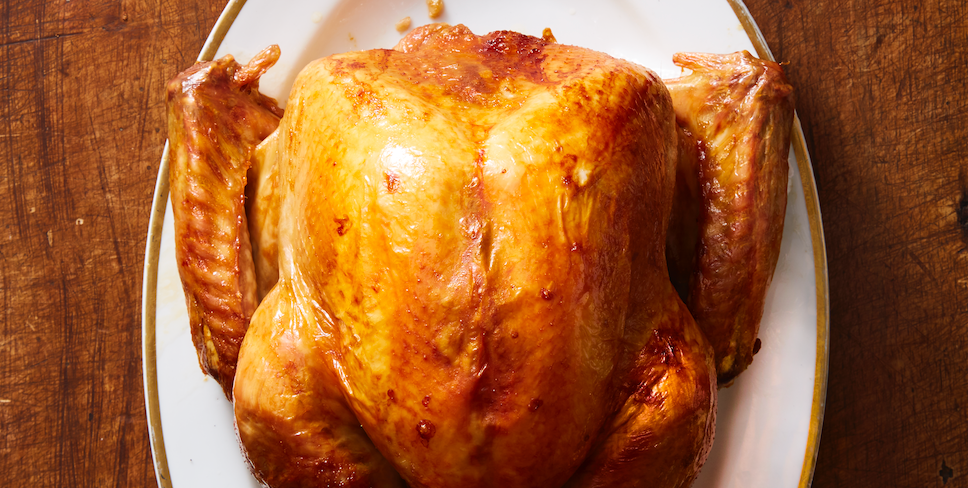
Thanksgiving turkey has one big job: show up juicy, flavorful, and dramatically better than the dry bird everyone politely drowned in gravy back in 2017. The good news is that seasoning a turkey the right way is not mysterious, chef-only wizardry. It is mostly about timing, salt, and knowing where the flavor should go. Spoiler: sprinkling a little paprika on top five minutes before roasting is not a strategy. That is a cry for help.
If you want a turkey that tastes seasoned all the way through, with crisp skin and meat that does not need a gravy lifeboat, the process starts long before the oven door opens. The best Thanksgiving turkey seasoning method combines salt, aromatics, fat, and a little patience. Once you understand how those pieces work together, you can build a bird that tastes deeply savory, smells incredible, and earns actual compliments instead of sympathetic nods.
Why seasoning a turkey matters more than you think
Turkey is a large, lean bird. That means it can easily turn bland if the seasoning stays on the surface. Unlike a chicken that cooks fast and forgives your bad decisions, a Thanksgiving turkey is a full-scale holiday project. It needs a seasoning plan that works from the inside out.
The biggest flavor booster is salt. Salt is what helps the meat taste like itself, only better. It also helps the turkey retain moisture, which is exactly what you want when roasting a bird that can spend hours in the oven. Herbs, pepper, citrus, garlic, onion, and butter bring personality, but salt is the engine. Without it, even the prettiest turkey can taste like warm beige.
The best way to season a turkey for Thanksgiving
If you want the simplest answer, here it is: dry brine the turkey with kosher salt, season the cavity, add herbs and fat under and over the skin, and let the bird rest before roasting. That method gives you the best chance at flavorful meat and crispy skin without turning your refrigerator into a saltwater science lab.
Step 1: Check what kind of turkey you bought
Before you season anything, read the label. Some turkeys are already pre-brined, pre-basted, kosher, or injected with a salt solution. If that is the case, you should go lighter on added salt. Otherwise, you risk serving a turkey that tastes like it spent the night floating in the ocean.
Step 2: Pat the turkey very dry
This is not glamorous, but it matters. Moisture on the skin creates steam, and steam is the sworn enemy of crispy turkey skin. Use paper towels and dry the bird inside and out. Really commit to it. Your future self, standing in front of a beautifully bronzed turkey, will be grateful.
Step 3: Season the cavity
Many home cooks forget the cavity, which is like painting only one wall of the room and calling it done. Season the cavity generously with kosher salt and black pepper. Then add aromatics such as onion, garlic, lemon, orange, apple, rosemary, thyme, and sage. These ingredients do not “stuff” the turkey in the classic sense; they perfume the meat from the inside as it roasts.
Keep it loose, not packed. You want airflow and even cooking, not a tightly packed herb traffic jam.
Step 4: Get seasoning under the skin
This is where the magic happens. Carefully loosen the skin over the breasts and thighs without tearing it. Rub softened butter, olive oil, or an herb butter mixture underneath. This helps flavor the meat directly and protects it from drying out.
A classic herb butter for turkey seasoning usually includes softened butter, minced garlic, chopped sage, thyme, rosemary, parsley, black pepper, and a little lemon zest. If your bird is not pre-salted, you can add salt here too. If it is already salted or dry-brined, keep the herb butter unsalted so you do not overdo it.
Step 5: Season the outside
Now season the skin itself. A simple turkey rub works beautifully: kosher salt, black pepper, garlic powder, onion powder, rubbed sage, thyme, rosemary, and a little paprika for color. You can also add lemon zest for brightness or a pinch of brown sugar if you like a touch of deeper caramelization.
Rub the seasoning evenly over the entire bird, including the legs and wings. Then lightly coat the skin with oil or butter to help it brown.
Dry brine vs. last-minute seasoning
If you have time, dry brining is the better move. It seasons the turkey more deeply than a last-minute surface rub and also helps the skin dry out in the refrigerator, which leads to better browning in the oven.
A dry brine is exactly what it sounds like: salt and seasonings rubbed directly onto the turkey, then left uncovered in the refrigerator for a day or two. No giant bucket. No mysterious sloshing. No need to explain to your family why there is a poultry lagoon next to the pie crust.
How to dry brine a turkey
- Pat the turkey dry.
- Rub kosher salt all over the bird, including under the skin when possible and inside the cavity.
- Add black pepper and optional dried herbs like sage and thyme.
- Place the turkey on a rack over a pan and refrigerate uncovered for 24 to 48 hours.
- Before roasting, add aromatics to the cavity and herb butter under the skin if desired.
If Thanksgiving snuck up on you like it does every single year, you can still season a turkey the same day. It will still be good. It just may not taste as deeply seasoned as a properly dry-brined bird.
The best seasoning ingredients for turkey
You do not need 27 spices and a dramatic backstory. The best turkey seasoning ingredients are classic for a reason. They support the flavor of the bird instead of trying to bury it under a spice cabinet avalanche.
Best herbs for turkey
Sage, thyme, rosemary, and parsley are the Thanksgiving dream team. They bring earthy, woodsy, savory flavor that feels traditional without being boring.
Best aromatics for the cavity
Onion, garlic, lemon, orange, apple, celery, and fresh herbs all work beautifully. These ingredients add fragrance and subtle flavor as the turkey roasts.
Best fats for flavor and browning
Butter adds richness and classic holiday flavor. Olive oil encourages browning and gives you a slightly cleaner finish. Many cooks use both: herb butter under the skin and oil or butter on top.
Optional flavor twists
If you want something beyond classic herb turkey, you can lean into a regional or house-style flavor profile. Try Cajun spices for heat, maple and black pepper for sweet-savory depth, citrus and fennel for brightness, or smoked paprika and garlic for a more robust roast. The trick is not to overcomplicate it. Pick one direction and stay there.
Common mistakes that ruin turkey seasoning
1. Salting only the skin
If the seasoning never gets into the cavity or under the skin, the meat can still taste flat. Surface seasoning alone gives you flavor on the first bite and disappointment on the second.
2. Forgetting to dry the bird
Wet skin equals floppy skin. And nobody spends all day roasting a Thanksgiving turkey hoping for “lightly steamed.”
3. Overstuffing the cavity
Too many aromatics or actual stuffing packed too tightly can slow cooking and make seasoning less effective. Keep it loose and simple.
4. Overdoing salt on a pre-seasoned turkey
Always read the packaging. Some birds come with a built-in salt solution, which means your seasoning plan needs to adjust.
5. Waiting until the last second
Turkey rewards a little advance planning. Even seasoning it the night before gives you a better result than a rushed sprinkle right before roasting.
A simple turkey seasoning formula that works
If you want a dependable blend for a classic Thanksgiving turkey, use this as your base:
- kosher salt
- black pepper
- garlic powder
- onion powder
- rubbed sage
- dried thyme
- rosemary
- paprika
- optional lemon zest
Pair that with softened butter, fresh herbs, and cavity aromatics, and you have a turkey that tastes classic, deeply savory, and holiday-worthy without being fussy.
How to season a turkey the right way: a practical timeline
Two days before Thanksgiving
Thaw the turkey if needed. Pat it dry and apply a dry brine. Leave it uncovered in the refrigerator.
One day before Thanksgiving
Check the turkey, rotate it if needed, and prep your herb butter and aromatics.
Thanksgiving morning
Season the cavity, rub herb butter under the skin, coat the outside with oil or butter, and add your final seasoning rub. Roast until the turkey reaches a safe internal temperature, then let it rest before carving.
If you stuff the bird, be sure the center of the stuffing is fully cooked too. Many cooks prefer baking stuffing separately because it is easier to season, easier to crisp up, and less stressful all around.
Final thoughts
The right way to season a turkey for Thanksgiving is not about using the fanciest rub or chasing every trendy internet trick. It is about building flavor in layers: salt first, herbs and aromatics second, fat for richness and browning, and enough time for the seasoning to actually do its job.
If you remember only one thing, make it this: season the cavity, season under the skin, season the outside, and start earlier than feels emotionally necessary. That is how you get a turkey that tastes like someone planned Thanksgiving on purpose.
Do that, and your bird will not just look the part. It will taste like the centerpiece it was always meant to be.
Turkey seasoning experiences every Thanksgiving cook recognizes
There is a very specific kind of optimism that appears when someone says, “I’ve got the turkey handled.” It usually starts strong. The bird is thawing. The herbs are chopped. The butter is soft. The kitchen smells like rosemary and confidence. Then reality arrives wearing an apron and carrying a thousand tiny decisions. Should the turkey be brined? Is there enough salt? Is that too much sage? Why is the cavity somehow both huge and unhelpful? Seasoning a turkey sounds simple until you are standing there elbow-deep in holiday responsibility, trying to tuck herb butter under skin that clearly did not consent to this situation.
One of the most common experiences with Thanksgiving turkey is learning that flavor does not happen by accident. Nearly everyone has had at least one turkey that looked gorgeous on the outside and tasted suspiciously like absolutely nothing on the inside. It is a rite of passage. The skin comes out beautifully golden, the platter gets applause, and then the first slice reveals meat that is perfectly cooked but oddly shy. That is usually the year home cooks realize seasoning is not a last-minute step. It is a full plan. The next Thanksgiving, they salt earlier, season the cavity, add herbs under the skin, and suddenly the turkey tastes like a real participant in the meal instead of a decorative protein centerpiece.
Another familiar turkey-seasoning experience is discovering the power of aromatics. At first, onions, garlic, lemon, and herbs inside the cavity can feel almost too simple. They do not look dramatic. They are not dusted with a fancy spice blend from a tiny jar that costs more than pie ingredients. But once that bird starts roasting, the kitchen tells the truth. The smell gets richer, warmer, and more unmistakably Thanksgiving. It is one of those holiday moments that makes people wander into the kitchen and ask if they can help, when what they really mean is, “Something smells amazing and I would like to be near it.”
Then there is the experience of learning restraint. Many cooks go through a phase where they believe more seasoning automatically means more flavor. So they add every herb, every spice, every idea. Paprika, cayenne, cumin, garlic powder, onion powder, poultry seasoning, lemon pepper, maybe a little brown sugar because why not? The result can be tasty, but it can also blur the flavor of the turkey itself. Over time, most Thanksgiving cooks discover that the best seasoning is usually balanced, not busy. Sage, thyme, rosemary, salt, pepper, butter, citrus, onion, garlic. That lineup has endured for a reason. It tastes like Thanksgiving without shouting over the rest of the table.
Perhaps the most satisfying experience of all is the year the seasoning finally clicks. The turkey rests, the carving begins, and the meat is flavorful even before gravy touches it. The breast tastes seasoned, not just the skin. The thighs are savory and juicy. The pan smells like herbs and roasted citrus. Someone asks what you did differently, and you get to say, casually, as if you were not previously haunted by bland poultry, “I seasoned it the right way this time.” That moment feels oddly triumphant. Not because turkey is impossible, but because it is one of those dishes that rewards care so clearly. You can taste the planning.
That is why turkey seasoning becomes more than a cooking tip. It becomes part of the Thanksgiving rhythm. The paper towels, the salt, the herb butter, the cavity aromatics, the little internal speech about not panicking. Every year, those steps turn a famously intimidating bird into something familiar and manageable. And once you have had a truly well-seasoned turkey, it is hard to go back. You stop thinking of seasoning as a garnish and start thinking of it as the whole game. Honestly, the turkey deserves that kind of respect. It has been carrying Thanksgiving on its back for generations.