

Polyester is the low-drama friend of the laundry world: quick-drying, wrinkle-resistant, durable, and usually ready to forgive a rushed wash day. But it still has one firm boundarytoo much heat. Dry polyester the wrong way and your favorite workout shirt may come out clingy, wrinkled, slightly warped, or carrying that mysterious “hot plastic closet” smell nobody invited.
The good news? Learning how to dry polyester is simple. Whether you are dealing with 100% polyester shirts, polyester blends, athletic wear, bedding, uniforms, fleece, or lightweight dresses, the same golden rule applies: use gentle heat, give the fabric room to breathe, and do not over-dry it. Polyester dries faster than cotton, so it rarely needs a full-blast dryer session. Treat it like a fabric with confidence, not like a towel that owes you money.
Below is a practical, in-depth guide to drying polyester in 8 easy steps, plus smart tips for preventing wrinkles, static, odors, and damage. At the end, you will also find real-life experience notes to help you handle polyester laundry more confidently at home.
Why Polyester Needs Special Drying Care
Polyester is a synthetic fabric made from plastic-based fibers. That is why it is strong, lightweight, and fast-dryingbut also why high heat can be a problem. Excessive heat may cause polyester fibers to weaken, wrinkle sharply, cling with static, lose shape, or develop a shiny, heat-marked look. In some cases, polyester blends can shrink slightly, especially when mixed with cotton, rayon, spandex, or other fibers that respond differently to heat.
Unlike cotton, polyester does not absorb much water deep into the fiber. Instead, moisture usually sits closer to the surface, which helps the garment dry quickly. This is why air drying often works beautifully for polyester. If you use a dryer, low heat or air fluff is usually the safer choice. The goal is not to roast the garment into submission; it is to remove moisture gently while keeping the fabric smooth and wearable.
Easy Ways to Dry Polyester: 8 Steps
Step 1: Check the Care Label First
Before drying polyester, read the care label. Yes, that tiny tag with hieroglyphics you usually ignore until something shrinks into doll clothing. The label tells you whether the item can be tumble dried, should be dried flat, needs low heat, or should avoid machine drying altogether.
Look for instructions such as “tumble dry low,” “line dry,” “dry flat,” “do not tumble dry,” or “cool iron if needed.” These directions matter most for polyester blends, embellished garments, pleated skirts, delicate blouses, and performance clothing with stretch. A 100% polyester T-shirt is usually more forgiving than a polyester-spandex yoga top or a lined polyester dress.
If the label is missing or unreadable, choose the safest method: air dry or tumble dry on low heat for a short time. When in doubt, treat polyester like a guest at a spa, not a steak on a grill.
Step 2: Remove Excess Water Without Twisting
After washing, gently shake out each polyester item. If it is very wet, press out extra water with your hands or roll it in a clean towel. Avoid twisting or wringing tightly, especially with thin blouses, pleated fabric, or polyester blends. Twisting can stretch seams, create stubborn wrinkles, and distort the garment’s shape.
For polyester bedding, blankets, or jackets, run an extra spin cycle in the washer if the care label allows it. Less water means less drying time, which means less heat exposure. That is a laundry win with very little effortbasically the household chore version of finding money in a jacket pocket.
Step 3: Shake and Smooth the Fabric
Before putting polyester in the dryer or hanging it up, shake each item firmly and smooth it with your hands. This tiny step can dramatically reduce wrinkles. Polyester is wrinkle-resistant, but once heat sets creases into the fabric, those creases can become surprisingly loyal.
Button shirts, zip jackets, and reshape collars before drying. Pull sleeves straight, flatten hems, and untangle bunched fabric. If you are drying polyester pants or skirts, align the seams so the garment dries in its natural shape. This takes less than a minute, but it can save you from ironing laterand polyester plus a hot iron is not a friendship you want to test casually.
Step 4: Air Dry When Possible
Air drying is one of the best ways to dry polyester safely. Hang lightweight polyester shirts, dresses, and blouses on sturdy hangers, or place them on a drying rack with space between items. Good airflow helps polyester dry quickly and prevents musty odors.
For heavier polyester knits, sweaters, fleece, or garments that may stretch, lay them flat on a clean towel or mesh drying rack. Hanging heavy wet fabric can pull the garment downward and change its shape. Flat drying is especially helpful for polyester blends with elastane, rayon, or knit construction.
Choose a well-ventilated spot away from direct intense sunlight. A little natural light is fine for many garments, but harsh sun can fade colors over time. Indoors, place the drying rack near a fan or open window. Polyester usually dries much faster than cotton, so you may be surprised how quickly it goes from damp to ready-to-wear.
Step 5: Use Low Heat If Machine Drying
If you prefer using a dryer, select low heat, delicate, permanent press, or air dry settings. Avoid high heat unless the garment label specifically says it is safe. Polyester can tolerate some warmth, but repeated high-heat drying can shorten the life of the fabric and make clothes look tired before their time.
Low heat is ideal for polyester shirts, uniforms, pajamas, lightweight bedding, and many polyester blends. Air fluff or no-heat tumble is even gentler and works well when items are only slightly damp. For athletic wear, low heat or air drying is especially important because performance garments often include stretch fibers that dislike heat even more than polyester does.
Do not overload the dryer. Polyester dries best when air can move freely through the load. A stuffed dryer creates wrinkles, traps moisture, and makes everything take longer. Give the clothes some personal space; even laundry appreciates boundaries.
Step 6: Dry Polyester for a Shorter Time
Polyester dries quickly, so it usually does not need a long dryer cycle. Start with 10 to 20 minutes on low heat, then check the garments. If they are still damp, continue in short intervals. This reduces the risk of over-drying, static cling, and heat damage.
Using a sensor-dry setting can help because it stops the cycle when the load reaches the selected dryness level. However, sensors are not perfect, especially with small loads or mixed fabrics. If you are drying polyester with cotton towels, jeans, or heavy sweatshirts, the polyester may dry much earlier than the heavier items. Remove polyester pieces as soon as they are dry and let the rest continue.
For best results, dry similar fabrics together. Polyester shirts with polyester shirts? Great. Polyester blouse with three bath towels and a hoodie? That is a wrinkle party waiting to happen.
Step 7: Remove Clothes While Slightly Damp
One of the easiest ways to prevent wrinkles in polyester is to remove garments while they are just slightly damp. Hang them immediately, smooth the seams, and let the remaining moisture evaporate naturally. The fabric will relax as it finishes drying, and you may not need to iron or steam it at all.
This method works especially well for dress shirts, blouses, uniforms, curtains, tablecloths, and polyester pants. It also helps reduce static because over-drying is one of the biggest causes of cling. If your polyester garments crackle like a tiny thunderstorm when you pull them from the dryer, they were probably dried too long.
Once removed, do not leave polyester piled in a basket. Warm polyester can wrinkle when compressed. Hang or fold it right away. Your future selfthe one trying to leave the house on timewill be grateful.
Step 8: Finish With Smart Wrinkle and Static Control
After drying, give polyester garments a final shake. Hang shirts, dresses, and pants on hangers. Fold activewear and casual tops neatly once fully dry. If wrinkles remain, use a garment steamer or hang the item in a steamy bathroom for a few minutes. If ironing is necessary, use a low or synthetic setting and place a pressing cloth between the iron and the fabric.
To control static, avoid over-drying, separate synthetics from heavy cotton items, and consider using wool dryer balls or a dryer sheet if the care label allows it. For fragrance-sensitive households, unscented dryer sheets or simple air drying may be better. Static also decreases when garments retain a tiny bit of moisture, another reason not to cook polyester until it begs for mercy.
Best Drying Method for Different Polyester Items
Polyester Shirts and Blouses
Hang shirts and blouses to air dry for the smoothest finish. If using a dryer, choose low heat and remove them slightly damp. Button the top button or smooth the neckline before hanging so the garment dries neatly.
Polyester Athletic Wear
Air drying is usually the best option for workout clothes because many contain spandex or elastane. These fibers can lose stretch when exposed to heat. Turn garments inside out, dry them in a ventilated area, and make sure they are completely dry before storing to avoid trapped odors.
Polyester Fleece
Dry polyester fleece on low heat or air dry it flat. High heat can flatten the texture and make fleece feel less soft. Avoid ironing fleece. If it looks rumpled, shake it out and let it finish drying naturally.
Polyester Bedding
Dry polyester sheets, pillowcases, and comforter covers on low or medium-low heat if the care label allows. Remove bedding promptly to prevent wrinkles. Large items need room to tumble, so avoid cramming the dryer. If the bedding bunches into a damp burrito, pause the cycle, untangle it, and restart.
Polyester Dresses and Pleated Garments
Air drying is safest for dresses, pleated skirts, lined garments, and formalwear. Hang them on shaped hangers or lay them flat depending on weight. Pleats can be sensitive to heat, so avoid aggressive tumble drying unless the label clearly allows it.
Common Mistakes to Avoid When Drying Polyester
The biggest mistake is using high heat out of habit. Polyester may survive one hot dryer cycle, but repeated heat can age the fabric faster. Another mistake is leaving polyester in the dryer after the cycle ends. Warm clothes sitting in a heap develop wrinkles quickly, and those wrinkles often require steaming or careful ironing to remove.
Overloading the dryer is another common issue. Polyester needs airflow. When the dryer is too full, garments twist together, dry unevenly, and come out creased. Mixing polyester with lint-heavy fabrics like towels can also leave synthetic items covered in fuzz. If possible, dry synthetics separately from towels and blankets.
Finally, do not store polyester while it is even slightly damp. Polyester itself dries fast, but seams, waistbands, pockets, and thick areas can hold moisture longer. Folding damp clothes into a drawer can create odors, mildew risk, and that unpleasant “I washed this, so why does it smell like a basement?” moment.
How to Dry Polyester Without Shrinking It
Polyester is generally more shrink-resistant than natural fibers, but that does not mean it is invincible. Polyester blends are more likely to change size because other fibers in the fabric may react to heat. To reduce shrinkage risk, wash with cool or warm water, dry on low heat, remove items early, and finish drying on a hanger or rack.
If the garment is expensive, fitted, decorated, or labeled “do not tumble dry,” skip the dryer. Air drying is the safest route. For polyester-spandex garments, avoid heat whenever possible because stretch fibers can weaken or lose recovery. Once leggings start sagging at the knees, no inspirational laundry quote can fully bring them back.
How Long Does Polyester Take to Dry?
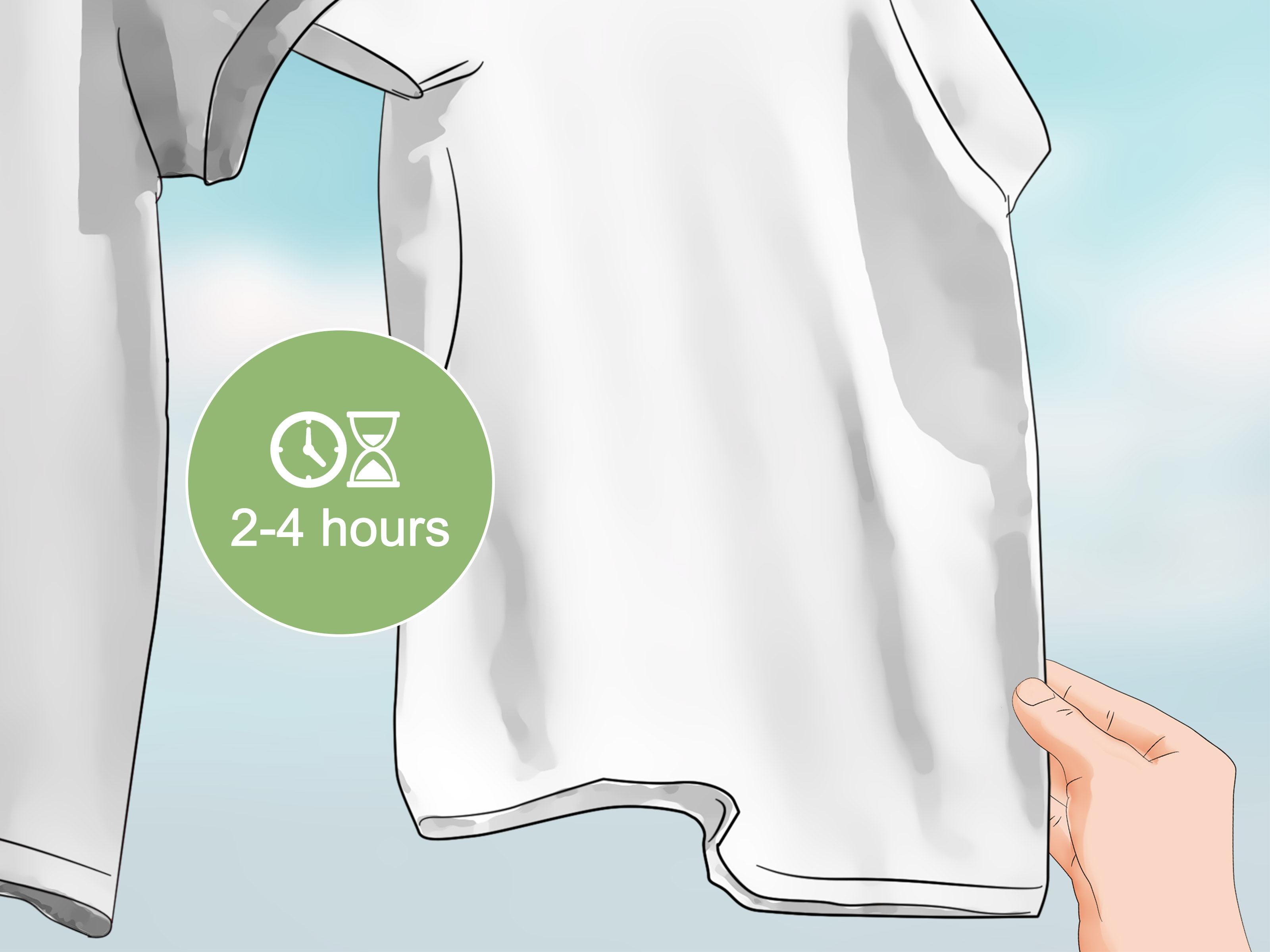
Drying time depends on fabric thickness, humidity, airflow, and whether the garment is 100% polyester or a blend. Lightweight polyester shirts may air dry in a few hours indoors and faster outdoors with good airflow. Polyester athletic wear often dries overnight or sooner. Thick fleece, jackets, or bedding may take longer, especially in humid weather.
In a dryer, many polyester items need only a short low-heat cycle. Start small: 10 to 20 minutes, then check. The key is to stop once the fabric is dry or nearly dry. More time is not better. With polyester, more time often just means more static, more wrinkles, and more electricity used for no good reason.
Quick Troubleshooting Guide
If Polyester Comes Out Wrinkled
Remove it earlier next time, shake it before drying, and hang it while slightly damp. Use a steamer for stubborn wrinkles. If ironing, use low heat and a pressing cloth.
If Polyester Has Static Cling
Dry it for less time, use low heat, and avoid mixing it with heavy cotton items. A dryer sheet or wool dryer balls may help, depending on the garment’s care instructions.
If Polyester Smells After Drying
Make sure it is fully dry before storing. Odors can also come from detergent buildup, body oils, or poor airflow. Wash activewear inside out, avoid overloading the washer, and dry it in a place with good ventilation.
If Polyester Feels Stiff
Stiffness may come from too much detergent, hard water, or over-drying. Use the correct detergent amount, rinse well, and remove garments promptly from the dryer.
Experience Notes: What Actually Works When Drying Polyester
After dealing with polyester in real-life laundry situationsgym shirts, office blouses, school uniforms, fleece jackets, travel pants, curtains, and the occasional mystery garment that seems to reproduce in the hamperthe most reliable lesson is simple: polyester rewards patience, not heat. It dries so quickly that blasting it on high is usually unnecessary. In fact, high heat often creates more problems than it solves.
One helpful habit is sorting polyester before drying. When polyester shirts are dried with towels, the shirts usually finish first, but they keep tumbling while the towels are still damp. By the time the towels are dry, the polyester may be full of static and wrinkles. Drying polyester with similar lightweight items makes the whole process smoother. It also reduces lint, which is especially noticeable on black polyester leggings, navy uniforms, and dark athletic shirts.
Another practical trick is the “half-dry hanger finish.” Put polyester garments in the dryer on low for a short refresh, then remove them while faintly damp and hang them. This works beautifully for button-up shirts, blouses, dresses, and pants. The dryer removes the heavy moisture, while the hanger helps the garment finish drying in the right shape. It is faster than full air drying but gentler than a complete machine-dry cycle.
For workout clothes, air drying is usually worth it. Polyester athletic wear tends to hold body oils, especially in underarms, waistbands, and synthetic compression zones. If those clothes are dried with heat before they are fully clean, odor can become harder to remove later. Hanging gym clothes inside out near airflow helps them dry evenly and keeps elastic areas in better condition. A folding drying rack near a fan can turn laundry day from “wet clothes everywhere” into a surprisingly organized system.
Polyester travel clothing is another good example. Many travel shirts and pants are designed to dry overnight, which is why they are popular for packing light. The best method is to roll the washed garment in a towel, press out moisture, shake it, smooth it, and hang it in a ventilated area. A shower rod works in a pinch, but a hanger placed where air can circulate is better. Avoid hanging wet polyester in a cramped bathroom with no airflow unless you enjoy waiting until next Tuesday.
For polyester bedding, the biggest challenge is bunching. Sheets and duvet covers love to twist themselves into a damp fabric burrito. The fix is to pause the dryer halfway, shake everything out, and restart on low or medium-low heat. Removing bedding immediately after drying also prevents deep wrinkles. If sheets are slightly damp, spread them over the bed or hang them for a few minutes before folding.
The final experience-based rule is to trust your hands. If polyester feels dry, stop drying it. If seams or pockets feel cool and damp, give it more air time. If the fabric feels hot, staticky, or overly crisp, it has probably been in the dryer too long. Polyester is easy to care for once you stop treating every load the same. Low heat, short cycles, good airflow, and prompt hanging will keep polyester clothes looking newer, smoother, and far less dramatic.
Conclusion
Drying polyester is easy once you remember the main rule: gentle is better. Check the care label, remove excess water, smooth the fabric, and choose air drying or low heat. Polyester dries faster than many natural fabrics, so it rarely needs a long dryer cycle. Remove it while slightly damp, hang or fold it promptly, and avoid high heat whenever possible.
Whether you are drying a polyester shirt, dress, fleece jacket, workout outfit, or sheet set, the right method protects the fabric’s shape, color, stretch, and texture. Your clothes will look better, last longer, and stop emerging from the dryer with enough static to power a small science fair project.
Note: This article was created from a synthesis of current, practical laundry-care guidance from reputable U.S. appliance, detergent, fabric-care, cleaning, and energy-efficiency resources, rewritten in original language for web publication.