

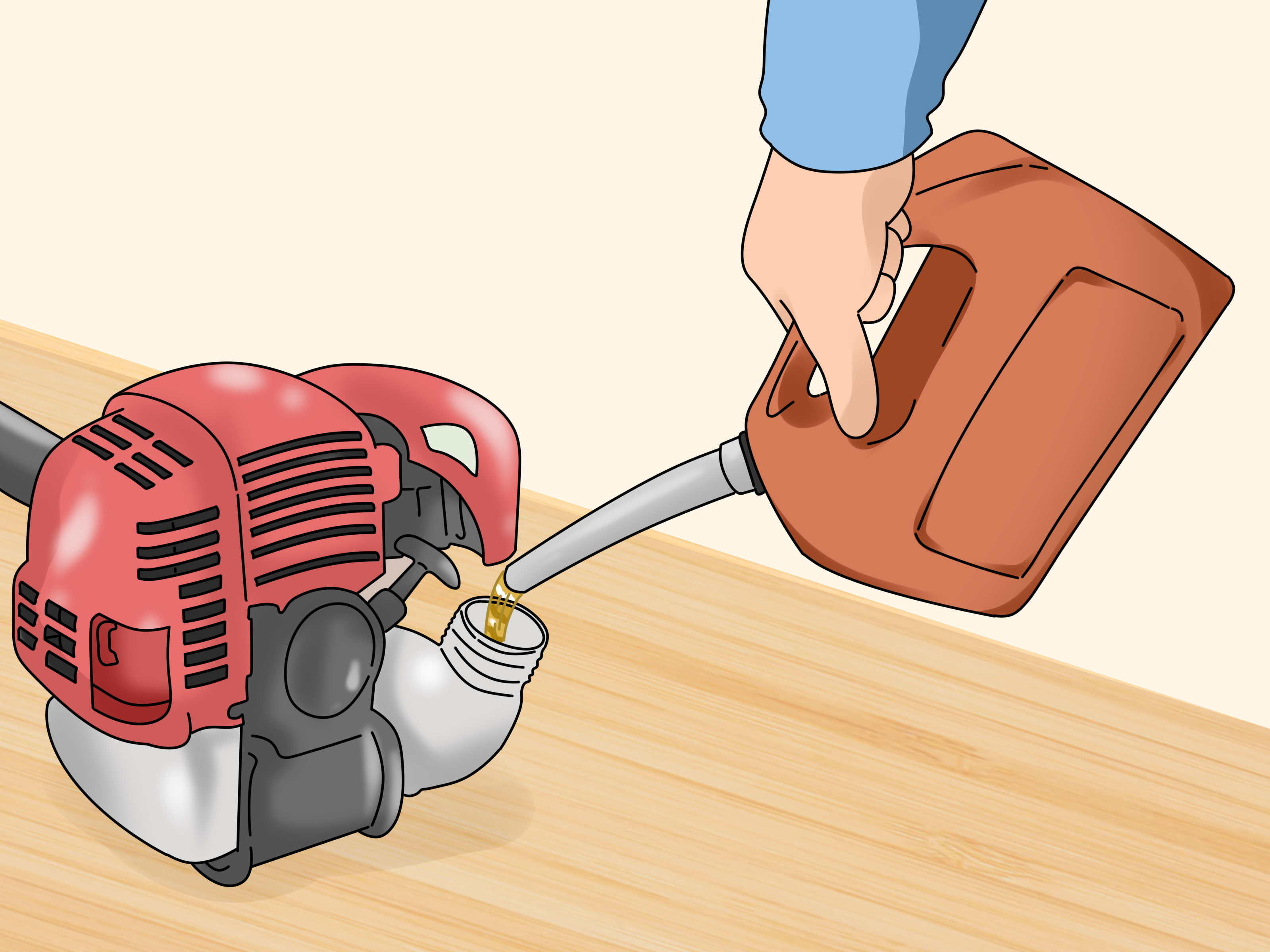
Mixing gas for a weed wacker sounds simpleuntil you are standing in the garage holding a tiny bottle of two-cycle oil, a gas can, and the vague memory that “50 to 1” means something important. Good news: you do not need to be a small-engine wizard, a math teacher, or the neighborhood guy who owns seven trimmers and calls them “the fleet.” You just need the right fuel, the right oil, a clean approved container, and a few careful steps.
This guide explains how to mix gas for a weed wacker in eight easy steps, with practical examples for common gas-to-oil ratios like 50:1, 40:1, and 32:1. It also covers storage, ethanol, safety, and the little mistakes that make string trimmers refuse to start like a toddler being asked to wear shoes.
Why Weed Wackers Need Mixed Gas
Many gas weed wackers, also called string trimmers or line trimmers, use a two-cycle engine. Unlike a four-cycle lawn mower engine, which usually has separate places for gasoline and oil, a two-cycle engine often has one fuel tank. That means the gasoline and oil must be mixed before they go into the machine.
The gasoline provides combustion. The two-cycle oil provides lubrication for internal engine parts. Without the oil, the engine can overheat, score the piston, damage the cylinder, or seize completely. In plain backyard language: straight gas in a two-stroke weed wacker can turn your helpful yard tool into a very loud paperweight.
The exact fuel mix ratio depends on your model. Many modern trimmers use a 50:1 gas-to-oil ratio, but some brands and older machines use 40:1 or 32:1. Always check the owner’s manual, the fuel cap, or the label near the tank before mixing.
Common Weed Wacker Gas-to-Oil Ratios
A fuel ratio tells you how many parts gasoline to mix with one part two-cycle oil. A 50:1 ratio means 50 parts gasoline to 1 part oil. A 40:1 ratio uses slightly more oil. A 32:1 ratio uses even more oil, often for older two-cycle equipment.
| Mix Ratio | Gasoline | Two-Cycle Oil Needed | Common Use |
|---|---|---|---|
| 50:1 | 1 gallon | 2.6 fl oz | Many modern string trimmers |
| 40:1 | 1 gallon | 3.2 fl oz | Some Craftsman, Poulan, Weed Eater, and older units |
| 32:1 | 1 gallon | 4.0 fl oz | Older two-cycle equipment |
Do not guess. If your trimmer calls for 40:1 and you feed it 50:1, the engine receives less oil than recommended. If your trimmer calls for 50:1 and you use a very oil-heavy mix, it may smoke, foul the spark plug, or run poorly. A tiny measuring mistake once may not cause disaster, but making a habit of “close enough” is how small engines develop big opinions.
Easy Ways to Mix Gas for a Weed Wacker: 8 Steps
Step 1: Read the Manual or Check the Fuel Cap
Before opening the gas can, find the correct ratio. Look in the owner’s manual, on the fuel cap, or on a sticker near the fuel tank. If the machine is old and the label is worn off, search by model number or contact the manufacturer. The ratio matters because the engine depends on that oil for lubrication.
For example, many STIHL and Husqvarna handheld tools commonly use 50:1. Some Craftsman-style two-cycle oils are labeled for 40:1. Older handheld equipment may require 32:1. Your weed wacker is the boss here. The oil bottle is not the boss. Your neighbor with “a system” is definitely not the boss.
Step 2: Use Fresh, Clean Gasoline
Use clean, fresh unleaded gasoline. For many small engines, regular 87-octane gasoline is acceptable, while some manufacturers recommend mid-grade 89 octane or higher for certain equipment. When in doubt, follow your equipment manual.
Avoid gasoline with more than 10% ethanol. E10 is commonly accepted by many current small-engine manufacturers, but E15 and E85 are not recommended for typical weed wackers. Ethanol can attract moisture, and old fuel can leave varnish-like deposits that make carburetors cranky. If your trimmer has been sitting with stale fuel since last summer, do not be shocked when it starts negotiating instead of starting.
Step 3: Choose the Right Two-Cycle Oil
Use quality two-cycle oil made for air-cooled outdoor power equipment. Do not use regular automotive motor oil. Do not use four-cycle oil. Do not use outboard marine oil unless your manual specifically says so. Boat engines and weed wackers live very different lives, and your trimmer does not care how fancy your boat oil looks on the shelf.
Look for oil labeled for two-cycle or two-stroke air-cooled engines. Many bottles are pre-measured for one gallon of fuel. A 2.6-ounce bottle is typically intended for a 50:1 mix with one gallon of gasoline. A 3.2-ounce bottle usually makes a 40:1 mix with one gallon. This is the easiest path if math makes your soul leave your body.
Step 4: Use an Approved Gasoline Container
Always mix fuel in a clean, approved gasoline container. Never mix oil and gasoline directly inside the weed wacker’s fuel tank. The tank is too small for accurate measuring, and the oil may not distribute evenly. That can lead to a few seconds of poor lubrication, which is exactly the kind of drama your piston did not sign up for.
Use a container that seals tightly and is clearly marked. Ideally, dedicate one can to two-cycle mix and label it with the ratio, such as “50:1 TRIMMER MIX” or “40:1 TWO-STROKE ONLY.” This prevents you from accidentally pouring mixed fuel into a four-cycle mower or straight gas into a two-cycle trimmer.
Step 5: Measure the Oil Accurately
Measure carefully. If you are mixing one gallon at 50:1, use 2.6 fluid ounces of two-cycle oil. For 40:1, use 3.2 ounces. For 32:1, use 4 ounces. A small graduated measuring cup, marked oil bottle, or pre-measured oil container makes this simple.
If you only need a small batch, scale the numbers down. For half a gallon at 50:1, use about 1.3 ounces of oil. For one quart at 50:1, use about 0.64 ounces. Smaller batches are often smarter for homeowners because mixed fuel ages faster than your enthusiasm for yard work.
Step 6: Add Oil and Gas in the Right Order
A reliable method is to pour about half the gasoline into the approved container, add the full measured amount of two-cycle oil, close the cap, and shake gently. Then add the remaining gasoline and shake again. Some manufacturers recommend adding oil first and then gasoline. Either way, the goal is the same: get the oil fully blended before the mix goes into the trimmer.
Do this outdoors or in a well-ventilated area away from flames, sparks, cigarettes, water heaters, space heaters, and anything else that thinks “boom” is a personality trait. Gasoline vapors are flammable, and they deserve respect.
Step 7: Shake Before Every Fill-Up
After mixing, shake the gas can before fueling the weed wacker. Oil and gasoline are designed to mix, but after storage, a quick shake helps keep the blend consistent. Clean around the trimmer’s fuel cap before opening it so dirt, grass dust, and mysterious garage crumbs do not fall into the tank.
Fill slowly and avoid overfilling. Wipe spills immediately and move the trimmer away from the fueling area before starting it. If fuel gets on your hands, wash with soap and water. If fuel spills on clothing, change clothes before operating equipment. Looking rugged is fine; smelling like a gas station is not the goal.
Step 8: Store Mixed Fuel Properly
Mixed two-cycle fuel should not sit forever. Many manufacturers recommend using mixed fuel within 30 days for best performance, especially if it contains ethanol. Some stabilized fuel mixes can last longer, and sealed premixed ethanol-free products often advertise extended shelf life. Still, for most homeowners, the safest habit is simple: mix only what you expect to use soon.
Store fuel in a cool, dry, well-ventilated location away from ignition sources and out of reach of children. Do not leave mixed fuel in the trimmer for months. For seasonal storage, drain the tank or run the machine dry according to the manual. Your future springtime self will thank you when the weed wacker starts without requiring six prayers and a screwdriver.
Should You Use Premixed Fuel?
Premixed two-cycle fuel is a convenient option. It usually comes ethanol-free, already blended at ratios such as 50:1 or 40:1, and packaged for longer storage. It costs more per ounce than pump gas and oil, but it removes measuring mistakes and is especially useful for homeowners who trim occasionally.
If you maintain a large property and burn through fuel every week, mixing your own may be more economical. If you use your trimmer once every few weekends, premixed fuel can be worth the extra cost because it stays fresher and reduces carburetor trouble. Think of it as paying a small convenience tax to avoid pulling the starter rope 37 times while questioning your life choices.
Common Mistakes to Avoid
Using Straight Gas
Straight gasoline in a two-cycle weed wacker can cause severe engine damage. If you realize you added straight gas, stop immediately. Drain the tank, add the correct mix, and do not continue running the engine.
Mixing in the Fuel Tank
Mixing directly in the machine’s tank can create uneven lubrication. Always premix in an approved container.
Using Old Gas
Old fuel can cause hard starting, rough running, and carburetor problems. Fresh fuel is cheaper than repairs.
Using the Wrong Oil
Use two-cycle oil designed for air-cooled small engines. Automotive oil and four-cycle oil are not substitutes.
Forgetting to Label the Can
A label prevents costly mistakes. Mark the ratio, date mixed, and intended equipment.
Quick Troubleshooting After Mixing Fuel
If your weed wacker will not start after fueling, check the basics before assuming the engine has joined a labor union. Make sure the on/off switch is on, the choke is set correctly, and the primer bulb has fuel. Confirm that the fuel mix is fresh and correctly measured. If the engine starts and then dies, the carburetor may be dirty, the fuel filter may be clogged, or the spark plug may be fouled.
Too much oil may cause smoke, plug fouling, and sluggish running. Too little oil may cause overheating and internal wear. If the trimmer ran poorly right after a new batch of fuel, drain the tank and try a properly measured fresh mix. Many “mystery” small-engine problems are actually fuel problems wearing a fake mustache.
Real-World Experiences: What Mixing Gas for a Weed Wacker Teaches You
After you have mixed fuel for a weed wacker a few times, you start to notice patterns. The first lesson is that small engines love routine. They like fresh fuel, clean filters, correct oil, and being stored with a little dignity. They do not like mystery gasoline from the back corner of the garage, especially if nobody remembers whether it was mixed last month, last season, or during the previous presidential administration.
One practical experience many homeowners share is that pre-measured oil bottles make life easier. If your trimmer uses 50:1, buying 2.6-ounce bottles and mixing each with one gallon of gas removes nearly all confusion. There is no squinting at a measuring cup, no guessing whether the bottle cap counts as “about an ounce,” and no accidental science experiment. The same idea works for 40:1 bottles that treat one gallon with 3.2 ounces of oil.
Another useful lesson is to mix smaller amounts. A homeowner with a normal suburban yard may not need five gallons of two-cycle fuel. A single gallon can last several trimming sessions. If it sits too long, the trimmer may become harder to start. Mixing half a gallon or buying premixed fuel can be smarter than saving a few dollars and later paying for carburetor cleaning.
Labeling also becomes more important than people expect. A red gas can in the garage may contain straight gas, 50:1 mix, 40:1 mix, or ancient fuel that belongs in a museum of bad decisions. A piece of masking tape with the ratio and date can prevent a ruined engine. For example, write “50:1 trimmer mix, May 2026” on the can. When the season ends, you will know exactly what you have.
People also learn to keep fuel clean. Grass clippings, dust, and dirt around the cap can sneak into the tank. Once debris reaches the fuel filter or carburetor, your quick trimming job can turn into an afternoon of disassembly. Wiping the cap before opening it takes five seconds and saves frustration.
One of the biggest experience-based tips is to avoid panic when the trimmer smokes a little at startup. A cold two-cycle engine may smoke briefly, especially if it has been sitting. But heavy smoke, oily exhaust, or repeated plug fouling can mean the mix is too rich in oil, the oil quality is poor, or the engine needs maintenance. On the other hand, a screaming-hot engine that loses power may be running too lean or receiving too little lubrication. That is why the correct ratio matters.
Finally, experienced users know that fuel is part of maintenance, not just something you pour in when the tank is empty. Fresh, correctly mixed gas helps the trimmer start faster, idle better, and last longer. It also makes yard work less annoying. And let’s be honest: trimming fence lines is already annoying enough without your weed wacker coughing like it just read your fuel label and gave up.
Conclusion
Mixing gas for a weed wacker is easy once you know the ratio and follow a consistent process. Check the manual, use fresh gasoline, choose proper two-cycle oil, measure carefully, mix in an approved container, shake before filling, and store the fuel correctly. Most modern trimmers commonly use 50:1, but many machines use 40:1 or 32:1, so never assume.
The best approach is simple: respect the ratio, respect gasoline safety, and do not let old fuel sabotage your Saturday. With the right mix, your weed wacker will start easier, run smoother, and spend more time cutting weeds than testing your patience.