

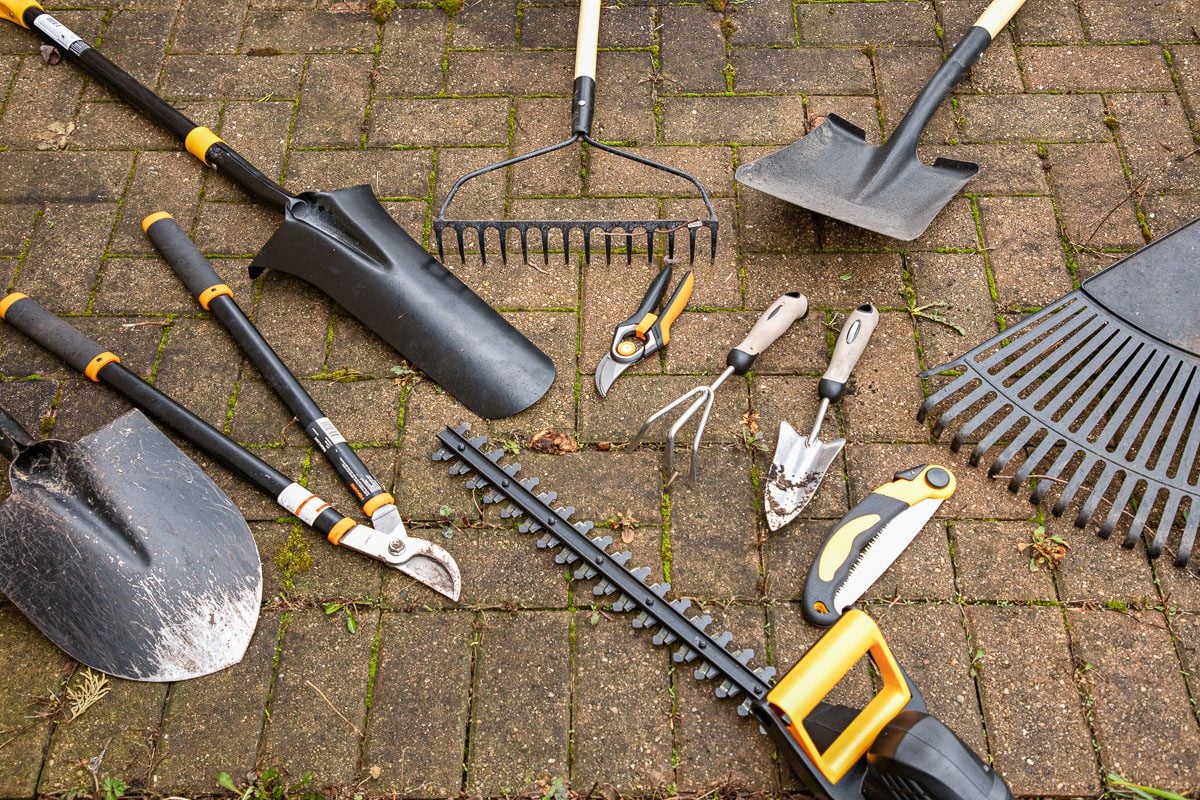
Starting a garden can feel a little like walking into a hardware store with a vague dream and leaving with seventeen objects that look medieval. A fork with claws? A knife that digs? A rake that is not for leaves? Welcome to gardening, where the right tool can make you feel like a calm backyard professional, and the wrong one can make you question every tomato you have ever met.
The good news is that homeowners do not need a shed full of expensive gadgets to grow flowers, vegetables, herbs, shrubs, or a lawn that does not look personally offended. Most home gardens can be maintained beautifully with a practical core set: gloves, hand pruners, a trowel, shovel, spade, garden fork, rake, hoe, watering gear, wheelbarrow, and a few smart extras for comfort and safety.
This guide breaks down the essential gardening tools every homeowner needs, how to use them correctly, what to look for when buying them, and how to keep them working season after season. Think of it as your friendly tool shed translator.
Why the Right Gardening Tools Matter
Gardening is part science, part patience, and part “where did I put the trowel again?” The right tools help you work faster, protect your body, reduce damage to plants, and keep your garden healthier. Sharp pruning tools make cleaner cuts. A good watering setup gets moisture to the roots instead of turning leaves into a splash park. A well-balanced shovel saves your back from sending a formal complaint.
Good tools also prevent the classic beginner mistake: using one tool for every job. A hand trowel is wonderful for planting herbs, but it is not a shovel. A shovel can move soil, but it is not a precision weeder. Pruners cut stems cleanly, while dull scissors chew them like a nervous squirrel. Matching the tool to the task is one of the easiest ways to garden better.
The Essential Gardening Tools Every Homeowner Should Own
1. Gardening Gloves: Your First Line of Defense
Before you touch soil, roses, mulch, compost, or that mysterious weed with suspicious confidence, put on gloves. Gardening gloves protect your hands from blisters, splinters, thorns, cuts, insects, and skin irritants. They also keep soil from packing under your fingernails like it signed a lease.
For everyday gardening, choose flexible gloves with breathable fabric and coated palms for grip. Nitrile-coated gloves are great for planting, weeding, and handling damp materials. Leather gloves are better for pruning thorny shrubs, moving rough branches, or dealing with woody debris. If you grow roses, blackberries, or anything that bites back, look for gauntlet-style gloves that cover the wrists and forearms.
How to use them: Keep separate gloves for light planting and rough work. Wash or rinse muddy gloves when needed, dry them fully, and replace gloves with holes. Gloves only work if they are intact and comfortable enough that you actually wear them.
2. Hand Trowel: The Small Tool You Will Use Constantly
A hand trowel is the little scoop-shaped tool that handles an impressive amount of garden work. Use it for planting annuals, herbs, bulbs, small perennials, vegetable starts, and container plants. It is also helpful for digging out small weeds, mixing fertilizer into potting soil, and checking soil moisture below the surface.
Look for a trowel with a strong blade, comfortable handle, and sturdy connection between the blade and grip. A cheap trowel that bends in compacted soil is not a bargain; it is a tiny metal disappointment.
How to use it: Push the blade straight into loosened soil, rock it slightly to open a planting hole, place the plant at the correct depth, then backfill gently. For containers, use the trowel like a mini shovel, but avoid jabbing roots unnecessarily.
3. Bypass Hand Pruners: For Clean Cuts on Living Plants
Bypass pruners are one of the most important garden tools for homeowners. They work like scissors, with two blades passing by each other to make a clean cut. Use them for pruning live stems, trimming perennials, deadheading flowers, harvesting herbs, removing damaged growth, and shaping small shrubs.
Choose pruners that fit your hand. If they are too large, every cut feels like a workout designed by an angry gym teacher. Look for sharp, replaceable blades, a locking mechanism, and comfortable handles. For live stems, bypass pruners are usually better than anvil pruners because they reduce crushing.
How to use them: Cut just above a healthy bud, leaf node, or branch junction. Keep the blade side toward the part of the plant you are keeping. Remove dead, damaged, or diseased stems first, then step back before making shaping cuts. Plants appreciate strategy; random snipping is just botanical panic.
4. Loppers and Pruning Saw: For Bigger Branches
When branches are too thick for hand pruners, reach for loppers or a pruning saw. Loppers have long handles that provide leverage for branches that are usually up to about one to two inches thick, depending on the tool and wood hardness. A pruning saw handles larger limbs and woody stems.
Homeowners with shrubs, small trees, fruit trees, or mature landscape plants should consider owning both. If your yard is mostly lawn and container plants, you may not need them right away.
How to use them: Never force hand pruners through a branch that is too large. That damages the plant and the tool. Use loppers for medium branches and a pruning saw for larger cuts. For heavy tree limbs, especially near power lines or above shoulder height, hire a qualified professional instead of turning Saturday into an emergency-room story.
5. Shovel: For Digging, Lifting, and Moving Soil
A round-point shovel is the workhorse of the yard. It digs planting holes, moves soil, transfers compost, removes small shrubs, and helps with many landscaping projects. If you only buy one long-handled digging tool at first, a quality shovel is usually the most versatile choice.
Look for a strong blade, comfortable step ledge for your foot, and a handle length that fits your height. Fiberglass handles are durable and weather-resistant, while wooden handles feel classic and can be repaired or sanded.
How to use it: Let your body weight help drive the blade into the soil. Bend your knees when lifting, keep loads small, and avoid twisting while carrying soil. Also, before digging deep holes for trees, fences, posts, or major beds, contact 811 so underground utilities can be marked. A tomato bed is not worth discovering a buried line the exciting way.
6. Garden Spade: For Edging and Clean Cuts
A spade has a flatter blade than a shovel and is excellent for edging beds, slicing through sod, dividing perennials, cutting straight-sided trenches, and shaping garden borders. If a shovel is the scoop-and-lift tool, a spade is the neat-line specialist.
How to use it: Press the blade straight down along the edge of a bed, then lift out the cut soil or turf. For dividing perennials, push the spade through the root ball and separate sections cleanly. Keep the blade sharp so it cuts rather than mashes.
7. Garden Fork: For Loosening Soil Without Pulverizing It
A garden fork has strong tines that loosen compacted soil, lift root crops, turn compost, and mix organic matter into beds. It is often better than a shovel when you want to aerate or lift soil without flipping the whole ecosystem upside down.
How to use it: Push the tines into the soil, step down with your foot, then pull back gently to loosen. Avoid using it like a crowbar in rocky soil, because bent tines are not fashionable. For compost, lift and turn material to add air and mix dry and wet ingredients.
8. Rakes: One for Leaves, One for Soil
There are two rakes homeowners should know. A leaf rake has flexible fan-shaped tines and is made for leaves, grass clippings, and light debris. A bow rake has short, rigid metal tines and is used for leveling soil, spreading compost, breaking small clods, and preparing seedbeds.
How to use them: Use a leaf rake with gentle pulling motions so you do not rip up young plants or mulch. Use a bow rake after digging to smooth the soil surface before planting seeds or laying sod. Turn the bow rake upside down and drag the flat edge for final leveling.
9. Hoe or Hand Weeder: For Weed Control Before Weeds Become Villains
Weeds are easiest to control when they are small. A hoe lets you slice young weeds at the soil surface before they grow deep roots. A hand weeder or cultivator is useful in tight beds, containers, and around delicate plants.
There are several hoe styles. A draw hoe chops and pulls soil. A stirrup hoe skims just below the surface with a push-pull motion. A pointed hoe can open seed furrows and work between rows.
How to use it: Weed when the soil is slightly moist but not muddy. Keep the hoe blade sharp and skim shallowly to avoid bringing more weed seeds to the surface. The goal is to disturb weeds, not excavate the neighborhood.
10. Watering Can, Hose, Nozzle, and Soaker Hose
Watering tools are essential because plants do not grow on compliments alone. A watering can is perfect for containers, seedlings, and small beds. A garden hose with an adjustable nozzle helps water larger areas. For vegetable beds and landscape plantings, soaker hoses or drip irrigation are especially useful because they deliver water slowly near the root zone.
Deep, less frequent watering usually encourages stronger roots than quick daily splashes. Mulch helps soil hold moisture, and watering in the morning gives leaves time to dry if they get wet. For vegetables and new plantings, check soil moisture with your finger or a trowel instead of guessing from the surface.
How to use it: Water the base of plants rather than blasting leaves. Use a gentle shower setting for seedlings. For soaker hoses, lay the hose near plant roots, cover lightly with mulch, and run it long enough to moisten the root zone. A hose timer can prevent the classic “I forgot the water was on” swamp experiment.
11. Wheelbarrow, Garden Cart, or Tub
A wheelbarrow or garden cart saves time and protects your back when moving compost, mulch, soil, plants, stones, tools, and yard waste. For small spaces, a flexible garden tub may be enough. For larger yards, a two-wheeled cart is often easier to balance than a traditional wheelbarrow.
How to use it: Load heavy materials low and centered. Make multiple lighter trips instead of one heroic trip that ends with mulch everywhere except the bed. Store carts upside down or under cover to prevent water from collecting inside.
12. Kneeling Pad, Garden Seat, and Ergonomic Handles
Comfort tools are not luxuries; they are how you keep gardening enjoyable. A kneeling pad protects knees while planting and weeding. A low garden seat reduces bending. Ergonomic handles can reduce wrist strain, especially for repetitive tasks.
How to use them: Keep your wrist as straight as possible when gripping hand tools. Switch tasks every 20 to 30 minutes to avoid overuse. Use long-handled tools when you can, and bring the work closer to you instead of folding yourself into a human question mark.
Helpful Extras Worth Owning
Once your basic garden tool kit is ready, a few extras make gardening smoother. A soil knife, often called a hori hori, can cut roots, dig narrow holes, divide perennials, and remove weeds. Plant labels and a waterproof marker prevent the springtime mystery known as “Is this basil or a weed?” A measuring tape helps with plant spacing. Twine and soft plant ties support tomatoes, beans, flowers, and young stems. A bucket is useful for weeds, harvests, compost scraps, and carrying hand tools.
A soil test kit or professional soil test is also valuable. Before adding fertilizer, lime, or amendments, learn what your soil actually needs. Guessing with fertilizer is like seasoning soup while blindfolded: sometimes fine, sometimes regrettable.
How to Choose Quality Gardening Tools
Quality does not always mean buying the most expensive tool. It means buying the right tool for your body, garden size, and tasks. Hold a tool before purchasing when possible. Check the weight, grip, balance, and handle length. A tool that feels awkward in the store will not magically become charming after two hours of digging clay soil.
For cutting tools, spend more if you can. Good pruners, loppers, and saws make cleaner cuts, last longer, and can often be sharpened or repaired. For digging tools, look for strong blades, solid handle connections, and foot ledges. For watering tools, choose durable fittings that do not leak every time you turn on the spigot and create an accidental ankle fountain.
How to Maintain Gardening Tools
Tool care is simple, but it matters. Clean soil from shovels, trowels, hoes, and forks after use. Dry metal parts before storage to reduce rust. Wipe sap from pruners and shears. Sharpen cutting blades regularly. Store tools in a dry place, not abandoned in wet grass like garden fossils.
For pruners, remove dirt, sap, and rust before sharpening. Follow the original bevel angle when using a sharpening file. After cleaning, apply a light protective oil to metal parts. Wooden handles can be sanded smooth and treated occasionally to prevent cracking.
If you prune diseased plants, sanitize cutting tools before moving to healthy plants. Rubbing alcohol or a diluted bleach solution is commonly used, but tools should be dried afterward to reduce corrosion. Prune healthy plants first and diseased plants last whenever possible.
Safety Tips Every Home Gardener Should Know
Gardening is peaceful, but it still involves sharp blades, heavy objects, sun exposure, insects, and underground surprises. Wear gloves, closed-toe shoes, and eye protection when cutting branches or using tools that can fling debris. Keep tools sharp; dull tools require more force and are often less safe. Carry pruners and knives with blades closed or sheathed.
Before major digging, contact 811 a few days in advance so buried utilities can be marked. If you live in an older home or urban area, consider soil testing before growing edible crops directly in the ground, especially if peeling paint, old structures, or past industrial use may have affected the site. Raised beds with clean soil can be a smart option where soil safety is uncertain.
Tool Setup for Different Home Gardens
For a Small Patio or Balcony Garden
You can start with gloves, a trowel, watering can, hand pruners, plant labels, and a small hand rake. Add a bucket for mixing potting soil and carrying clippings.
For a Vegetable Garden
You will want gloves, trowel, hoe, bow rake, shovel, garden fork, watering hose, soaker hose, pruners, plant ties, compost fork, and a cart or wheelbarrow. A measuring tape helps with spacing rows and transplants.
For Flower Beds and Landscaping
Start with gloves, trowel, spade, shovel, hand pruners, loppers, rake, watering hose, kneeling pad, and mulch fork. If you have shrubs or small trees, add a pruning saw.
For Lawn and Yard Maintenance
A leaf rake, garden rake, shovel, edging spade, hose, wheelbarrow, pruning tools, and gloves will handle most routine work. If you apply lawn products, measure your lawn area first and follow product labels carefully.
Common Gardening Tool Mistakes to Avoid
One common mistake is buying too many tools too soon. Start with essentials, then add tools based on real tasks. Another mistake is using dull pruners, which can crush stems and slow plant recovery. Homeowners also often water too lightly, wetting the surface while roots stay thirsty below.
Do not leave tools outside in rain. Do not use your best pruners to cut wire, plastic edging, or anything that is not plant material. Do not dig aggressively near marked utilities. And please, do not use a leaf rake to level compacted soil unless you enjoy frustration as a hobby.
Real-World Gardening Experiences: Lessons From the Tool Shed
Every gardener eventually learns that tools have personalities. The trowel disappears the moment you need it. The hose kinks precisely when your hands are muddy. The wheelbarrow feels light on the way out and like a grand piano on the way back. But after a few seasons, you begin to understand which tools truly earn their space.
One of the biggest lessons is that comfort matters more than beginners expect. A shovel that is too short can make a simple planting job feel like punishment. Pruners that are too wide for your hand can make rose trimming miserable. Gloves that are too thick reduce control, while gloves that are too thin invite thorns to introduce themselves. The best tool is not always the fanciest one; it is the one you reach for without thinking.
Another practical lesson is to keep frequently used tools together. A small bucket or garden tote with gloves, pruners, twine, labels, a trowel, and a hand weeder can save countless trips back to the garage. When you are in the middle of planting basil and realize you need scissors, labels, and a marker, that little tote feels like a miracle with handles.
Watering tools teach patience. Many new gardeners sprinkle plants quickly and assume the job is done. Then they dig an inch down and find dry soil. A better habit is to water slowly, pause, and check the soil. In containers, water until moisture drains from the bottom. In beds, water the root zone deeply, then mulch to hold moisture. A soaker hose may not look dramatic, but it quietly does excellent work while you drink coffee and pretend you planned everything perfectly.
Pruning also teaches restraint. New homeowners often attack shrubs with hedge shears because the plant looks “messy.” Sometimes that is fine for formal hedges, but many flowering shrubs look better when selectively pruned with hand pruners or loppers. Start by removing dead, damaged, or diseased wood. Then remove crossing branches. Then stop and look. Gardening rewards the person who pauses before making the next cut.
Tool maintenance is another lesson people learn after ruining something. Leaving a shovel muddy for weeks invites rust. Storing pruners with sap on the blades makes the next job harder. A five-minute cleaning routine after gardening can add years to your tools. Hang them up, wipe them down, and sharpen when needed. Your future self will be grateful, and your future self is already dealing with enough weeds.
The final experience is emotional, not technical: good tools make gardening feel possible. A homeowner staring at compacted soil, tangled vines, and overgrown beds can feel overwhelmed. But with gloves, pruners, a fork, a rake, a shovel, and a plan, the work becomes a series of small wins. One branch removed. One bed edged. One tomato planted. One wheelbarrow of mulch spread. Gardens are not built in a single heroic weekend; they are built through repeated, satisfying moments where the right tool makes the next step clear.
Conclusion
The essential gardening tools every homeowner needs are not about collecting shiny equipment. They are about making gardening easier, safer, and more successful. Start with gloves, a trowel, pruners, shovel, spade, fork, rake, hoe, watering tools, and a cart or wheelbarrow. Add comfort items like a kneeling pad and ergonomic handles. Maintain everything with regular cleaning, drying, sharpening, and proper storage.
With the right garden tool kit, you can plant confidently, prune cleanly, water wisely, control weeds early, and turn outdoor chores into something that feels less like work and more like therapy with dirt. Your plants will notice. Your back will notice. And your tool shed, once a place of confusion, may finally become a place of quiet homeowner pride.