

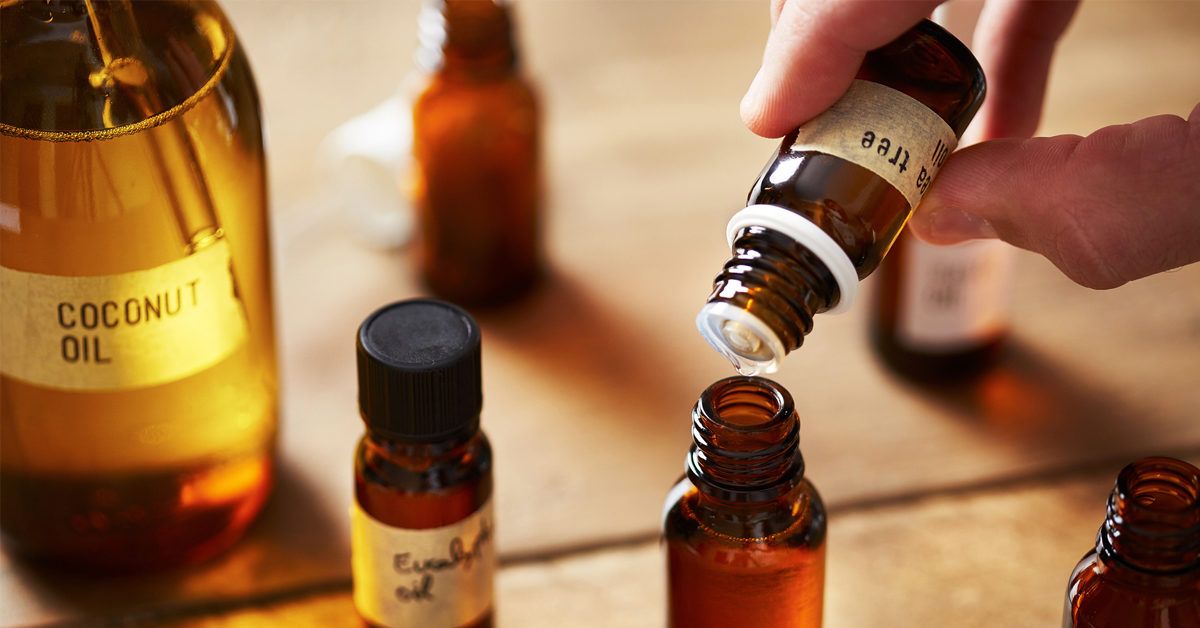
Essential oils have an excellent publicist. They smell fancy, come in cute little bottles, and somehow manage to look both ancient and trendy at the same time. But your skin, nose, or lungs do not care about good branding. When essential oils trigger a reaction, the vibe changes fast. What started as “a little lavender before bed” can turn into a red, itchy rash, burning skin, a pounding headache, or a coughing fit that makes your diffuser feel less like wellness and more like betrayal.
An essential oil allergic reaction usually shows up as contact dermatitis, especially after the oil touches the skin. That reaction can be truly allergic, meaning your immune system has decided this ingredient is Public Enemy No. 1, or it can be irritant contact dermatitis, where the oil is simply too harsh for your skin. There is also a third troublemaker: photosensitivity, when certain oils, especially some citrus oils, make skin more likely to react after sun exposure.
This guide breaks down the symptoms of an essential oil allergic reaction, what to do right away, which treatments may help, when to call a doctor, and how to prevent your next “natural” product from turning your face into a protest sign.
What Is an Essential Oil Allergic Reaction?
An essential oil allergic reaction most often means your skin has become sensitive to one or more compounds in the oil. Once that happens, even a small amount can trigger itching, redness, swelling, or blistering after exposure. The tricky part is timing. Unlike an immediate food allergy, a skin reaction from essential oils often appears hours or even days later. That delay makes people blame the wrong product all the time.
It gets even more confusing because you can react to a product you have used for months or years without a problem. Yes, your body can suddenly decide, “Actually, no, we hate this peppermint roller now.” That is one reason essential oil reactions are easy to miss.
Common essential oils and botanical ingredients that may cause problems include:
- Tea tree oil
- Lavender oil
- Peppermint oil
- Citrus oils such as lemon, lime, orange, and bergamot
- Blended fragrance oils and botanical extracts in “natural” skin care
One important reality check: natural does not automatically mean gentle. Essential oils are highly concentrated plant extracts. In other words, they are tiny bottles of chemistry wearing a cottagecore outfit.
Symptoms of an Essential Oil Allergic Reaction
1. Skin Symptoms
The most common reaction is on the skin, especially where the product touched you. Hands, face, eyelids, neck, scalp, underarms, and feet are frequent problem spots because that is where personal care products often land.
Typical skin symptoms include:
- Itching, sometimes intense
- Red, blotchy, or discolored rash
- Burning, stinging, or tenderness
- Swelling
- Dry, rough, or cracked skin
- Fluid-filled blisters
- Oozing, crusting, or scaling
- Thickened skin after repeated exposure
If the reaction is more irritant than allergic, burning and pain may stand out more than itching. If it is truly allergic contact dermatitis, itching is often the star of the show, and not in a fun Broadway way.
2. Eye and Face Reactions
Eyelids are especially vulnerable because the skin is thin. You might apply a shampoo, facial oil, pillow spray, or hair product and end up with a rash around the eyes. That does not mean your eyelids are dramatic. It means they are delicate and very willing to file a complaint.
3. Respiratory and Airway Symptoms
Some people react to inhaled oils or fragranced products with symptoms such as:
- Coughing
- Throat irritation
- Nasal stuffiness
- Headache
- Feeling unwell in a room with strong diffused oils
That does not always mean a classic allergy, but it does mean your body is not enjoying the experience. Stop using the product and get medical advice if symptoms keep happening.
4. Emergency Symptoms
Seek urgent medical care right away if you have:
- Trouble breathing
- Swelling of the lips, tongue, or mouth
- Throat tightness or hoarseness
- Widespread hives
- Dizziness, fainting, or signs of low blood pressure
- Vomiting plus breathing symptoms or swelling
These can signal a severe allergic reaction. Do not wait around hoping your body will “self-care” its way out of it.
Why Essential Oils Cause Reactions
Allergic Contact Dermatitis
This happens when your immune system becomes sensitized to a substance. The reaction usually appears after repeat exposure and can show up 24 to 48 hours later, sometimes longer. It often looks itchy, inflamed, and stubborn.
Irritant Contact Dermatitis
This is more of a direct assault on the skin barrier. Undiluted oils, damaged skin, or repeated exposure can cause burning, redness, dryness, cracking, and soreness. Even if you are not technically allergic, your skin may still say, “Absolutely not.”
Photosensitive Reactions
Some citrus oils can make skin more reactive to sunlight. You apply the oil, go outside, and later get redness, discoloration, irritation, or even blistering. It feels unfair because all you did was exist in daylight, but some oils and sunshine are a terrible duo.
Oxidation and Old Products
Age, air, heat, and light can change the chemical makeup of certain oils. That can increase the chance of irritation or allergy. If your bottle has been living uncapped in a warm bathroom like it pays rent, do not trust it.
What to Do Immediately After a Reaction
- Stop using the product immediately. No second chances. No “maybe just one drop less.”
- Wash the area gently. Use lukewarm or warm water and a gentle cleanser if needed. Pat dry; do not scrub.
- Apply a cool, wet compress. This can calm itching and burning.
- Avoid adding more products. Do not pile on more essential oils, fragranced creams, or random DIY hacks from the internet.
- Stay out of the sun if you used a citrus oil or notice color changes after exposure.
- Watch for worsening symptoms. Blistering, infection, facial swelling, or breathing problems mean it is time for professional help.
If someone swallows an essential oil, treat that as a poisoning concern, not just a skin issue. Call Poison Control or get emergency care, especially for a child.
Treatments for an Essential Oil Allergic Reaction
At-Home Relief for Mild Reactions
For a mild rash, basic skin-friendly care may help:
- Cool compresses for itch and inflammation
- Calamine lotion for comfort
- Over-the-counter 1% hydrocortisone cream for mild inflammation
- Oral antihistamines for itching, especially at night
- Gentle moisturizers or petroleum jelly if skin is dry and irritated
- Loose clothing and no scratching, even though your skin is begging for chaos
If you are dealing with an active rash, avoid experimenting with new products. This is not the moment for “healing” tea tree oil, eucalyptus spray, or your cousin’s mystery balm from a craft fair.
Medical Treatment
A clinician may recommend:
- Prescription-strength topical steroids
- Oral medication for severe swelling or itching
- Evaluation for infection if the rash is warm, painful, crusted, or draining
- Referral to a dermatologist or allergist
Medical care is especially important if the rash is on the face, eyelids, genitals, or a large area of the body, or if it lasts longer than about a week despite home care.
Patch Testing
If your reaction keeps returning and you cannot figure out the trigger, a dermatologist may recommend patch testing. This is different from a skin-prick test used for immediate allergies. Patch testing checks for delayed skin reactions by placing tiny amounts of allergens on your back and seeing what your skin does over several days.
That can help identify whether the problem is tea tree oil, fragrance mix, preservatives, a botanical extract, or some sneaky ingredient hiding in a product labeled “natural” or “unscented.”
How to Prevent an Essential Oil Allergic Reaction
1. Dilute Before Skin Use
Most essential oils should not go straight onto the skin. Diluting with a carrier oil, such as jojoba or coconut oil, reduces the risk of irritation. Undiluted use is one of the fastest ways to turn self-care into skin-care regret.
2. Do a Small Test First
Before using a new product regularly, test it on a small area of skin for several days. A home test is not perfect, but it can help catch a bad reaction early. Stop if you notice redness, itching, swelling, or burning.
3. Avoid Damaged Skin
Do not apply essential oils to broken, inflamed, or freshly shaved skin. A weakened skin barrier is more likely to sting, burn, or react.
4. Be Careful With Citrus Oils and Sunlight
If a product contains lemon, lime, bergamot, orange, or similar citrus oils, be cautious about sun exposure after application. If your skin reacts after both oil and sunlight, photosensitivity may be the culprit.
5. Choose Fragrance-Free Products When Needed
If you already have sensitive skin or fragrance allergy, look for products labeled fragrance-free. Be careful with the word unscented, which does not always mean fragrance-free. Sometimes it simply means the product includes ingredients that hide odor.
6. Store Oils Properly
Heat, light, and air can degrade oils. Keep bottles tightly closed and stored according to label directions. Old products are not vintage treasures. They are chemistry experiments.
7. Keep Them Away From Kids and Pets
Essential oils should be stored out of reach. Children are more vulnerable, and accidental ingestion can be dangerous.
8. Respect Your Skin’s History
If you have eczema, a known fragrance allergy, or very sensitive skin, you may be more likely to react. In that case, simpler skin care is often smarter skin care.
When to See a Doctor
Contact a healthcare professional if:
- The rash is severe, painful, or blistering
- Your face or eyelids are involved
- The area looks infected
- The reaction keeps coming back
- You cannot identify the trigger
- Symptoms last more than a week despite home treatment
- You have cough, wheezing, swelling, or breathing trouble
A dermatologist can help diagnose contact dermatitis and decide whether patch testing makes sense. An allergist may also help if there is concern for more significant allergic reactions.
What These Reactions Often Feel Like in Real Life
On paper, an essential oil allergic reaction sounds straightforward: you use a product, a rash appears, you stop using it, and the mystery is solved. Real life is much messier. For many people, the experience starts with confusion. They do not think, “Ah yes, delayed allergic contact dermatitis.” They think, “Why are my eyelids suddenly dry?” or “Why is my neck itchy every Tuesday?” That confusion is part of the story.
One common experience is the slow-burn surprise. Someone buys a rollerball blend or a lavender body oil, uses it for weeks, and then one day develops itchy red skin where it always goes. That delay makes the product seem innocent, which is deeply unhelpful. People often keep using it because it “never bothered me before,” not realizing allergies can develop after repeated exposure.
Another classic pattern is the where-did-this-rash-even-come-from experience. A person starts using a shampoo, hair serum, or pillow mist with essential oils and ends up with a rash around the eyes or on the sides of the neck. The product did not stay on the face for long, but thin skin does not need a long meeting to file a complaint. Eyelids, in particular, are famous for reacting dramatically to ingredients that seem harmless elsewhere.
Then there is the wellness product plot twist. Someone uses a diffuser because the scent is supposed to be calming, but instead gets coughing, throat irritation, or a headache. They open a window, feel better, and finally connect the dots. Inhaling an oil does not always cause a classic allergy, but it can still make a person feel miserable enough to retire that diffuser to a top shelf forever.
There is also the sunlight betrayal story. A citrus-scented oil feels great going on, then later the skin looks angry after time outdoors. People often blame the sun alone or the oil alone when it was really the combination. That is why photosensitive oils can be so sneaky.
Some of the most frustrating experiences happen at work. Massage therapists, hairstylists, and people who handle fragranced products all day may notice hand dermatitis that starts as dryness and ends as cracking, burning, and thickened skin. At that point, it is not just a cosmetic problem. It is painful, distracting, and hard to ignore when your hands are part of your job description.
The emotional side matters too. Many people feel fooled because the trigger was marketed as clean, gentle, botanical, or relaxing. But skin does not read labels for mood. It reacts to ingredients. That is why the best prevention strategy is not chasing trends. It is watching your own pattern, keeping products simple, and getting help when your skin starts acting like it has its own legal team.
Final Thoughts
Essential oils may smell lovely, but they are not harmless by default. An essential oil allergic reaction can range from a mild itchy rash to a more serious medical problem, and the most common culprit is contact dermatitis. The good news is that most reactions improve once the trigger is removed and the skin is treated gently. The better news is that prevention works: dilute properly, test carefully, avoid damaged skin, watch for sun-related reactions, and choose fragrance-free products when your skin has a history of rebellion.
If your skin keeps reacting, do not just keep switching bottles and hoping for enlightenment. See a dermatologist, consider patch testing, and get a real answer. Your skin deserves better than trial-and-error aromatherapy roulette.