

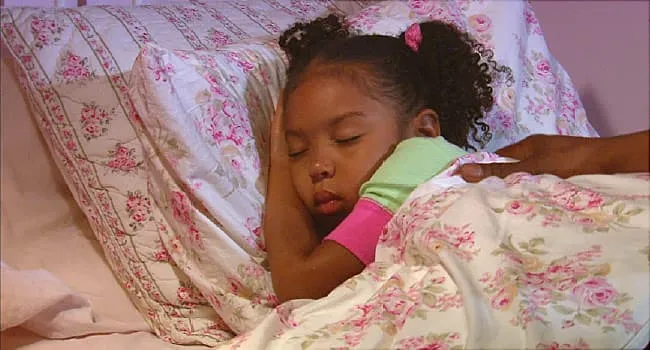
Bedwetting has a talent for showing up at the worst possible time: after fresh sheets, before school picture day, or right when a child proudly announces, “I’m not a baby anymore.” But here is the truth every parent needs to hear: bedwetting is common, usually not anyone’s fault, and very often connected to normal childhood development rather than laziness, stubbornness, or a secret plot against the laundry basket.
The phrase “WebMD Video Bedwetting causes” points to a topic many families search when they want quick, practical answers: Why does bedwetting happen? Is it normal? When should parents worry? And how can families help without turning bedtime into a courtroom drama? Medical sources including WebMD, Mayo Clinic, the National Institute of Diabetes and Digestive and Kidney Diseases, the American Academy of Pediatrics, Cleveland Clinic, Boston Children’s Hospital, Johns Hopkins Medicine, Urology Care Foundation, Nationwide Children’s Hospital, Harvard Health, and Lurie Children’s all emphasize the same comforting idea: most children who wet the bed are healthy, and bedwetting is rarely intentional.
What Is Bedwetting?
Bedwetting, medically called nocturnal enuresis, means a child urinates during sleep after the age when nighttime dryness is generally expected. Many children become daytime toilet trained long before their bodies are ready to stay dry all night. Daytime control and nighttime control are like two different apps on the same phone: one may update quickly, while the other keeps spinning at 2% battery.
Doctors often describe bedwetting in two main ways. Primary bedwetting means the child has never consistently stayed dry at night. Secondary bedwetting means the child was dry for several months and then started wetting the bed again. That difference matters because secondary bedwetting can sometimes be linked to stress, constipation, urinary tract infection, sleep problems, diabetes, or another medical trigger.
Why Bedwetting Happens: The Big Picture
Bedwetting usually does not have one single cause. It is often a mix of body timing, bladder capacity, sleep patterns, hormones, family history, and daily habits. Think of it like a tiny nighttime traffic jam: the bladder fills, the brain does not wake up quickly enough, and the bathroom is sadly not reached before the “road closure.”
Most importantly, children almost never wet the bed on purpose. Punishment does not fix the problem because bedwetting happens during sleep. A calmer approach works better: understand the cause, protect the child’s confidence, and talk with a pediatrician if red flags appear.
Common Bedwetting Causes in Children
1. Slow Bladder Development
One of the most common bedwetting causes is simple physical development. A child’s bladder may not yet be able to hold the amount of urine produced overnight. Some children also have a smaller functional bladder capacity, meaning the bladder sends “full” signals sooner than expected. This does not mean anything is “wrong” with the child. It may simply mean the bladder-brain system is still under construction, and the hard hats are still on.
2. Deep Sleep and Not Waking Up
Many children who wet the bed are deep sleepers. Their bladder may be sending a message, but the sleeping brain does not receive it loudly enough to wake the child. Parents sometimes say, “But I carried him to the bathroom and he barely opened his eyes.” Exactly. Some kids sleep like tiny hibernating bears, and the bladder alarm does not always get through. Mayo Clinic, Johns Hopkins, and other pediatric sources list difficulty waking to bladder signals as a common factor.
3. Making Too Much Urine at Night
During sleep, the body usually produces more antidiuretic hormone, often called ADH. This hormone helps slow urine production overnight. Some children may not yet produce enough ADH at night, so their kidneys continue making more urine than the bladder can hold. The result is not misbehavior; it is biology doing its best impression of a leaky faucet.
4. Family History and Genetics
Bedwetting often runs in families. If one or both parents wet the bed as children, their child has a higher chance of having the same issue. This can be strangely reassuring. A parent may go from “Why is this happening?” to “Oh, right, Uncle Mike had the same problem until fourth grade.” Family history does not make bedwetting permanent, but it can explain why one child struggles while a sibling stays dry.
5. Constipation
Constipation is one of the sneakiest bedwetting causes. The rectum sits close to the bladder. When stool builds up, it can press against the bladder, reduce storage space, and trigger urgency or nighttime accidents. A child may not complain of stomach pain, so constipation can hide in plain sight. If bedwetting comes with infrequent bowel movements, hard stools, belly discomfort, or daytime urgency, constipation deserves attention.
6. Stress, Anxiety, or Big Life Changes
Stress does not explain every case, but it can contribute, especially when a child starts wetting the bed after being dry for a while. Starting school, moving homes, family conflict, a new sibling, bullying, illness, or major routine changes can affect sleep and bathroom patterns. Children do not always say, “Dear parent, my nervous system is overwhelmed.” Sometimes the body sends the memo through sleep, appetite, mood, or bedwetting.
7. Urinary Tract Infection
A urinary tract infection, or UTI, can cause sudden accidents, frequent urination, urgency, pain or burning with urination, belly discomfort, or cloudy or strong-smelling urine. Bedwetting that appears suddenly, especially with daytime symptoms, should be checked by a healthcare professional. UTIs are treatable, but ignoring symptoms is like ignoring a smoke alarm because dinner is almost ready.
8. Sleep Apnea or Breathing Problems During Sleep
Obstructive sleep apnea can sometimes be linked with bedwetting. Children with sleep apnea may snore, breathe noisily, pause breathing during sleep, toss and turn, breathe through the mouth, or feel tired during the day. Enlarged tonsils or adenoids can contribute. Not every snoring child wets the bed, and not every bedwetting child snores, but the combination is worth mentioning to a pediatrician.
9. Diabetes or Increased Urine Production
Less commonly, bedwetting can be related to diabetes, especially if a child is suddenly drinking much more than usual, urinating frequently, losing weight, feeling unusually tired, or having new daytime accidents. These symptoms need medical evaluation. Most bedwetting is not diabetes, but new symptoms should never be brushed off as “just a phase.”
10. Caffeine, Evening Drinks, and Bathroom Habits
Caffeinated drinks can irritate the bladder and increase urine production. Soda, iced tea, energy drinks, and some chocolate-heavy treats can make nighttime dryness harder. Drinking a lot right before bed may also overload the bladder. Still, the goal is not to make a child thirsty all evening. A better strategy is balanced fluids earlier in the day, a bathroom trip before bed, and avoiding bladder-irritating drinks near bedtime.
Primary vs. Secondary Bedwetting
Primary bedwetting is usually linked to development, deep sleep, smaller bladder capacity, nighttime urine production, or genetics. It is common and often improves with time.
Secondary bedwetting deserves closer attention because it starts after a child has already been dry for at least several months. Possible causes include stress, constipation, urinary infection, sleep apnea, diabetes, or a change in routines. Parents do not need to panic, but they should observe patterns and consider a pediatric visit.
When Should Parents Call a Doctor?
Parents should contact a pediatrician if bedwetting begins suddenly after a long dry period, continues with daytime accidents, causes pain during urination, includes excessive thirst, comes with snoring or breathing pauses, or is paired with constipation, fever, back pain, weakness, or unusual fatigue. A doctor may ask about bathroom habits, bowel movements, sleep, family history, stress, and fluid intake. Sometimes a urine test is used to check for infection or other concerns.
It is also reasonable to seek help when bedwetting is affecting a child’s confidence, sleepovers, school trips, or family stress levels. The goal is not to label the child. The goal is to build a plan that works without turning every morning into a wet-sheet press conference.
What Parents Can Do at Home
Keep the Tone Calm
The most powerful first step is emotional safety. Shame makes bedwetting worse for many families because it adds stress to a problem the child cannot fully control. A simple response works best: “Accidents happen. Let’s clean up and keep going.” That sentence may not fold the laundry, but it protects the child’s dignity.
Create a Smart Evening Routine
Encourage regular bathroom breaks during the day and one final bathroom trip before bed. Keep fluids steady earlier in the day so the child is not extremely thirsty at night. Avoid caffeine, especially later in the day. Some families use a small bedside night-light so the bathroom route feels less like a midnight expedition through a haunted hallway.
Track Patterns Without Becoming a Detective
A simple calendar can help parents notice patterns: wet nights, dry nights, constipation, stressful events, late drinks, or snoring. However, tracking should be private and supportive. It should not become a scoreboard taped to the refrigerator like the Bedwetting Olympics.
Consider Bedwetting Alarms
For some children, bedwetting alarms can help train the brain to respond to bladder signals. These devices detect moisture and wake the child. They often require patience and parent involvement, especially at first. They are not instant magic, but they can be effective for motivated families and children who are old enough to participate.
Treat Constipation if It Is Present
If constipation is part of the picture, improving bowel habits can reduce bladder pressure. Families can talk with a pediatrician about fiber, fluids, toilet sitting routines, and safe treatment options. The bladder and bowel are neighbors, and when one throws a party, the other often complains.
What Not to Do
Do not punish, tease, compare siblings, or accuse a child of being lazy. Do not wake a child repeatedly in a way that destroys everyone’s sleep without a real plan. Do not assume bedwetting is emotional when physical factors may be involved. And do not let the mattress become the family villain. Waterproof covers, washable pads, and easy pajama changes can reduce stress while the child matures or treatment begins.
Bedwetting and Self-Esteem
Children may feel embarrassed, especially when they worry about sleepovers, camp, or relatives finding out. Parents can help by using neutral language. Say “wet night” instead of “bad night.” Say “your body is still learning” instead of “you should be old enough.” The way adults talk about bedwetting often becomes the way children talk to themselves.
It can also help to explain that many kids deal with bedwetting, even if nobody announces it in the cafeteria. Privacy matters. Let the child help with cleanup in an age-appropriate way, not as punishment, but as routine. For example, putting pajamas in the laundry basket is responsibility; being scolded while doing it is shame. Big difference.
Experiences Related to WebMD Video Bedwetting Causes
Many parents first search for “WebMD Video Bedwetting causes” late at night, usually after the second sheet change and the third sigh. The experience is often emotional because bedwetting is not just about urine. It is about sleep, worry, patience, and a child’s confidence. Families may feel confused because the child seems fully toilet trained during the day, remembers homework, negotiates dessert like a tiny lawyer, and yet still wakes up wet. That mismatch can make parents wonder whether the child is being careless. In most cases, the answer is no. Nighttime bladder control is a separate developmental step.
One common experience is the “deep sleeper” child. Parents describe turning on lights, speaking loudly, or guiding the child to the bathroom while the child remains half-asleep and floppy as cooked spaghetti. In this situation, the issue may not be motivation. The child’s brain simply does not wake up when the bladder is full. Families often feel relieved when they learn this, because it changes the question from “Why won’t my child try harder?” to “How can we help the body learn this skill?” That shift makes the home calmer almost immediately.
Another common family story involves constipation. A child may have regular-looking bathroom trips but still not empty fully. Parents may focus only on the bladder and miss the bowel connection. Then a pediatrician asks about stool patterns, and suddenly the plot twist arrives. When constipation improves, wet nights may become less frequent for some children. This does not mean constipation causes every case, but it is one of those practical clues worth checking before buying every bedwetting gadget on the internet.
Some families notice bedwetting after a major change. A child who was dry may start having accidents after moving to a new house, welcoming a new baby, changing schools, or dealing with family stress. The child may not have the words to explain the pressure, but the body reacts. In these cases, compassion matters. A predictable bedtime routine, extra reassurance, and a calm conversation can help. If stress is intense or ongoing, support from a pediatrician, counselor, or school professional may be useful.
Sleepovers are another real-life challenge. Children may avoid invitations because they fear being discovered. Parents can plan discreetly: absorbent nighttime underwear packed privately, a quiet bathroom plan, or hosting the sleepover at home first. The goal is to protect normal childhood experiences. Bedwetting should not cancel friendship, fun, or blanket forts.
The most successful families usually treat bedwetting as a solvable health-and-development issue, not a character flaw. They use waterproof bedding, keep cleanup boring, praise effort, watch for medical clues, and talk to clinicians when needed. They also remember that progress may look uneven. A child may have three dry nights, then one wet night, then five dry nights. That is not failure. That is the bladder-brain team practicing, and like most teams, it may need a few messy rehearsals before the performance improves.
Conclusion
Bedwetting can be frustrating, but it is also common, understandable, and usually manageable. The most likely causes include slow bladder development, deep sleep, nighttime urine production, genetics, constipation, stress, urinary infection, sleep apnea, or daily habits that affect the bladder. The best response is calm support, smart routines, privacy, and medical guidance when symptoms suggest something more than normal development.
Note: This article is educational and synthesizes information from reputable U.S. medical and pediatric sources. It is not a diagnosis or a substitute for care from a licensed healthcare professional. Parents should contact a pediatrician for sudden, painful, persistent, or concerning bedwetting symptoms.