

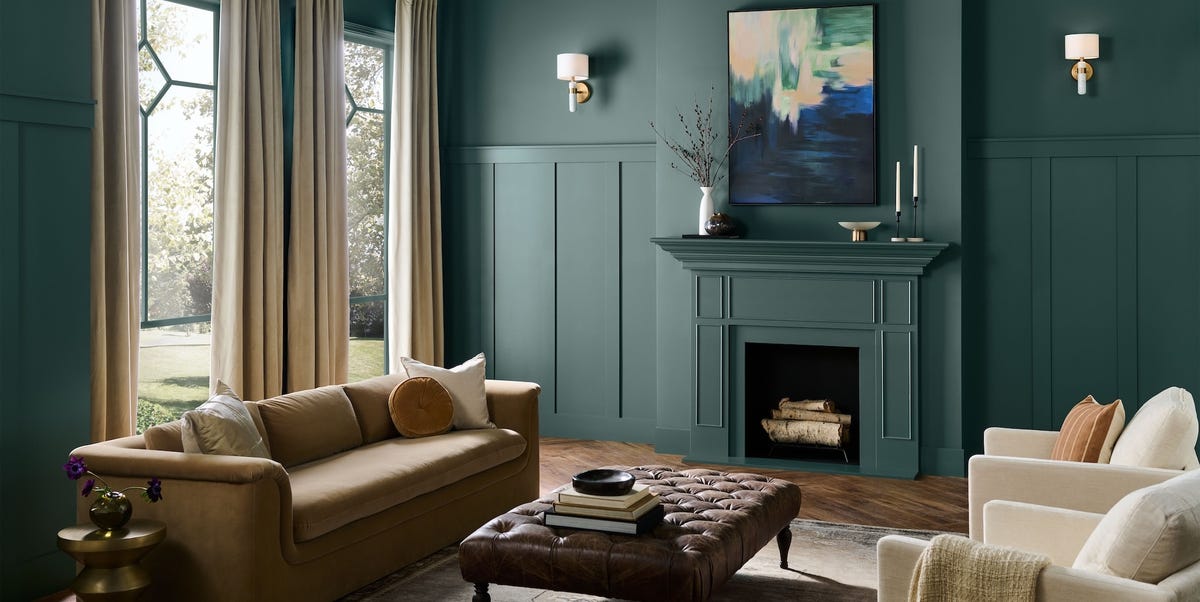
If your social feeds have suddenly started looking like someone spilled a very stylish can of paint across an entire room, no, you are not imagining things. Color drenching is everywhere. And honestly? It deserves the attention. In a design era that spent years whispering “beige” and nervously clutching white paint swatches, color drenching has entered the chat like a velvet blazer at a T-shirt party.
This trend is bold, immersive, and surprisingly versatile. It can make a tiny powder room feel jewel-box glamorous, a bedroom feel cocoon-like and restful, or a dining room feel dramatic enough that even takeout noodles start acting formal. But color drenching is not just about painting everything one color and hoping for the best. Done well, it is a smart decorating technique that uses tone, texture, finish, and light to make a room feel intentional from floor to ceiling.
Here is everything you need to know about the color drenching design trend, including what it is, why it works, where to use it, how to choose the right hue, and how to keep the whole thing from looking like your walls entered witness protection.
What Is Color Drenching?
Color drenching is an interior design technique in which one paint color is carried across multiple surfaces in a room. That usually means the walls, trim, molding, doors, and ceiling are all painted in the same shade. In some cases, built-ins, shelving, radiators, cabinetry, and even furniture are worked into the same color story too.
The goal is not randomness. The goal is immersion. Instead of creating contrast between architectural features, color drenching wraps the room in one hue so the eye moves smoothly across the space. The result can feel moody, soothing, sophisticated, playful, or deeply dramatic depending on the color you choose.
Think of it as the difference between wearing one great outfit head to toe versus tossing together five unrelated pieces and hoping confidence carries the day. Sometimes confidence does carry the day. Sometimes it absolutely does not. Color drenching removes that risk.
Why the Color Drenching Trend Took Off
There are a few reasons this look has become such a favorite with designers and homeowners. First, people are craving personality again. After years of safe, resale-minded interiors, many homeowners want rooms that feel expressive and personal rather than politely invisible.
Second, color drenching creates impact without needing a lot of extra visual clutter. You do not need ten accent colors, a gallery wall the size of a movie screen, or a coffee table that looks like it is performing. One strong color can do a lot of the heavy lifting.
Third, it works with both maximalist and minimalist spaces. In a maximalist room, color drenching creates a lush, layered backdrop for art, vintage furniture, and pattern. In a more minimal room, it creates a sculptural, clean-lined effect that still feels warm and intentional.
In other words, this trend is not just visually striking. It is emotionally effective. Rooms feel more complete, more atmospheric, and often more memorable.
Why Color Drenching Works So Well
It blurs hard edges
When trim, ceiling, walls, and doors are all painted the same color, the eye is not constantly interrupted by contrast lines. That visual softness can make a room feel calmer and more unified. Architectural details either melt into the background for a seamless look or become quietly elegant through shadow and sheen rather than color contrast.
It can make rooms feel larger or cozier
Yes, both. That is the magic trick. In smaller rooms, color drenching can make the boundaries feel less chopped up, which helps the space read as one continuous envelope. In larger rooms, deep saturated hues can create a cocoon effect that makes the room feel more intimate and luxurious.
It creates mood fast
Need a home office that feels focused? A navy or forest green drench can do that. Want a bedroom that feels soft and sleepy? Try a muted blue-gray or dusty mauve. Want a dining room that says, “I own actual cloth napkins”? A wine red, dark olive, or warm brown can get you there.
It makes ordinary architecture look more interesting
Not every home comes with charming millwork, soaring arches, or the kind of fireplace that deserves its own agent. Color drenching can help disguise awkward features, tone down visual noise, and make a builder-grade room feel more custom.
Best Rooms for Color Drenching
One of the best things about this trend is that it is flexible. Still, some rooms are especially well-suited to the look.
Powder rooms
If you have commitment issues, start here. Powder rooms are small enough to experiment in, and dramatic color tends to look especially chic in a compact space. A fully drenched plum, emerald, charcoal, or rust powder room can feel like a tiny design flex in the best possible way.
Bedrooms
Bedrooms benefit from a wrapped-in-color feeling. Soft greens, smoky blues, and warm taupes can make the space feel restful, grounded, and expensive. Not literally expensive, but emotionally expensive.
Dining rooms
Color drenching and dining rooms are natural best friends. Rich colors add intimacy, depth, and a little drama, which is exactly what a dining room wants. Meals feel more special when the room has presence.
Home offices and libraries
Deeper drenched shades like espresso, aubergine, navy, or dark green make offices feel focused and enveloping. They also photograph beautifully, which, fair or not, matters now.
Hallways and entryways
These transition zones often get ignored or painted a default neutral. A drenched hallway or foyer can make your home feel curated from the moment you walk in, not like the pretty rooms begin three doors later.
How to Choose the Right Color
Choosing a color for drenching is less about picking the “trendiest” shade and more about choosing a hue that supports how you want the room to feel.
Start with mood, not the color card
Ask yourself what emotional job the room needs to do. Calm and quiet? Look at muted blues, green-grays, or soft earthy tones. Cozy and moody? Consider olive, slate, cocoa, or oxblood. Bright and playful? Dusty coral, butter yellow, terracotta, or clay pink may be better choices.
Pay attention to undertones
This is where things get real. A gray with purple undertones can go broody and elegant, or it can go “mystery bruise” if the lighting is wrong. A green can read earthy in one room and minty-clean in another. Always test before painting every available surface like a person fueled by optimism and one iced coffee too many.
Study the light all day
Natural and artificial light can completely change how a paint color reads. Morning sun, cloudy afternoons, warm lamps, and overhead lighting all shift the mood. A color you love at 10 a.m. may feel wildly different at 8 p.m. Swatch it. Live with it. Stare at it while pretending to fold laundry.
Think about adjoining rooms
Even if the drenched room is meant to stand out, it should still relate to the rest of your home. It does not need to match everything, but it should feel like a confident chapter in the same book, not a surprise guest essay.
Should Everything Be the Exact Same Color?
Usually, yes. That is the classic approach. Walls, trim, ceiling, doors, and millwork all get the same paint color. But the finish does not have to be identical. In fact, using different sheens is one of the smartest ways to add dimension without breaking the monochromatic effect.
For example, you might use matte or eggshell on the walls and a satin or semi-gloss on trim and doors. The color remains consistent, but the way light hits each surface creates subtle variation. That means the room still feels layered rather than flat.
If you want a softer version of the trend, you can stay within the same color family and vary the saturation slightly between the ceiling and walls. That moves toward tonal decorating or color capping, but it still keeps the spirit of drenching alive.
The Best Paint Finishes for a Color-Drenched Room
Finish matters more than many people realize. When everything is one color, sheen becomes part of the design language.
Flat or matte
Best for walls when you want a velvety, cocooning look. These finishes absorb light beautifully and make colors feel rich and sophisticated. They are especially lovely in bedrooms, dining rooms, and adult spaces where the walls do not need to survive a constant collision with backpacks and sticky hands.
Eggshell or satin
Great all-purpose finishes for walls in busier spaces. They offer a little more durability and wipeability without becoming shiny.
Satin or semi-gloss
Smart for trim, doors, bathrooms, and kitchens where durability matters. Used carefully, these finishes also add contrast within the same color, which helps architectural details show up in a subtle way.
How to Keep Color Drenching From Looking Flat
This is the part people miss. A successful monochromatic room is not one-note. It is layered.
Bring in texture
Linen curtains, boucle upholstery, velvet pillows, wool rugs, wood furniture, woven shades, plaster finishes, and ceramic decor all help break up the visual field. When color is consistent, texture becomes the star.
Mix materials
Wood, metal, glass, leather, rattan, stone, and fabric all reflect light differently. That variation keeps a drenched room interesting even when the palette is tightly controlled.
Use pattern carefully
A tonal stripe, floral, plaid, or geometric print can work beautifully as long as it stays in the same general color family. Pattern adds energy without ruining the immersive effect.
Let lighting do some of the work
Sconces, table lamps, picture lights, and pendants all create pockets of brightness and shadow. In a color-drenched room, that lighting drama can feel almost cinematic.
Common Color Drenching Mistakes to Avoid
Skipping the ceiling
If you leave the ceiling bright white, you often lose the full impact. The room can feel abruptly cut off instead of enveloping. The ceiling is not an afterthought here. It is part of the point.
Choosing a color you only “sort of” like
This trend rewards commitment. If you are hesitant about the shade, do not drench with it. Pick a color that makes you feel something, even if that feeling is “I am suddenly more interesting.”
Ignoring prep work
Because the look is so immersive, sloppy edges, rough trim, and uneven patching become more noticeable. Prep, prime, and paint like you mean it.
Forgetting contrast somewhere else
Not every item in the room needs to disappear into the paint color. A wood chair, brass lamp, cream bedding, black-framed art, or stone tabletop can keep the space from feeling overprocessed.
Using harsh lighting with moody paint
Even the most gorgeous deep green can look sad under a cold overhead bulb. Warm, layered lighting is your friend.
Color Drenching Ideas by Style
For a classic look
Try deep blue, moss green, mushroom, or warm taupe. Pair with antique brass, dark wood, framed art, and tailored upholstery.
For a modern look
Use charcoal, greige, clay, or muted olive. Keep furniture streamlined and mix in stone, black accents, and sculptural lighting.
For a romantic look
Dusty rose, plum, soft cocoa, or muted terracotta can feel rich without becoming sugary. Add velvet, vintage silhouettes, and layered drapery.
For a playful look
Try saffron, peach, cobalt, leaf green, or even tomato red in a small space. Keep the shapes simple so the color can do the talking.
Is Color Drenching Worth Trying?
Absolutely, if you love rooms with mood and personality. This trend is one of the rare design ideas that feels both fashionable and grounded in timeless decorating principles. Monochromatic spaces have long been used to create atmosphere, and this version simply feels more current, more fearless, and more complete.
The trick is to approach it with intention. Choose a color you genuinely love. Test it in real lighting. Think beyond the walls. Use finish and texture to create depth. And remember that the goal is not to make the room louder just for the sake of it. The goal is to make the room feel whole.
When color drenching works, it does not just change the paint. It changes the mood of the room, the energy of the home, and occasionally your willingness to judge every bland white box you see afterward.
Real-Life Experience: What Living With a Color-Drenched Room Actually Feels Like
The funniest thing about color drenching is that people often expect it to feel overwhelming, when in real life it can feel oddly calming. The first time you walk into a fully drenched room, there is definitely a moment of “wow, this room has opinions.” But after that first impression, what tends to linger is not chaos. It is coherence.
One of the most common experiences people describe is that the room feels finished in a way that neutral spaces sometimes do not. You stop noticing where the trim ends and the wall begins. You stop thinking about whether the ceiling should have been painted. The room feels wrapped up, complete, and confident. Even modest furniture can suddenly look more intentional because the backdrop is so unified.
There is also a strong emotional side to the experience. A deep green office can make work feel more focused and less fluorescent. A soft blue bedroom can feel quiet before you have even climbed into bed. A terracotta dining room can make everyday dinners feel warmer and more grounded. The color becomes part of the daily rhythm of the space. It is not just decoration you look at; it is atmosphere you live inside.
Another interesting effect is that clutter often becomes more obvious, but in a useful way. In a drenched room, random items that do not belong can stand out faster. That rogue pile of mail, the charging cables, the lonely plastic bag from the pharmacy, all of it suddenly looks like it crashed a very chic party. Strangely, this can help people keep the room tidier because the design is doing such a good job that the mess feels extra rude.
At the same time, a drenched room can be more forgiving than you might expect. Because the surfaces relate so closely to each other, odd architectural quirks do not scream for attention. Low ceilings can feel intentional instead of unfortunate. Radiators, uneven trim, built-ins, and awkward corners often blend in more gracefully. People who thought their room was boring sometimes realize the room just needed a stronger point of view.
Perhaps the biggest real-life lesson is that texture matters even more once the paint is done. The rooms that feel best over time are rarely the ones that are only paint and nothing else. They are the ones with nubby throws, worn wood, paper shades, vintage brass, soft rugs, lined drapes, and art that adds contrast without breaking the spell. Living with color drenching teaches you quickly that monochromatic does not mean monotonous.
And then there is the reaction from other people. Guests usually notice immediately. Some love it on sight. Some stare at the ceiling like they have just discovered ceilings can, in fact, participate in design. Either way, the room becomes memorable. It has presence. In a world of safe interiors and copy-paste decorating, that alone can make color drenching feel worth it.
Conclusion
Color drenching is more than a paint trend. It is a design strategy that uses one hue to create immersion, mood, and cohesion across an entire room. Whether you go dark and dramatic or soft and serene, the effect can be transformative. The secret is not simply painting everything the same color. It is building a full sensory experience with light, finish, texture, and tone.
If you have been wanting your home to feel more personal, more polished, and a little less afraid of its own shadow, this might be the moment to stop flirting with an accent wall and commit to the whole room. Color drenching asks for confidence, but when it works, it pays you back in atmosphere.