

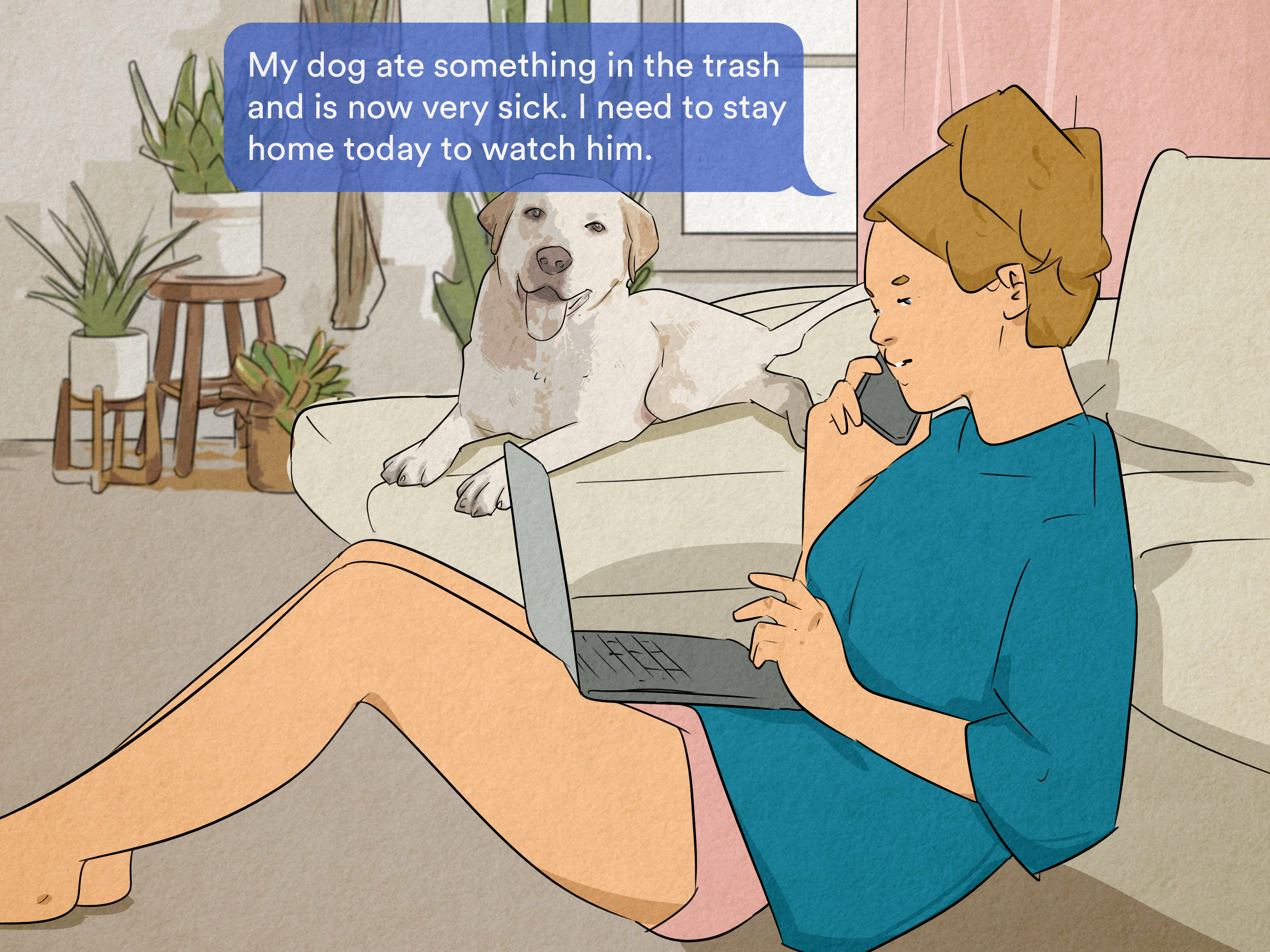
Everyone has been late at least once. Maybe traffic turned into a parking lot, your alarm clock betrayed you like a tiny plastic villain, or your dog decided the perfect time for an emotional crisis was exactly six minutes before you had to leave. Life happens. The tricky part is not only being lateit is explaining it without sounding like you wrote your apology in a panic while sprinting through a lobby.
That is where an excuse generator for being late can help. Not as a machine for inventing dramatic lies involving helicopters, escaped llamas, or “a very complicated situation with toast,” but as a practical tool for turning a messy delay into a clear, polite, and believable message. A good excuse generator helps you communicate quickly, take responsibility, give the right amount of detail, and protect your reputation.
In this guide, we will explore how to make excuses for being late the smart way, when to apologize, what to say at work, school, appointments, meetings, dates, and social events, and how to avoid becoming known as “the person we tell to arrive at 6:00 when dinner is actually at 7:30.”
What Is an Excuse Generator for Being Late?
An excuse generator is a tool, prompt, or writing framework that helps you create a short explanation for why you are late. It can be used for work emails, text messages, meeting chats, school notes, customer appointments, or casual conversations with friends and family.
The best excuse generator does three things:
- It explains the delay clearly.
- It keeps the tone appropriate for the situation.
- It helps you sound responsible instead of chaotic.
For example, compare these two messages:
Weak excuse: “Running late. Stuff happened.”
Better excuse: “I’m sorry, I’m running about 15 minutes late because traffic is heavier than expected. I’m on my way now and will join as soon as I arrive.”
The second one is not a novel. It does not ask for sympathy. It simply gives people what they need: an apology, a reason, a time estimate, and reassurance that you are still coming.
Why Being Late Feels Like a Big Deal
Being late is rarely just about the clock. Time carries meaning. When you arrive late to a meeting, appointment, or dinner, the other person may wonder whether you respect their schedule. Even when the delay is completely understandable, poor communication can make it seem worse.
In workplaces, repeated tardiness can affect productivity, team trust, and attendance expectations. In social situations, it can make friends feel ignored. In professional settings, a late arrival can quietly damage credibility before you even say hello. Nobody wants to be judged by one unlucky morning, but people remember patterns.
That is why the goal is not to create the most dramatic excuse. The goal is to communicate in a way that says, “I respect your time, I know this is inconvenient, and I am handling it.”
The Golden Rule: Be Honest, Brief, and Useful
If your excuse generator has one commandment, let it be this: do not invent a fake emergency. A small delay does not need a soap opera. The more complicated the story, the more suspicious it sounds. Also, fake excuses have a way of coming back wearing tap shoes.
A strong late excuse should be:
1. Honest
Say what actually happened, but keep private details private. You do not need to share every personal issue, medical detail, or family complication. “A personal matter delayed me this morning” is often enough.
2. Brief
Long explanations can sound defensive. If you are late, people usually care more about when you will arrive than a five-act documentary about your morning.
3. Useful
Include an estimated arrival time, your next step, or a solution. For example, “I’ll join by phone until I get there” is more helpful than “Sorry, traffic is wild.”
How to Use an Excuse Generator the Right Way
To generate a good excuse for being late, start with four simple inputs:
- Reason: What caused the delay?
- Context: Work, school, appointment, meeting, date, or social event?
- Timing: How late are you?
- Tone: Formal, professional, casual, warm, or apologetic?
Then use this basic formula:
Apology + reason + estimated arrival time + next action
Example:
“I’m sorry for the delay. My previous appointment ran longer than expected, and I’m on my way now. I expect to arrive around 2:20. Thank you for your patience.”
This formula works because it does not over-explain. It respects the other person and gives them useful information.
Best Excuses for Being Late to Work
Workplace excuses should be professional, specific enough to sound real, and responsible enough to show accountability. Avoid blaming everyone and everything. Your boss may believe there was traffic. Your boss may not appreciate hearing that traffic “personally attacked your destiny.”
Professional Work Excuse Examples
Traffic delay: “Good morning, I’m sorry, but I’m running about 20 minutes late because of heavier-than-usual traffic. I’m on my way and will get started as soon as I arrive.”
Public transportation issue: “I apologize for the delay. My train/bus was delayed this morning, and I expect to be in by 9:30. I’ll keep you updated if anything changes.”
Family situation: “I’m sorry for the late start. A family matter delayed me this morning, but it has been handled. I expect to arrive shortly and will prioritize my urgent tasks first.”
Car trouble: “I apologize, I had unexpected car trouble this morning. I’m arranging transportation now and expect to arrive around 10:15.”
What to Avoid at Work
Do not say, “I overslept again,” unless you are ready for a serious attendance conversation. If it happens once, be honest and brief. If it happens often, the issue is no longer the excuseit is the pattern. At that point, you need a better morning system, not better creative writing.
Best Excuses for Being Late to a Meeting
Meetings are delicate because one late person can slow down a group. If you are running late, send a message before the meeting starts if possible. The earlier you communicate, the more considerate you appear.
Meeting Excuse Examples
Previous meeting ran over: “Apologies, my previous meeting is running a few minutes over. Please start without me, and I’ll join as soon as I can.”
Technical issue: “Sorry for the delay. I’m having trouble connecting, but I’m troubleshooting now and should join in a few minutes.”
Travel between locations: “I’m sorry, I’m moving between appointments and running about 10 minutes behind. I’ll join as soon as I arrive.”
If your meeting has already started, do not enter with a long speech unless asked. A simple “Sorry I’m late” is enough. Then get quiet and catch up. The meeting does not need a weather report from your commute.
Best Excuses for Being Late to School or Class
For students, the best excuse is respectful and direct. Teachers and professors have heard every excuse in the universe, including several that probably involved printers achieving consciousness. Keep it simple.
School Excuse Examples
Transportation delay: “I apologize for being late. My transportation was delayed this morning, but I came directly here as soon as I could.”
Family responsibility: “I’m sorry I’m late. I had a family responsibility this morning that took longer than expected.”
Medical or personal matter: “I apologize for arriving late. I had a personal matter to handle before class.”
If lateness affects participation, attendance, or assignments, ask how to make up what you missed. That shows maturity and responsibility.
Best Excuses for Being Late to an Appointment
Appointments often run on tight schedules, especially medical, legal, salon, repair, and business appointments. A late arrival can affect other clients, customers, or patients. Call or message as soon as you know you are behind.
Appointment Excuse Examples
Short delay: “I’m sorry, I’m running about 10 minutes late. Is it still okay for me to come in, or would you prefer that I reschedule?”
Unexpected traffic: “I apologize for the delay. Traffic is heavier than expected, and my estimated arrival time is 3:15.”
Schedule conflict: “I’m sorry, my earlier appointment ran longer than planned. I’m on my way now, but I understand if we need to adjust the appointment time.”
The key phrase here is “I understand.” It shows that you recognize your lateness may create inconvenience for someone else.
Best Excuses for Being Late to a Date
Being late to a date is risky because the other person may wonder whether you are careless, uninterested, or already emotionally married to your phone. The excuse should be warm, sincere, and slightly personal without being dramatic.
Date Excuse Examples
Casual and sincere: “I’m so sorry, I’m running about 10 minutes late. I underestimated traffic, which was not my finest moment. I’m on my way and excited to see you.”
Light humor: “I’m sorry, I’m about 15 minutes behind. My timing skills are currently in witness protection, but I’m on my way.”
Respectful: “I apologize for keeping you waiting. I’ll be there around 7:20. Thank you for being patient.”
A tiny bit of humor can help, but do not joke so much that it sounds like you are not sorry. The apology should still be the star of the message.
Best Excuses for Being Late to a Party or Social Event
Social events are usually more flexible, but lateness can still matter, especially for dinner reservations, group activities, weddings, birthdays, and hosted meals. Your host may be juggling food, seating, timing, and relatives with strong opinions about potato salad.
Social Excuse Examples
General delay: “So sorry, we’re running about 20 minutes behind. Please don’t wait on uswe’ll see you soon!”
Child or family delay: “Sorry we’re late. Getting everyone out the door took longer than expected. We’re on our way now.”
Traffic or parking: “We’re nearby but stuck finding parking. Please start without us if needed!”
For formal dinners, weddings, or events with a schedule, give an exact update and avoid asking the host to rearrange everything around you. The lasagna has suffered enough.
Funny Excuses for Being Late
Funny late excuses can work with close friends, relaxed coworkers, or family members who know your sense of humor. They are not ideal for serious workplace issues, medical appointments, court dates, or your boss who has not smiled since 2018.
Funny but Safe Excuse Examples
- “I left on time emotionally, just not physically.”
- “My alarm and I are currently in a difficult relationship.”
- “Traffic was moving like it had nowhere to be and a podcast to finish.”
- “I underestimated the time-space continuum again.”
- “I am late, apologetic, and bringing coffee as a peace offering.”
Humor should soften the apology, not replace it. A good funny excuse still includes a real update. Otherwise, it may sound like you care more about being clever than being considerate.
Excuses You Should Not Use
Some excuses are so overused that they practically arrive wearing a fake mustache. Others are too serious to use casually. Avoid excuses that are fake, unverifiable, or emotionally manipulative.
Avoid These Late Excuses
- Fake medical emergencies
- Made-up car accidents
- Blaming someone else every time
- Extremely detailed stories that sound rehearsed
- “I forgot” without any apology or solution
- “I’m always late, that’s just me”
The phrase “that’s just me” is not charming when other people are waiting. It is basically a decorative way of saying, “Please lower your expectations forever.”
How to Apologize When You Are Already Late
If you are already late, your apology should be immediate and calm. Do not wait until you arrive if you can message sooner. People appreciate knowing what is happening, even when the news is not ideal.
Use This Simple Apology Template
“I’m sorry I’m late. [Short reason]. I expect to arrive at [time]. [Optional solution]. Thank you for your patience.”
Example:
“I’m sorry I’m late. My earlier appointment ran over, and I expect to arrive at 11:20. Please begin without me, and I’ll catch up when I join.”
This works because it is respectful, practical, and not overloaded with unnecessary detail.
How to Build Your Own Excuse Generator
You do not need fancy software to create your own excuse generator. You can use a simple set of templates for different situations. Save them in your phone notes, email drafts, or messaging app. Then customize them when needed.
Late Excuse Generator Template
Step 1: Choose your situation: work, meeting, class, appointment, date, or social event.
Step 2: Choose your reason: traffic, transportation, family matter, technical issue, previous appointment, personal matter, weather, parking, or scheduling conflict.
Step 3: Choose your tone: formal, professional, casual, apologetic, or humorous.
Step 4: Add your estimated arrival time.
Step 5: Add a helpful next action.
Here is a fill-in-the-blank version:
“I’m sorry for the delay. I’m running about [number] minutes late because [brief reason]. I expect to arrive at [time]. [Helpful next action]. Thank you for understanding.”
Ready-to-Copy Excuse Generator Examples
Formal
“I apologize for the delay. An unexpected issue came up this morning, and I am running approximately 15 minutes behind schedule. I will arrive as soon as possible and appreciate your patience.”
Professional
“Good morning, I’m sorry, but I’m running a little late due to transportation delays. I expect to arrive by 9:25 and will begin with my priority tasks immediately.”
Casual
“Sorry, I’m running about 10 minutes late. Traffic is moving slowly, but I’m on my way!”
Friendly
“I’m so sorry to keep you waiting. I’m about 15 minutes behind, but I’m close and looking forward to seeing you.”
Funny
“I’m sorry, I’m running late. My schedule and reality had a disagreement, and reality won. I’ll be there in about 10 minutes.”
How to Stop Needing Excuses So Often
An excuse generator is useful, but the best long-term strategy is needing it less. Chronic lateness often comes from underestimating how long tasks take, ignoring transition time, overpacking the schedule, or assuming every green light will personally support your dreams.
Add a Time Buffer
If you think it takes 20 minutes to get somewhere, give yourself 30. If parking is involved, give yourself 40. If children, pets, weather, elevators, or coffee are involved, consider making peace with the universe and leaving even earlier.
Use Reverse Planning
Start with the arrival time and work backward. If the meeting starts at 10:00, decide when you need to park, when you need to leave, when you need to be dressed, and when you need to stop scrolling through your phone like it owes you money.
Prepare the Night Before
Lay out clothes, pack your bag, charge devices, check directions, and place keys where you can actually find them. “I know I put them somewhere logical” is not a morning strategy. It is a suspense film.
Set Two Alarms
Use one alarm for waking up and another for leaving. Many people are not late because they wake up late; they are late because they lose track of time between “I have plenty of time” and “How is it already 8:47?”
Be Realistic About Yourself
If you are always five minutes late, do not plan to arrive exactly on time. Plan to arrive early. Your future self may resist this idea, but your reputation will send a thank-you card.
of Real-Life Experience: What Being Late Teaches You
There is a special kind of panic that happens when you realize you are going to be late. It usually begins with denial. You look at the clock and think, “I can still make it.” Then you look again three minutes later and realize three minutes have somehow aged into twelve. Suddenly, you are moving through your home like a contestant on a game show called Find Your Shoes or Lose Your Dignity.
One of the biggest lessons about being late is that most people are more forgiving when you communicate early. A simple message sent before the appointment time can save a lot of frustration. People do not enjoy waiting, but they dislike uncertainty even more. When someone knows you are ten minutes away, they can adjust. When they hear nothing, they start creating their own story, and that story usually does not make you look like a hero.
Another lesson is that the best excuse is not always the most detailed one. In fact, too much detail can make an explanation sound suspicious. If your message includes three street names, a cousin, a gas station, a receipt, and a dramatic weather event, the other person may begin wondering whether you are late or auditioning for a crime podcast. A short, honest explanation usually works better: “I’m sorry, traffic delayed me, and I’ll be there in 15 minutes.” That is enough.
Experience also teaches that lateness has categories. Being five minutes late to a backyard barbecue is not the same as being twenty minutes late to a job interview. A flexible social event allows for a relaxed tone. A professional commitment requires a more direct apology and a clear recovery plan. The same excuse can feel appropriate in one setting and careless in another. “My bad, parking was wild” may work with friends. It is less impressive when said to a hiring manager who has already read your resume twice and judged your handshake in advance.
The most useful habit is building a personal “late prevention system.” That may mean preparing your bag the night before, checking traffic before leaving, setting a leave-now alarm, or adding a 15-minute buffer to every trip. It may also mean admitting that you are not as fast as you think. Many people schedule their mornings based on their fantasy selfthe one who wakes up instantly, never spills coffee, and can find matching socks under pressure. Real life needs more room.
Finally, being late teaches humility. Everyone gets delayed sometimes. The goal is not to be perfect; the goal is to be considerate. A sincere apology, a realistic arrival time, and a pattern of improvement can protect trust. And if all else fails, remember this: a good excuse can help you recover from being late, but good planning helps you avoid needing the excuse in the first place.
Conclusion
An excuse generator for being late is most useful when it helps you communicate honestly, quickly, and respectfully. Whether you are late to work, school, a meeting, an appointment, a date, or dinner with friends, the winning formula is simple: apologize, explain briefly, give an estimated arrival time, and offer a helpful next step.
The best excuses are not elaborate stories. They are clear messages that show you understand your delay affects someone else. Use humor carefully, stay away from fake emergencies, and focus on building better habits so you are not constantly apologizing with your keys in one hand and your dignity in the other.
Note: Use the examples in this article responsibly. A late excuse should help you communicate the truth more clearly, not create fake stories or avoid accountability.