

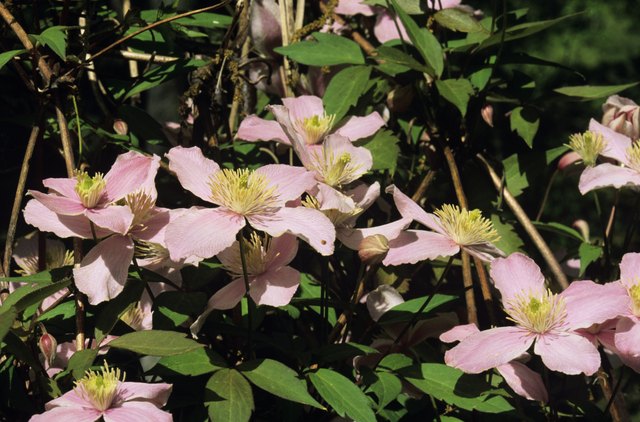
Clematis has a reputation for being the “queen of vines,” which sounds fancy until you meet one sulking in the corner of your garden like royalty denied room service. The truth is simple: clematis is not impossibly difficult, but it does care deeply about soil, moisture, timing, and food. Give it the right fertilizer at the right moment, and it can reward you with lush green growth, elegant climbing stems, and flowers that look as if someone painted them with a tiny brush and a dramatic personality.
Choosing the best fertilizer for clematis is not about grabbing the strongest plant food on the shelf and declaring victory. Clematis needs steady nutrition, not a buffet served by a fertilizer cannon. Too much nitrogen can produce leafy vines with fewer flowers, while poor soil can leave the plant weak, pale, and underwhelming. The goal is balance: healthy roots, strong stems, rich foliage, and enough bloom power to make the trellis look like it has finally found its purpose in life.
Understanding What Clematis Really Needs
Clematis grows best in fertile, well-drained soil that stays evenly moist without becoming soggy. Many varieties enjoy full sun on their leaves and flowers, while their roots prefer to remain cool. Gardeners often summarize this as “head in the sun, feet in the shade.” It is catchy, accurate, and slightly rude if you think about it too long.
Fertilizer supports clematis by supplying nutrients the soil may not provide in sufficient amounts. The three major nutrients listed on fertilizer labels are nitrogen, phosphorus, and potassium, usually shown as N-P-K numbers such as 10-10-10 or 5-10-5. Nitrogen supports leafy growth, phosphorus helps root development and flowering, and potassium contributes to overall plant vigor and stress resistance.
For clematis, balance matters. A general-purpose balanced fertilizer works well for many plants, especially when the soil is already decent. In soils that are rich in nitrogen or where the vine grows lots of leaves but few flowers, a lower-nitrogen flowering plant fertilizer may be a smarter choice. Think of nitrogen as the gym membership for leaves. Useful, yes. But if your clematis is all biceps and no blossoms, it may be time to adjust the menu.
Best Fertilizer for Clematis
Balanced Granular Fertilizer
A balanced granular fertilizer, such as 10-10-10 or a similar all-purpose formula, is one of the most common choices for feeding clematis. It gives the plant a broad supply of nutrients and is easy to apply around established vines. This is especially useful in early spring when new growth begins and the plant is waking up hungry after winter.
Apply granular fertilizer according to the product label, keeping it away from direct contact with the crown and stems. Lightly scratch it into the soil around the root zone, then water well. Do not pile fertilizer against the base of the plant. Clematis crowns are not fond of chemical hugs.
Organic Fertilizer
Organic fertilizers are excellent for gardeners who want to build long-term soil health while feeding the plant gently. Compost, well-rotted manure, worm castings, and slow-release organic blends can improve soil structure, moisture retention, and microbial activity. Clematis appreciates organically rich soil, so adding compost in spring is often one of the best things you can do.
A balanced organic fertilizer made for flowering perennials, roses, or vines can also work well. These products usually release nutrients gradually, which reduces the risk of overfeeding. Organic feeding is less like shouting “GROW!” at your plant and more like preparing a calm, nutritious breakfast.
Rose or Tomato Fertilizer
Many gardeners use rose or tomato fertilizer for clematis because these formulas often support flowering rather than just foliage. They may contain slightly lower nitrogen and higher phosphorus or potassium, depending on the brand. This can be helpful for clematis vines that are established but not blooming as heavily as expected.
However, do not assume every “bloom booster” is automatically better. Extremely high phosphorus is not always necessary, especially if your soil already contains enough. A soil test is the most reliable way to know whether your garden actually needs more phosphorus or if the plant is struggling for another reason, such as poor pruning, drought stress, too much shade, or soggy roots.
Liquid Fertilizer for Containers
Container-grown clematis usually needs more frequent feeding than clematis planted in the ground. Nutrients wash out of pots faster, especially with regular watering. A diluted liquid fertilizer for flowering plants can be used during active growth, usually in spring and early summer.
The key word is diluted. Potted plants can suffer fertilizer burn if fed too aggressively. Use a light hand and follow the label. A container clematis should be treated like a guest in a small apartment: helpful service is welcome, but crowding the space with too much of anything gets uncomfortable fast.
When to Fertilize Clematis
Early Spring Feeding
The most important time to fertilize clematis is early spring, just as new growth begins. This gives the plant the nutrients it needs to produce strong stems, leaves, and buds. Before feeding, make sure the soil is moist. Fertilizing dry soil can stress roots and increase the risk of burn.
For established plants in healthy soil, one spring feeding may be enough. For young plants, heavy bloomers, or clematis growing in poorer soil, a second light feeding may help. Always match the feeding schedule to how the plant is growing rather than following an aggressive routine just because the fertilizer bag looks enthusiastic.
After the First Flush of Flowers
Many clematis varieties benefit from a light feeding after their first bloom cycle. This can help encourage continued growth and sometimes a second round of flowers, depending on the variety. For early and repeat-blooming types, feeding after the first flush can be especially useful.
Do not fertilize heavily while the plant is in full bloom. Heavy feeding during flowering can push soft leafy growth at the wrong time. A modest application after blooms fade is usually more practical.
Stop Feeding in Late Summer
In many climates, it is best to stop fertilizing clematis by late summer. Late feeding can encourage tender new growth that may not harden before cold weather arrives. That soft growth can be damaged by frost, leaving the plant with unnecessary stress going into winter.
If your garden is in a warm region with a long growing season, timing may vary, but the principle stays the same: do not push fresh growth when the plant should be preparing for rest.
How to Fertilize Clematis Step by Step
Step 1: Check the Soil First
Before adding fertilizer, look at the growing conditions. Is the soil well-drained? Is the plant getting enough sun? Is the root zone mulched? Is the vine watered during dry spells? Fertilizer cannot fix every problem. If the soil is waterlogged, compacted, bone-dry, or too shady, plant food alone will not turn the vine into a floral masterpiece.
A soil test is especially helpful before making major changes. Soil testing can show pH, organic matter, phosphorus, potassium, and other useful information. Clematis generally prefers neutral to slightly alkaline soil, although many varieties are adaptable. If nutrients are already high, adding more fertilizer may create problems instead of solving them.
Step 2: Water Before Feeding
Always water clematis before applying fertilizer if the soil is dry. Moist soil helps protect roots and allows nutrients to move into the root zone more safely. This is particularly important for liquid fertilizers and fast-release granular products.
Step 3: Apply Fertilizer Around the Root Zone
Spread fertilizer around the plant’s root zone rather than directly against the crown. For an established clematis, this usually means applying it in a ring several inches away from the stems and extending outward toward the drip line. Lightly work granular fertilizer into the top layer of soil, being careful not to damage the roots.
Step 4: Water Again
After applying fertilizer, water thoroughly. This helps move nutrients into the soil and reduces the chance of fertilizer sitting on the surface where it can burn roots or wash away during the next heavy rain.
How Much Fertilizer Does Clematis Need?
The right amount depends on the fertilizer type, plant size, soil fertility, and whether the clematis is planted in the ground or in a container. Always use the product label as your main guide. More is not better. With clematis, overfeeding can lead to excessive foliage, weak growth, fewer flowers, or root damage.
For garden-grown clematis, a light spring application of balanced fertilizer is often enough. If the plant is a vigorous bloomer or the soil is sandy and low in nutrients, a second light feeding after the first bloom may be useful. For container clematis, smaller but more frequent feedings during active growth often work better than one large dose.
When in doubt, feed lightly. Clematis can recover from being a little underfed more easily than from having its roots scorched by an overexcited gardener with a scoop.
Signs Your Clematis May Need Fertilizer
A clematis that needs nutrients may show slow growth, pale leaves, weak stems, or reduced flowering. Yellowing leaves can sometimes point to nutrient problems, especially if the pattern appears between leaf veins. However, yellow leaves can also result from drought, overwatering, root stress, high soil pH, poor drainage, or natural aging.
Before feeding a struggling clematis, inspect the whole situation. If the soil is dry, water first. If the soil is soggy, improve drainage. If the vine is newly planted, give it time to establish. Fertilizer should support a healthy plant, not act as a rescue helicopter for every garden mystery.
Common Fertilizer Mistakes with Clematis
Using Too Much Nitrogen
Too much nitrogen can encourage lush leaves at the expense of flowers. If your clematis looks green and vigorous but refuses to bloom, fertilizer may be part of the issue. Other possible causes include incorrect pruning, too much shade, immature plants, or winter damage to flower buds.
Fertilizing a Stressed Plant
A clematis suffering from drought, heat stress, transplant shock, or disease should not be heavily fertilized. Feeding a stressed plant can make things worse because fertilizer salts may further stress the roots. First correct the growing conditions, then resume gentle feeding when the plant is stable.
Ignoring Mulch and Water
Fertilizer works best when the plant has consistent moisture. Clematis roots prefer cool, moist soil, and mulch helps maintain that environment. Apply a 2- to 4-inch layer of organic mulch around the base, keeping it several inches away from the stems. Compost, shredded bark, leaf mold, or pine fines can all help conserve moisture and moderate soil temperature.
Feeding Without Knowing the Pruning Group
Clematis pruning groups affect bloom timing, and bloom timing affects feeding strategy. Group 1 blooms on old wood in spring, Group 2 often blooms on old and new wood, and Group 3 blooms on new growth later in the season. Feeding after pruning works well for many Group 3 types, while early bloomers may be fed after their first flowering. Knowing your pruning group keeps you from blaming fertilizer for a pruning mistake.
Fertilizer for Newly Planted Clematis
Newly planted clematis benefits more from good soil preparation than from heavy fertilizer. Before planting, loosen the soil deeply and mix in compost or well-rotted organic matter. The planting site should drain well but hold enough moisture to keep roots from drying out quickly.
A small amount of balanced slow-release fertilizer may be used at planting if the product label allows it, but avoid strong fertilizers directly in the planting hole. Tender young roots can be sensitive. It is better to create a rich, welcoming root zone than to toss in fertilizer and hope the plant reads the instructions.
After planting, water deeply and mulch the root area. Young clematis may spend its first year building roots rather than producing a dramatic flower show. That is normal. The first season is often about establishment. The big performance usually comes later, once the vine has settled in and stopped wondering why it was moved.
Fertilizer for Clematis in Pots
Clematis can grow beautifully in containers, but potted vines depend on the gardener for nearly everything: water, nutrients, drainage, and emotional support. Choose a large container with drainage holes and use a high-quality potting mix. Garden soil in pots often becomes compacted and drains poorly.
Because container nutrients leach out with watering, feed potted clematis lightly during active growth. A diluted liquid fertilizer every few weeks in spring and early summer can work well, or you can use a controlled-release fertilizer according to label directions. Stop or reduce feeding later in the season so the plant can slow down naturally.
Container clematis also dries out faster than in-ground plants. Never fertilize a dry pot. Water first, fertilize lightly, and water again if needed. This simple habit can prevent many problems.
Organic Soil Care: The Secret Behind Better Blooms
The best fertilizer plan for clematis usually begins with soil improvement. Compost is not glamorous, but it is dependable. It improves soil texture, supports beneficial microorganisms, and slowly releases nutrients. In clay soil, compost can improve structure and drainage. In sandy soil, it helps retain moisture and nutrients.
Top-dressing with compost in spring is one of the easiest ways to support clematis. Spread a thin layer around the root zone, keep it away from the crown, and let rainfall and soil organisms do the rest. This approach feeds the soil as much as the plant, which is exactly what long-lived flowering vines prefer.
Well-rotted manure can also be useful, but it must be aged. Fresh manure can be too strong and may burn roots. If it smells like a barn with a grudge, it is probably not ready for your clematis.
Specific Example: A Simple Clematis Feeding Schedule
For an established clematis planted in average garden soil, a practical schedule may look like this:
- Early spring: Add compost around the base and apply a balanced slow-release fertilizer as new growth begins.
- After first bloom: Apply a light feeding with a flowering plant fertilizer if the plant is vigorous and still actively growing.
- Mid to late summer: Stop fertilizing in colder regions to avoid tender late growth.
- Fall: Refresh mulch if needed, but do not push new growth with fertilizer.
This schedule is not a law carved into a trellis. It is a starting point. Adjust based on your climate, soil test, clematis variety, and how the plant behaves.
Experience-Based Tips for Fertilizing Clematis
After working with clematis in different garden situations, one lesson becomes obvious: the plant responds better to consistency than intensity. Gardeners often want one magic product that turns a sleepy vine into a flower-covered tower by next Thursday. Clematis prefers a slower relationship. It wants decent soil, steady moisture, cool roots, correct pruning, and moderate feeding. Basically, it wants a stable life, which is relatable.
One of the most common experiences is the “all leaves, no flowers” clematis. The vine climbs beautifully, covers the trellis, and then produces three blooms as if it is being paid by the petal. In many cases, the problem is not a lack of fertilizer. It may be too much nitrogen, too little sun, or pruning at the wrong time. Before adding more plant food, check whether the vine receives at least several hours of sun and whether its pruning group matches your pruning habit.
Another useful experience is with newly planted clematis. Many gardeners panic when the plant does not explode with blooms in the first year. But young clematis often focuses on roots first. A light feeding and compost are helpful, but patience is the real fertilizer here. In the second or third season, the plant often becomes noticeably stronger. The gardener then takes full credit, which is one of the traditional privileges of gardening.
For container clematis, the biggest challenge is balance. Pots dry quickly, but they can also become waterlogged if drainage is poor. Fertilizer only works well when watering is managed correctly. A potted clematis that receives diluted liquid fertilizer during active growth may bloom beautifully, but if the pot dries out repeatedly, the plant will struggle no matter how expensive the fertilizer is. In containers, moisture management and feeding are a team sport.
Mulch also makes a visible difference. A clematis planted with bare soil around its base often struggles more in hot weather. Adding compost and mulch helps keep the root zone cooler and more evenly moist. Low-growing companion plants can also shade the base, but avoid planting aggressive neighbors too close. Clematis likes company, not competition.
One practical trick is to treat fertilizing as part of a seasonal checkup. In spring, look for new shoots, inspect the mulch, check the trellis, prune according to group, and feed lightly. After the first bloom, look at the plant again. Is it strong and green? Is it still pushing new growth? Then a small second feeding may help. Is it stressed, wilted, or sitting in dry soil? Skip the fertilizer and fix the stress first.
The best results usually come from moderation. Compost every spring, balanced fertilizer when growth begins, light feeding after bloom if needed, and no late-season pushing in cold climates. That simple rhythm keeps clematis healthy without turning the garden into a chemistry experiment with butterflies.
Conclusion
The best fertilizer for clematis is not one single miracle product. It is a thoughtful feeding plan built around soil health, bloom timing, and plant behavior. A balanced fertilizer, organic compost, well-rotted manure, rose fertilizer, tomato fertilizer, or diluted liquid feed can all be useful when applied correctly. The secret is timing and restraint.
Feed clematis in early spring as new growth begins, consider a light second feeding after the first flush of flowers, and avoid heavy late-season fertilizing. Keep the soil moist but well-drained, mulch the root zone, and remember that fertilizer works best when the plant is already growing in the right conditions. Do that, and your clematis has a much better chance of climbing, blooming, and looking like the garden royalty it was always pretending to be.
Note: This article is written for general home gardening education and is based on established horticultural practices. Always follow fertilizer label instructions and consider a local soil test for the most accurate recommendations.