

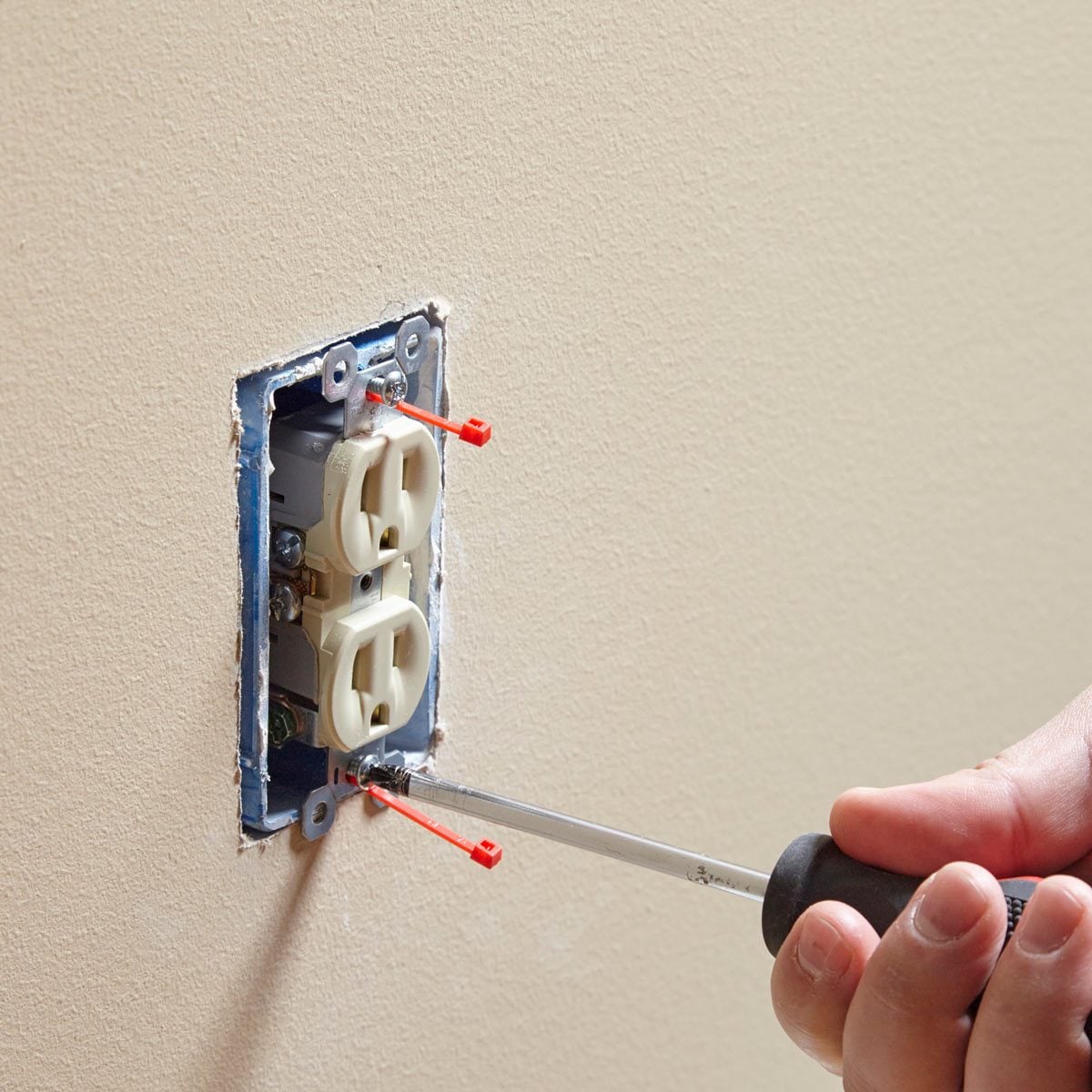
Note: This guide is for general homeowner education and light repair awareness. Do not work on live electrical parts. Turn off power at the breaker, verify with a tester, follow local code, and call a licensed electrician whenever wiring, heat, arcing, damaged conductors, aluminum wiring, or uncertainty is involved.
Why a “Screwy” Electrical Box Is More Than a Tiny Annoyance
A loose outlet or switch has a talent for looking harmless. It wiggles a little. The cover plate tilts. The plug pulls out with the elegance of a stubborn pickle jar. Then one day the whole receptacle shifts forward, and suddenly your wall has more drama than a home renovation show finale.
Fixing a screwy electrical box usually means solving one of three problems: the device screws will not hold, the electrical box is recessed too far behind the wall surface, or the box itself is loose inside the wall. Each issue has a different fix, and choosing the wrong one can turn a small repair into a bigger safety concern.
The key is to treat the box as part of the electrical safety system, not just a plastic or metal cup hiding in drywall. The box protects wire connections, supports the outlet or switch, helps contain sparks or heat if something fails, and keeps the device aligned with the wall. When it is loose, cracked, stripped, or buried too deep, it deserves attention.
First: Know What Is Actually Loose
Before grabbing a screwdriver like a weekend warrior with a caffeine sponsor, pause and identify the problem. A loose cover plate is cosmetic. A loose receptacle is functional. A loose electrical box is structural. A damaged wire connection is a job for a professional.
1. The cover plate is loose
This is the easiest situation. If only the wall plate moves, the small center screw may be loose, the plate may be cracked, or the receptacle may sit unevenly. Replace the wall plate if it is broken, but do not overtighten it. Plastic cover plates can crack faster than a phone screen meeting a driveway.
2. The outlet or switch moves, but the box stays still
This often happens when the mounting screws are stripped, missing, too short, or not biting into the box properly. It can also happen when the box is set too far back, leaving the device unsupported. In many homes, the outlet looks like it is “floating” because the wall material was changed, tile was added, or drywall was patched around the box.
3. The entire electrical box moves
If the box shifts when you insert or pull a plug, the box may have broken tabs, failed old-work wings, cracked plastic, loose nails, or damaged drywall around it. This is the point where the fix may require replacing the box or securing it properly to framing. When the box itself is unstable, simply tightening the device screws is like putting a belt on a suitcase with no handle.
Safety Comes Before the Screwdriver
Any article about electrical box repair should start with the same boring but beautiful sentence: turn off the power. Go to the electrical panel, switch off the breaker controlling the outlet or switch, then verify that the power is off with a voltage tester. Do not rely only on a wall switch. Do not rely on the fact that the lamp stopped glowing. Electricity loves assumptions, mostly because assumptions keep it employed.
After the power is off, remove the cover plate carefully and inspect what you can see without tugging aggressively on wires. Look for scorch marks, melted plastic, cracked receptacles, buzzing, heat, brittle wiring insulation, loose wire connections, or a burning smell. If any of those are present, stop and call a licensed electrician. A wobbly outlet is one thing; evidence of overheating is not a “DIY character-building moment.”
Also be cautious in older homes. Old cloth-insulated wire, ungrounded circuits, aluminum branch wiring, overcrowded boxes, and mystery splices can turn a small repair into a code and safety issue. When in doubt, the best tool is not a bigger screwdriver. It is a qualified electrician.
Common Fixes for a Screwy Electrical Box
Fix 1: Replace missing or incorrect device screws
Many receptacles and switches are mounted with standard machine screws, commonly 6-32 for device mounting. If someone used a random drywall screw, wood screw, or whatever was found in the junk drawer next to a 2009 movie ticket, the threads in the box may be damaged. The correct screw matters because it is designed to fit the box threads without chewing them up.
If the screw is simply missing or too short, replacing it with the correct type may solve the wobble. If the screw turns forever and never tightens, the hole may be stripped. That calls for a more careful repair.
Fix 2: Repair stripped screw holes in a metal box
For a metal electrical box with a stripped mounting hole, a professional may re-tap the hole with the correct size tap or use an approved repair method. The goal is to restore a secure threaded connection so the receptacle or switch stays firmly mounted. A loose device can stress wires every time a plug is pulled, and that repeated movement is bad news for long-term reliability.
Avoid makeshift fixes that are not designed for electrical boxes. Toothpicks, glue, oversized random screws, or drywall anchors may seem clever for about ten minutes, but electrical boxes are not furniture legs. The repair must hold securely and remain appropriate for the box material and electrical environment.
Fix 3: Use approved repair clips for damaged plastic box ears
Plastic boxes can fail when the screw boss or mounting ear cracks. In some cases, an approved electrical box repair clip may provide a secure mounting point for the device screw. These clips are made specifically to restore the screw support area in certain damaged boxes.
The important phrase is “in some cases.” If the plastic box is badly cracked, loose in the wall, heat-damaged, or unable to hold the device securely, replacement is the better answer. A repair clip should not be used as a magic bandage for a box that has already retired from active duty.
Fix 4: Add spacers when the box is recessed
A recessed outlet box often appears after new tile, paneling, backsplash, or thicker wall material is installed. The outlet may sit too far back, so tightening the screws bends the device ears or leaves the receptacle unsupported. In that case, outlet spacers or box extenders can bring the device forward so it sits flush and firm.
Plastic spacer strips, stackable shims, and box extension rings are common solutions. The right choice depends on how far the box is set back, the wall material, and the box type. The device should not be left floating behind the wall plate. When properly supported, the outlet feels solid when a plug is inserted or removed.
Fix 5: Replace a failed old-work box
An old-work box, also called a remodel box, is designed to clamp to drywall using wings or tabs instead of being nailed to a stud. These boxes are useful, but they can loosen if the drywall crumbles, the tabs break, or the box was installed poorly. If the whole box moves, replacing it with a new old-work box or an adjustable-depth box may be the correct fix.
Box replacement can involve disconnecting and reconnecting wiring, checking box fill, maintaining grounding, and ensuring the new box is appropriate for the cable and wall. That is where many homeowners should hand the job to a licensed electrician, especially if anything looks old, crowded, brittle, or confusing.
What Not to Do When Fixing a Loose Outlet Box
Some repairs fail because the person fixing the outlet treats it like a cabinet hinge. Electrical boxes have rules, and the wall plate is not supposed to be the main thing holding the device in place.
- Do not use drywall screws as device screws. They can damage box threads and may not provide proper support.
- Do not ignore heat, buzzing, flickering, or scorch marks. Those are warning signs, not decorative features.
- Do not pack the box with random material. Electrical boxes need space for wires and safe connections.
- Do not force a device into a recessed box. Use proper spacers or a box extender.
- Do not keep using an outlet that pulls out of the wall. Movement can stress wiring and create hazards over time.
A clean repair should leave the outlet or switch straight, firm, flush with the finished surface, and covered by an intact wall plate. If your finished result still looks like it is asking for emotional support, the repair is not finished.
When to Call a Licensed Electrician
Calling an electrician is not admitting defeat. It is admitting that electricity has no sense of humor. You should get professional help if the box is metal and grounding is unclear, the wiring insulation is damaged, the box is overcrowded, the receptacle is hot to the touch, the breaker trips repeatedly, the outlet sparks, or the home has older wiring that you do not fully understand.
You should also call a professional if the repair requires replacing the electrical box and you are not experienced with wiring. Even when the task looks small, the details matter: cable clamps, grounding, box fill, conductor condition, device rating, GFCI or AFCI protection, and local permit rules can all affect the final result.
For rental properties, multi-family buildings, commercial spaces, and homes being prepared for sale, professional repair is even more important. Inspectors frequently note loose or unsecured receptacles as defects because they affect safety and function. A solid outlet is not just nicer to use; it is part of a safe electrical installation.
Practical Example: The Wobbly Living Room Outlet
Imagine a living room outlet that moves every time someone unplugs the vacuum. The cover plate is not cracked, but the receptacle shifts forward. After shutting off the breaker and verifying the power is off, the cover plate comes off. The box itself does not move, but the top device screw spins without tightening.
That points to a stripped screw hole or damaged box ear. If the box is metal, a proper thread repair may restore the mounting point. If the box is plastic and the screw boss is cracked, an approved repair clip may work if the rest of the box is sound. If the plastic is broken badly, replacing the box is the safer choice.
Now imagine a kitchen outlet after a new tile backsplash. The outlet sits deep behind the tile, and the cover plate bows when tightened. That is a different problem. The box is recessed, so a box extender or spacers may be needed to bring the device forward and support it correctly. Same symptom, different cure. That is why diagnosis matters.
Experience Notes: What Homeowners Learn After Fixing a Screwy Electrical Box
After dealing with a few loose outlets, most homeowners learn that the wall plate hides a surprising amount of truth. The outside may look fine, but behind it you might find a recessed box, short screws, cracked drywall, stripped threads, or a device that has been hanging on by optimism and paint.
One common experience is discovering that “tighten the screw” is not always the answer. A screw that keeps spinning is not loose; it has nothing useful to grab. That small difference changes the repair plan. People also learn that older repairs can be creative in the worst possible way. Drywall screws show up where machine screws belong. Oversized screws get forced into delicate threads. Wall plates get overtightened to hide a loose device. Paint sometimes glues everything together like the outlet is part of an archaeological dig.
Another lesson is that the outlet’s location affects how quickly problems appear. A rarely used outlet behind a sofa may stay loose for years without anyone noticing. A kitchen, bathroom, workshop, or living room outlet gets plugged and unplugged constantly, so weak mounting points fail faster. Tamper-resistant receptacles can also require more insertion force, which means a weak box may reveal itself sooner.
Homeowners who install tile or thicker wall finishes often learn about box depth the hard way. The outlet worked before the backsplash, but afterward it sits too far back. The device may still function electrically, but it does not feel solid. That is where spacers or extenders become the quiet heroes of the project. They are not glamorous, but neither is an outlet that looks like it is trying to escape the wall.
The biggest experience-based takeaway is simple: do not rush the inspection stage. Before choosing a fix, determine whether the problem is the plate, the receptacle, the screw hole, the box depth, the drywall, or the box mounting. A ten-minute look can prevent an hour of wrong repairs.
Finally, many homeowners learn when to stop. There is no shame in calling an electrician when wires look old, insulation is brittle, the box is crowded, grounding is unclear, or anything smells hot. A solid repair should feel boring afterward. The outlet should sit straight, hold firm, and quietly do its job without wobbling, buzzing, heating up, or auditioning for a haunted-house soundtrack.
Conclusion
Fixing a screwy electrical box starts with identifying the real problem. A loose wall plate may need only a replacement cover. A wobbly receptacle may need correct screws, repaired threads, approved clips, spacers, or a box extender. A moving electrical box may need replacement or professional reinstallation.
The safest repairs are the ones that restore proper support without improvising. Use parts intended for electrical boxes, keep the device flush and secure, and treat warning signs seriously. Most importantly, never work live and never guess your way through wiring. Electricity is useful, powerful, and completely uninterested in your confidence level.
A firm outlet may not be the most exciting home improvement victory, but it is deeply satisfying. It is the kind of repair you notice every time a plug slides in smoothly and the wall does not wiggle back. In the grand theater of home maintenance, that is a small standing ovation.