

There are two kinds of storage in the world. The first kind is the emergency kind: the plastic bin under the bed, the mystery drawer that swallows tape measures and takeout menus, the closet shelf where holiday decorations go to become folklore. The second kind is the beautiful kind: storage that solves a problem, improves a room, and somehow makes you feel like you have your life together before you have even folded the laundry.
A New Storage Line from Denmark, by Way of Taiwan belongs firmly in the second camp. Inspired by DesignBite, a homeware and storage concept shaped by Scandinavian design thinking and Taiwanese making culture, this topic is not just about shelves, hooks, trays, and boxes. It is about the modern problem of living with too many useful things in not enough calm spaceand solving it without making your home look like a supply closet that joined a gym.
The appeal is immediate: clean lines, soft colors, practical forms, and flexible pieces that can move from kitchen to hallway, bathroom to desk, entryway to bedroom. In other words, it is storage for people who want order but do not want to be scolded by their furniture. The line reflects a growing design movement: home organization that is functional, compact, attractive, and emotionally lighter than the clutter it replaces.
The Idea Behind Danish Storage by Way of Taiwan
Danish design has long been associated with restraint, usefulness, and visual warmth. It tends to ask a simple but powerful question: does this object make daily life easier without demanding attention like a trumpet solo? The best Scandinavian storage pieces usually answer yes. They do not overdecorate. They do not bulk up a room. They simply create a place for the things we touch every day: keys, mail, utensils, towels, spices, books, chargers, glasses, stationery, and the occasional item that has no category but definitely needs a home.
The Taiwan connection adds another layer. Taiwan has a strong manufacturing and craft culture, especially in the realm of practical home goods, metalwork, consumer products, and compact living solutions. When Scandinavian design direction meets Taiwanese production experience, the result can be surprisingly balanced: poetic, but not precious; minimal, but not cold; efficient, but not boring.
That balance matters because modern homes are changing. More people are living in apartments, smaller houses, hybrid work spaces, and multipurpose rooms. The kitchen is also the office. The dining table is also the homework zone. The entryway is expected to function like a tiny logistics center for shoes, bags, umbrellas, keys, dog leashes, reusable totes, and that one package return you keep forgetting. A good storage line has to do more than “hold stuff.” It has to help a room change roles gracefully.
What Makes This Storage Line Different?
The most interesting part of a Denmark-meets-Taiwan storage collection is not one individual product. It is the system thinking. Instead of offering a single box or a lonely wall hook, the concept leans toward modularity: components that can be combined, shifted, expanded, and used in different rooms. That is where the design becomes more useful than decorative.
1. Modular Storage That Adapts to Real Life
Modular storage is the design equivalent of a polite friend who says, “No problem, I can adjust.” A rail system, wall organizer, hook set, tray, or small shelf becomes more powerful when it can be rearranged. Today it holds entryway keys and sunglasses. Next month it moves to the kitchen for utensils and herbs. Later, it becomes a home office command center for notebooks, pens, charging cables, and receipts that are apparently planning to reproduce.
This kind of flexibility is especially important in small spaces. When square footage is limited, permanent mistakes are expensive. A bulky cabinet may dominate a room for years. A modular wall storage system, by contrast, can grow or shrink with your needs. It uses vertical space, clears surfaces, and brings order to the eye level where daily routines actually happen.
2. Materials That Feel Practical, Not Disposable
Many storage products fail because they feel temporary. They sag, stain, crack, or look tired after one season of holding hairbrushes and batteries. The Danish-Taiwanese approach favors materials such as powder-coated metal, cork, wood, and durable finishes that communicate longevity. The look is simple, but the details matter: rounded edges, balanced proportions, easy-to-clean surfaces, and colors that do not scream across the room.
Powder-coated metal is especially useful for storage because it is sturdy, cleanable, and visually slim. It can carry weight without looking heavy. Wood and cork soften the look, adding warmth to spaces that might otherwise feel too clinical. This combination is one reason Scandinavian-inspired storage works well in kitchens and bathrooms: it offers utility without turning the room into a hardware aisle.
3. Small Footprint, Big Usefulness
The best storage products do not always have to be large. In fact, some of the most effective pieces are small enough to live on a counter, wall, desk, or door. A compact organizer tray can gather oils, spices, office supplies, or bathroom bottles. A hook can hold a towel, tote, apron, headphones, or jacket. A wall-mounted box can catch keys and mail before they migrate into sofa cushions and begin a new civilization.
This is where the line feels especially relevant. It recognizes that clutter is often made of small things. We do not usually lose the dining table because of one giant object. We lose it because of twenty tiny objects with no assigned address. Storage that handles the little things beautifully can make an entire home feel calmer.
DesignBite and the New Language of Home Organization
DesignBite’s storage and home accessories show how modern organization has moved beyond hiding everything. For decades, the dream was invisible storage: shut the door, close the drawer, conceal the chaos. That still has its place, of course. No one is asking you to display your spare phone cables like museum artifacts. But the newer approach is more nuanced. Some things should be hidden; other things can be displayed if the display is intentional.
A wall shelf with hooks can show off a favorite mug, small plant, linen towel, or everyday bag. A tray can turn cooking oils into a tidy station rather than a slippery countertop parade. A magnetic board can keep notes visible without making the refrigerator look like a crime investigation wall. The key is not to eliminate every object from sight, but to make visible objects feel chosen.
This is a very Scandinavian idea: beauty does not come from excess ornament. It comes from proportion, usefulness, and rhythm. A neat row of hooks can be beautiful. A simple shelf can create a pause in a busy room. A storage box can become part of the architecture of daily life.
How This Storage Style Works Room by Room
One reason the Denmark-by-way-of-Taiwan idea feels so current is that the pieces are not locked into one room. Good small-space storage should be migratory. It should travel where the mess is. Below are practical ways this design approach can improve common areas of the home.
Entryway: The Daily Landing Strip
The entryway is where good intentions go to be ambushed. You walk in with keys, sunglasses, mail, earbuds, a jacket, and possibly a pastry you insisted was “for later.” Without storage, all of it lands wherever gravity wins. A slim wall rail, small shelf, or hook system can turn the entry into a calm drop zone.
Use hooks for bags, caps, lightweight jackets, and scarves. Add a small wall box for keys and wallets. Place a tray nearby for mail that needs sorting. If the entry is narrow, keep everything wall-mounted to preserve floor space. The goal is not to decorate the entryway like a boutique hotel lobby. The goal is to make leaving the house less like a scavenger hunt.
Kitchen: Storage That Earns Its Counter Space
Kitchens are natural clutter magnets because they contain tools, food, appliances, cleaning supplies, and the emotional weight of deciding what to make for dinner. Scandinavian-style kitchen storage works best when it groups related items into zones. A tray can hold oils, salt, pepper, and vinegar. A wall hook can hold a dish towel or apron. A shelf can lift spices, cups, or small jars off the counter.
The trick is to avoid overfilling. Minimalist storage only looks minimalist when it is allowed to breathe. If a tray becomes a parking lot for every condiment in the house, it stops being a design feature and starts being a traffic jam. Keep everyday items visible and move occasional-use items into drawers or cabinets.
Bathroom: Calm Surfaces, Better Mornings
Bathrooms are small rooms with surprisingly ambitious storage needs. Toothpaste, razors, skincare, hair tools, towels, cotton swabs, soap, and backup shampoo all compete for a few inches of counter space. A compact organizer can separate daily essentials from backup supplies. Hooks can keep towels and robes accessible. Small shelves can hold frequently used bottles without crowding the sink.
The visual language of soft colors, rounded shapes, and clean metal works beautifully here because bathrooms benefit from calm. Nobody needs visual chaos before coffee. Even a tiny wall shelf or over-door hook can make the room feel more intentional.
Home Office: A Better Place for the Little Things
The home office has become a permanent part of modern life, even for people who technically do not have a home office. Sometimes it is a desk. Sometimes it is a dining table with a laptop and a heroic mug. Either way, small storage makes a major difference.
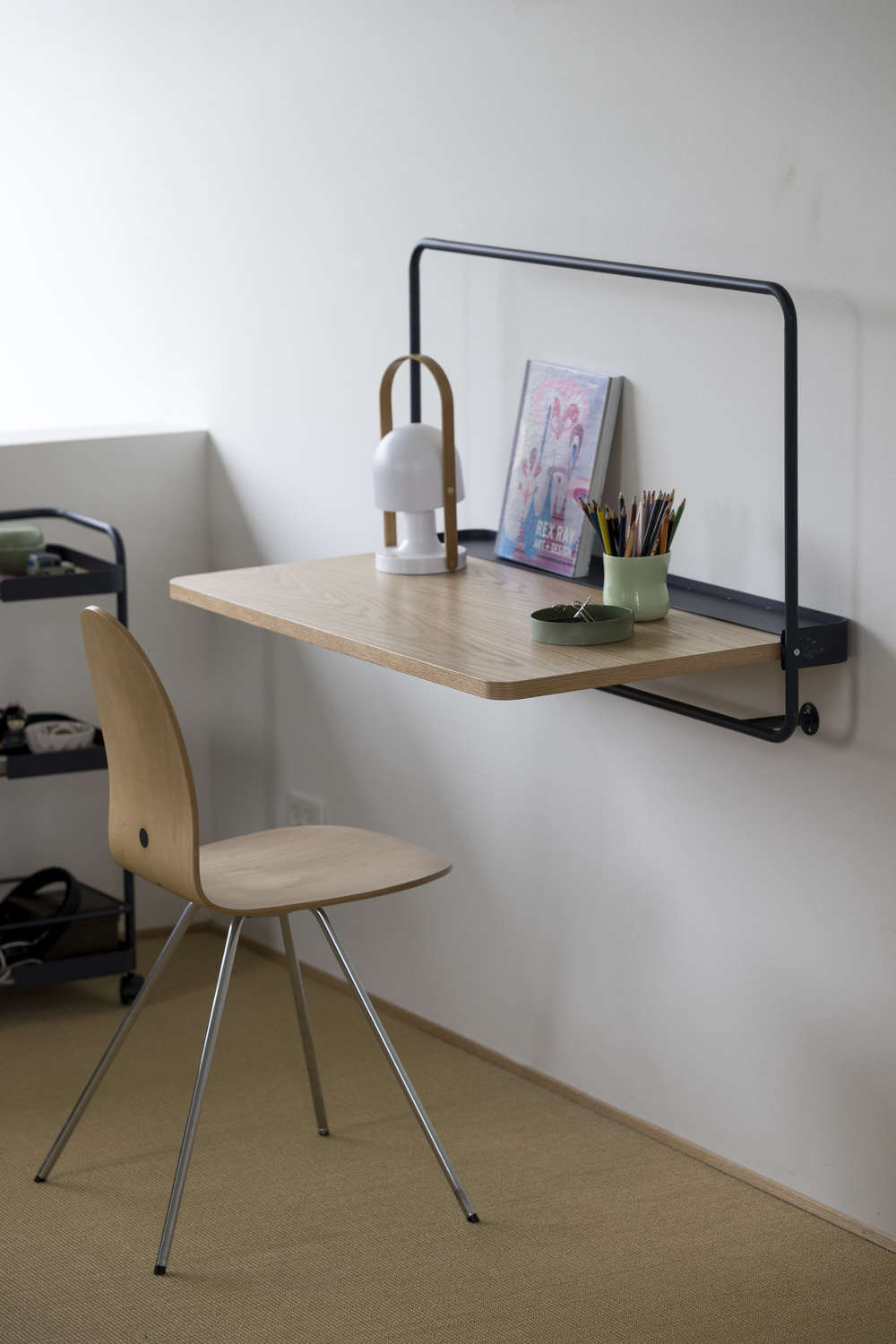
A desktop organizer can corral pens, sticky notes, chargers, and glasses. A wall board can hold reminders without covering the entire workspace. A shelf can display books, a lamp, or a small plant while keeping the desk clear. The result is not just tidiness; it is focus. When the surface is clear, the mind gets fewer visual interruptions. Your brain may still open fourteen tabs, but at least your desk will not.
Why Scandinavian Storage Keeps Trending
Scandinavian storage continues to appeal because it solves a modern contradiction: we want fewer visual distractions, but we still own objects. We want warm homes, not sterile showrooms. We want organization systems, but we do not want our rooms to look like an office supply catalog wearing socks.
The style succeeds because it is human-scaled. It respects everyday life. A good hook is not glamorous, but it can save five minutes every morning. A good shelf may not change your personality, but it can stop your keys from vanishing into the multiverse. A good tray can make a kitchen counter look styled even when you are simply trying to keep olive oil from forming a tiny skating rink.
There is also a wellness angle, though thankfully not the kind that requires a subscription app. Clutter can make a home feel mentally noisy. Thoughtful storage reduces that noise. It creates routines: keys go here, towels go there, mail goes in this tray, spices live on this shelf. The design is quiet, but the effect is significant.
How to Style a Danish-Taiwanese Storage Look at Home
You do not need to replace every cabinet to bring this look into your space. Start with one problem area and solve it well. Choose a surface that always collects clutter: an entry console, kitchen counter, bathroom sink, or desk. Then decide what actually belongs there.
Use a tray to define a zone. Add hooks where items are frequently dropped. Use a wall rail or shelf when floor space is tight. Repeat colors sparingly so the system feels connected. Soft neutrals, muted blues, clay tones, olive greens, white, black, and natural wood all work well in this style. The goal is not to match everything perfectly; it is to create visual harmony.
One practical rule: store by behavior, not fantasy. If you always drop your keys by the door, put key storage by the door. Do not create a “perfect” key station in a drawer across the room unless you enjoy disappointing yourself daily. Good design follows habits first, then gently improves them.
Buying Tips: What to Look For in Modern Storage Pieces
When evaluating a storage line inspired by Scandinavian design, look beyond the first impression. A piece may look charming online, but the real test is whether it can survive daily use. Check the mounting method for wall pieces. Review the dimensions carefully, especially for narrow halls or compact bathrooms. Think about weight capacity, cleaning, and whether the finish will coordinate with what you already own.
Prioritize versatile pieces. A hook that works in the hallway, bathroom, or kitchen is more valuable than one that only suits a single narrow purpose. A tray that can move from dining table to desk to vanity is worth more than a decorative object that only looks good when empty. A modular shelf system is especially useful if you expect your needs to change.
Also consider negative space. The most elegant storage arrangements leave breathing room around the objects. If every hook, shelf, and tray is packed to capacity, the design loses its lightness. Buy enough storage to reduce clutter, but edit what you store. Organization is not just about containers; it is also about decisions.
Experience Section: Living With a Storage Line Like This
After spending time with this kind of storage philosophy, one thing becomes obvious: the best pieces are the ones you stop thinking about. They quietly become part of the household rhythm. A wall hook near the door starts catching the bag that used to land on a chair. A small tray in the kitchen gathers the pepper grinder, olive oil, and salt cellar so cooking feels less scattered. A shelf in the bathroom keeps daily products upright instead of letting them form a crowded little skyline around the sink.
The experience is less about dramatic transformation and more about dozens of tiny improvements. You leave the house faster because your keys are where they should be. You wipe the counter more easily because bottles are grouped on a tray. You enjoy your desk more because the pens, cables, and notebooks have been invited to live somewhere other than directly under your elbow. The home does not become perfect. It becomes easier.
What stands out about Danish-inspired, Taiwan-made storage is the emotional softness of it. Many organization systems feel strict. They arrive with labels, categories, rules, and the faint suggestion that you have failed as a person because your scissors are in three different rooms. This style feels more forgiving. It offers structure, but it does not shout. The rounded shapes, muted tones, and practical proportions create a sense that order can be gentle.
In a small apartment, this matters even more. Every object is visible. Every design mistake has nowhere to hide. A bulky shoe rack can make an entryway feel blocked. A heavy cabinet can make a room feel smaller. But slim wall-mounted storage opens the floor and lifts the eye. Hooks behind a door, a narrow rail in the hallway, or a compact organizer on a desk can create the feeling of extra space without adding square footage. It is not magic, but on a Monday morning, it can feel close.
The kitchen may be where the experience is most satisfying. A simple tray or rack can turn scattered tools into a working station. Instead of searching for the measuring spoon, salt, and oil while something sizzles impatiently, you create a small zone where the essentials are ready. This reduces friction. Cooking becomes smoother, cleaning becomes faster, and the counter looks styled even when the meal is just eggs and toast. That is a humble victory, but homes are built from humble victories.
The home office benefits in a different way. A well-placed organizer does not merely store objects; it reduces visual competition. When the desk is clear, the laptop, notebook, and lamp have room to function. A wall board or shelf can keep important items nearby without turning the surface into a paper swamp. For students, freelancers, remote workers, or anyone who pays bills at the dining table, that kind of clarity is valuable.
The biggest lesson is that storage should match the way people actually live. A beautiful system that requires unnatural habits will eventually become decoration for clutter. A practical system that looks good enough to keep in plain sight becomes part of the home. That is the sweet spot this Denmark-by-way-of-Taiwan approach aims for: design that respects mess, reduces it, and makes the ordinary details of daily life feel a little more graceful.
Conclusion: Storage With a Passport and a Purpose
A New Storage Line from Denmark, by Way of Taiwan is more than a catchy design headline. It represents a smarter way of thinking about the objects that organize our homes. Danish design brings clarity, proportion, and warmth. Taiwanese craftsmanship and production knowledge bring practicality and adaptability. Together, they point toward storage that is useful, beautiful, and ready for the realities of modern living.
The best storage does not simply hide clutter. It changes behavior. It gives everyday objects a natural place to land. It makes rooms feel calmer without stripping them of personality. It helps small homes work harder and larger homes feel more intentional. Most importantly, it proves that a hook, tray, shelf, or wall organizer can be more than a container. In the right hands, it can be a tiny act of domestic peace.