

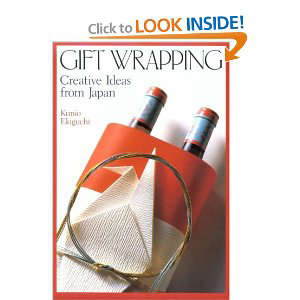
There are two kinds of wrapped gifts in the world. The first says, “I remembered your birthday.” The second says, “I remembered your birthday, selected this especially for you, and somehow persuaded a square of fabric to bloom like a peony.” Japanese gift wrapping belongs proudly to the second category.
In Japan, presentation is not merely decorative camouflage for the object inside. Wrapping can communicate respect, gratitude, celebration, restraint, and care. From reusable furoshiki cloths to delicate washi paper, precise diagonal folds, and sculptural mizuhiki cords, Japanese gift wrapping transforms an ordinary package into a small experience.
Fortunately, you do not need to work at a Tokyo department store or possess the hand-eye coordination of an origami master. The techniques below can be adapted with scarves, recycled paper, ribbons, boxes, leaves, and materials already hiding in your home.
Why Japanese Gift Wrapping Feels So Special
Japanese gift wrapping is guided by a simple but powerful idea: the way an object is presented affects the way it is received. The covering creates anticipation, protects the contents, and signals that the giver invested time as well as money.
This approach is closely related to the Japanese appreciation of thoughtful detail. A clean fold, a balanced knot, or a deliberately placed sprig can express more than a mountain of curly ribbon. The result often looks calm rather than crowded. It whispers, whereas some Western holiday packages appear to have been decorated during an argument with a glitter cannon.
Wrapping as a Form of Communication
Colors, cords, patterns, and knot styles may carry different meanings depending on the occasion. Formal Japanese gift presentation can include noshi, a symbolic decorative element, and mizuhiki, tightly twisted paper cords arranged in meaningful knots.
For casual gift giving at home, you do not need to reproduce every traditional rule. It is still wise, however, to understand that these details are more than fashionable accessories. When borrowing Japanese wrapping ideas, use them with appreciation rather than treating ceremonial symbols as random decorations.
Furoshiki: The Reusable Star of Japanese Gift Wrapping
A furoshiki is a square cloth used to wrap, carry, cover, or organize objects. Cloth-wrapping practices in Japan have ancient roots, while the word furoshiki is associated with bath culture and became widely established during the Edo period. The name combines words connected with “bath” and “spreading,” reflecting the cloths once used to bundle clothing and personal belongings at public baths.
Today, furoshiki wrapping is admired around the world as an elegant, reusable alternative to disposable gift wrap. One cloth can wrap a book in the morning, carry a lunch box in the afternoon, and become a small bag by evening. Try asking a roll of metallic wrapping paper to do that.
How to Choose a Furoshiki Cloth
The most important requirement is a square shape. Cotton is easy to handle and holds knots securely. Silk and satin create a luxurious appearance but may slip while you work. Polyester is durable, washable, and often available in vivid prints.
A practical guideline is to choose a cloth with a diagonal measurement roughly three times the longest dimension of the item. The exact size will depend on the wrapping method and the depth of the object. When uncertain, use a larger cloth. Excess fabric can usually be incorporated into the knot, while fabric that is too small simply sits there and judges your planning.
Idea 1: The Classic Two-Knot Wrap
- Place the square cloth on a flat surface in a diamond position.
- Set the gift in the center, aligning it with the cloth.
- Bring the top and bottom corners over the gift and tuck them neatly.
- Bring the left and right corners upward.
- Tie them in a secure square knot at the top.
This method works beautifully for books, boxed candles, small games, and rectangular food containers. Arrange the knot so the printed side of the fabric faces outward. A sprig of rosemary, a paper tag, or a tiny dried flower can be tucked beneath it.
Idea 2: A Flower-Knot Furoshiki
For a more decorative package, use a lightweight cloth with contrasting colors on each side. Gather the corners above the box, twist them slightly, and form a soft double knot. Fan out the loose ends until they resemble petals.
This technique is particularly effective for birthdays, bridal showers, and hostess gifts. The fabric becomes both wrapping and decoration, so no bow is needed. That is good news for anyone who has ever produced a ribbon bow shaped like a nervous sea creature.
Idea 3: The Two-Bottle Carry Wrap
Lay two bottles horizontally near the center of the cloth with their bases facing each other. Leave a small gap between them, roll the bottles together in the fabric, and then raise the necks. Tie the remaining ends above the bottles to form a handle.
This Japanese-inspired bottle wrap is ideal for olive oil, sparkling cider, sauces, or wine where appropriate. It protects the glass, creates an easy carrying handle, and gives the recipient a cloth they can reuse.
Idea 4: Turn the Wrapping into a Bag
Place the gift in the center of a large cloth and tie the two corners on each side together. Then connect the knots or gather them into handles. The finished package resembles a soft tote and works well for oddly shaped items that would defeat ordinary wrapping paper within seconds.
Washi Paper: Texture, Strength, and Quiet Beauty
Washi broadly refers to traditional Japanese paper. It is valued for its texture, flexibility, strength, and visual warmth. Traditional varieties may be made using long plant fibers such as kozo, commonly called paper mulberry. These fibers help produce paper that can feel delicate while remaining surprisingly resilient.
Authentic handmade washi can be expensive, but you can apply the same design principles with printed Japanese paper, handmade paper, uncoated wrapping paper, or quality craft paper. Look for natural texture and patterns that reward close inspection.
Idea 5: Layer Solid Paper with a Washi Band
Wrap the gift in plain kraft, cream, charcoal, or white paper. Cut a strip of patterned washi and place it around the center like a belt. Secure the overlap underneath with double-sided tape.
This layered method uses only a small amount of decorative paper while allowing the pattern to become the focal point. Try indigo waves on white paper, red and gold florals on black, or a pale geometric print on natural kraft.
Idea 6: Create an Origami-Inspired Pocket
Before completing the final paper fold, turn one flap back to expose the reverse side and form a triangular pocket. Secure the package, then slide a greeting card, photograph, tea packet, or small paper crane into the opening.
The pocket makes the wrapping interactive and gives small additions a deliberate home. It is far more elegant than taping a card to the package and hoping gravity respects your intentions.
Idea 7: Use Pleats Instead of a Bow
Wrap a box with an extra-wide sheet of paper. Before closing the final panel, create three or four narrow accordion folds across the visible surface. Press each crease firmly, then secure the paper on the underside.
The pleats add dimension without ribbon. For a modern Japanese-inspired look, use matte paper in a restrained color and add one narrow cord across the pleated section.
The Japanese Diagonal Wrapping Technique
The fast diagonal method commonly associated with Japanese department-store wrapping has become popular because it can cover a rectangular box with clean overlapping folds and very little visible tape. Instead of positioning the box parallel to the paper edges, you begin at an angle.
How to Wrap a Box Diagonally
- Place the paper decorative-side down and position the box diagonally near one corner.
- Bring the nearest corner of paper up and over the first edge of the box.
- Hold that fold while pulling the next section across the adjacent side.
- Crease the excess inward so raw edges disappear beneath the visible flap.
- Continue rotating or folding around the box until the final section overlaps neatly.
- Secure the last flap with one small piece of tape or double-sided adhesive.
The method may look effortless in videos, especially when performed by someone who has wrapped approximately nine million department-store packages. Beginners should practice with sturdy paper and a medium-size box. Thin paper tears easily, while an enormous box may turn the first lesson into competitive wrestling.
Mizuhiki: Decorative Knots with Meaning
Mizuhiki cords are made from tightly twisted paper and are traditionally used on formal Japanese gifts, envelopes, and ceremonial packages. Their colors and knot structures can communicate the nature of an occasion. Some knots are designed to be untied and repeated, while others are intentionally difficult to undo, symbolizing an event that should occur only once.
Because these customs have specific cultural meanings, traditional mizuhiki should be selected thoughtfully for weddings, condolences, business gifts, and formal celebrations. For informal craft projects, you can borrow the visual principle by using plain paper cord to create simple, nonceremonial decorations.
Idea 8: A Minimal Paper-Cord Accent
Wrap a box in solid paper and circle it with a narrow paper cord three times. Tie a simple decorative knot slightly off-center and trim the ends evenly. The asymmetrical placement adds movement while maintaining a clean composition.
Idea 9: Make a Small Mizuhiki-Inspired Topper
Shape flexible paper cords into loops resembling petals, waves, or overlapping circles. Bind the center with fine thread and attach the piece to the package with removable adhesive. Keep the topper small enough that it complements rather than conquers the gift.
Nature-Inspired Japanese Wrapping Ideas
Japanese design often gives natural materials room to speak. Instead of covering a package with multiple plastic ornaments, choose one seasonal accent and place it intentionally.
Idea 10: Add a Single Botanical Detail
Tuck a pine sprig, maple leaf, rosemary stem, dried fern, or small blossom under a cord. Select clean, dry plant material that will not stain the paper. Avoid toxic plants and strong fragrances when wrapping food.
Idea 11: Use a Wooden or Paper Tag
Replace a glossy commercial label with a small wooden tag, folded cardstock label, or hand-cut circle of textured paper. Write the recipient’s name with a brush pen or fine marker. A little empty space around the lettering creates a more polished result.
Idea 12: Wrap with a Tenugui-Style Cotton Cloth
A lightweight cotton hand towel can function much like a furoshiki. Choose one with a pattern related to the recipient’s interests, such as food, flowers, animals, or seasonal scenery. After opening the gift, the cloth can be used in the kitchen, displayed, or repurposed for another package.
Japanese Color and Pattern Ideas
You do not need to cover every package in cherry blossoms to create a Japanese-inspired look. Consider traditional and contemporary combinations such as indigo and white, vermilion and cream, black and gold, moss green and natural brown, or pale pink with warm gray.
Patterns can include waves, fans, cranes, hemp-leaf geometry, tortoiseshell forms, plum blossoms, chrysanthemums, clouds, and subtle checks. Research the meaning of a traditional motif before using it for a formal occasion. For everyday gifts, abstract geometry and nature-inspired prints are flexible choices.
The key is restraint. Choose one dominant pattern, one quieter background, and perhaps one natural accent. When every surface competes for attention, the package stops looking refined and starts looking like a stationery store lost a bet.
How to Make Japanese-Inspired Gift Wrapping More Sustainable
Reusable wrapping is only sustainable when it is genuinely reused. A brand-new cloth purchased for every gift can create unnecessary consumption, even when it is labeled “eco-friendly.” Begin with materials already available: scarves, fabric remnants, clean tea towels, saved gift boxes, maps, paper bags, or sturdy wrapping paper from previous celebrations.
Avoid glitter coatings, plastic laminates, excessive tape, and decorations that cannot be separated from the paper. Use cotton cord, paper tape, or reusable ribbon. Encourage recipients to keep the wrapping by choosing a cloth that serves a second purpose.
You can also establish a family furoshiki tradition. The same cloth may travel back and forth for birthdays and holidays, collecting memories along the way. Eventually, recognizing the wrapping may become part of the celebration: “Ah yes, the blue crane cloth. Last seen carrying Aunt Linda’s emergency fruitcake.”
A Practical Experience with Japanese-Inspired Gift Wrapping
A useful way to understand Japanese gift wrapping is to spend an afternoon testing several methods with ordinary household materials. A realistic practice session might begin with three boxes, one bottle, a cotton scarf, kraft paper, decorative paper, string, and a few leaves from the yard.
The first lesson arrives quickly: preparation matters. Paper folds more cleanly when it is cut squarely, fabric knots look better when the cloth is pressed, and a box with crushed corners will not become glamorous simply because someone places a tasteful fern on top. Japanese-inspired presentation rewards attention before wrapping begins.
The First Furoshiki Attempt
The classic furoshiki wrap is usually the easiest place to start. A medium-size book placed diagonally on a cotton scarf can be covered in less than two minutes. The first knot may look bulky, but adjusting each side individually improves the balance. Pulling the fabric too tightly causes the corners of the book to protrude, while leaving it too loose makes the package resemble a sleepy pillow.
On the second attempt, the process becomes more intuitive. The cloth is centered more accurately, the printed pattern appears in the intended direction, and the knot can be positioned deliberately rather than wherever it happens to land. This small improvement reveals an important principle: good wrapping is less about complicated technique than about controlled repetition.
Learning the Diagonal Paper Fold
The diagonal method presents a steeper learning curve. The first package may have one elegant corner and three corners that appear to be negotiating separate peace treaties. The challenge is keeping the previous flap in place while forming the next crease.
Sturdy matte paper is much easier for practice than thin glossy wrap. Once the box is positioned correctly, the folds begin to follow the shape of the package. The most satisfying moment occurs when the final flap covers the remaining raw edges and only one small piece of tape is required. The result looks tailored, almost like a paper envelope built directly around the box.
Discovering That Less Decoration Works Better
The next experiment is decoration. One package receives several ribbons, two tags, dried flowers, and an origami crane. Technically, everything is attractive. Together, however, the objects look as though they are competing for a talent-show trophy.
Removing most of them improves the package immediately. A narrow cord and one folded paper accent are enough. On another box, a single rosemary sprig against cream paper creates a stronger effect than an elaborate bow. Empty space is not unfinished space; it gives each detail room to be noticed.
Choosing Materials for the Recipient
The most successful package is not necessarily the most technically impressive. A cookbook wrapped in a reusable kitchen towel may delight a home cook more than expensive handmade paper. A child may enjoy fabric printed with animals, while a minimalist friend may prefer charcoal paper and one white cord.
This recipient-focused decision is perhaps the most valuable lesson. Japanese gift wrapping is not a performance designed to prove that the giver owns scissors. Its purpose is to create a thoughtful transition between giving and receiving.
What the Experience Ultimately Teaches
After several packages, wrapping becomes slower in a good way. You begin checking the direction of a pattern, smoothing a crease with care, and considering whether a decoration is necessary. The process feels less like concealing an item and more like preparing it.
Not every fold will be perfect. A cloth corner may stick out, a cord may slide, and an ambitious paper pleat may collapse at the worst possible moment. Yet even an imperfect handmade package can communicate attention. That human quality is part of its charm.
The best approach is to master one method at a time. Begin with a basic furoshiki knot, practice diagonal wrapping on empty boxes, and add advanced cord work only after the foundation feels comfortable. Soon, the wrapping itself becomes part of the gift rather than the disposable obstacle standing between the recipient and the contents.
Final Thoughts
Creative gift wrapping from Japan demonstrates that beauty does not require excess. A square of cloth, a carefully folded sheet of paper, or a single cord can transform an everyday object into a meaningful presentation.
Start with materials you already own, choose a technique suited to the gift, and leave enough visual space for each detail to matter. Whether you use furoshiki, washi, diagonal folds, or a simple nature-inspired accent, the goal is the same: to show that the packageand the person opening itdeserved your attention.
Note: Traditional noshi and mizuhiki combinations can carry occasion-specific meanings. Research appropriate colors and knot styles before using them for formal Japanese weddings, funerals, business events, or ceremonial gifts.