

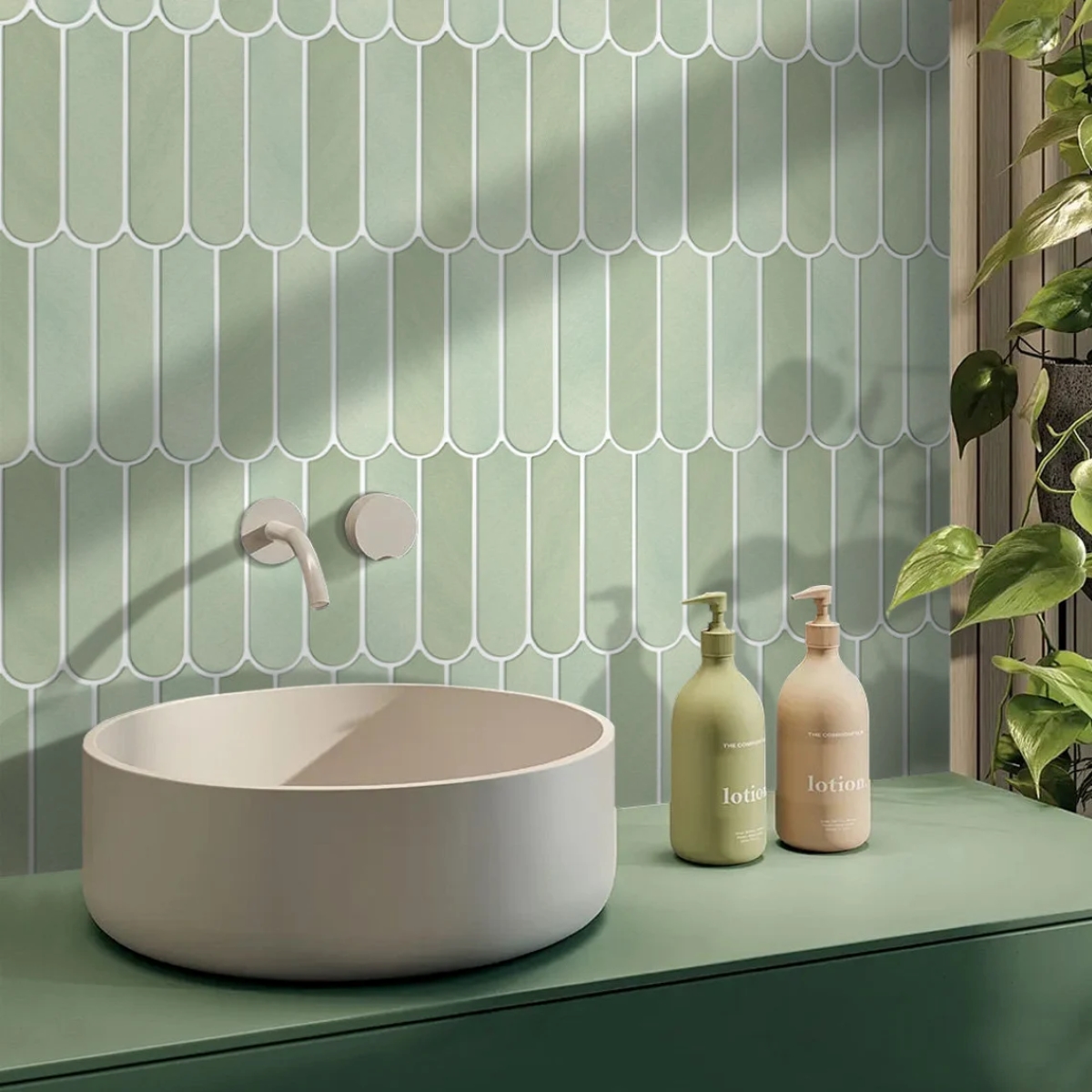
For years, the bathroom has been the quiet little room where color went to retire. Beige, gray, greige, off-white, warm off-white, cool off-white, “is this white or did the printer run out of ink?” whiteyou know the look. It was safe. It was calm. It matched the towels. But somewhere along the way, many bathrooms started feeling less like personal retreats and more like waiting rooms with better plumbing.
The good news? Bathroom design is having a joyful identity crisis. Homeowners, designers, and DIY decorators are rediscovering that the smallest room in the house can carry some of the biggest personality. A bathroom can be moody, cheerful, vintage, tropical, coastal, artistic, spa-like, or wonderfully weird in the best possible way. Color is not the enemy of relaxation; when used thoughtfully, it can make a bathroom feel more comforting, more luxurious, and much more like you.
Whether you are planning a full bathroom remodel or just trying to rescue a greige powder room from a life of quiet despair, these colorful bathroom ideas will help you add charm without creating chaos. From paint and tile to wallpaper, lighting, textiles, and tiny details, here are 11 smart ways to add color and personality to your bathroom.
Why Bathroom Color Is Back in a Big Way
Today’s bathroom is no longer treated as a purely practical space. It is where you start the day, end the day, hide from group chats, rehearse imaginary arguments, and occasionally enjoy three uninterrupted minutes of peace. That makes it worthy of design attention.
Current bathroom color trends are moving away from cold, flat neutrals and toward warmer, more expressive palettes. Soft greens, clay tones, pale pinks, deep blues, earthy browns, terracotta, powder blue, and rich jewel tones are showing up on walls, vanities, tile, and accessories. The goal is not to make every bathroom look loud. The goal is to make it feel alive.
The best colorful bathroom designs share one thing: intention. They do not toss in random shades like a confetti cannon at a paint store. They build a palette, repeat it in small ways, and balance color with texture, lighting, and practical materials.
1. Start With a Color Story, Not a Random Paint Chip
Before you buy paint, tile, towels, wallpaper, or a suspiciously charming ceramic frog soap dish, decide what kind of mood you want your bathroom to have. Color works best when it supports a clear feeling.
Try These Bathroom Color Directions
Calm and spa-like: Choose soft sage, misty blue, pale green, warm white, stone, or muted taupe. These colors feel restful without becoming boring.
Vintage and romantic: Try blush pink, dusty mauve, powder blue, cream, brass, and floral patterns. This works especially well with beadboard, pedestal sinks, framed mirrors, or traditional tile.
Bold and boutique-hotel inspired: Consider navy, forest green, burgundy, chocolate brown, black, peacock blue, or emerald. These shades can make a powder room feel dramatic and expensive.
Sunny and playful: Bring in coral, butter yellow, turquoise, tomato red, chartreuse, or patterned textiles. Use these in smaller doses if you want energy without visual overload.
A strong color story helps every choice feel connected. Instead of asking, “Do I like this towel?” ask, “Does this towel belong in the little world I am creating?” Congratulations, you are now the mayor of Bathroom Town.
2. Paint the Vanity for a High-Impact, Low-Demolition Upgrade
If your bathroom vanity is structurally fine but visually asleep, paint can wake it up fast. A painted vanity is one of the easiest ways to add color to a bathroom without touching tile, plumbing, or anything that requires you to say, “Where did I put the shutoff valve?”
Deep navy, smoky green, dusty blue, warm terracotta, muted plum, charcoal, and even soft pink can transform a basic cabinet into a design feature. A colorful vanity also works well in bathrooms where the walls and floor are neutral. It gives the eye a focal point and makes the room feel designed rather than assembled from leftovers.
Color Pairing Examples
Navy vanity: Pair with white walls, marble-look counters, chrome or brass hardware, and a striped hand towel.
Sage green vanity: Pair with cream walls, warm wood accents, woven baskets, and botanical art.
Blush vanity: Pair with white tile, polished chrome, a round mirror, and a patterned rug for a soft but modern look.
Terracotta vanity: Pair with zellige-style tile, black accents, clay pottery, and warm lighting.
For durability, prep matters. Clean the cabinet, sand lightly, use a bonding primer, and choose a paint designed to handle moisture and frequent cleaning. Skipping prep is how a weekend project becomes a cautionary tale.
3. Use Wallpaper to Turn a Powder Room Into a Moment
Wallpaper in a bathroom can feel risky, but in the right space it is pure magic. Powder rooms are especially perfect because they usually have less humidity than full bathrooms with showers. A bold wallpaper can make a tiny room feel intentional, memorable, and delightfully dramatic.
Botanical prints, abstract patterns, stripes, chinoiserie-inspired scenes, tropical leaves, vintage florals, and mural-style wallpaper can all work beautifully. If your bathroom is small, do not assume you must use a tiny pattern. Large-scale prints can actually make a compact room feel more expansive because the eye follows the pattern instead of measuring the walls.
How to Make Bathroom Wallpaper Feel Sophisticated
Choose one or two colors from the wallpaper and repeat them in the mirror frame, vanity paint, towels, rug, or art. This repetition creates rhythm. For example, if your wallpaper has green leaves and soft pink flowers, paint the vanity a muted green and use blush hand towels. Suddenly, the wallpaper is not just wallpaper; it is the boss of the room, and everyone is happily reporting to work.
In a full bathroom, look for moisture-resistant wallpaper or use it away from direct splash zones. Good ventilation is essential. A beautiful wallpaper deserves better than slowly peeling behind the toilet like a sad banana.
4. Add Color With Tile That Does the Heavy Lifting
Tile is one of the most powerful ways to bring color and personality into a bathroom. Unlike paint, tile adds both color and texture. Glossy zellige-style tile, handmade-look ceramic, geometric floor tile, penny rounds, checkerboard patterns, terrazzo, and colorful shower tile can all turn a basic bathroom into a design statement.
If you are nervous about colorful tile, start with one zone. A shower wall in blue-green tile, a backsplash in soft pink squares, or a patterned floor can be enough. You do not need to tile every surface unless your goal is “beautiful jewel box” and your budget says, “I support your dreams.”
Tile Ideas That Add Personality
Blue shower tile: Creates a clean, watery feeling while still adding depth.
Green vertical tile: Draws the eye upward and gives a narrow bathroom a taller appearance.
Checkerboard floor: Adds vintage charm and graphic contrast.
Terrazzo tile: Offers built-in color flecks, making it easy to pull accent colors for towels and accessories.
Pink tile: Can feel modern, retro, or romantic depending on the shape and finish.
Tile is a more permanent commitment than paint, so order samples and view them in your bathroom’s actual lighting. A tile that looks soft sage online may appear “hospital cafeteria green” under the wrong bulb. Samples are cheaper than regret.
5. Paint the Ceiling for an Unexpected Pop
The ceiling is the most ignored wall in the bathroom, which is rude because it works very hard. Painting the ceiling is a clever way to add color without overwhelming the room. It is especially useful in small bathrooms where wall space is limited by mirrors, tile, doors, and cabinets.
A soft blue ceiling can make the room feel airy. A blush ceiling adds warmth. A deep navy or forest green ceiling can create a cozy, enveloping effect in a powder room. If the walls are white or cream, the ceiling becomes a surprise detail that feels custom.
For a more dramatic approach, try color drenching: paint the walls, trim, and ceiling in the same shade. This works beautifully with moody colors like deep teal, aubergine, chocolate brown, or smoky blue. In a small powder room, color drenching can blur edges and make the space feel immersive rather than cramped.
6. Let the Shower Curtain Be the Artwork
If you rent, share a bathroom, or simply do not want to commit to paint, the shower curtain is your best friend. It is large, affordable, easy to swap, and capable of carrying the entire color palette on its fabric shoulders.
A striped shower curtain can add crisp energy. A floral curtain can soften a sterile bathroom. A graphic print can make a plain white bathroom feel modern. A waffle-weave curtain in a rich color, such as olive, rust, navy, or clay, can bring quiet depth without shouting.
To make the look feel finished, coordinate the shower curtain with a bath mat, hand towels, or small artwork. Do not match everything exactly. Matching too perfectly can feel like a bathroom set from 2004 that came in a plastic zipper bag. Instead, choose colors that belong to the same family.
7. Upgrade Towels, Rugs, and Textiles Like You Mean It
Textiles are the easiest way to test color in a bathroom. Towels, rugs, robes, window treatments, and vanity skirts can add softness and personality without permanent change.
For a grown-up look, skip the random towel rainbow and choose a controlled palette. Try rust towels with a sage bathroom, navy towels with white and brass, lavender towels with gray-green walls, or mustard towels with deep blue tile. A vintage-style rug can add pattern, warmth, and a lived-in feeling, especially in bathrooms with hard surfaces everywhere.
Bathroom textiles also help solve a common design problem: bathrooms are full of cold, shiny materials. Tile, glass, mirrors, porcelain, chrome, and stone can feel a little stern. Soft textiles make the room feel more human.
8. Bring in Art That Does Not Look Like “Bathroom Art”
There is nothing wrong with a tasteful seashell print, but your bathroom art does not need to announce, “Hello, I am art for a bathroom.” Choose pieces you would enjoy in any room: small landscapes, abstract prints, vintage portraits, quirky illustrations, framed textiles, botanical sketches, or black-and-white photography.
Art is a great way to add color and personality because it tells visitors something about your taste. It can also help bridge colors that might otherwise feel unrelated. For example, if you have a blue vanity and a terracotta rug, choose art that includes both tones. Suddenly, the palette makes sense.
Use proper framing and avoid hanging valuable originals in very humid bathrooms. A powder room is usually safer for framed art than a steamy primary bath. If the room has poor ventilation, consider inexpensive prints or moisture-tolerant materials.
9. Use Hardware and Fixtures as Jewelry
Hardware is the jewelry of the bathroom, and like jewelry, it can completely change the outfit. Swapping cabinet pulls, towel bars, faucets, mirror frames, and light fixtures can make a neutral bathroom feel more personal.
Brass adds warmth and works beautifully with green, navy, pink, and deep brown. Polished chrome is making a strong comeback because it feels clean, classic, reflective, and surprisingly fresh when paired with colorful tile. Matte black adds contrast, especially in bathrooms with soft neutrals or warm wood. Nickel and bronze can also bring a quieter, timeless quality.
The trick is consistency. You do not have to use one metal everywhere, but the mix should look intentional. For example, chrome plumbing with a warm wood vanity and colorful art can feel crisp and modern. Brass lighting with a green vanity and cream walls can feel cozy and elegant.
10. Add Plants, Wood, and Natural Texture
Color does not only come from paint. Natural materials can add life, warmth, and personality without making the room feel busy. Wood shelves, bamboo trays, woven baskets, stone accessories, clay vases, linen curtains, and leafy plants all bring depth to a bathroom.
Greenery is especially effective. A plant instantly makes a bathroom feel fresher, and it pairs beautifully with almost every color palette. If your bathroom has bright indirect light, consider pothos, ferns, snake plants, or philodendron. If your bathroom has no natural light, use a very realistic faux plant and let no one shame you. A fake plant that looks good is better than a real plant slowly writing its will.
Wood and woven textures also help balance bold color. A teal bathroom with a wood stool feels warmer. A pink bathroom with woven baskets feels less sugary. A navy bathroom with a natural rug feels relaxed instead of severe.
11. Create a Personality Layer With Small, Swappable Details
The final layer is where your bathroom becomes yours. Think soap dispensers, trays, candles, jars, hooks, framed notes, small sculptures, baskets, stools, books, mirrors, and even the shape of the wastebasket. These details may be small, but together they create atmosphere.
The best bathrooms feel collected, not cloned. Add a vintage mirror instead of a basic builder-grade one. Use a colorful tray for skincare. Choose a patterned hand towel. Place a small stool near the tub. Display a ceramic cup for toothbrushes instead of the plastic one that has been quietly judging you since college.
Personality does not mean clutter. A bathroom still needs to function. Keep everyday surfaces clean and edit accessories carefully. One interesting object is charming. Twelve interesting objects around the sink are a dust convention.
How to Choose Bathroom Colors That Actually Work
Adding color is exciting, but bathrooms have special rules. Light, moisture, tile undertones, and fixed finishes can affect how color looks and performs.
Check Your Undertones
Before choosing a new color, look at what already exists: floor tile, wall tile, countertop, tub, toilet, grout, and metal finishes. A warm beige floor may clash with a cool gray-blue wall. A creamy countertop may make bright white paint look harsh. Choose colors that cooperate with fixed elements instead of fighting them in a tiny tiled cage match.
Test Paint in Real Bathroom Light
Bathrooms often have unusual lighting. Some have no windows. Some have cool LED bulbs. Some have one overhead light that makes everyone look like they have just received shocking news. Always test paint samples on the wall and view them morning, afternoon, and night.
Use the Right Paint Finish
Bathrooms deal with steam, splashes, toothpaste, hairspray, and mysterious fingerprints. Satin and semi-gloss finishes are commonly recommended for bathrooms because they are easier to clean and more moisture-resistant than flat finishes. In low-ventilation bathrooms, look for paint designed for high-humidity areas.
Balance Bold Colors With Breathing Room
If you choose dramatic tile, keep the walls simpler. If the wallpaper is bold, use a quieter vanity. If the vanity is bright, repeat the color in a small accent and let the rest of the room breathe. The goal is personality, not a visual marching band.
Budget-Friendly Ways to Say Goodbye to Greige
You do not need a luxury remodel to add bathroom personality. Start with changes that are affordable and reversible.
Paint the vanity. Replace the mirror. Add a colorful shower curtain. Switch the towels. Try peel-and-stick wallpaper in a powder room. Add framed art. Change the hardware. Put down a patterned rug. Bring in a plant. Replace a basic light fixture. Even one or two of these updates can make a greige bathroom feel fresher and more personal.
If your budget allows a larger project, consider colorful tile, new flooring, a custom vanity color, or a statement wall treatment. The smartest approach is to invest in permanent elements you truly love and use accessories for trendier colors.
Real-Life Experience: What Actually Works When Adding Color to a Bathroom
Here is the truth from the decorating trenches: bathrooms are small, but they are not always easy. A color that looks stunning on a design board can behave very differently once it is surrounded by tile, mirrors, artificial light, and a shower curtain that suddenly wants to be the main character.
One of the most reliable ways to begin is with a “one bold thing” rule. Choose one element to carry the strongest color or pattern. In one bathroom, that might be a deep green vanity. In another, it might be blue patterned floor tile. In a powder room, it might be dramatic wallpaper. Once that star is chosen, everything else should support it. This keeps the room from feeling chaotic.
Another lesson: towels are not a design afterthought. Many people paint the walls, install shelves, add decor, and then toss in whatever towels are clean. But towels take up visual space. If they are faded, mismatched, or in a color that fights the room, they can undo the design faster than you can say “laundry day.” Choosing towels intentionally is one of the cheapest ways to make a bathroom look polished.
Lighting also matters more than people expect. A beautiful dusty rose wall can look elegant under warm lighting and strangely dull under cool lighting. A navy vanity can look rich in daylight and nearly black at night. Before making final decisions, test bulbs as well as paint. Warm white lighting usually flatters skin tones and makes colorful bathrooms feel more inviting, while overly cool bulbs can make even expensive materials look harsh.
Small bathrooms can handle bold color better than most people think. In fact, a tiny powder room is often the best place to experiment because it is separate from the main living areas and used for short visits. A bold wallpaper or dark paint color can feel exciting there, while the same treatment in a large primary bathroom might feel overwhelming. Think of the powder room as the guest who wears red lipstick to brunch: memorable, confident, and not asking for permission.
For renters, color is still possible. Removable wallpaper, colorful art, a patterned shower curtain, a washable rug, peel-and-stick floor decals, adhesive hooks, and bright accessories can completely change the mood without angering the lease agreement. Even replacing a plain mirror with a framed one can make the room feel more designed, as long as the original can be stored and reinstalled later.
The biggest mistake is trying to copy a photo exactly. Inspiration photos are helpful, but your bathroom has its own light, layout, budget, and existing finishes. Instead of copying every detail, identify what you love: the contrast, the wall color, the vintage feeling, the glossy tile, the warm metal, or the playful pattern. Then translate that idea into your own space.
Finally, personality should be personal. A colorful bathroom does not have to impress everyone. It should make you smile when you brush your teeth, wash your face, or hide from responsibilities for one peaceful minute. If a soft green bathroom makes you feel calm, choose green. If a coral vanity makes your morning better, paint the vanity. If you want a powder room with botanical wallpaper and a tiny gold monkey hook, congratulationsyou have understood the assignment.
Conclusion: Your Bathroom Deserves Better Than Greige
Greige had a good run. It was dependable, polite, and very good at not offending anyone. But your bathroom can be more than neutral background noise. With the right mix of paint, tile, wallpaper, textiles, hardware, lighting, art, and natural texture, even the smallest bathroom can feel colorful, stylish, and full of personality.
The key is not to add every idea at once. Start with a mood, choose a palette, and build the room in layers. Paint a vanity. Try a patterned rug. Add wallpaper to a powder room. Swap the mirror. Bring in a plant. Upgrade the towels. Little by little, your bathroom will stop feeling like a forgotten utility space and start feeling like a room with a point of view.
So yes, goodbye greige. Thank you for your service. Now please step aside; the bathroom would like to wear something more interesting.