

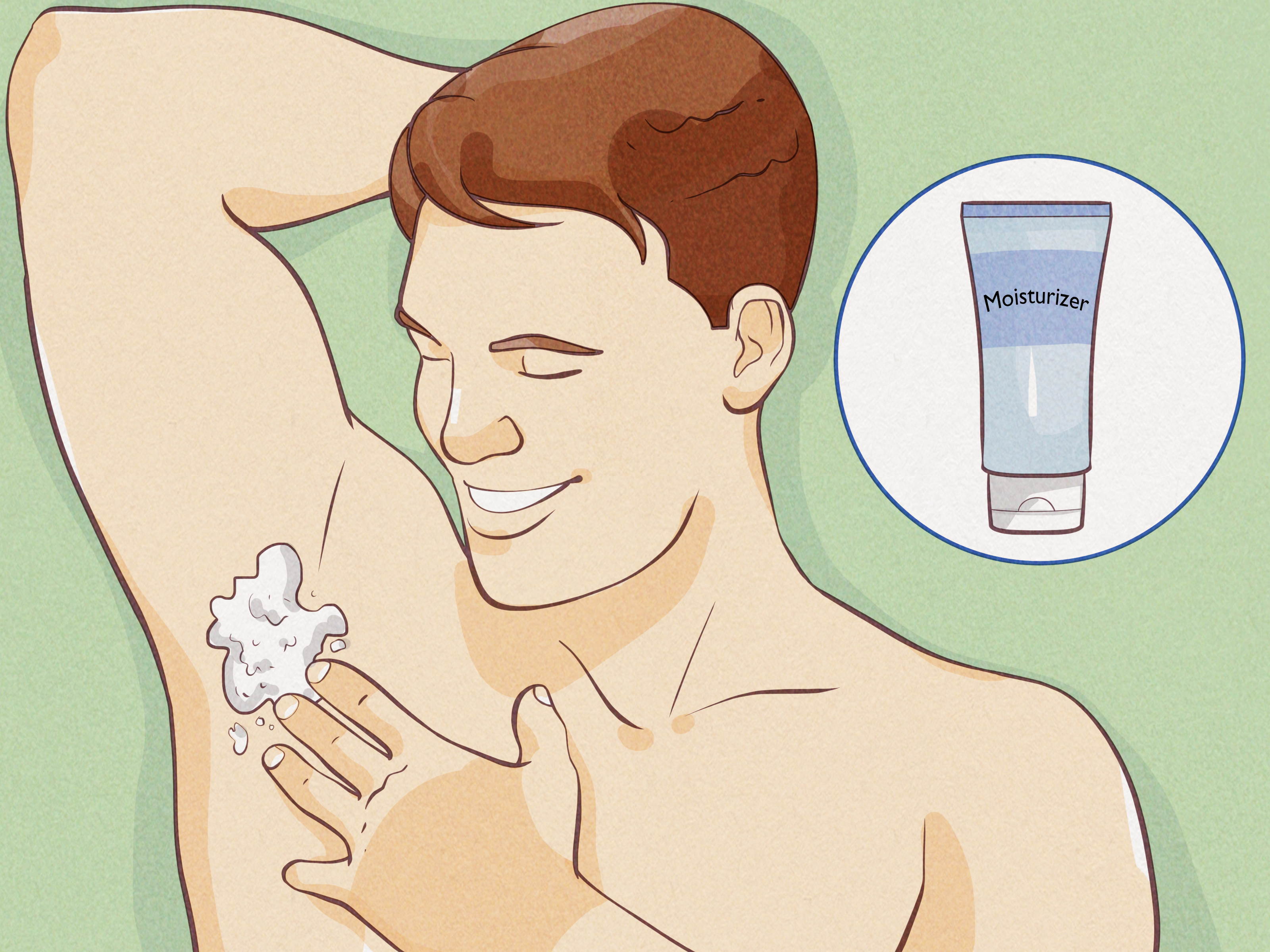
Let’s be honest: shaving your armpits is not exactly the heroic grooming ritual Hollywood puts in slow motion. Nobody is lighting a candle, playing jazz, and saying, “Tonight, we conquer the underarms.” But if you want cleaner pits, less trapped sweat, smoother deodorant application, or a more polished look at the gym, learning how to shave your armpits the right way is worth a few minutes of attention.
For men, underarm shaving can feel a little awkward the first time. The skin is soft, the hair grows in strange directions, and your arm has to perform a yoga pose just to expose the area. But the process is simple when you use the right tools, prep the skin properly, and avoid treating your armpit like a patch of weeds behind the garage.
This guide explains how to shave armpit hair for men safely, comfortably, and cleanly. You’ll learn what tools to use, how to avoid razor burn, how to prevent ingrown hairs, and how to care for your skin afterward. Whether you want a completely smooth underarm or just a neater, trimmed look, this article will help you get there without turning your bathroom into a tiny shaving crime scene.
Should Men Shave Their Armpits?
Yes, men can absolutely shave their armpits. There is no rulebook hidden in a secret mountain temple saying underarm hair must remain untouched. Some men shave for sports, comfort, hygiene, appearance, or personal preference. Others prefer trimming instead of shaving. Both choices are completely normal.
Shaving armpits may help reduce the amount of sweat and deodorant trapped in thick hair. It can also make antiperspirant easier to apply directly to the skin. That does not mean shaving magically eliminates body odor. Odor happens when bacteria interact with sweat, so showering regularly and using deodorant still matter. Think of shaving as making the area easier to managenot as installing air conditioning under your arms.
Benefits of Shaving Armpit Hair for Men
Cleaner Feel After Workouts
If you exercise often, shaved or trimmed underarms may feel cooler and less swampy. Hair can hold sweat, and sweat can make your shirt cling like it has emotional attachment issues. A cleaner underarm area may help you feel fresher after running, lifting, cycling, or playing sports.
Better Deodorant Contact
Deodorant and antiperspirant work best when they reach the skin. Thick armpit hair can act like a tiny forest blocking the product. Shaving or trimming gives deodorant a clearer path, which may improve coverage and reduce product buildup.
A Neater Appearance
Some men simply like the look of smooth or trimmed armpits. If you wear tank tops, play sports shirtless, swim, or just prefer a groomed appearance, shaving can give a clean and intentional look. Your armpits do not need to look like a national park unless that is your preferred aesthetic.
Less Hair Pulling and Friction
Long underarm hair can sometimes tug, tangle, or rub against clothing. Trimming or shaving may reduce that scratchy feeling, especially in hot weather or during movement-heavy activities.
What You Need Before Shaving Your Armpits
Before you start, gather the right tools. Underarm skin is sensitive, so using a dull disposable razor you found behind the sink is not the moment. You want comfort, control, and cleanliness.
Recommended Tools
- A clean, sharp razor or body razor
- An electric trimmer if your armpit hair is long
- Warm water
- Gentle body wash or non-comedogenic cleanser
- Shaving cream, shaving gel, or a moisturizing shave product
- A clean towel
- Fragrance-free moisturizer or aloe vera gel
- A mirror, if you need better visibility
If your underarm hair is long, start with a trimmer. Going straight in with a razor can clog the blades and make shaving uncomfortable. The razor should glide, not chew through a jungle like a lawn mower having a bad day.
How to Shave Your Armpits: Step-by-Step Guide for Men
Step 1: Trim Long Armpit Hair First
If your armpit hair is longer than about a quarter inch, trim it before shaving. Use an electric body groomer or small trimmer with a guard. This makes the shave easier, prevents the razor from clogging, and reduces tugging.
Lift your arm fully above your head, then gently move it forward and backward to expose the hair from different angles. Underarm hair does not always grow neatly in one direction. It often behaves like it was designed by a committee. Trimming first gives you a clearer view and makes the next steps smoother.
Step 2: Shower or Soften the Hair With Warm Water
The best time to shave your armpits is near the end of a warm shower. Warm water softens the hair and skin, making it easier for the razor to cut without dragging. If you are not showering, place a warm, damp washcloth over the area for a few minutes.
Do not shave dry. Dry shaving is one of the fastest ways to invite razor burn, redness, and irritation. It is basically asking your skin, “Would you like to be angry for the rest of the day?”
Step 3: Clean the Underarm Area
Wash your armpits with a gentle cleanser or body wash before shaving. This removes sweat, deodorant residue, oil, and bacteria. Clean skin lowers the chance of irritation and helps the razor glide more easily.
Avoid harsh scrubbing right before shaving. Gentle exfoliation once or twice a week can help remove dead skin cells, but aggressive scrubbing immediately before shaving can make the skin more sensitive.
Step 4: Apply Shaving Cream or Gel
Use a generous layer of shaving cream or gel. A good shaving product creates a protective barrier between the blade and your skin. It also helps the razor move smoothly instead of scraping.
If you have sensitive skin, choose a fragrance-free or sensitive-skin formula. Avoid using only water, and be careful with regular bar soap because it may not provide enough lubrication. Your razor should glide like it has somewhere classy to be.
Step 5: Raise Your Arm and Keep the Skin Gently Stretched
Raise one arm above your head to flatten the underarm area. You can rest your hand on the back of your head or reach upward. The goal is to create a smoother surface so the razor does not catch on folds of skin.
Do not pull the skin aggressively tight. A gentle stretch is enough. Pulling too hard can cause the hair to be cut too close, which may increase the chance of ingrown hairs.
Step 6: Shave With Light, Short Strokes
Start shaving with gentle pressure. Use short strokes and rinse the blade often. Underarm hair may grow upward, downward, and sideways, so you may need to adjust your direction. For the first pass, shave in the direction of hair growth to reduce irritation.
If you want a closer shave and your skin is not sensitive, you can make a second careful pass across the grain. Avoid going over the same spot again and again. Repeated strokes can irritate the skin and create redness, bumps, or that hot “why did I do this?” feeling.
Step 7: Rinse the Razor Frequently
Rinse your razor after every few strokes. Hair, shaving gel, and dead skin can build up between the blades. A clogged razor does not cut well, which means you may press harder without realizing it. That is when nicks and razor burn show up like unwanted guests.
Use running water to clean the razor. Do not bang it against the sink or wipe the blades with a towel, as this can damage the blade edge.
Step 8: Rinse With Cool Water
After shaving, rinse your armpits with cool water. This helps remove leftover shaving cream and may calm the skin. Pat the area dry with a clean towel. Do not rub hard. Freshly shaved skin deserves a gentle pat, not a towel-based wrestling match.
Step 9: Apply Gentle Aftercare
Finish with a fragrance-free moisturizer, aloe vera gel, or soothing aftershave balm made for sensitive skin. Avoid alcohol-heavy aftershaves, which can sting and dry out the skin.
Try waiting a little before applying deodorant, especially if it contains alcohol, fragrance, or strong active ingredients. If you need deodorant right away, choose a gentle, fragrance-free formula. Freshly shaved underarms can be more reactive, so give them a short recovery window when possible.
How Often Should Men Shave Their Armpits?
How often you shave depends on your hair growth, skin sensitivity, and personal preference. Some men shave every few days. Others shave once a week. If your skin gets irritated easily, shave less often or switch to trimming.
A good rule: do not shave again until your skin feels calm and the hair has grown enough for the razor to cut cleanly. Shaving over irritated skin can make bumps, redness, and discomfort worse.
Common Mistakes Men Make When Shaving Armpits
Using a Dull Razor
A dull razor pulls at hair instead of cutting it cleanly. This can cause razor burn, nicks, and uneven results. Replace disposable razors regularly, and change cartridges when the blade feels rough or starts dragging.
Skipping Shaving Cream
Shaving cream is not decoration. It protects your skin and helps prevent friction. Skipping it may save thirty seconds, but your armpits may file a complaint later.
Pressing Too Hard
You do not need to push the razor into your skin. Light pressure is enough when the blade is sharp. Pressing harder increases the risk of cuts, razor burn, and irritation.
Shaving Too Fast
Underarms are curved and sensitive. Shaving quickly can lead to missed patches or small cuts. Slow down, use short strokes, and rinse the blade often.
Applying Strong Deodorant Immediately
Many deodorants contain fragrance or alcohol-like ingredients that may sting after shaving. If your skin burns after applying deodorant, wait longer next time or choose a sensitive-skin formula.
How to Prevent Razor Burn After Shaving Armpits
Razor burn usually appears as redness, tenderness, itchiness, or a warm stinging feeling after shaving. To reduce the risk, shave after warm water exposure, use shaving gel, shave with light pressure, and avoid repeated passes over the same area.
If razor burn happens, pause shaving for a few days. Apply a cool compress and use a gentle moisturizer or aloe vera. Avoid scratching, harsh deodorants, and tight shirts that rub the area. If the irritation is severe, painful, spreading, or does not improve, consider talking with a healthcare professional or dermatologist.
How to Prevent Ingrown Hairs Under Your Arms
Ingrown hairs happen when shaved hair grows back into the skin instead of outward. They can look like small bumps and may feel itchy or tender. Men with curly or coarse hair may be more prone to ingrown hairs because curved hair can re-enter the skin more easily.
To help prevent ingrown armpit hairs, shave in the direction of hair growth, use a sharp blade, avoid stretching the skin too tightly, and moisturize afterward. Gentle exfoliation between shaves may also help, but do not exfoliate aggressively on freshly shaved skin.
Razor vs. Trimmer: Which Is Better for Men’s Armpits?
A razor gives the closest shave and smoothest finish. A trimmer leaves short hair behind but is usually faster and less irritating. If you want a clean look without fully bare skin, trimming may be the better option.
If you are new to underarm grooming, start with trimming. Try a short guard and see how your skin feels. If you like the result and want smoother skin, move on to shaving. This gradual approach is especially helpful if you have sensitive skin or have never shaved your armpits before.
Best Aftercare Routine for Smooth Underarms
Right After Shaving
Rinse with cool water, pat dry, and apply a gentle moisturizer. Wear a loose shirt for a while to reduce friction. Avoid heavy workouts immediately after shaving if your skin is sensitive, because sweat and rubbing can increase irritation.
The Next Day
Check for redness, bumps, or tenderness. If everything looks calm, continue your normal routine. If the area feels irritated, skip shaving and use soothing skin care until it settles.
Between Shaves
Keep the area clean and moisturized. Light exfoliation once or twice weekly may help prevent clogged follicles, but avoid scrubbing if you have bumps, cuts, or active irritation.
What If You Cut Yourself?
Small nicks can happen, especially when shaving a curved area like the underarm. Rinse the cut with clean water and gently press with a clean tissue or towel until bleeding stops. Avoid applying deodorant directly over a fresh cut because it may sting.
If a cut becomes increasingly red, swollen, painful, warm, or starts producing discharge, seek medical advice. Most small shaving nicks heal quickly, but irritated hair follicles can sometimes become infected.
Can Shaving Armpits Reduce Body Odor?
Shaving can help reduce the amount of hair that traps sweat, deodorant, and odor-causing buildup. However, body odor is mainly related to bacteria breaking down sweat on the skin. That means shaving can support freshness, but it does not replace showering, clean clothes, deodorant, or antiperspirant.
For best results, wash your underarms daily, dry them well, wear breathable shirts, and apply deodorant to clean skin. Smooth armpits plus poor hygiene is still a losing team.
Experience-Based Tips for Shaving Men’s Armpits
The first real lesson about shaving your armpits is this: do not make your first attempt five minutes before leaving the house. Freshly shaved skin sometimes needs time to calm down. If you shave right before work, school, the gym, or a date, and then slap on a strong deodorant, you may spend the next hour walking around like your armpits are sending Morse code.
A better approach is to shave at night. Take a warm shower, shave slowly, rinse with cool water, moisturize, and wear a loose cotton shirt afterward. By morning, your skin usually feels calmer, and deodorant is less likely to sting. This small timing change can make the whole experience feel less dramatic.
Another practical tip: trim first, even if you think you do not need to. Men’s armpit hair can be denser than expected, and razors clog quickly. When the blade clogs, you rinse more, press harder, and get annoyed. That is when mistakes happen. A quick trim takes less than a minute and makes shaving smoother.
Use a mirror the first few times. You may think you can navigate by instinct, but underarm shaving has blind spots. A mirror helps you see where the hair grows and where you have already shaved. It also prevents you from repeatedly scraping the same area while missing the little patch hiding in the crease.
Do not chase perfect smoothness on day one. The underarm is not a flat surface like your cheek. It has folds, angles, and sensitive skin. If you get ninety percent smooth and your skin feels comfortable, that is a win. Over-shaving to reach “glass smooth” can lead to irritation. Smooth is nice. Angry red bumps are not the luxury upgrade.
Pay attention to your deodorant. Some men discover that their usual deodorant feels too strong after shaving. If that happens, switch to a gentle or fragrance-free option for shaved days. You can also wait fifteen to thirty minutes after shaving before applying it. Your skin will appreciate the breathing room.
Clothing matters too. Tight synthetic shirts can rub freshly shaved armpits, especially during workouts. After shaving, choose a soft, loose shirt for a few hours. If you plan to train hard, shave after the workout rather than before. Sweat plus friction plus fresh shaving can turn a normal gym session into an underarm protest.
Finally, decide whether shaving or trimming fits your life better. Some men love the smooth feel. Others prefer a close trim because it looks neat without the maintenance. There is no universal right answer. The best grooming routine is the one you can repeat comfortably without irritation, stress, or needing a full bathroom recovery plan.
Final Thoughts: A Clean Shave Starts With Patience
Learning how to shave your armpits as a man is mostly about preparation and technique. Soften the hair, clean the skin, use shaving cream, shave gently, rinse often, and care for the skin afterward. That simple routine can help you get a clean, close shave while reducing razor burn, ingrown hairs, and irritation.
Whether you shave for comfort, sports, style, or personal preference, remember that grooming should make you feel betternot punished. Start slowly, listen to your skin, and adjust your routine as needed. Your armpits may not send you a thank-you card, but they will probably behave better.