

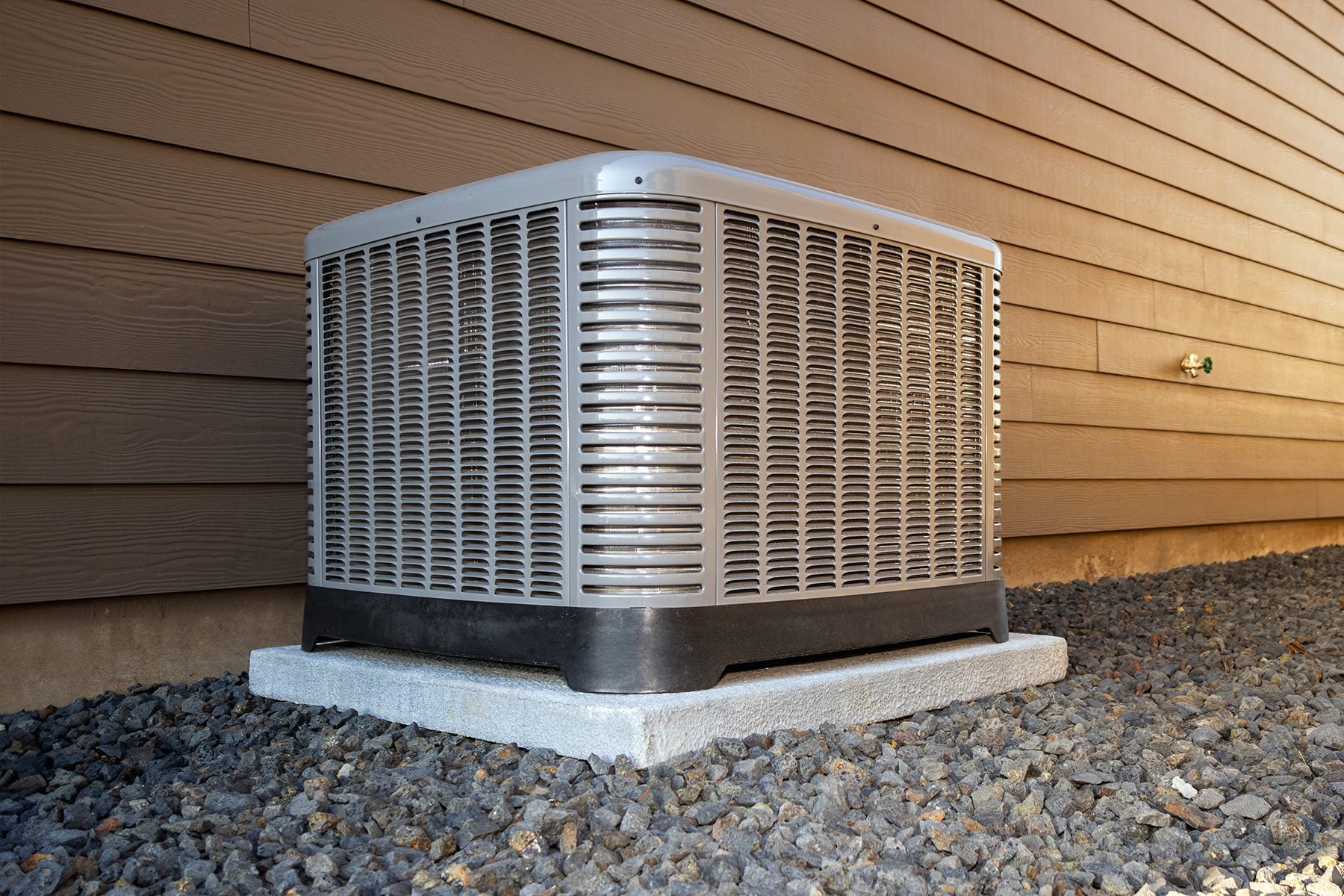
A heat pump and a furnace may sound like two heating systems comystem, however, they work like a relay team: the heat pump handles cooling and most mild-to-cool heating weather, while the furnace takes over when cold conditions or energy prices make it the better choice.
This arrangement can improve efficiency, preserve strong winter comfort, and provide fuel flexibility. It can also disappoint when the equipment is mismatched, the switchover temperature is guessed, or the ductwork is ignored. Here is what homeowners need to know before pairing a heat pump with a furnace.
What Is a Dual-Fuel HVAC System?
A dual-fuel system, also called a hybrid heating system, combines an electric air-source heat pump with a gas, propane, or oil furnace. The heat pump works as the central air conditioner in summer. In heating mode, it reverses the refrigeration cycle and moves outdoor heat into the house. The furnace creates heat by burning fuel and distributes it through the same duct system.
The two heat sources usually alternate rather than run together. During moderate weather, the thermostat calls on the heat pump. Below a programmed changeover point, the controls shut down the compressor and start the furnace. ENERGY STAR describes dual-fuel as a way to use a heat pump and a traditional furnace according to cost, conditions, and environmental goals. ow It Differs From an All-Electric Heat Pump
A conventional heat pump often relies on electric resistance strips for supplemental or emergency heat. Resistance heat turns electricity directly into heat. A heat pump instead transfers heat, allowing it to provide substantially more heating energy than the electricity it consumes under favorable conditions. Dual-fuel substitutes furnace backup for most or all resistance backup. n>
How the Heat Pump and Furnace Share the Work
During autumn, spring, and moderate winter weather, the heat pump usually carries the load. Variable-capacity models may run for long, quiet cycles, which can improve temperature consistency and filtration. As outdoor temperature falls, the house loses heat faster and the heat pump’s available capacity generally declines. The controls eventually transfer the job to the furnace, which supplies hotter air and faster recovery.
Thermal Balance Point
The thermal, or capacity, balance point is the outdoor temperature at which heat-pump output approximately equals the home’s heating requirement. Below that point, the heat pump alone may not maintain the thermostat setting.
Economic Balance Point
The economic balance point is where furnace heat becomes cheaper than heat-pump heat. It depends on electricity price, fuel price, furnace efficiency, and the heat pump’s coefficient of performance at that outdoor temperature. Because rates change, the economic balance point can move even when the equipment does not.
Why 35°F Is Not a Universal Answer
Some systems are configured to switch around 35°F to 40°F, but that is only a common starting range. A cold-climate heat pump may remain useful well below it, while an undersized unit or high electricity rate may justify an earlier handoff. The setting should reflect the home’s heat loss, manufacturer performance data, local rates, and comfort goalsnot folklore passed down by somebody who once stood near a furnace. n>
Can Any Heat Pump Be Paired With Any Furnace?
No. Heat pump furnace pairing is a system-design job, not a matter of finding two cabinets that fit in the basement. The outdoor unit, indoor coil, furnace blower, controls, refrigerant, electrical components, and airflow requirements must be compatible.
Require an AHRI-Certified Match
Ask for the AHRI Certified Reference Number covering the exact outdoor heat pump and indoor coil. The certificate verifies that the listed combination has certified performance ratings. It does not guarantee good installation, but it prevents efficiency claims based on a random equipment cocktail. heck the Furnace Blower and Coil
The furnace cabinet must accept the approved coil, and its blower must deliver required airflow in heating and cooling modes. Too much airflow can increase noise and weaken summer dehumidification. Too little can reduce capacity, raise operating pressures, and shorten equipment life. Variable-speed blowers provide more control, but only when properly configured.
Match Staging and Controls
Single-stage, two-stage, and variable-capacity equipment require different control strategies. A compatible dual-fuel thermostat or approved control board must manage compressor lockout, furnace lockout, staging, defrost calls, emergency heat, and required time delays. Premium communicating equipment may coordinate these functions well, but it can require brand-specific components. Obtain written confirmation before mixing brands or generations. onfirm Refrigerant Compatibility
New systems increasingly use lower-global-warming-potential refrigerants, including mildly flammable A2L refrigerants in equipment specifically designed for them. An older coil cannot automatically be reused. The contractor must verify refrigerant type, coil approval, line-set requirements, safety provisions, manufacturer instructions, and local code. EPA guidance warns that newer refrigerants must not be placed into systems that were not designed for them. n>
Correct Sizing Beats Brand Prestige
The first design step should be an ACCA Manual J load calculation based on climate, insulation, air leakage, windows, orientation, and other characteristics. Manual S principles and manufacturer tables then guide equipment selection. Contractors should compare heat-pump output at the local winter design temperature, not merely quote the large nominal tonnage printed on a brochure. nace sizing matters too. An oversized furnace may satisfy the thermostat quickly, shut off, and leave distant rooms behind. A variable-capacity heat pump that cannot turn down far enough may cycle during mild weather. Bigger equipment is not automatically safer; sometimes it is merely louder and more expensive.
Ductwork Is Part of the Equipment
Leaky ducts, restrictive filters, small returns, crushed flex duct, and poorly balanced branches can erase the advantages of efficient machinery. Heat pumps normally deliver gentler supply-air temperatures than furnaces and rely on adequate airflow for comfort. A quality proposal should include duct inspection, static-pressure testing, and any corrections needed to support the selected airflow. n>
Will Dual-Fuel Lower Heating Costs?
It can, but savings depend on climate, rates, fuel type, furnace efficiency, heat-pump performance, thermostat settings, and the building envelope. Dual-fuel can be especially attractive when an aging central air conditioner needs replacement but the furnace remains serviceable: selecting a compatible heat pump adds electric heating while preserving the furnace.
A Simple Cost Comparison
Compare the cost of delivering the same amount of heat. For illustration, electricity at $0.15 per kilowatt-hour and a heat pump operating at a coefficient of performance of 3 would cost about $14.65 to deliver one million Btu. Natural gas at $1.50 per therm in a 95% AFUE furnace would cost about $15.79 for the same delivered heat, excluding minor accessory loads. When colder weather reduces heat-pump performance, the advantage may move toward gas.
Use actual utility rates and manufacturer performance at several temperatures. Time-of-use pricing, propane delivery fees, solar production, and fixed gas charges can change the conclusion. A contractor who promises a precise savings percentage without examining those inputs is doing fortune-telling with a refrigerant gauge.
Main Benefits of Dual-Fuel Heating
- Efficient moderate-weather heating: The heat pump can cover many fall, spring, and mild-winter hours.
- Strong cold-weather recovery: The furnace supplies high-output heat when conditions become demanding.
- Heating and cooling in one outdoor unit: The heat pump replaces a conventional central air conditioner.
- Fuel flexibility: Controls can favor cost, capacity, emissions, or comfort.
- A practical retrofit path: A compatible, serviceable furnace may remain while an old air conditioner is replaced.
Drawbacks and Trade-Offs
Dual-fuel adds controls and operating logic. Installation may require a new coil, thermostat, wiring, line-set work, electrical upgrades, venting corrections, condensate changes, or duct repairs. Maintenance also covers two heat-producing systems: the heat pump needs clean coils, proper charge, clear airflow, and reliable defrost operation, while the furnace needs combustion, venting, drainage, and safety checks.
Dual-fuel also retains onsite combustion. Homeowners pursuing complete electrification may prefer a cold-climate heat pump designed for the full heating load. Others value furnace output during severe cold. The better choice depends on the house, climate, rates, and owner priorities.
Questions to Ask the HVAC Contractor
- Will you provide the Manual J load calculation?
- What is the heat pump’s output at 47°F, 17°F, and the local design temperature?
- What is the AHRI Certified Reference Number?
- Can the existing furnace blower meet required airflow and static pressure?
- How did you calculate the thermal and economic balance points?
- How will the controls prevent improper simultaneous operation?
- Will you test charge, airflow, static pressure, temperature rise, combustion, drainage, and defrost?
- Which incentives and warranties apply to this exact matched system?
Commissioning Turns Equipment Into a System
After installation, the contractor should verify airflow, total external static pressure, refrigerant charge, temperature split, furnace temperature rise, gas input where applicable, condensate drainage, thermostat programming, staging, lockouts, defrost response, and safety controls. ENERGY STAR emphasizes correct sizing, duct evaluation, and refrigerant charge as core elements of quality HVAC installation. homeowner should receive balance-point settings, model numbers, the AHRI certificate, warranty details, filter specifications, and a plain-English thermostat lesson. Emergency heat is a special mode, not a button to press whenever one sock feels chilly.
Real-World Experience: Lessons From Dual-Fuel Homes
The following composite experiences reflect recurring patterns in field studies, homeowner reports, and contractor guidance. They are not claims about one specific property, because homes have the inconvenient habit of being different.
Default Settings Can Waste the Opportunity
A common story begins with a new system set to switch to the furnace at 40°F. The house is comfortable, but gas use barely changes. After reviewing the heat pump’s low-temperature output and local rates, the contractor lowers the lockout. The heat pump covers more winter hours, while the furnace remains available for severe weather.
The lesson is not to lower every lockout. It is to treat factory or installer defaults as starting points. A setting that made sense under last year’s rates may not be economical after prices change.
“Cold Air” May Actually Be an Airflow Problem
Homeowners often say the heat pump does not feel as warm as the furnace. Heat-pump supply air is usually gentler, but poor comfort may come from a restrictive return, dirty filter, closed registers, or incorrect blower setup. Correcting the restriction can improve room balance and reduce unnecessary furnace calls. This is why airflow measurements belong in the commissioning report, not only in the technician’s imagination.
Oversizing Can Make Two Good Machines Behave Badly
Fear of winter sometimes produces an oversized furnace and heat pump. The furnace quickly satisfies the thermostat, shuts down, and leaves remote rooms cool. The heat pump cycles during mild weather, creating temperature swings and weaker summer humidity control. A room-by-room load calculation and equipment performance tables usually produce a quieter, steadier result.
A Simple AC Replacement May Not Be Simple
Replacing a failed air conditioner with a heat pump can be an excellent way to create dual-fuel. The surprise arrives when the existing furnace blower, indoor coil, thermostat wiring, line set, or electrical service is incompatible. Good contractors identify these issues before demolition and document the approved coil, airflow, control sequence, and refrigerant requirements.
Stable Thermostat Settings Often Work Better
Variable-capacity heat pumps tend to perform well when maintaining a steady temperature. A large nighttime setback can trigger aggressive recovery and an early furnace call. The homeowner then assumes the heat pump is weak, when the thermostat is simply responding to a sudden load. Modest setbacks often improve comfort, although the ideal strategy depends on the control system and rate plan.
Maintenance Protects the Promised Efficiency
A heat pump cannot breathe through cottonwood, snow, or a filter that has evolved into drywall. Keep the outdoor unit clear, replace filters as specified, and arrange professional checks for refrigerant, airflow, defrost, combustion, venting, and drainage. A sudden increase in furnace runtime during moderate weather, repeated icing, or frequent control alerts deserves investigation before the coldest night of the year. Field research confirms that control strategy and operating mode materially affect real-world dual-fuel performance. n>
Is Dual-Fuel Right for Your Home?
Dual-fuel is often a strong fit for homes with usable ductwork, variable winter temperatures, access to gas or propane, and a furnace worth retainingor for owners who want efficient heat-pump operation without surrendering high-output furnace heat. It is less compelling when fuel service has high fixed charges, ducts are unsuitable, the climate supports a straightforward all-electric design, or eliminating onsite combustion is the primary goal.