

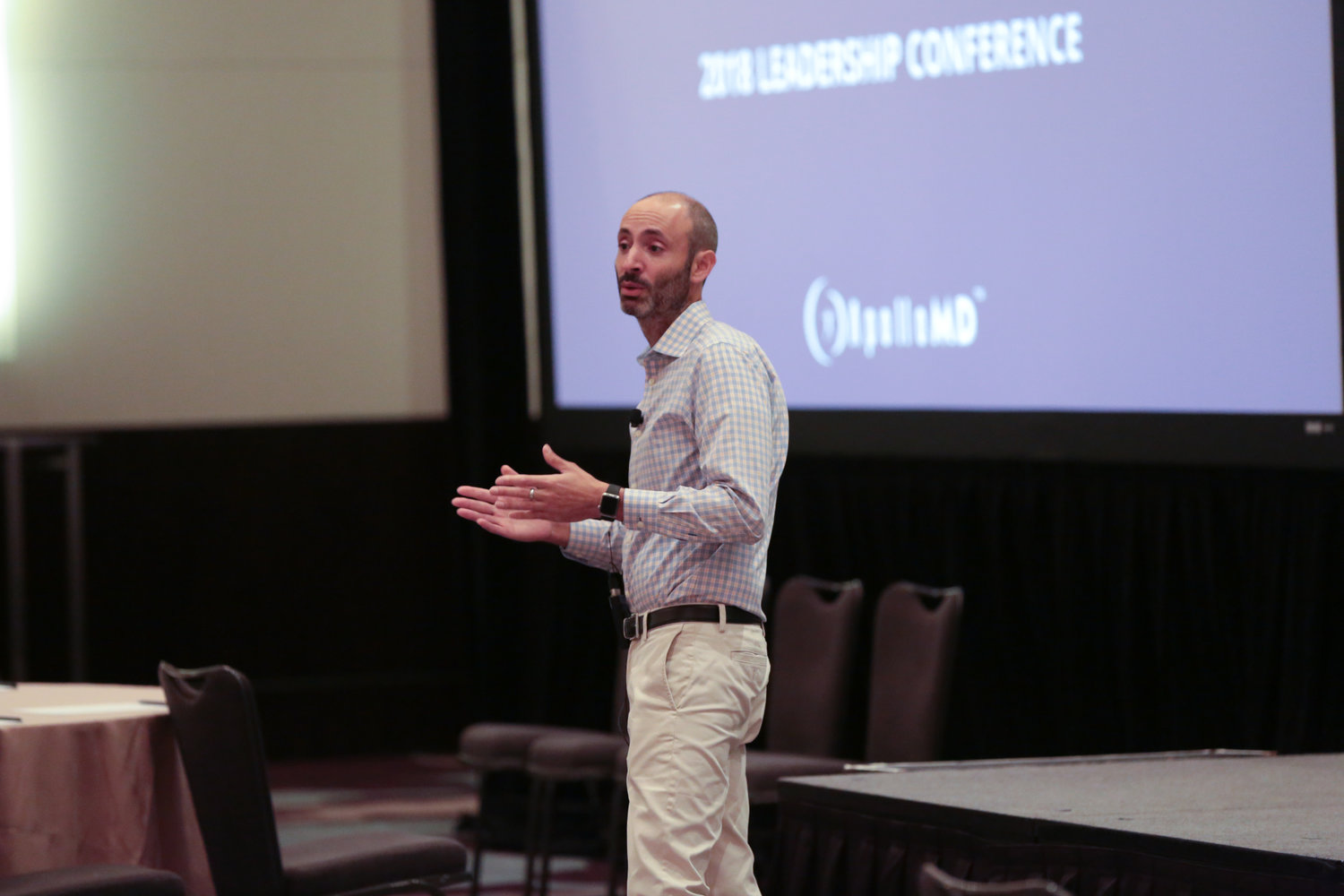
Medical conferences used to be easy to describe: a ballroom, a podium, a laser pointer, a sea of badges, and at least one person trying to balance coffee, a tote bag, and a conference program the size of a small novel. But beginning around 2019, the role of physician speakers started changing in a noticeable way. Doctors were no longer invited only to present research slides or summarize clinical guidelines. They became storytellers, technology interpreters, public health communicators, leadership coaches, patient advocates, and sometimes the only people in the room who could explain artificial intelligence without making everyone quietly check email.
The phrase “physician speakers at conferences” now covers much more than keynote lectures. It includes panel moderators, continuing medical education faculty, podcast-style interview guests, digital health demonstrators, physician entrepreneurs, health equity advocates, and clinicians sharing frontline lessons from their practices. In 2019 and beyond, physician speakers have helped medical conferences become more practical, more human, more digital, and more connected to the real pressures facing healthcare.
This shift matters because healthcare audiences are busy, skeptical, and allergic to fluff. Physicians, nurses, administrators, researchers, investors, and policymakers do not attend conferences just to hear someone say “innovation” twelve times before lunch. They want usable insights. Physician speakers are uniquely positioned to deliver them because they can connect evidence, patient care, workflow reality, and professional credibility in one voice.
The New Role of Physician Speakers in Medical Conferences
In the past, many medical conference presentations followed a familiar structure: background, methods, results, conclusion, polite applause, and a sprint to the next session. That format still has value, especially for scientific meetings. But since 2019, audiences have increasingly expected physician speakers to do more than report information. They want physicians to explain why the information matters and how it applies to daily clinical practice.
A physician speaker discussing telehealth, for example, is not simply describing a platform. They are answering practical questions: How does virtual care change patient trust? What happens to clinical decision-making when the exam room becomes a screen? How can doctors avoid turning telemedicine into “Zoom, but with blood pressure readings”? These are not abstract issues. They affect scheduling, reimbursement, access, documentation, privacy, and patient satisfaction.
The strongest physician keynote speakers now combine three abilities. First, they understand medical evidence. Second, they know the operational friction inside healthcare systems. Third, they can communicate with clarity. That final skill is becoming a conference superpower. A brilliant physician who cannot explain a concept clearly may lose the room. A physician who translates complexity into practical action can become the highlight of the event.
Why 2019 Became a Turning Point
The year 2019 sits in an interesting place in healthcare history. It came just before the COVID-19 pandemic transformed medical education, conference planning, telehealth, and public communication. But many of the trends that exploded during the pandemic were already building momentum. Digital health, physician burnout, value-based care, patient experience, artificial intelligence, diversity in medicine, and clinician leadership were already appearing across conference agendas.
Physician speakers in 2019 were often asked to make sense of fast-moving changes. Electronic health records had already changed the clinical workday. Telemedicine was no longer a futuristic concept, even if many patients and practices had not yet fully adopted it. Medical schools and professional societies were paying closer attention to diversity and inclusion. Hospitals were discussing physician wellness not as a luxury, but as a patient safety and workforce issue.
Then came 2020, and the conference world went through its own emergency room moment. In-person meetings were canceled, postponed, or moved online. Physician speakers suddenly had to present late-breaking science from home offices, spare bedrooms, and occasionally rooms where children, pets, or doorbells made surprise appearances. The disruption accelerated a new speaking style: more direct, more flexible, more digital, and often more personal.
Digital Health Took Center Stage
One of the biggest ways physician speakers are highlighting conferences is by making digital health understandable. Conferences focused on health information technology, hospital leadership, specialty medicine, and primary care increasingly feature physician speakers who can explain how digital tools affect clinical care.
Topics such as artificial intelligence, remote patient monitoring, cybersecurity, clinical decision support, digital therapeutics, and virtual care can sound intimidating. Physician speakers make them real. Instead of saying, “AI will transform healthcare,” an effective physician speaker might explain how an algorithm could help prioritize radiology images, identify patients at risk of deterioration, or reduce administrative burden. Better yet, they will also discuss limitations, bias, safety, patient trust, and the fact that no clinician wants another dashboard unless it actually helps.
Digital health sessions work best when physician speakers keep the patient in the center of the story. Technology should not be presented as shiny decoration. It should be evaluated by whether it improves access, outcomes, communication, efficiency, or the clinician’s ability to focus on care. That is where physician voices carry weight. Doctors can say, “This tool looks impressive, but here is what happens during a ten-minute visit with a patient who has five medications, two jobs, and spotty internet.” That kind of reality check is conference gold.
Physician Burnout Became a Main-Stage Topic
Another major change since 2019 is the rise of physician wellness and burnout as central conference themes. For years, burnout was often discussed quietly, as if exhaustion were a personal weakness rather than a system-level problem. That has changed. Physician speakers have helped move the conversation from vague encouragement to practical reform.
Modern conference sessions on physician burnout often address workload, administrative burden, moral distress, staffing shortages, documentation pressure, leadership culture, and the emotional weight of patient care. A physician speaker can speak credibly about these pressures because they have either experienced them directly or worked closely with clinicians who have.
The best speakers avoid turning wellness into another homework assignment for already overwhelmed doctors. Nobody needs a lecture titled “Have You Tried Being Less Tired?” Instead, strong physician speakers connect well-being to systems design. They discuss team-based care, better workflows, leadership accountability, peer support, schedule design, and reducing unnecessary clicks in the electronic health record. In other words, they treat burnout like a healthcare quality issue, not a scented-candle problem.
Storytelling Became a Clinical Leadership Tool
Physicians are trained to gather stories. Every patient history is a narrative: symptoms, timeline, context, risk, fear, and hope. Conferences have begun to value that storytelling skill more openly. A physician speaker who can share a thoughtful patient story, while protecting privacy and dignity, can make data memorable.
For example, a presentation about rural health access becomes more powerful when a physician describes what it means for a patient to drive three hours for specialty care. A talk about medication adherence becomes more useful when the speaker explains how cost, transportation, health literacy, and pharmacy access shape whether a prescription is ever filled. A lecture on health equity becomes harder to ignore when a doctor connects national statistics to the lived experiences of patients and communities.
This does not mean conferences should replace science with sentiment. The best physician speakers use storytelling to illuminate evidence, not distract from it. They help audiences remember the human reason behind the chart, the trial, the policy, or the new care model.
Health Equity and Representation Moved Forward
In 2019 and beyond, medical conferences also became more attentive to who is speaking, whose expertise is recognized, and which patient populations are being discussed. Physician speakers are increasingly highlighting health equity, diversity in medicine, social drivers of health, and culturally responsive care.
This matters because conference stages shape professional authority. When panels repeatedly feature the same narrow group of voices, conferences miss important knowledge. When physician speakers from different specialties, regions, backgrounds, and practice settings are included, the conversation becomes stronger. A rural family physician, an academic specialist, a community pediatrician, an emergency physician, and a public health doctor may see the same healthcare problem from very different angles.
Health equity is also not a side topic. It affects diagnostics, access, outcomes, trust, technology design, clinical trials, maternal health, chronic disease, and emergency care. Physician speakers help conferences connect equity to everyday decisions. They can show how inclusive communication, better data collection, community partnerships, and workforce diversity improve care.
The Rise of Hybrid and Virtual Physician Presentations
When conferences moved online, physician speakers had to learn new performance skills quickly. A stage presentation and a virtual presentation are cousins, not twins. On stage, a speaker can read body language, adjust energy, and build momentum with the room. Online, the speaker may be talking to a webcam while wondering whether anyone is still there or whether everyone has migrated emotionally to lunch.
Yet virtual conferences also created advantages. They allowed more physicians to participate without travel. They opened sessions to wider audiences. They made recorded content easier to access later. They also pushed speakers to become more concise, visual, and interactive.
Hybrid medical conferences now combine in-person energy with digital reach. Physician speakers may deliver a keynote live, join a panel remotely, record a short teaching module, participate in a virtual Q&A, or continue the conversation on social media. The result is that a conference session no longer ends when the ballroom empties. A powerful physician presentation can be clipped, shared, replayed, discussed, and used for ongoing education.
Physician Speakers as Translators of Research
One of the most valuable roles physician speakers play is translating research into practice. Medical conferences are famous for late-breaking trials, new guidelines, and specialty updates. But clinicians want to know what changes on Monday morning.
A cardiologist presenting new trial results may explain which patients are most likely to benefit, what risks should be watched, and how the findings fit with existing care pathways. An infectious disease physician may translate emerging evidence into practical testing, treatment, or prevention strategies. A primary care physician may explain how specialty recommendations work in a busy clinic where patients often have multiple conditions at once.
This translation role is especially important because healthcare information moves fast. Without clear physician interpretation, new findings can be misunderstood, overhyped, or ignored. A good conference speaker acts like a clinical GPS: “Here is where the evidence is strong, here is where it is uncertain, and here is the safest route forward.”
What Makes a Physician Speaker Stand Out?
Not every physician speaker becomes memorable. The best ones usually share several qualities. They respect the audience’s time. They organize ideas clearly. They avoid reading slides like bedtime stories for insomniacs. They use visuals thoughtfully. They explain acronyms. They make room for uncertainty. They are honest about trade-offs.
Great physician speakers also understand the difference between expertise and arrogance. Healthcare audiences appreciate confidence, but they do not need a speaker who treats the podium like a throne. The most effective speakers sound knowledgeable, curious, and grounded. They can say, “This is what we know,” and also, “This is what we still need to learn.”
Another standout quality is practical relevance. A physician speaker should leave the audience with something useful: a framework, a checklist, a clinical insight, a leadership lesson, a communication strategy, or a sharper way to evaluate new technology. Inspiration is nice. Action is better. Inspiration plus action is the conference version of finding both coffee and an open charging station.
Examples of Conference Themes Physician Speakers Are Elevating
Artificial Intelligence and Clinical Judgment
Physician speakers are helping audiences understand AI as a tool, not a magic wand. They explain where AI may support diagnosis, documentation, triage, imaging, population health, and workflow improvement. They also warn about bias, privacy, validation, liability, and overreliance. Their message is often balanced: use technology, but do not outsource clinical wisdom.
Patient Experience and Trust
Patient-centered care has become a major conference topic because healthcare is not only about treatment; it is also about communication, access, dignity, and follow-through. Physician speakers can show how trust is built in small moments: listening without rushing, explaining options clearly, respecting patient preferences, and designing systems that do not make people feel like they need a treasure map to get care.
Leadership in Complex Health Systems
Physicians are increasingly asked to lead teams, departments, quality initiatives, startups, public health efforts, and health system transformation. Conferences now feature physician leaders who discuss strategy, culture, change management, and financial realities. This is important because clinical excellence alone does not automatically prepare someone to lead a complicated organization. Leadership is a skill, not a stethoscope accessory.
Medical Education and Lifelong Learning
Continuing medical education has evolved beyond passive lectures. Physician speakers now use case-based learning, audience polling, simulation, workshops, virtual modules, and interactive discussions. The goal is not just to deliver information but to improve competence, performance, and patient outcomes.
How Conferences Can Better Use Physician Speakers
Conference organizers can get more value from physician speakers by designing sessions around audience needs rather than speaker résumés alone. A famous name may attract registrations, but a useful session keeps people engaged. Organizers should ask: What problem will this talk help solve? What should attendees be able to do differently afterward? How will the session include real-world examples?
Panels should also be carefully designed. A panel with six experts and no clear structure can turn into a polite traffic jam. Strong moderators, focused questions, diverse viewpoints, and practical takeaways make physician panels far more useful. Shorter presentations followed by discussion often work better than long slide decks.
Finally, conferences should support physician speakers with good technology, clear expectations, and formats that encourage interaction. A doctor who spends the first five minutes asking, “Can you see my screen?” is not failing as a speaker; the event design is failing them.
Experiences Related to Physician Speakers Highlighting Conferences in 2019 and Beyond
One of the most noticeable experiences from attending healthcare conferences since 2019 is that the best physician speakers create a feeling of connection before they create a feeling of instruction. They do not begin by proving how impressive they are. They begin by proving that they understand the audience’s world. A hospitalist may open with a story about managing patient flow during a difficult week. A family physician may describe the challenge of caring for three generations of one family in a single afternoon. A surgeon may talk about how teamwork, preparation, and humility matter as much as technical skill. These moments make the audience lean in because the speaker is not presenting medicine as theory. They are presenting it as lived experience.
Another experience that stands out is how physician speakers have adapted to digital platforms. In the early days of virtual conferences, some sessions felt like emergency broadcasts from the land of frozen screens. But many physicians improved quickly. They learned to use shorter segments, cleaner slides, live chat, polls, and case discussions. Some became surprisingly effective on camera because they stopped trying to imitate a ballroom lecture and started speaking directly to the viewer. The best virtual physician speakers understood that online attention is fragile. They gave audiences a reason to stay.
In hybrid conferences, physician speakers often become bridges between two audiences: the people in the room and the people watching remotely. That is not easy. In-person attendees respond with laughter, nods, and questions. Virtual attendees may respond through chat boxes, emojis, or silence that feels like outer space. Skilled speakers acknowledge both groups. They repeat questions, summarize key points, and make remote participants feel included rather than treated like they are watching through a window.
A powerful conference experience also happens when physician speakers admit uncertainty. Healthcare professionals respect honesty. When a speaker says, “The evidence is promising, but implementation is difficult,” the room usually trusts them more, not less. This is especially true for topics like AI, telehealth, burnout, and payment reform. Attendees know there are no simple fixes. They appreciate speakers who share what worked, what failed, and what they would do differently next time.
Perhaps the most valuable experience is leaving a session with language you can use immediately. A great physician speaker gives attendees phrases for difficult conversations, frameworks for decision-making, or examples that help them explain complex topics to colleagues and patients. That is when a conference becomes more than an event. It becomes a transfer of practical wisdom.
Since 2019, physician speakers have helped medical conferences become more alive, more honest, and more useful. They have highlighted not only breakthroughs in science but also the human systems required to make those breakthroughs matter. They have shown that the future of healthcare is not built by technology alone, policy alone, or research alone. It is built by people who can connect evidence to action, innovation to ethics, and clinical knowledge to human experience.
Conclusion
Physician speakers are now among the most important voices at medical conferences because they bring credibility, context, and clinical reality to the stage. From 2019 onward, their role has expanded as healthcare has faced digital transformation, workforce strain, virtual education, patient-centered redesign, and rising expectations for equity and transparency.
The conferences that stand out are the ones that use physician speakers not as decorative experts but as guides. These doctors help audiences understand what is changing, why it matters, and how to respond. Whether they are speaking about AI, burnout, telehealth, leadership, medical education, or patient trust, physician speakers make conferences more relevant to the real work of healthcare.
And yes, there will still be conference coffee, crowded exhibit halls, and someone asking a “quick question” that turns into a five-minute monologue. Some traditions are apparently immortal. But the best physician speakers are proving that medical conferences can be more than annual gatherings. They can be engines of learning, connection, and meaningful change.