

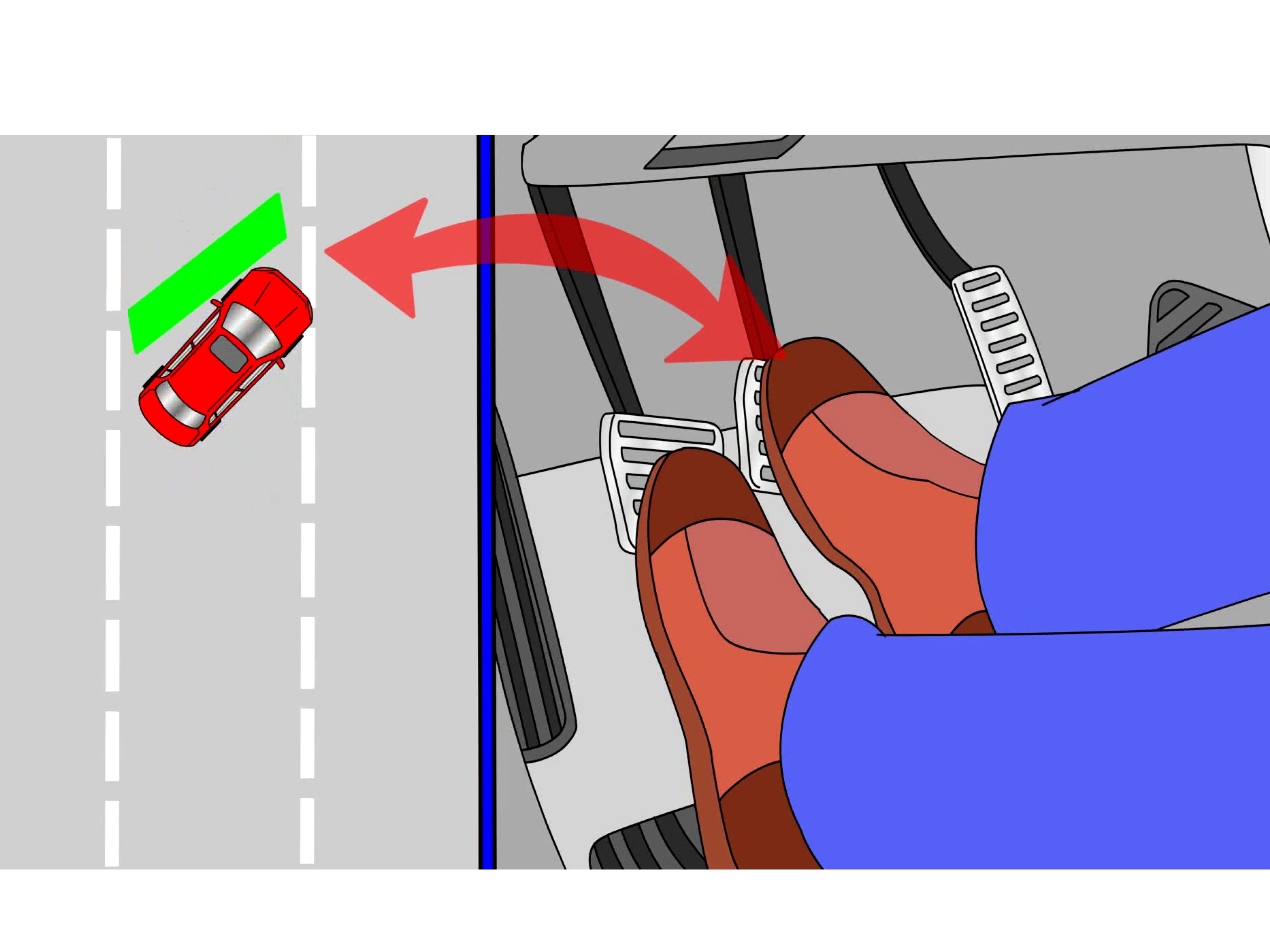
Note: This article is for safe-driving education only. Practice emergency braking only in a legal, empty, supervised training areanot on public roads, not in traffic, and definitely not because someone in the passenger seat yelled, “Let’s see what this thing can do.”
Stopping a car quickly sounds simple: press the brake pedal, stop the car, become a responsible legend. In real life, the shortest stopping distance depends on far more than foot pressure. It involves speed, tires, road surface, reaction time, vehicle condition, anti-lock braking systems, driver focus, and a calm brain that does not immediately turn into mashed potatoes when a hazard appears.
The good news? Most modern cars are designed to help you stop safely, especially if they have ABS, electronic stability control, and automatic emergency braking. The bad news? None of those systems can defeat physics. A car traveling fast needs more distance to stop, worn tires need more distance on wet pavement, and a distracted driver wastes precious feet before the brakes even begin working.
This guide explains how to brake and stop a car in the shortest distance using nine practical steps. It blends real safe-driving principles with everyday examples, so you can understand not just what to do, but why it works.
Why Short Stopping Distance Matters
A short stopping distance can be the difference between a close call and a collision. But “stopping distance” is not only the distance your car travels after you hit the brake pedal. It includes three major parts: perception distance, reaction distance, and braking distance.
Perception distance is how far your car travels while your brain recognizes a hazard. Reaction distance is how far your car continues moving while your foot moves to the brake. Braking distance is how far the vehicle travels after the brakes are applied until the car stops.
In other words, the shortest stop begins before your foot touches the pedal. It starts with attention, proper spacing, and driving at a speed that matches the road. A superhero-level brake pedal stomp will not save you if you were tailgating, texting, or driving too fast for rain-soaked pavement.
Step 1: Look Far Ahead and Identify Hazards Early
The fastest stop is the one you start early. Keep your eyes moving and scan 12 to 15 seconds ahead when possible. Watch brake lights, intersections, pedestrians, cyclists, animals, road debris, traffic backups, and drivers who appear unpredictable. Yes, that includes the person drifting between lanes like their steering wheel is optional.
Early hazard detection gives you more time to brake smoothly or avoid a panic stop altogether. If traffic ahead begins bunching up, take your foot off the accelerator immediately. This small action starts slowing the car before you even apply the brake.
Example
You are driving 45 mph and notice several cars ahead suddenly tapping their brakes. If you wait until the car directly in front of you stops, you may need emergency braking. If you notice the traffic wave early, you can ease off the gas, cover the brake, and reduce speed before the situation becomes dramatic.
Step 2: Keep a Safe Following Distance
Following too closely is one of the biggest enemies of short, safe stops. Use at least a three-second following distance in good conditions. Pick a fixed object, such as a sign or shadow. When the car ahead passes it, count “one-thousand-one, one-thousand-two, one-thousand-three.” If you reach the object before finishing the count, you are too close.
Increase that distance in rain, snow, fog, darkness, heavy traffic, construction zones, or when following motorcycles, trucks, buses, or vehicles carrying loads. Bigger gaps are not wasted space. They are your emergency savings account, except instead of money, you are saving bumper, hood, headlights, and dignity.
A safe following distance reduces the need for extreme braking. It also gives drivers behind you more time to react when you slow down.
Step 3: Remove Distractions Before They Steal Your Reaction Time
Reaction time matters. Even a one-second delay can add a surprising amount of distance before braking begins. At highway speed, your vehicle can travel dozens of feet in a single second. That is why phones, food, complicated dashboard menus, loud arguments, and “just changing the playlist real quick” can become dangerous.
Before driving, set your navigation, adjust mirrors, choose music, secure loose items, and silence distracting notifications. Keep both hands available and your right foot ready to move from accelerator to brake. The goal is not to drive like a nervous statue; it is to reduce anything that slows your response.
Step 4: Know Whether Your Car Has ABS
Most modern cars have an anti-lock braking system, commonly called ABS. ABS helps prevent wheel lockup during hard braking, allowing you to keep steering control while applying heavy brake pressure. This is important because locked wheels can slide, and sliding tires are not as useful as rolling tires with grip.
If your car has ABS and you need to stop in the shortest distance during an emergency, press the brake pedal firmly and continuously. Do not pump the brakes. The system may pulse, vibrate, or make a grinding or buzzing sound. That can feel strange, but it usually means the system is working. Keep pressing and steer where you need the car to go.
If your car does not have ABS, emergency braking requires more finesse. Press the brake firmly but avoid locking the wheels. If the wheels lock and the car skids, slightly ease off the brake until the tires regain grip, then reapply pressure. This is often called threshold braking. It should be learned with professional instruction or in a proper driver training environment.
Step 5: Brake Firmly, Smoothly, and Immediately in an Emergency
When a true emergency appears, do not tap politely on the brake pedal like you are asking the car for a favor. Move your foot quickly from the accelerator to the brake and apply firm, strong pressure. In an ABS-equipped car, press hard and hold. The car’s systems are designed to manage brake pressure better than a panicked human foot doing interpretive dance.
Keep your heel planted if possible and use the ball of your foot for pedal control. Sit close enough that you can fully press the brake without stretching your leg. Your knee should remain slightly bent when the brake is fully depressed. A poor seating position can reduce braking force and control.
During hard braking, look where you want the car to go. Do not stare at the obstacle. Drivers tend to steer toward what they stare at, which is helpful when aiming for a driveway and less helpful when aiming at the bumper of a stopped SUV.
Step 6: Steer Only as Much as Necessary
Braking and steering both require tire grip. Your tires have a limited amount of traction to share between slowing down and changing direction. If you brake hard and yank the wheel sharply, you may overload the tires and lose control.
In an emergency, first brake firmly. If you must steer around a hazard, steer smoothly and only as much as needed. ABS helps you keep steering ability under hard braking, but it does not give your tires magical powers. Avoid sudden swerves unless they are necessary to prevent a crash.
Modern stability control systems can help correct skids, but they work best when the driver makes smooth, reasonable inputs. Think of the steering wheel as a precision tool, not a panic handle.
Step 7: Adjust Braking for Rain, Snow, Gravel, and Hills
The shortest stopping distance changes with the road surface. Dry pavement provides more grip than wet pavement. Snow, ice, loose gravel, mud, and leaves reduce traction dramatically. Painted lines, metal plates, bridge decks, and oil patches can also become slippery, especially when wet.
In poor conditions, the best way to stop shorter is to drive slower before you need to stop. Brake earlier, increase following distance, and avoid sudden pedal or steering inputs. On long downhill roads, use lower gears when appropriate to help control speed, but do not rely only on engine braking. Your service brakes still do the main stopping work.
In rain, worn tires are a major problem because tread helps move water away from the contact patch. When tires cannot clear water, the vehicle may hydroplane, meaning the tires ride on top of water instead of gripping the road. At that point, braking distance becomes much longer and steering control drops sharply.
Step 8: Maintain Tires, Brakes, and Suspension
You cannot get the shortest stopping distance from a neglected vehicle. Tires are the only parts of your car that touch the road, so they deserve more attention than most drivers give them. Check tire pressure at least monthly and before long trips. Use the pressure listed on the driver’s door placard, not the maximum number printed on the tire sidewall.
Check tread depth regularly. Tires at the legal minimum may still perform poorly in wet conditions compared with newer tires. Replace damaged, aged, unevenly worn, or low-tread tires. Rotate tires as recommended and keep the vehicle aligned so the contact patches stay consistent.
Brake maintenance matters too. Squealing, grinding, vibration, pulling to one side, a soft brake pedal, or a warning light should be inspected promptly. Worn pads, bad rotors, old brake fluid, failing calipers, or weak tires can all increase stopping distance. Suspension problems can also reduce braking performance because weight transfer becomes harder to control.
Step 9: Practice Safe Emergency Braking the Right Way
Reading about emergency braking is useful, but safe practice builds confidence. The key word is safe. Practice only in a legal, empty area with permission, plenty of space, no pedestrians, no traffic, and ideally with a qualified instructor. A driver education course or defensive driving school is the best option.
Start at low speeds. Learn how your brake pedal feels during firm braking. If your car has ABS, experience the pedal pulsing so it does not surprise you later. Practice keeping your eyes up and steering smoothly. Never practice sudden stops on public roads for fun, social media, dares, or because your friend wants to test whether the fries will fly out of the bag. They will. The fries always lose.
Common Mistakes That Increase Stopping Distance
Pumping the Brake Pedal With ABS
Older advice often told drivers to pump the brakes during a skid. With ABS, that is usually wrong. Pumping can reduce braking effectiveness because the system already pulses brake pressure automatically. Press firmly and hold.
Tailgating
Following too closely removes your reaction space. Even excellent brakes cannot overcome a gap that is too small.
Driving Too Fast for Conditions
The faster you go, the longer it takes to stop. Wet, icy, dark, or crowded roads demand lower speeds. Speed is not just a number on the dashboard; it is stored energy waiting to become a problem.
Ignoring Tire Condition
Low tread, wrong pressure, mismatched tires, and old rubber can all reduce grip. A powerful brake system still depends on tires to turn braking force into stopping force.
Staring at the Hazard
Look toward your safe path, not at the object you want to avoid. Your hands often follow your eyes.
How Automatic Emergency Braking Helps
Automatic emergency braking, or AEB, uses sensors and cameras to detect possible collisions and may apply the brakes if the driver does not react in time. It can reduce crash risk, especially in rear-end situations. However, AEB is not a replacement for attention, proper following distance, or good braking technique.
Weather, dirty sensors, poor visibility, unusual road situations, and system limitations can affect performance. Treat AEB like a helpful backup singer, not the lead vocalist. You are still responsible for the main performance.
Emergency Braking in Real-Life Situations
When Traffic Stops Suddenly
Brake firmly, keep the wheel straight if possible, and check your mirrors only if time allows. Do not swerve into another lane unless you know it is clear. A controlled hard stop is usually safer than a blind lane change.
When a Pedestrian Steps Out
Brake hard immediately. Look for a safe escape path only if stopping alone is not enough. Avoid overcorrecting, especially near sidewalks, bike lanes, or opposing traffic.
When an Animal Runs Across the Road
Brake firmly and keep control. Swerving at speed can create a worse crash, especially with oncoming traffic, trees, poles, or ditches nearby. For small animals, controlled braking is usually safer than a sharp swerve.
When the Road Is Wet
Reduce speed before trouble appears. Brake earlier than usual and avoid sudden steering. If ABS activates, keep steady pressure. If hydroplaning occurs, ease off the accelerator, keep the wheel pointed where you want to go, and avoid sudden braking until grip returns.
Experience-Based Tips for Stopping a Car in the Shortest Distance
One of the most useful lessons drivers learn is that emergency braking feels different from normal braking. In everyday driving, most people brake gently. They roll up to stop signs, ease into parking spots, and slow down with plenty of room. Then, when a real hazard appears, they may hesitate because pressing the brake pedal hard feels aggressive or uncomfortable. That hesitation costs distance.
A good experience-based habit is to “cover the brake” when risk increases. This means moving your foot off the accelerator and holding it over the brake pedal without pressing it yet. Do this when approaching a busy intersection, passing parked cars, seeing children near the road, driving beside a cyclist, or noticing brake lights ahead. Covering the brake can reduce reaction time because your foot has a shorter trip to make.
Another practical lesson is that smooth drivers often stop shorter than dramatic drivers. Panic makes people stab the brake, jerk the wheel, release the pedal, then stomp again. The car responds better to decisive but controlled inputs. Firm brake pressure, eyes up, shoulders relaxed, and steady steering usually beat chaos. Calm is not just a mood; it is a driving technique.
Drivers also learn that the road surface can change within a few feet. A lane may be dry, then suddenly slick under trees, near sprinklers, on a bridge, or at an intersection where oil and rubber collect. After the first rain in a while, roads can be especially slippery because water mixes with oil and grime. In those conditions, the smartest braking strategy happens before the emergency: slow down, create space, and assume you have less grip than usual.
Vehicle load matters too. A car full of passengers, luggage, sports gear, or tools may take longer to stop than the same car with only the driver. Extra weight changes how the vehicle responds. If you are carrying a heavy load, increase following distance and brake earlier. The car may still feel normal while cruising, but braking reveals the difference.
Experience also teaches humility. Some drivers believe a sporty car, expensive tires, or advanced safety technology makes them immune to long stopping distances. That confidence can be dangerous. Even excellent brakes cannot create grip where there is none. Even new tires need space. Even AEB may not catch every situation. The best drivers use technology as support, not permission to follow closely or drive too fast.
A final tip: pay attention to how your brakes feel every day. If the pedal suddenly feels softer, the car pulls during braking, the steering wheel shakes, or the stopping distance seems longer, do not ignore it. Small changes can signal maintenance problems. Getting them checked early is cheaper than discovering them during an emergency stop when your heart is already trying to exit through your hoodie.
In the end, stopping in the shortest distance is not about one heroic pedal stomp. It is a chain of smart choices: look ahead, leave space, stay focused, maintain your tires, understand ABS, brake firmly, and adjust for conditions. Do those things consistently, and you give yourself the best chance to stop quickly, safely, and with all snacks remaining mostly where they belong.
Conclusion
Learning how to brake and stop a car in the shortest distance is really learning how to manage time, traction, and attention. The brake pedal is important, but it is only one part of the system. Your eyes start the stop. Your brain decides early. Your foot applies the pressure. Your tires turn that pressure into grip. Your vehicle’s safety systems help maintain control. When all of those pieces work together, you get the shortest practical stopping distance in the safest way.
The simplest formula is also the most effective: drive at a reasonable speed, leave enough room, stay alert, keep your tires and brakes in good condition, and know how your car behaves under hard braking. Emergency stopping should never be treated like a stunt. It is a serious skill, and when used correctly, it can protect you, your passengers, and everyone else sharing the road.