

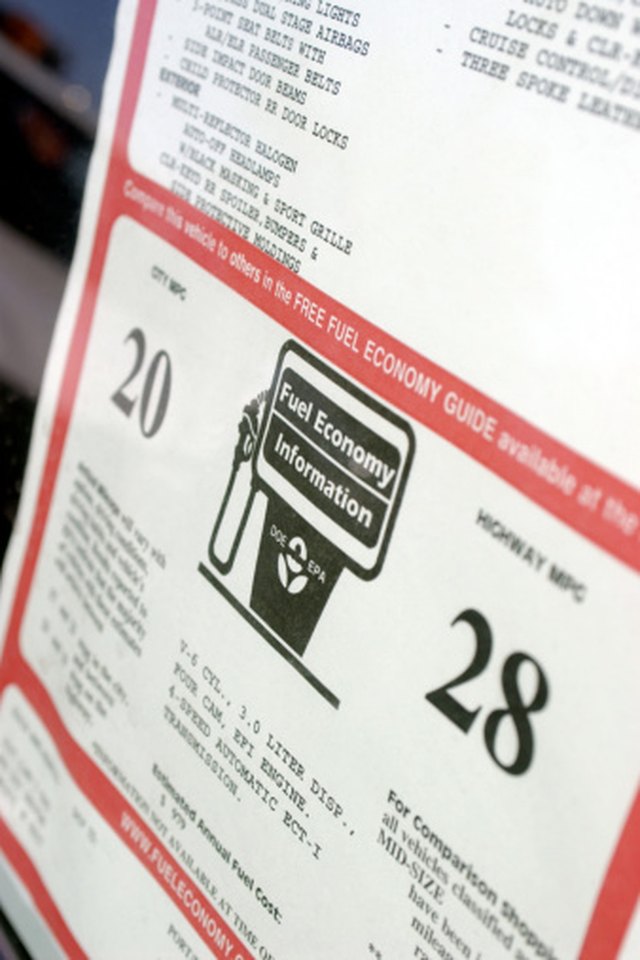
Note: This article is written for web publishing, uses standard American English, and keeps source-link clutter out of the body content while relying on real automotive repair and fuel-economy information.
Yes, a vacuum leak can cause bad gas mileage. It can also cause rough idle, hesitation, stalling, a check engine light, and that mysterious “why is my car suddenly drinking fuel like it found a gas station loyalty card?” feeling. A vacuum leak allows extra, unmeasured air to enter the engine. That extra air throws off the air-fuel mixture, and the engine computer may respond by adding more fuel to correct what it sees as a lean condition.
The tricky part is that a vacuum leak does not always look dramatic. Your car may still start, drive, and get you to work without sounding like a tractor auditioning for a farm commercial. But behind the scenes, the engine may be adjusting fuel trim, working harder at idle, misfiring slightly, or wasting fuel because the air entering the intake system is not being measured correctly.
So, will a vacuum leak cause poor fuel economy? Absolutely. Is it the only possible cause? Not even close. Bad oxygen sensors, dirty mass airflow sensors, worn spark plugs, low tire pressure, dragging brakes, bad PCV valves, and driving habits can all sabotage MPG too. The goal is not to blame the first hose you see. The goal is to understand how a vacuum leak affects gas mileage, spot the symptoms, and diagnose the problem without turning your engine bay into a guessing game with rubber hoses.
What Is a Vacuum Leak?
An engine vacuum leak happens when air enters the intake system through a place it should not. In a healthy engine, air is supposed to pass through the intake path where sensors can measure it. On many modern cars, the mass airflow sensor or manifold absolute pressure sensor helps the engine computer calculate how much fuel to inject. When air sneaks in through a cracked hose, damaged intake gasket, leaking PCV connection, or loose throttle body seal, the computer may not properly account for it.
Think of it like baking cookies. The recipe says two cups of flour, but someone secretly dumps in another half cup when you are not looking. The cookies come out weird, and everyone blames the oven. A vacuum leak does the same thing to your engine’s recipe. The engine expected one amount of air, received more, and now the fuel calculation is off.
Vacuum leaks are most noticeable at idle because the throttle plate is mostly closed and engine vacuum is high. A small leak can have a bigger impact when the engine is trying to maintain a smooth idle. At higher speeds, the leak may become less obvious because the engine is already moving much more air through the intake.
How a Vacuum Leak Causes Bad Gas Mileage
1. Extra Air Creates a Lean Mixture
A gasoline engine works best when air and fuel are mixed in the right proportion. When unmetered air enters through a vacuum leak, the mixture can become lean, meaning there is too much air and not enough fuel. A lean mixture can cause rough running, hesitation, misfires, and poor combustion efficiency.
At first, it may seem like more air and less fuel should improve MPG. In real life, uncontrolled air is not the same as efficient combustion. Your engine does not want surprise air. It wants measured air. A vacuum leak is not a performance upgrade; it is a tiny chaos machine attached to your intake system.
2. The Engine Computer May Add More Fuel
Modern vehicles use oxygen sensors and fuel trim adjustments to keep the air-fuel mixture in line. If oxygen sensors detect a lean condition, the powertrain control module may increase fuel delivery. This correction is called positive fuel trim. In small amounts, fuel trim is normal. But when a vacuum leak forces fuel trims unusually high, the engine may burn more gas than it should.
This is why a vacuum leak can cause bad gas mileage even though the original problem is “too much air.” The computer sees the lean condition and tries to compensate by adding fuel. The result can be higher fuel consumption, poor throttle response, and sometimes a check engine light with lean codes such as P0171 or P0174.
3. Misfires Waste Fuel
A vacuum leak can also lead to misfires, especially at idle or low speeds. When combustion is inconsistent, fuel is not used efficiently. The engine may shake, stumble, or feel weak when accelerating. In some cases, unburned fuel can reach the exhaust system, which is not good news for oxygen sensors or the catalytic converter.
Even if the misfire is mild, the driver may press the accelerator harder to get the same response. That extra throttle demand can quietly lower MPG. The car may still move, but it is working like someone trying to jog while breathing through a coffee stirrer.
4. Idle Speed May Increase
Some vacuum leaks cause a high or unstable idle. A higher-than-normal idle burns more fuel while the car is sitting still. It may not seem like much, but city driving involves plenty of stoplights, drive-through lines, parking lots, and “I swear this train was not here yesterday” moments. If the engine is idling too high during all of that, fuel economy can suffer.
Common Symptoms of a Vacuum Leak
Bad gas mileage may be the symptom that gets your attention, but a vacuum leak usually brings friends. Watch for these signs:
- Noticeable drop in MPG
- Rough or unstable idle
- High idle RPM
- Engine hesitation during acceleration
- Stalling at stops
- Check engine light
- Lean trouble codes such as P0171 or P0174
- Hissing or whistling sound from the engine bay
- Hard starting, especially when cold
- Reduced engine power
A vacuum leak can mimic other problems, which is why proper diagnosis matters. A dirty mass airflow sensor, weak fuel pump, clogged fuel injector, bad oxygen sensor, or worn spark plugs can create similar symptoms. Replacing random parts may eventually fix the problem, but so can accidentally throwing darts at a repair invoice. Diagnosis is cheaper than guessing.
Where Vacuum Leaks Commonly Happen
Vacuum leaks usually come from rubber, plastic, gaskets, or valves that age, crack, loosen, or fail. Heat is the enemy here. Engine bays get hot, hoses get brittle, plastic fittings weaken, and gaskets flatten over time.
Vacuum Hoses
Vacuum hoses are among the most common leak points. They can crack, split, collapse, or disconnect. A small crack may only open when the engine moves or when the hose gets warm, making the problem intermittent and extra annoying.
Intake Manifold Gasket
The intake manifold gasket seals the connection between the intake manifold and the engine. If it leaks, unmetered air can enter near one or more cylinders. This can cause lean codes, rough idle, and bad gas mileage. On some engines, intake gasket leaks are common as the vehicle ages.
Throttle Body Gasket
The throttle body controls airflow into the engine. If the gasket around it leaks, the engine may receive air that bypasses normal measurement or control. The result can be unstable idle, hesitation, or fuel trim problems.
PCV Valve and PCV Hose
The positive crankcase ventilation system routes crankcase vapors back into the intake to be burned. A stuck PCV valve, cracked PCV hose, or loose connection can behave like a vacuum leak. It may also create oil consumption issues, rough idle, or increased emissions.
Brake Booster Hose
The brake booster often uses engine vacuum to assist braking. A leaking booster hose can create a significant vacuum leak. If you notice a hard brake pedal along with rough idle or poor fuel economy, do not ignore it.
EVAP Purge Valve
The evaporative emissions system controls fuel vapor from the fuel tank. If the purge valve sticks open, it can allow unwanted airflow or vapor flow into the intake at the wrong time. That can cause rough idle, starting trouble, fuel trim issues, and poor gas mileage.
How Much Can a Vacuum Leak Affect MPG?
The MPG loss depends on the size and location of the leak, the vehicle’s fuel control system, and how long the problem has been happening. A tiny leak may cause only a small fuel economy drop. A larger leak can make the engine run poorly enough that fuel mileage falls noticeably.
For example, imagine a compact car that normally gets 30 MPG but suddenly drops to 25 MPG. That does not automatically prove a vacuum leak, but if the car also has rough idle, positive fuel trims, and a lean code, a vacuum leak becomes a strong suspect. On a truck or SUV, the percentage drop may feel even more expensive because every MPG matters when the tank is large enough to make your wallet whisper, “Please be gentle.”
Vacuum leaks can also indirectly reduce MPG by causing the driver to compensate. If acceleration feels weak, you may press the pedal harder. If the idle is unstable, the engine may run richer during correction. If misfires occur, fuel is wasted. The leak itself is only part of the story; the engine’s response to the leak is where fuel economy often takes the hit.
Vacuum Leak vs. Other Causes of Bad Gas Mileage
Because many issues can reduce fuel economy, it helps to compare symptoms. A vacuum leak often shows up with idle problems and lean codes. Other MPG problems may have different clues.
| Possible Cause | Common Clues | How It Affects MPG |
|---|---|---|
| Vacuum leak | Rough idle, hissing sound, lean codes, high fuel trims | Creates unmetered air and may cause the computer to add fuel |
| Bad oxygen sensor | Check engine light, poor fuel control, sluggish response | May send inaccurate mixture data and cause excess fuel use |
| Dirty mass airflow sensor | Hesitation, rough running, poor acceleration | Incorrect air measurement leads to incorrect fuel delivery |
| Worn spark plugs | Misfires, hard starting, weak acceleration | Poor combustion wastes fuel |
| Low tire pressure | Sluggish feel, uneven tire wear | Increases rolling resistance |
| Dragging brakes | Hot wheel, burning smell, car feels held back | Engine works harder to move the vehicle |
This is why the best answer to “Will a vacuum leak cause bad gas mileage?” is yes, but with an asterisk the size of a mechanic’s toolbox. It can, but it should be confirmed with symptoms, scan data, and inspection.
How to Diagnose a Vacuum Leak Without Guessing
Start With the Check Engine Light
If the check engine light is on, scan the codes. Lean codes such as P0171 and P0174 often point toward unmetered air, fuel delivery problems, or sensor issues. Codes do not tell you exactly which part to replace, but they do tell you where to begin the investigation.
Look at Fuel Trim Data
A basic code reader may show stored trouble codes, but live data is more useful. Short-term fuel trim and long-term fuel trim show how much the computer is adjusting fuel delivery. A vacuum leak often causes positive fuel trims, especially at idle. If trims improve as RPM increases, that pattern can support the vacuum leak theory.
Listen for Hissing
A noticeable hissing or whistling sound near the intake area can be a clue. Not every leak is loud, and not every hiss is a vacuum leak, but sound can help locate the general area.
Inspect Hoses and Connections
With the engine off and cool, visually inspect vacuum hoses, PCV hoses, intake ducts, and plastic fittings. Look for cracks, loose clamps, disconnected lines, oil-softened rubber, or brittle elbows. Pay attention to areas near the throttle body, intake manifold, brake booster, and PCV system.
Use a Professional Smoke Test
A smoke test is one of the most effective ways to find a vacuum leak. A technician introduces smoke into the intake system and watches where it escapes. This can reveal leaks that are almost impossible to find by sight alone. For many vehicles, paying for a proper diagnosis is cheaper than replacing parts based on internet vibes and emotional damage.
Can You Drive With a Vacuum Leak?
You may be able to drive with a small vacuum leak for a short time, but it is not something to ignore. A vacuum leak can cause poor fuel economy, rough idle, stalling, overheating risk in certain lean conditions, and potential damage to emissions components if misfires or incorrect fuel control continue. If the vehicle stalls, misfires badly, smells unusual, or has reduced braking assist, it should be inspected promptly.
A small hose leak may be inexpensive to fix. A neglected leak can become expensive if it contributes to catalytic converter damage, sensor failure, or repeated misfires. In car repair, small problems love to invite larger problems over for dinner.
How Much Does It Cost to Fix a Vacuum Leak?
Repair cost depends on the leak location. A cracked vacuum hose may be a low-cost repair. A leaking intake manifold gasket can cost more because it requires more labor. A faulty brake booster, purge valve, or plastic intake component may fall somewhere in between depending on the vehicle.
The most important cost-saving step is accurate diagnosis. Replacing spark plugs, oxygen sensors, and the mass airflow sensor will not fix a cracked hose. Likewise, replacing vacuum hoses will not fix low tire pressure or dragging brakes. A good technician will confirm the cause before installing parts.
How to Prevent Vacuum Leaks and Protect Fuel Economy
You cannot prevent every vacuum leak, but regular maintenance helps. Inspect hoses during oil changes, replace brittle rubber before it fails, keep the PCV system in good condition, and address check engine lights early. If you notice a sudden drop in gas mileage, do not wait months hoping the car will “work through its feelings.” Cars do not heal. They invoice.
Also remember that fuel economy is a full-vehicle issue. Keep tires properly inflated, follow the maintenance schedule, use the correct oil, replace worn spark plugs, and fix sensor problems quickly. A vacuum leak may be the villain today, but MPG is a team sport.
Real-World Experiences: What Vacuum Leak MPG Problems Feel Like
One common experience starts with a small but annoying change: the car still drives, but the fuel gauge seems to fall faster than usual. The owner may first blame traffic, weather, fuel quality, or the mysterious law of “gas disappears faster when payday is far away.” Then the idle begins to feel uneven at stoplights. The tachometer needle may flutter slightly. Sometimes the engine starts fine but stumbles for a few seconds when cold. Eventually, the check engine light appears with a lean code.
In this situation, a cracked vacuum hose can be the hidden troublemaker. The hose may look fine from above, but when bent slightly, a split appears underneath. The engine computer sees extra oxygen in the exhaust and adds fuel to compensate. The driver sees the MPG drop and wonders why the car is suddenly acting like a teenager with a debit card at a snack machine.
Another experience involves a leaking intake manifold gasket. This can be more frustrating because it may not create an obvious hissing sound. The car may idle roughly when cold, then smooth out as the engine warms. Fuel trims may be high at idle but closer to normal while cruising. The driver might replace spark plugs or clean the throttle body before discovering the actual leak. Once repaired, idle quality improves, the check engine light stays off, and gas mileage returns closer to normal.
A third example involves the PCV system. A failing PCV valve or cracked PCV hose can act like a vacuum leak while also causing oil-related symptoms. The engine may idle poorly, fuel economy may drop, and the intake area may develop oily residue. Because PCV parts are not always front-and-center, they are easy to overlook. Yet on many vehicles, a small PCV leak can create exactly the kind of lean condition that leads to extra fuel correction.
Drivers often describe vacuum leak problems as “the car feels weak but not broken.” That description is useful. A severe ignition problem may feel violent. A dead fuel pump may stop the vehicle completely. A vacuum leak can be sneaky. It may create just enough imbalance to reduce MPG, make the idle rough, and cause hesitation without making the vehicle undrivable. That is why scan data, visual inspection, and smoke testing matter.
The best lesson from real-world cases is simple: do not chase bad gas mileage with random parts. Start with symptoms. Check for codes. Look at fuel trims. Inspect the air intake and vacuum system. Confirm the leak before replacing components. When the actual leak is fixed, the improvement can be surprisingly satisfying. The engine idles smoother, throttle response feels cleaner, and the gas gauge stops behaving like it has somewhere better to be.
Final Thoughts
A vacuum leak can absolutely cause bad gas mileage. It does this by allowing unmetered air into the engine, upsetting the air-fuel mixture, forcing fuel trim corrections, and sometimes causing misfires or high idle. The result may be poor fuel economy, rough idle, hesitation, stalling, and a check engine light.
However, bad gas mileage is not proof of a vacuum leak by itself. The smart approach is to look for supporting clues: lean codes, positive fuel trims, hissing sounds, cracked hoses, and idle problems. If the leak is not obvious, a professional smoke test can save time and money. Fixing a vacuum leak early can restore performance, protect emissions components, and make your fuel budget feel slightly less attacked.
In short, if your car has poor MPG plus rough idle or lean codes, a vacuum leak deserves a prime spot on the suspect list. It may be small, but in an engine that depends on precision, even a tiny leak can make a big mess.