

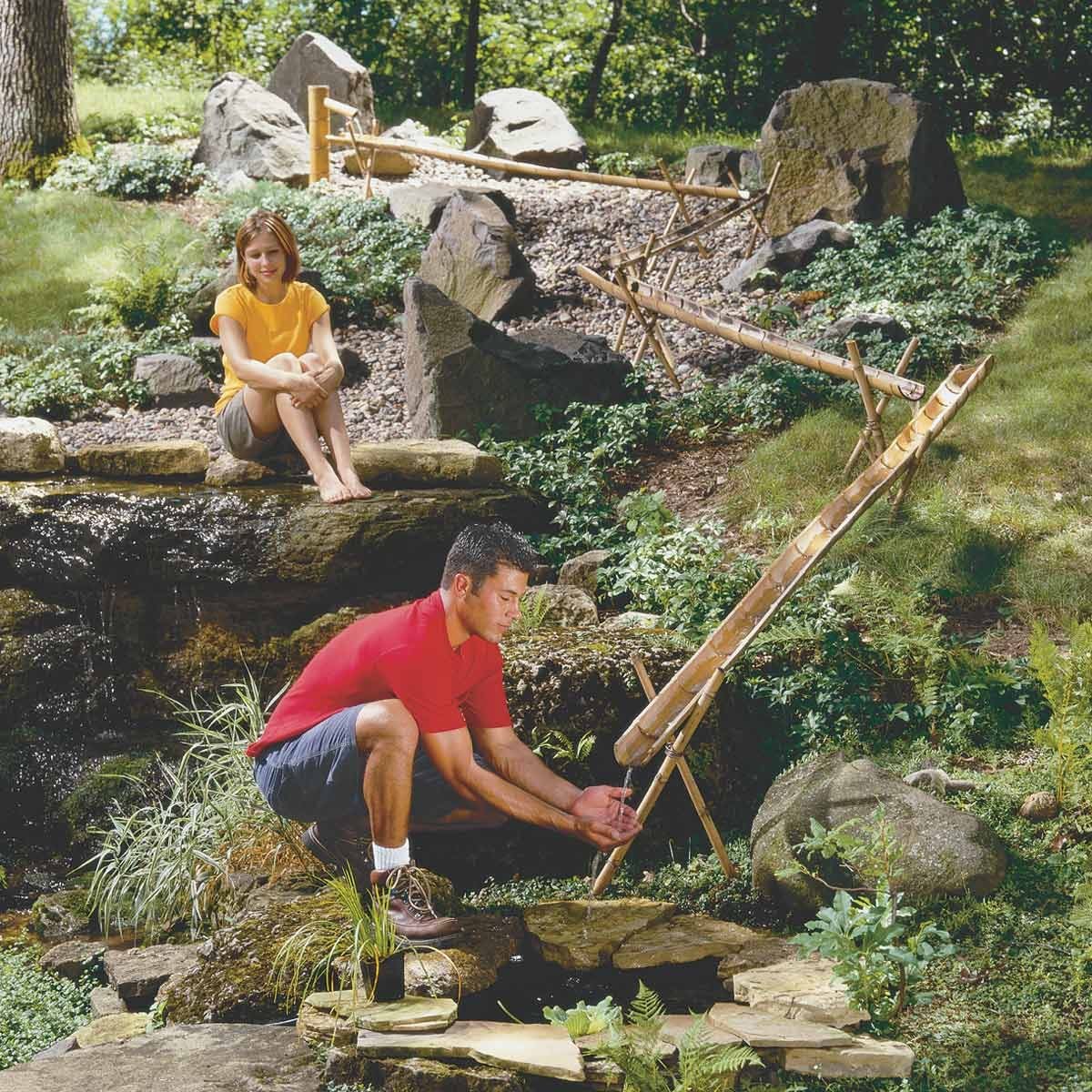
A bamboo water feature is one of those backyard projects that looks fancy enough to make neighbors slow down during their evening walk, yet it is surprisingly doable with basic tools, a small pump, and one free weekend. You do not need a koi pond, a landscaping crew, or a secret inheritance from a Zen monastery. You need a container, bamboo, water, tubing, and a recirculating pump that politely does the same job all day without complaining.
This DIY bamboo water feature guide walks you through building a compact, recirculating fountain with a bamboo spout. The design works for a patio, balcony, garden corner, entryway, courtyard, or small backyard retreat. It borrows inspiration from Japanese garden fountains, especially the calm visual rhythm of a bamboo spout pouring into a stone or ceramic basin. The result is simple, natural, peaceful, and just dramatic enough to make your outdoor chair feel like a vacation rental.
The main keyword here is how to build a bamboo water feature, but the real goal is better than SEO: making your outdoor space sound less like traffic and more like “I have my life together.” Let’s build.
What Is a Bamboo Water Feature?
A bamboo water feature is a small fountain that uses bamboo as the visible spout, support, or decorative structure. In most DIY versions, water sits in a hidden or visible basin. A submersible pump pushes water through flexible tubing, the tubing runs inside or behind the bamboo, and the water spills from the bamboo spout back into the basin. Because the water recirculates, you are not constantly wasting water. You fill it, top it off as needed, and let the pump keep the little backyard symphony going.
The design can be rustic, tropical, minimalist, or Japanese-inspired. Some builders make a simple bamboo spout over a ceramic bowl. Others create a deer-scarer style feature, also called a shishi-odoshi, where a pivoting bamboo tube fills with water, tips, empties, and knocks gently against a stone. That version is charming, but it requires more balancing. For beginners, a fixed bamboo spout is the best place to start. It is easier, quieter, more reliable, and less likely to make you mutter “Why is physics being rude today?”
Best DIY Design: A Recirculating Bamboo Spout Fountain
This guide focuses on a beginner-friendly recirculating bamboo fountain. The water flows from a horizontal bamboo spout into a container basin. The pump hides inside the basin under decorative stones or behind aquatic plants. The tubing runs up the back of a vertical bamboo support and into the spout.
Why This Design Works
It is compact, affordable, and easy to maintain. It also gives you control over water sound. If the spout drops water from a greater height, the sound becomes louder and splashier. If the bamboo sits closer to the water surface, the sound is softer and more meditative. In other words, you can choose “quiet tea garden” or “tiny backyard waterfall with opinions.”
Materials You Will Need
- 1 large waterproof basin, ceramic pot, half barrel, stone bowl, or plastic pond container
- 1 small submersible fountain pump, usually 80 to 200 GPH for a tabletop or patio-size feature
- Flexible vinyl tubing that fits your pump outlet
- 1 thick bamboo pole for the main vertical support
- 1 medium bamboo pole for the water spout
- 1 smaller bamboo pole or crosspiece for decorative support
- River rocks, pea gravel, or polished stones
- Waterproof silicone sealant
- Zip ties, copper wire, jute rope, or outdoor-rated cord for fastening
- Optional: aquatic plants, small LED fountain light, solar pump kit, bamboo preservative, clear outdoor sealant
Tools You Will Need
- Drill with spade bit or hole saw
- Hand saw, miter saw, or fine-tooth pruning saw
- Utility knife
- Sandpaper
- Tape measure
- Level
- Bucket for testing water flow
- Safety glasses and gloves
Step 1: Choose the Right Location
Before buying anything, pick the spot. A bamboo garden fountain should be where you can see and hear it. A hidden water feature behind the garage is technically still a water feature, but so is a puddle. Place it near a seating area, garden path, porch, meditation corner, or entryway.
Look for a level surface, partial shade, and access to safe outdoor power. Partial shade helps reduce evaporation and algae growth, especially in hot climates. Avoid placing the fountain under messy trees unless you enjoy fishing leaves out of water as a lifestyle. Also consider pets and children. A shallow basin is safer and easier to maintain than a deep container.
Step 2: Select a Basin
The basin is the foundation of your DIY bamboo water feature. It must hold water without leaking, support the weight of stones and bamboo, and fit the scale of your space. For a patio, a glazed ceramic pot between 16 and 24 inches wide works beautifully. For a garden bed, a half whiskey barrel liner or molded pond basin creates a more natural look.
If using a ceramic planter, make sure any drainage hole is sealed. Apply waterproof silicone around a rubber stopper or use a pond-safe sealant. Let it cure fully before adding water. Do not rush this step. Water is patient, sneaky, and very committed to finding holes.
Good Basin Options
- Glazed ceramic pot: attractive, heavy, and ideal for patios.
- Stone bowl: natural-looking and durable, but harder to move.
- Plastic pond tub: lightweight, affordable, and easy to hide with rocks.
- Half barrel with liner: rustic and roomy, but must be waterproofed well.
Step 3: Pick the Right Pump
A small submersible fountain pump is the engine of your bamboo fountain. For most compact bamboo water features, an 80 to 200 GPH pump is enough. The key number is not just gallons per hour; it is maximum lift height, which tells you how high the pump can push water. If your bamboo spout sits 18 inches above the water, choose a pump rated for more than that height so the water does not wheeze out like it just climbed stairs.
Adjustable-flow pumps are ideal because you can dial the water stream up or down. If you want a gentle trickle, reduce the flow. If you want a lively pour, increase it. Always keep the pump fully submerged while operating. Running a submersible pump dry can damage the motor and turn your peaceful fountain into a tiny plastic paperweight.
Step 4: Prepare the Bamboo
Bamboo is beautiful, strong, and naturally hollow between nodes, which makes it perfect for fountain spouts. However, bamboo is still organic material. It can crack, fade, mildew, or rot when exposed to constant moisture. Start with dry, mature bamboo poles. Avoid green bamboo unless you know how to cure it, because fresh bamboo shrinks as it dries.
Cut one vertical support about 24 to 36 inches tall. Cut the spout piece about 12 to 18 inches long. Make the front end of the spout angled for a clean, traditional look. Sand rough edges to remove splinters. If the bamboo nodes block the inside of the spout, use a long drill bit, metal rod, or dowel to clear a path for tubing and water.
How to Protect Bamboo Outdoors
For better durability, coat the bamboo with an exterior clear sealant, marine varnish, or outdoor polyurethane. Pay special attention to cut ends because they absorb water quickly. If you want deeper protection, use a bamboo-safe preservative before sealing. Let every coating dry completely before assembling the water feature. Your future self, the one not replacing cracked bamboo in three months, will be grateful.
Step 5: Drill the Bamboo Spout
Drill a hole in the back or underside of the bamboo spout where the vinyl tubing will enter. The hole should be just large enough for a snug fit. Feed the tubing into the spout and push it close to the pouring end, but not so far that it sticks out visibly. Seal around the tubing entry point with waterproof silicone to reduce leaks and keep the tube stable.
Test the spout in a bucket before attaching it to the fountain. Connect the pump, place it in water, and turn it on. If the water shoots too far, reduce the pump flow or pull the tubing farther back inside the spout. If it dribbles sadly down the bamboo, check for kinks, clogs, or a pump that is too weak for the lift height.
Step 6: Build the Bamboo Frame
Now create the visible bamboo structure. The easiest frame uses one vertical bamboo support and one horizontal spout tied across it. Position the spout so it extends over the basin and pours toward the center. Use jute rope, copper wire, black zip ties, or outdoor cord to fasten the pieces together. Rope looks natural, while wire offers stronger support. Many DIYers use both: wire for strength, rope for style. This is not cheating. This is called being an adult with gravity awareness.
If the basin is wide, you can brace the bamboo with a second vertical pole. For a more finished look, add a small crosspiece below the spout. Keep the frame stable and balanced. The bamboo should not wobble when the pump turns on or when wind blows across the patio.
Step 7: Install the Pump and Tubing
Place the pump at the bottom of the basin. Attach the flexible tubing to the pump outlet. Run the tubing up behind the bamboo support and into the spout. Hide it with the vertical pole, stones, or plants. Make sure there are no tight bends in the tubing because kinks reduce water flow.
If you are using an electric pump, plug it only into an outdoor-rated GFCI-protected outlet. Keep connections dry, elevate adapters when needed, and create a drip loop so water running down the cord drips off before reaching the outlet. If you do not have a safe outdoor power source, hire a licensed electrician or choose a solar fountain pump instead.
Step 8: Add Stones and Stabilize Everything
Add clean river rocks or gravel to the basin. Rinse stones before putting them in; bagged rocks often carry dust that clouds the water. Place larger stones around the pump to hide it while still allowing water to circulate. Do not bury the pump so deeply that you cannot remove it for cleaning. A pump that cannot be reached will eventually clog, and then you will have built a very pretty bowl of regret.
Use stones to support the bamboo frame if needed. If the frame sits inside the basin, wedge the vertical support between larger rocks. If the frame stands behind the basin, secure it in a heavy planter filled with gravel or attach it to a discreet garden stake.
Step 9: Fill, Test, and Adjust the Flow
Fill the basin with clean water until the pump is fully submerged. Turn on the pump and watch the flow. The stream should land inside the basin without splashing over the edge. If water escapes, lower the flow, shorten the drop, change the spout angle, or add a larger landing stone where the water falls.
Listen carefully. A bamboo water fountain should sound pleasant from your seating area, not like someone left a faucet on in a cave. Raise the spout for more sound. Lower it for a softer trickle. Add a flat stone under the falling water to create a gentle splash pattern. Small adjustments make a big difference.
Step 10: Style the Water Feature
This is where your DIY bamboo fountain becomes part of the landscape. Surround the basin with ferns, moss, hostas, dwarf mondo grass, Japanese forest grass, or shade-loving plants. For sunny patios, use ornamental grasses, succulents, creeping thyme, or container plants that tolerate heat. Keep soil and mulch out of the basin to avoid murky water.
You can also add a small stone lantern, smooth black pebbles, a ceramic frog, or a weathered piece of driftwood. Do not overcrowd the feature. Bamboo looks best when the design has breathing room. Think calm garden accent, not “clearance shelf at the craft store had a dramatic week.”
Maintenance Tips for a Bamboo Water Feature
A bamboo water feature is low maintenance, not no maintenance. Check the water level every few days in hot weather. Evaporation and splashing can lower the water line, and the pump must remain submerged. Top off with fresh water whenever needed.
Clean the pump every one to three months, depending on debris and algae growth. Unplug it first. Remove leaves, rinse the intake screen, and wipe the pump with a soft brush. If mineral buildup appears, use a mild vinegar-and-water solution, then rinse thoroughly. Replace water when it becomes cloudy or develops odor.
How to Reduce Algae
Place the fountain in partial shade, clean debris regularly, and avoid overfeeding aquatic plants. If algae becomes a recurring problem, use a pond-safe algaecide labeled for fountains, especially if birds or pets may drink from the basin. Never use harsh household chemicals in an outdoor water feature.
How to Prevent Mosquito Problems
Mosquitoes prefer standing water, so keep your fountain running regularly. Moving water is less inviting than stagnant water. If you turn the fountain off for several days, empty the basin or use mosquito dunks labeled safe for ponds and fountains. Scrub the basin occasionally because mosquito eggs can cling to surfaces near the waterline.
Common Problems and Easy Fixes
Weak Water Flow
Check whether the pump is clogged, the tubing is kinked, or the lift height is too much for the pump. Clean the intake screen and test the pump in a bucket. If flow is still weak, upgrade to a stronger adjustable pump.
Too Much Splashing
Lower the pump flow, reduce the spout height, or place a larger stone where the water lands. A deeper basin also helps catch splash. Wind can push water outside the container, so move the fountain to a more sheltered spot if needed.
Bamboo Cracking
Cracking usually happens when bamboo dries unevenly or is exposed to constant sun and water. Seal the bamboo before installation, especially at the cut ends. If a crack appears, dry the piece, apply exterior sealant, and replace it if water starts leaking through the split.
Cloudy Water
Rinse rocks before adding them, keep soil out of the basin, and change the water. New fountains often look cloudy for the first day because dust washes off stones and bamboo. After a cleaning and refill, the water usually clears.
Estimated Cost and Time
A basic DIY bamboo water feature usually costs between $50 and $180, depending on your basin and pump. A plastic basin, small pump, and locally sourced bamboo keep the cost low. A glazed ceramic pot, decorative stones, lighting, and premium bamboo increase the price but also make the finished fountain look more polished.
Most people can complete this project in three to six hours, not counting sealant drying time. If you are sealing bamboo or waterproofing a planter, spread the project over two days. Day one is cutting, sealing, and curing. Day two is assembly, testing, and pretending you were calm the entire time.
Design Variations to Try
Solar Bamboo Water Feature
Use a solar pump kit if your fountain sits in a sunny location and you want to avoid outdoor wiring. Solar pumps are great for small features, but their flow depends on sunlight. Expect stronger water movement at noon and gentler flow on cloudy days.
Tabletop Bamboo Fountain
Use a small ceramic bowl, a mini pump, and a short bamboo spout. This version works on covered patios, balconies, and small decks. Keep the water level modest and test carefully to avoid splashing on furniture.
Japanese-Inspired Garden Basin
Pair a bamboo spout with a stone bowl, black river pebbles, mossy plants, and a simple gravel bed. This style looks especially good near a stepping-stone path or shaded seating nook.
Rain Barrel Bamboo Fountain
Use a lined half barrel as the basin and surround it with tall grasses or tropical foliage. This creates a larger, rustic feature with deeper sound and more room for aquatic plants.
Hands-On Experience: What Building a Bamboo Water Feature Teaches You
The first thing you learn when building a bamboo water feature is that water has a personality. It does not simply “fall.” It splashes, curves, clings to the underside of bamboo, follows invisible grooves, and occasionally lands exactly where you told it not to. This is why testing matters. A fountain can look perfect while dry, then behave like a tiny rebellious river once the pump starts. The best builders are not the ones who get it right immediately; they are the ones who adjust the spout angle three times and call it “fine-tuning.”
You also learn that sound is design. A one-inch change in spout height can shift the mood from soft trickle to energetic splash. When the water lands on a flat stone, it sounds rounder and more natural. When it drops straight into deep water, it sounds hollow and louder. If the basin is too shallow, the fountain may splash outside the edge. If the water falls too close to the surface, the sound may disappear. The sweet spot is usually a gentle drop of three to eight inches, but every basin has its own voice.
Another real-world lesson is that hiding the pump is an art form. You want the pump covered enough that it does not ruin the natural look, but accessible enough that cleaning does not require dismantling the entire fountain like an archaeological dig. A smart setup uses larger stones as a loose screen around the pump and smaller pebbles for decoration. Leave a path for water to reach the pump intake. Pumps need flow, not a rock prison.
Bamboo also teaches patience. It looks strong, but cut ends need protection. If you skip sealing, the bamboo may darken, split, or soften faster than expected. A few coats of exterior sealant make the project feel more finished and extend the life of the material. The small effort upfront saves the annoying job of rebuilding the spout right when your garden finally looks good.
Finally, this project reminds you that DIY does not have to be huge to feel rewarding. A bamboo water feature changes the atmosphere of a space immediately. A plain patio corner becomes a place to sit. A balcony feels cooler. A garden path gains a focal point. Even the maintenance becomes part of the ritual: topping off the water, brushing a leaf away, checking the flow, and hearing that first clean trickle after plugging the pump back in. It is a small project, but it gives back every time you step outside.
Conclusion
Learning how to build a bamboo water feature is really about combining a few simple systems: a waterproof basin, a properly sized pump, clean tubing, protected bamboo, and thoughtful placement. Once those pieces work together, the rest is style. You can make the fountain rustic, modern, Japanese-inspired, tropical, compact, or dramatic. The best version is the one that fits your space and makes you want to spend more time outside.
Take your time with the setup. Seal the bamboo. Test the pump before final assembly. Keep the water moving and the pump submerged. Clean it regularly, especially during warm weather. With basic care, your DIY bamboo fountain can become the most peaceful part of your yardand possibly the only household project that makes dripping water feel like a success.