

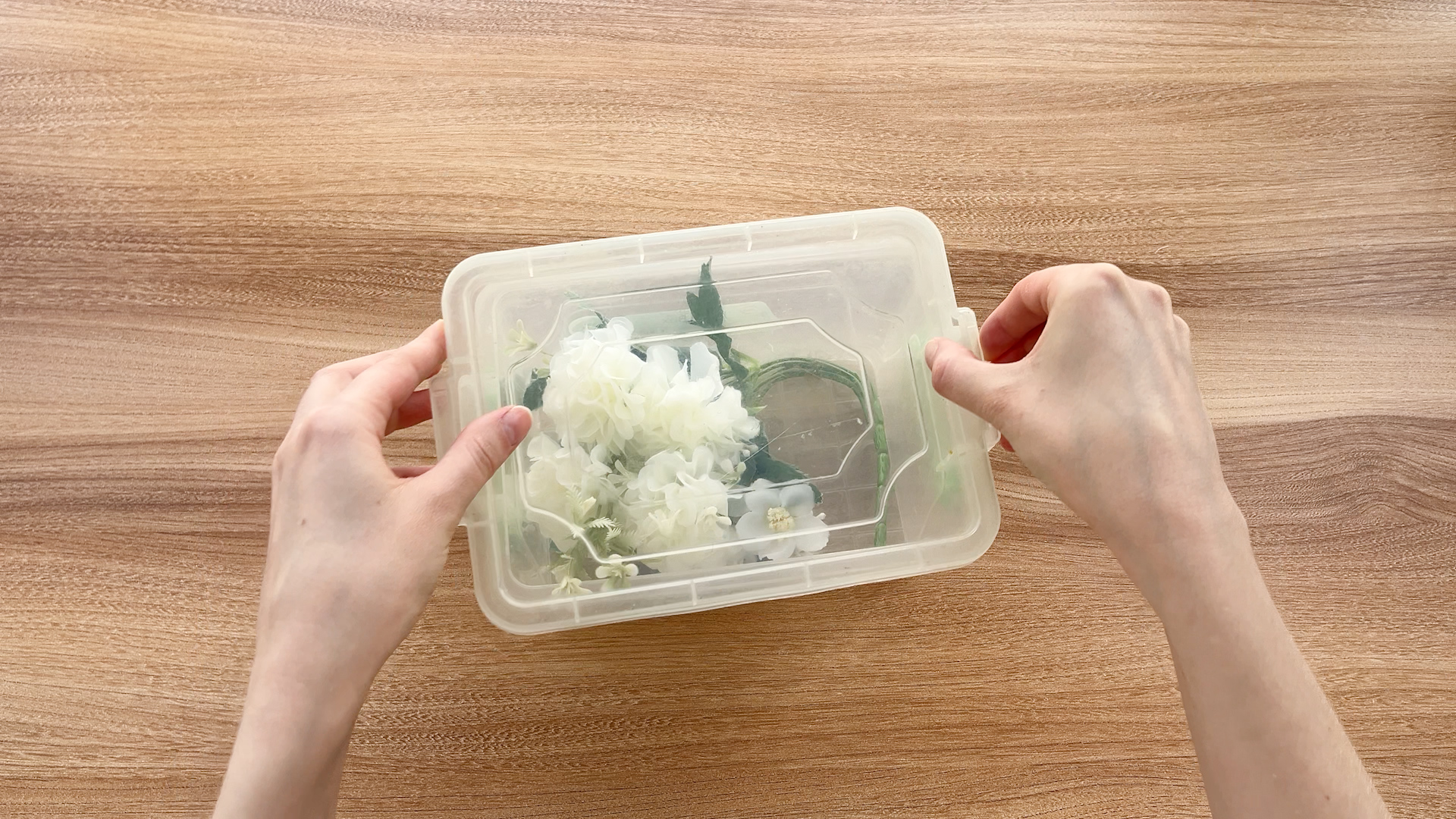
Artificial flowers are the quiet heroes of home decor. They never wilt, never demand fresh water, and never judge you for forgetting them on a sunny windowsill for six months. But they do have one very human flaw: they collect dust. A gorgeous faux peony arrangement can go from “designer centerpiece” to “attic treasure discovered during spring cleaning” surprisingly fast if it is ignored.
The good news is that learning how to clean artificial flowers is simple once you know what material you are dealing with. Silk flowers need a gentle touch. Plastic flowers can usually handle a little more moisture. Latex and “real touch” flowers require careful wiping so they keep their soft, lifelike finish. Dried, preserved, or foam-based accents may need dry cleaning only. In other words, your bouquet has a personality, and cleaning it works best when you respect its boundaries.
This guide explains how to clean silk flowers, plastic flowers, latex flowers, faux greenery, outdoor artificial flowers, and delicate decorative stems without damaging petals, bending wires, or turning a romantic arrangement into a sad craft-store crime scene.
Why Artificial Flowers Need Cleaning
Artificial flowers may be low maintenance, but they are not no maintenance. Dust, cooking grease, pollen from open windows, pet hair, lint, and indoor air particles settle on petals and leaves over time. In a bright room, that buildup can make colors look dull. In a kitchen or bathroom, residue can become slightly sticky. On outdoor faux flowers, wind, rain splash, and pollen can leave visible grime.
Regular cleaning keeps faux flowers looking realistic. It also helps extend their life, especially if you invested in high-quality silk stems or real-touch latex blooms. A dusty artificial hydrangea does not whisper “effortless elegance.” It shouts, “I have seen things.”
Before You Start: Identify the Material
The safest cleaning method depends on what your flowers are made of. Check the product tag if you still have it. If not, use the look and feel of the petals as a guide.
Silk or Fabric Flowers
Silk flowers are usually made from polyester or fabric blends, even when they are marketed as “silk.” They often have soft petals, printed color gradients, and wired stems. They look elegant but may bleed color, fray, or lose shape if soaked. For silk artificial flowers, start dry and use water only after testing a hidden area.
Plastic Flowers
Plastic flowers are more durable and often have glossy leaves, molded stems, or firm petals. Many can be wiped with a damp cloth or rinsed quickly under cool or lukewarm water. Avoid hot water, which can warp thin plastic or loosen glue.
Latex and Real-Touch Flowers
Latex and real-touch artificial flowers are designed to feel soft and lifelike. They may have a velvety or rubbery surface that can pick up dust and fingerprints. Clean them gently with a dry microfiber cloth or a slightly damp cloth. Do not scrub, soak, or use alcohol-heavy sprays unless the manufacturer specifically says it is safe.
Foam, Paper, Preserved, or Dried Accents
Some artificial arrangements include foam berries, paper petals, dried grasses, preserved eucalyptus, or painted decorative branches. These pieces usually dislike water. Use a soft brush, cool air, or a feather duster instead.
Tools You May Need
You do not need a cleaning closet worthy of a reality show. Most artificial flowers can be cleaned with simple household supplies:
- Microfiber cloths
- Soft makeup brush or clean paintbrush
- Feather duster or electrostatic duster
- Hair dryer with a cool setting
- Compressed air for delicate crevices
- Mild dish soap
- Cool or lukewarm water
- Large plastic bag
- Table salt, uncooked rice, or baking soda for dry cleaning
- Soft towel for drying
Skip bleach, strong solvents, abrasive cleaners, and very hot water. Your artificial roses do not need an industrial-strength intervention.
Method 1: Quick Dusting for Weekly Maintenance
Weekly or biweekly dusting is the easiest way to keep artificial flowers fresh. This method works for silk, plastic, latex, and most mixed arrangements.
Step-by-Step Dusting Method
- Take the arrangement outside or hold it over a trash can.
- Use a microfiber cloth, feather duster, or electrostatic duster to sweep dust from the top of the flowers downward.
- Support delicate petals with one hand while dusting with the other.
- Use a small makeup brush or paintbrush for folds, centers, and textured leaves.
- Shake the stems gently to remove loosened dust.
This is the best first step for almost every faux flower arrangement. Even if you plan to wash plastic stems later, dusting first prevents dirt from turning into muddy streaks.
Method 2: Use Cool Air for Delicate Flowers
A hair dryer on the cool setting can remove dust from intricate silk flowers, faux baby’s breath, artificial lavender, and arrangements with many tiny petals. Keep the dryer several inches away and use a low air setting. A strong blast of air may bend wired stems or send small decorative pieces flying. Nobody wants to explain why a fake berry is now behind the refrigerator.
Compressed air also works well for hard-to-reach details, especially on wreaths, garlands, and faux floral centerpieces. Use short bursts, and always test a small area first.
Method 3: Clean Silk Flowers Without Ruining Them
Silk artificial flowers require patience. They can look expensive and realistic, but water, friction, and harsh sprays may damage dyes or finishes. When cleaning silk flowers, think “spa day,” not “power wash.”
Dry Cleaning Silk Flowers With Salt or Rice
For dusty silk flowers, the dry bag method is popular because it avoids water. Place one or two stems in a large plastic bag. Add a few tablespoons of table salt or uncooked rice. Close the bag and shake gently for 30 to 60 seconds. The salt or rice helps knock dust from the petals and leaves. Remove the flowers and shake off any remaining grains.
This method works best for sturdy silk flowers, not fragile vintage blooms or arrangements with loose glitter, flocking, or painted finishes. Clean only a few stems at a time so the salt or rice can move around properly.
Spot Cleaning Silk Flowers
If you see a small mark, dampen a white microfiber cloth with cool water. Blot the spot gently. Do not rub aggressively, because printed petals may fade or fuzz. If plain water does not work, add a tiny drop of mild dish soap to a cup of cool water, dip the cloth, wring it almost dry, and blot again. Use a second cloth dampened with plain water to remove soap residue.
Always test the underside of a petal or a hidden leaf first. If color transfers to the cloth, stop and use only dry cleaning methods.
Method 4: Wash Plastic Artificial Flowers
Plastic artificial flowers are usually the easiest to clean. Many can be wiped or lightly rinsed, making them ideal for kitchens, bathrooms, covered patios, and busy households with pets.
How to Wipe Plastic Flowers
- Remove loose dust with a duster or cloth.
- Mix cool water with a small drop of mild dish soap.
- Dampen a microfiber cloth and wring it well.
- Wipe petals, leaves, and stems from base to tip.
- Use a clean damp cloth to remove soap.
- Pat dry with a towel and let the flowers air-dry completely.
Can You Rinse Plastic Flowers?
Yes, many plastic flowers can be rinsed under cool or lukewarm water, especially if they do not contain fabric petals, paper wraps, or glued decorative details. Hold the stems upside down and rinse lightly. Avoid soaking the entire arrangement unless you are certain the construction can handle it. Water trapped inside stems, foam bases, or containers can encourage musty smells.
Method 5: Clean Latex and Real-Touch Flowers
Latex and real-touch flowers are prized because they feel more natural than standard plastic. However, their soft surfaces can be more sensitive. Start with a dry microfiber cloth. If dust clings, use a barely damp cloth and wipe gently in one direction.
For fingerprints or sticky residue, use a mild soap solution, but keep it very diluted. Do not soak latex flowers. Do not scrub textured petals. Avoid oil-based cleaners, bleach, and strong alcohol solutions because they may change the finish or cause discoloration. Let each stem air-dry before placing it back in a vase.
Method 6: Clean Outdoor Artificial Flowers
Outdoor artificial flowers deal with more than indoor dust. They face pollen, windblown dirt, rain splash, and sun exposure. If your flowers are UV-resistant, they are built to handle more environmental stress, but they still need cleaning.
Start by shaking the stems outdoors. Use a soft brush to remove loose debris. For plastic or weather-safe latex flowers, wipe with mild soapy water, rinse lightly, and dry thoroughly. For outdoor silk flowers, avoid soaking. Instead, use cool air, a duster, and spot cleaning.
To reduce fading, keep artificial flowers out of harsh direct sun when possible, rotate arrangements occasionally, and consider using products designed specifically for UV protection on faux plants if the manufacturer allows it.
Method 7: Remove Sticky Kitchen Grime
Artificial flowers in kitchens can collect a fine layer of grease mixed with dust. This is the cleaning equivalent of dust wearing a tiny raincoat. Dry dusting alone may not remove it.
For plastic flowers, use a cloth dipped in warmnot hotwater with a small amount of dish soap. Wipe carefully, then follow with a clean damp cloth. For silk flowers, avoid soaking. Blot with a nearly dry soapy cloth after testing for colorfastness. For latex flowers, use a very mild solution and gentle pressure.
If the arrangement sits near a stove, move it farther away. Faux florals may be charming, but they do not need to experience dinner from the splash zone.
Method 8: Freshen Musty Artificial Flowers
If artificial flowers smell musty after storage, first check for moisture damage. If the stems were packed away damp, remove them from the container and air them out in a dry, shaded location. Avoid direct sun, which can fade fabric petals.
For sturdy silk or plastic stems, place them in a bag with baking soda and shake gently. Let them sit for a few hours, then shake off the powder and dust with a soft brush. Do not use baking soda on sticky, wet, flocked, or heavily textured flowers, because powder can cling in the details.
Common Mistakes to Avoid
Using Hot Water
Hot water can loosen glue, warp plastic, and damage delicate finishes. Cool or lukewarm water is safer for most artificial flowers.
Skipping the Spot Test
Before using water, soap, vinegar, alcohol, or commercial sprays, test a hidden area. If the color bleeds or the texture changes, choose a dry method instead.
Soaking Mixed Arrangements
A bouquet may contain plastic leaves, silk petals, paper-wrapped stems, foam berries, and glued moss. One cleaning method may not suit every piece. Clean mixed arrangements by hand instead of dunking the whole thing.
Putting Flowers Away Damp
Damp storage can create musty smells and damage stems. Always let artificial flowers dry fully before returning them to a vase, box, wreath bag, or seasonal storage bin.
How Often Should You Clean Artificial Flowers?
For most homes, dust artificial flowers every one to two weeks. Deep clean them every three to six months, depending on where they are displayed. Kitchen, bathroom, entryway, and outdoor arrangements need more frequent attention than flowers kept in a bedroom or formal dining room.
Seasonal decor should be cleaned before storage and again when unpacked. This keeps faux fall leaves, holiday garlands, spring wreaths, and wedding florals photo-ready instead of “basement chic.”
How to Store Artificial Flowers After Cleaning
Clean storage matters almost as much as cleaning itself. Once flowers are completely dry, store them in a breathable container or sturdy box. Avoid crushing petals. Wrap delicate stems in tissue paper, and keep heavy items off the top. Store arrangements away from direct sunlight, humidity, and extreme heat.
If you have expensive silk flowers, label the box by season or room. Future you will appreciate not having to open seven mystery bins just to find the spring tulips.
Extra Experience: Real-Life Lessons From Cleaning Artificial Flowers
After cleaning many types of faux flowers, one lesson becomes clear: the fastest method is not always the best method. A plastic orchid from a bathroom shelf may look brand new after a quick wipe with a damp cloth, but a silk peony from a wedding centerpiece may need ten minutes of careful brushing and no water at all. Treating every artificial flower the same is how beautiful petals get bent, stained, or permanently sad-looking.
One useful habit is to clean arrangements by zones. Start with the top blooms, then move to lower leaves, stems, vase filler, and finally the container. Dust falls downward, so cleaning from bottom to top is like sweeping the floor before shaking out a rug. It technically counts as effort, but it also counts as self-sabotage.
Another practical experience is to keep a small “faux flower care kit” nearby. A microfiber cloth, a clean makeup brush, and a small spray bottle of plain water can handle most light cleaning jobs. When the tools are easy to grab, you are more likely to dust the arrangement before it becomes a full archaeological site.
For silk flowers, patience wins. A soft brush can revive details that a cloth misses, especially around flower centers, layered petals, and artificial pollen. If the petals look flattened after cleaning, gently reshape them with your fingers. Many wired petals can be adjusted slightly, but do not force them. If a stem resists, it is not being dramatic; it may simply be built that way.
For plastic flowers, drying is the step people often rush. Water droplets can hide where petals meet stems or where leaves attach to branches. After rinsing, lay the stems on a towel and rotate them once or twice. This prevents water spots and helps avoid trapped moisture. If the flowers go back into a vase while still damp, the vase may develop an unpleasant smell later.
Outdoor artificial flowers need a different mindset. They may look tough, but sun and weather slowly affect color and texture. Cleaning them gently and regularly is better than waiting until grime builds up. If outdoor flowers are badly faded, cleaning will remove dirt but will not restore lost color. At that point, use them in shaded areas, mix them with newer stems, or retire them with dignity.
Finally, remember that artificial flowers look most realistic when they are not too perfect. After cleaning, fluff the blooms, bend a few stems naturally, and vary the height of the arrangement. Real flowers do not stand at military attention, and faux flowers should not either. A little shaping after cleaning can make a budget bouquet look far more expensive.
Conclusion
Cleaning artificial flowers is less about scrubbing and more about choosing the right level of care. Silk flowers usually need dry dusting, cool air, and careful spot cleaning. Plastic flowers can often handle a damp cloth or gentle rinse. Latex and real-touch flowers look best when cleaned with soft, minimal moisture. Outdoor flowers need regular attention to remove pollen and dirt, while preserved or delicate accents should stay as dry as possible.
With a simple routine, your artificial flowers can stay bright, realistic, and ready for compliments. They may not need watering, pruning, or emotional encouragement, but they do deserve a little dusting now and then. Clean them well, store them carefully, and your faux blooms will keep doing what they do best: looking fresh without ever dropping petals on the table.