

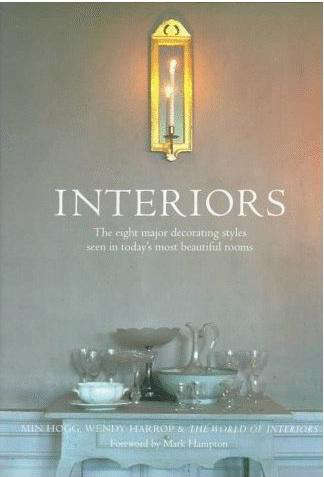
Note: This article is written for web publication in standard American English and synthesizes verified design-history information about Min Hogg, her editorial legacy, and her influence on interior decoration.
Introduction: The Woman Who Made “Perfect” Rooms Look a Little Boring
Some interior design legends become famous for telling people what to buy. Min Hogg became famous for showing people how to look. That difference matters. As the founding editor of The World of Interiors, Hogg did not simply create a magazine about rooms. She created a visual education in atmosphere, eccentricity, patina, history, and the delicious thrill of interiors that looked lived in rather than staged for a nervous real estate brochure.
Born Georgina Hogg and known to the design world as Min Hogg, she was a journalist, editor, interior designer, stylist, and tastemaker whose influence still hovers over rooms filled with antique textiles, sea-weathered colors, battered furniture, old books, striped walls, hand-painted details, and objects that appear to have wandered in from another century carrying a very good story. Her interiors were not about matching the lamp to the cushion to the curtain until the room begged for mercy. They were about personality.
“Interiors by Min Hogg” is less a fixed decorating formula than a philosophy: trust character, honor age, mix high and low, let imperfection breathe, and never allow a room to look as though it was assembled entirely on a Tuesday afternoon by someone holding a fabric memo in one hand and a panic attack in the other. Her design legacy continues to inspire decorators, collectors, writers, and homeowners who want spaces with soul, not showroom stiffness.
Who Was Min Hogg?
Min Hogg was a British design editor best known as the founding editor of The World of Interiors, the influential interiors magazine launched in 1981. Before that, she worked in fashion journalism, including at Queen and Harper’s & Queen. Her early career sharpened her eye for style, but her true genius emerged when she turned her attention from clothes to rooms.
Hogg brought a fashion editor’s visual daring to interior design, but she resisted fashion’s obsession with the new. Instead, she favored interiors that looked layered over time. She loved rooms with history: old houses, inherited furniture, textiles that had faded beautifully, walls that carried marks of use, and objects chosen because they mattered rather than because they matched.
Her approach was radical because it challenged the glossy design culture of its time. In many magazines, interiors were polished, symmetrical, aspirational, and carefully edited until all evidence of human life had vanished. Hogg preferred the opposite. She championed the strange, poetic, scholarly, handmade, eccentric, crumbling, and deeply personal. Under her eye, a room could include a grand antique, a humble chair, a shell, a portrait, a Turkish textile, a striped wall, and a slightly suspicious-looking dog asleep on the sofa. Somehow, it worked.
The Birth of The World of Interiors
When The World of Interiors first appeared, it was unlike other shelter magazines. It was literate, visually rich, historically curious, and gloriously uninterested in chasing mainstream taste. Instead of presenting interiors as shopping lists, it presented them as cultural documents. A house was not just a house; it was a biography written in plaster, fabric, books, dust, paint, and memory.
Min Hogg’s editorial instinct was to look beyond fashionable decorators and professionally perfected homes. She wanted places with individuality. Her magazine featured aristocratic houses, artists’ studios, remote dwellings, historic rooms, unusual collections, faded grandeur, and interiors that felt discovered rather than manufactured. This was not decoration as a status symbol. It was decoration as storytelling.
That approach helped turn The World of Interiors into one of the most admired design publications in the world. Designers loved it because it gave them permission to be more imaginative. Readers loved it because it made beauty feel less obedient. A room did not have to be new to be interesting. In fact, in Min Hogg’s universe, newness was often the least interesting thing about it.
Min Hogg’s Interior Design Style
1. Eclectic Rooms With Real Personality
The phrase “eclectic interior design” is everywhere now, but Min Hogg practiced it before it became a hashtag with a throw pillow problem. Her rooms embraced contrast: refined and rustic, formal and casual, European and global, antique and improvised. She understood that a good interior should feel collected, not ordered in one heroic online shopping session.
A Min Hogg-inspired room might combine a weathered table, antique portraits, hand-blocked wallpaper, a striped textile, mismatched chairs, and a ceramic bowl filled with shells. The magic is not in any single object. It is in the conversation among them. Each piece contributes texture, memory, humor, and depth.
2. Patina Over Polish
Patina was central to Hogg’s world. She loved the evidence of age: rubbed wood, faded fabric, old stone, tarnished metal, uneven paint, and surfaces that had clearly survived more dinner parties than any of us. To her, wear was not a flaw. It was a form of beauty.
This preference still feels refreshing in a culture obsessed with flawless surfaces. A room that is too perfect can feel oddly lifeless, like a hotel lobby waiting for a minor celebrity to walk through it. Hogg’s interiors felt human. They allowed dents, wrinkles, and irregularities to become part of the charm.
3. Historical Textiles and Pattern
Min Hogg had a deep affection for textiles. Antique fabrics, woven patterns, stripes, faded florals, embroidered pieces, and richly textured materials often appeared in the kinds of interiors she admired. Textiles gave rooms softness and historical depth. They also prevented a space from feeling flat.
In a Hogg-inspired home, pattern is not used timidly. Stripes might run across walls. A fabric might be draped rather than conventionally upholstered. A curtain might look as though it has traveled from a villa, a bazaar, or a slightly mysterious attic. The result is layered but not chaotic, romantic but not sugary.
4. The Beauty of the Undecorated Look
One of Hogg’s greatest contributions was the celebration of the “undecorated” room. That does not mean careless or empty. It means the room does not announce its design scheme every three seconds. It feels assembled by life.
The undecorated look is difficult to fake because it requires restraint, confidence, and time. It asks the homeowner to resist buying everything at once. It rewards collecting slowly, keeping what has meaning, and allowing rooms to evolve. In other words, it is the opposite of instant interiors. Min Hogg would likely have raised one eyebrow at a room that arrived entirely in matching boxes.
Why Min Hogg Still Matters in Interior Design
Min Hogg’s influence remains strong because modern interiors often suffer from sameness. Open social media and you may see thousands of rooms with the same beige sofa, same rounded coffee table, same arched mirror, same neutral rug, and the same lonely branch in a vase looking like it has been asked to carry the emotional weight of the entire house.
Hogg’s work offers an antidote. She reminds us that interiors should not be reduced to trends. They should reflect people, places, books, travels, family history, obsessions, mistakes, and discoveries. Her rooms had tension and humor. They looked intelligent. They made you want to ask questions: Who found that chair? Why is that painting there? Is that wallpaper new or ancient? Why do I suddenly want to collect coral, blue-and-white china, and possibly a small palace?
Her legacy also speaks to sustainability. Long before “slow design” became a popular phrase, Hogg celebrated reuse, antiques, vintage textiles, repaired furniture, and objects with longevity. Her interiors valued what already existed. In today’s world, where fast furniture can make homes feel disposable, that lesson feels more relevant than ever.
How to Bring Min Hogg’s Style Into Your Home
Start With Objects That Tell a Story
To create interiors inspired by Min Hogg, begin with meaningful objects. This could be a family chair, a flea market painting, a handmade bowl, an old mirror, a stack of design books, or a textile brought home from a trip. The object does not need to be expensive. It needs to have presence.
Try asking yourself: would I still like this if nobody else saw it? If the answer is yes, you are on the right path. If the answer is, “I bought it because the algorithm bullied me,” perhaps pause.
Mix Periods and Provenance
Do not trap your room in one era. Hogg’s eye welcomed contrast. Pair an old wooden table with modern art. Place a simple chair beside an ornate mirror. Use a humble woven basket in a formal room. Combine English country house comfort with Mediterranean color, Moroccan texture, or Scandinavian restraint.
The key is balance. Too much contrast can feel like a storage unit having an identity crisis. But a thoughtful mix creates energy. The goal is not randomness; it is richness.
Use Pattern With Confidence
Wallpaper, stripes, florals, checks, and historic motifs all belong in the Min Hogg conversation. Pattern can make a room feel enveloping and personal. If covering all four walls feels terrifying, begin with a small room, hallway, powder room, or the inside of a bookcase.
Hogg herself later created wallpaper and fabric designs, including sea-inspired motifs. These designs reflected her lifelong attraction to natural forms, travel, and visual rhythm. They also prove a useful point: pattern does not have to shout. It can whisper, ripple, and quietly transform a room.
Let Age Show
Resist the urge to make every surface look new. A scratched table, faded rug, or chipped ceramic can add warmth. Of course, there is a difference between patina and neglect. A charmingly worn chair is lovely. A chair that threatens to collapse during dessert is less poetic.
The trick is to keep rooms functional while allowing them to show time. Repair what needs repairing, clean what needs cleaning, but do not erase every sign of life. Character lives in the evidence.
Specific Examples of a Min Hogg-Inspired Interior
The Living Room
Imagine a living room with plaster walls in a warm off-white, a faded rug, a deep sofa covered in linen, antique side tables, and a wall of art gathered over years. Add a striped cushion, a stack of books, a ceramic lamp, and one odd object that makes visitors smile. Nothing needs to match perfectly. Everything should feel chosen.
The Bedroom
A bedroom inspired by Min Hogg might include patterned wallpaper, crisp cotton sheets, an antique quilt, a small writing desk, and a bedside table that is not part of a set. The mood should be calm but not empty. Think comfort with history, not a mattress showroom wearing perfume.
The Kitchen
In the kitchen, use open shelving, old crockery, practical tools, and natural materials. A scrubbed wooden table can be more beautiful than a glossy island if it carries warmth and daily use. Add baskets, pottery, framed prints, or a textile curtain beneath a sink for a relaxed, layered feel.
The Entryway
The entryway is a perfect place for Hogg-style drama. Try a strong wallpaper, a vintage mirror, a narrow table, and a bowl for keys that looks as though it might have once belonged to someone interesting. Add a lamp with a warm shade. Suddenly, arriving home feels like entering a story rather than simply returning to your Wi-Fi network.
Min Hogg and the Rise of Shabby Chic
Min Hogg is often associated with the spirit of shabby chic, although her version was more intellectual and less sugary than what the phrase later became. She appreciated faded elegance, old textiles, chipped paint, and the romance of rooms that had aged gracefully. But her taste was not merely pretty. It had bite.
True Hogg-style shabby chic is not about making everything white, frilly, and artificially distressed. It is about authenticity. The old cupboard is beautiful because it is genuinely old. The faded fabric matters because time has softened it. The room feels poetic because the objects have lives beyond decoration.
This distinction is important for modern homeowners. A Min Hogg-inspired space should not feel like a themed restaurant called “The Quaint Spoon.” It should feel personal, layered, and slightly unpredictable. The charm comes from truth, not costume.
The Editorial Eye: What Writers and Designers Can Learn From Min Hogg
Min Hogg’s greatest tool was not a paint chart. It was judgment. She knew what deserved attention. She understood that beauty could be found in overlooked places, and she trusted readers to appreciate complexity. That editorial confidence is a lesson for anyone working in design, publishing, or creative storytelling.
For interior designers, her work teaches the value of atmosphere over formula. For writers, it shows the power of specificity. For homeowners, it offers permission to stop chasing perfection and start building rooms that feel alive.
Her legacy also reminds us that taste is not the same as luxury. Luxury can be bought. Taste must be developed. Sometimes taste is found in a museum. Sometimes it is found at a flea market, under a pile of questionable lamps, next to a chair that looks terrible until you imagine it covered in the right fabric. Min Hogg had the rare ability to see potential where others saw clutter.
Common Mistakes to Avoid
Trying Too Hard to Look Effortless
The effortless look becomes exhausting when every detail is staged to appear casual. A blanket thrown “just so” can look more artificial than a formal arrangement. Let some things be genuinely relaxed. Real life is allowed in the room.
Buying Fake Age
Artificial distressing can work in small doses, but a home filled with brand-new objects pretending to be old may feel theatrical. Whenever possible, choose real vintage, antique, handmade, or naturally worn pieces.
Confusing Eclectic With Messy
Eclectic design still needs editing. Hogg’s style celebrated abundance, but it was not careless. Give objects breathing room. Create visual relationships through color, scale, texture, or mood. A room can be layered without becoming a decorative traffic jam.
Ignoring Comfort
A beautiful room that nobody wants to sit in has failed its most basic assignment. Hogg admired rooms with humanity. Comfort, lighting, and usability matter. Even the most poetic chair must eventually support an actual person.
The Modern Relevance of Interiors by Min Hogg
Today, Min Hogg’s influence feels especially valuable because many people are tired of interiors that look copied and pasted. Her work encourages homeowners to slow down, collect carefully, and develop a personal eye. It also challenges the idea that good design must be expensive, new, or professionally controlled.
A Hogg-inspired home can include heirlooms, secondhand finds, handmade pieces, old books, unusual art, natural textures, and colors that feel weathered rather than freshly shouted from a paint commercial. It is design for people who enjoy history, wit, imperfection, and rooms that reward close looking.
Her interiors also align beautifully with current interest in sustainable decorating. Buying fewer new things, choosing antiques, restoring furniture, and valuing craftsmanship all fit naturally within her philosophy. She made reuse glamorous before sustainability departments started giving it slide decks.
Personal Experiences and Reflections on Interiors by Min Hogg
Spending time with the idea of “Interiors by Min Hogg” changes the way you notice rooms. At first, you may think her style is simply about antiques, stripes, faded fabrics, and a certain English eccentricity. But the deeper lesson is more practical and more liberating: a room becomes interesting when it stops trying to impress everyone at once.
One of the most useful experiences related to this style is visiting older homes, antique shops, flea markets, or estate sales with no strict shopping list. Instead of hunting for a perfect item, you begin training your eye. You notice the curve of a chair leg, the softness of old linen, the charm of a chipped blue bowl, or the quiet authority of a framed print nobody else seems to want. This is where Min Hogg’s influence becomes personal. She teaches you to look twice.
Another experience is learning to live with a room before declaring it finished. Many modern decorating projects move too quickly. The sofa arrives, the rug follows, the art is ordered, and suddenly the room is “done,” though it may not yet have a personality. A Hogg-inspired approach asks for patience. Hang the old mirror first. Move the chair three times. Try the lamp in the wrong corner and discover that it is actually the right corner. Let the room argue with you a little. Good rooms often do.
There is also a special pleasure in mixing objects that should not technically work together but somehow do. A plain modern sofa can look better with an antique textile. A formal portrait can become funny and charming above a casual table. A rough basket can soften a polished room. These combinations create the feeling that a home has been assembled through curiosity rather than obedience.
The Min Hogg mindset is also helpful when dealing with imperfections. Many homeowners panic over scratches, faded colors, and mismatched pieces. But once you understand patina, those details become less threatening. A worn table can suggest years of meals, letters, projects, and conversations. A faded rug can make a room feel settled. Even a slightly uneven wall can add warmth. The goal is not to romanticize neglect, but to appreciate the beauty of time.
In my experience, the most successful Hogg-inspired interiors usually include one element of surprise. It might be an oversized shell on a mantel, a dramatic stripe in a hallway, a tiny painting in a grand frame, or a humble kitchen chair pulled into a refined bedroom. The surprise keeps the room awake. Without it, traditional interiors can become sleepy; with too much of it, they can become circus tents. The art is in finding the wink, not shouting the joke.
For anyone decorating a home today, Min Hogg’s legacy offers a comforting message: you do not need to own a castle, hire a famous decorator, or understand every auction catalog footnote to create a soulful interior. Begin with what you love. Add history where you can. Choose texture over gloss. Let rooms evolve. Keep the odd thing if it makes you happy. Above all, do not decorate so perfectly that your home forgets you live there.
Conclusion: The Lasting Charm of Min Hogg’s Interiors
Min Hogg changed the way people think about interior design because she made room for personality, history, eccentricity, and imperfection. Through The World of Interiors, she championed spaces that were layered, intelligent, romantic, and deeply individual. Her work remains relevant because it resists the blandness of trend-driven decorating and invites us to create homes that feel collected rather than consumed.
Interiors by Min Hogg are not about copying a single look. They are about developing an eye. They encourage us to value patina, mix periods, use pattern bravely, collect slowly, and trust the emotional power of objects with stories. In a world full of fast design and identical rooms, her legacy feels like a beautiful rebellionwith better wallpaper.