

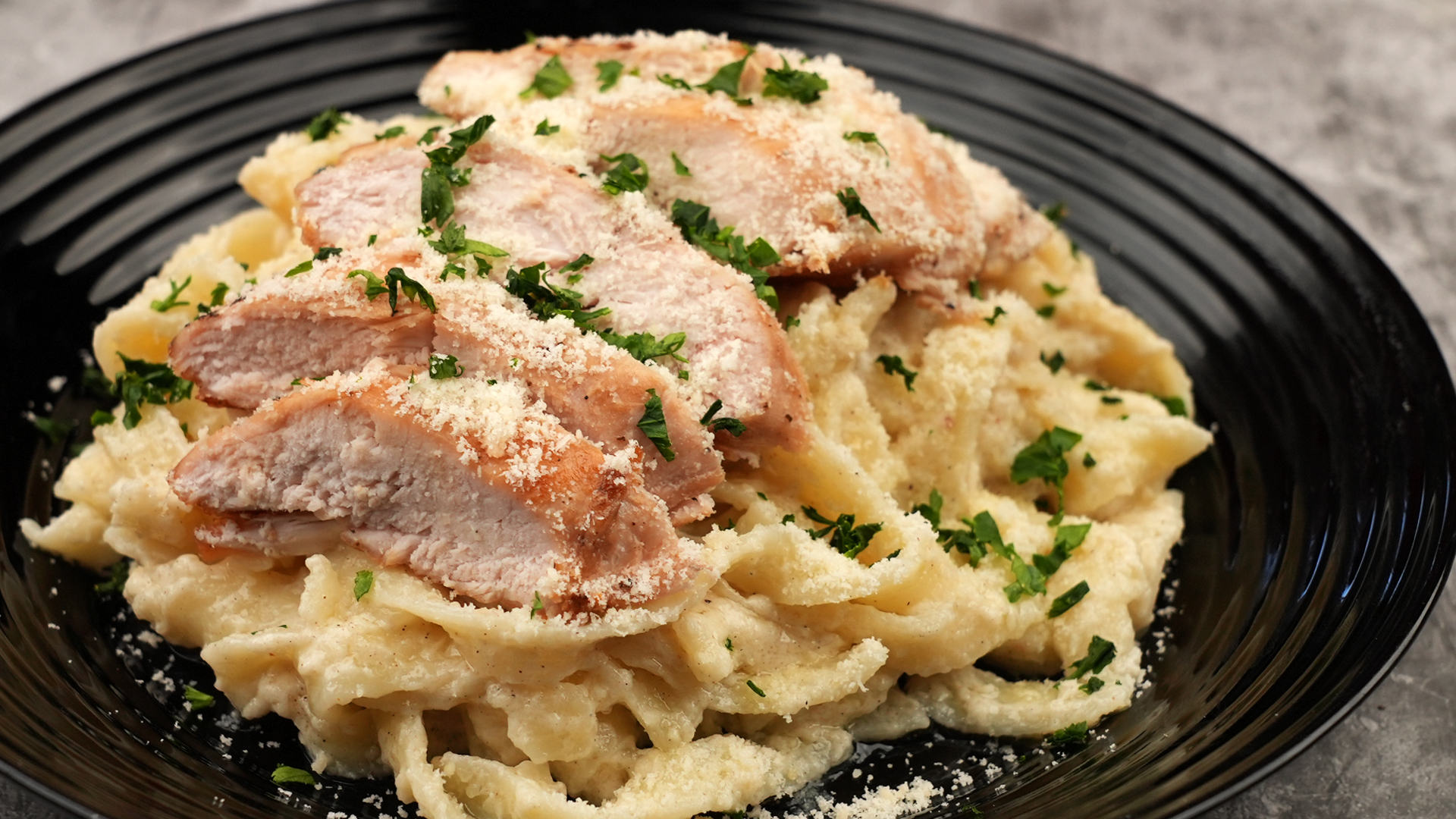
Chicken Alfredo is the dinner equivalent of a warm blanket, a good movie, and the smug feeling of not ordering takeout. It is creamy, cheesy, comforting, and just fancy enough to make people believe you did something heroic in the kitchen. The secret? You do not need a culinary degree, a marble countertop, or an Italian grandmother standing behind you with a wooden spoon. You need good chicken, properly cooked pasta, real Parmesan, a little patience, and the courage to not boil cream like you are trying to punish it.
This guide shows you how to cook Chicken Alfredo in 13 clear steps, from seasoning the chicken to building a smooth homemade Alfredo sauce. Along the way, you will learn why pasta water matters, how to keep chicken juicy, how to avoid grainy sauce, and how to turn a simple weeknight dinner into something that tastes like it came from a restaurant where the waiter says “excellent choice” with believable sincerity.
The main keyword here is how to cook Chicken Alfredo, but the real goal is bigger: helping you master a reliable chicken Alfredo recipe you can make again and again without panic, guesswork, or a tragic puddle of separated cream.
What Is Chicken Alfredo?
Chicken Alfredo is a creamy pasta dish made with cooked chicken, fettuccine or another pasta, and Alfredo sauce. The American version usually includes butter, heavy cream, Parmesan cheese, garlic, salt, pepper, and sometimes parsley. Traditional Roman-style Alfredo is simpler, relying on butter, cheese, and starchy pasta water to create a silky sauce. The chicken-and-cream version, however, has become a beloved American comfort food because it is rich, filling, and very good at convincing picky eaters to sit down immediately.
At its best, Chicken Alfredo is not just pasta wearing a dairy sweater. It is balanced: tender chicken, al dente noodles, a sauce that clings instead of floods, and enough Parmesan flavor to make every bite savory without becoming salty. The difference between “fine” and “fantastic” usually comes down to timing, temperature, and not using pre-shredded cheese that melts with the enthusiasm of packing peanuts.
Ingredients for Homemade Chicken Alfredo
Main Ingredients
- 1 pound boneless, skinless chicken breasts or thighs
- 12 ounces fettuccine pasta
- 2 tablespoons olive oil or neutral cooking oil
- 3 tablespoons unsalted butter
- 3 to 4 cloves garlic, minced
- 1 1/2 cups heavy cream
- 1 to 1 1/4 cups freshly grated Parmesan cheese
- 1/2 cup reserved pasta water, plus more as needed
- 1 teaspoon kosher salt, divided
- 1/2 teaspoon black pepper
- Optional: chopped parsley, lemon zest, broccoli, mushrooms, or red pepper flakes
Helpful Equipment
- Large pot for boiling pasta
- Large skillet or sauté pan
- Tongs
- Instant-read thermometer
- Cheese grater
- Cutting board and sharp knife
How to Cook Chicken Alfredo: 13 Steps
Step 1: Prep the Chicken
Pat the chicken dry with paper towels. This tiny step matters more than it looks. Wet chicken steams; dry chicken browns. If your chicken breasts are thick, slice them horizontally into thinner cutlets or gently pound them to an even thickness. Even chicken cooks evenly. Uneven chicken gives you one end that is juicy and another end with the texture of a flip-flop.
Step 2: Season Generously
Season both sides of the chicken with salt and black pepper. You can add garlic powder, Italian seasoning, paprika, or a pinch of red pepper flakes if you want more flavor. Keep it simple if this is your first time. Alfredo sauce is rich, so the chicken should taste savory and well-seasoned, not like it wandered into the pan by accident.
Step 3: Start the Pasta Water
Bring a large pot of water to a boil. Add enough salt so the water tastes pleasantly seasoned. Pasta absorbs water as it cooks, and this is your first chance to flavor the noodles from the inside. Do not add oil to the water. Oil can make the pasta slippery, which sounds fun until the sauce refuses to cling and slides off like it has somewhere better to be.
Step 4: Sear the Chicken
Heat oil in a large skillet over medium-high heat. Add the chicken and cook until golden on the first side, about 4 to 6 minutes depending on thickness. Flip and cook the other side until the internal temperature reaches 165°F. Use an instant-read thermometer inserted into the thickest part. This keeps the chicken safe without overcooking it into sadness.
Step 5: Rest and Slice the Chicken
Transfer the cooked chicken to a plate and let it rest for 5 minutes before slicing. Resting allows juices to redistribute, which means the chicken stays tender when you cut it. Slice it against the grain into strips or bite-size pieces. If you cut immediately, those flavorful juices run all over the cutting board, and the board is not invited to dinner.
Step 6: Cook the Fettuccine Until Al Dente
Add the fettuccine to the boiling water and cook until al dente according to the package directions. Al dente means the pasta should be tender but still have a slight bite. This texture is important because the noodles will spend another minute or two in the sauce. Mushy pasta in Alfredo is like wearing socks in the shower: technically possible, emotionally confusing.
Step 7: Reserve Pasta Water
Before draining the pasta, scoop out at least 1 cup of pasta water. This cloudy liquid is culinary magic. It contains starch that helps the Alfredo sauce emulsify, loosen, and cling to the noodles. You may not use all of it, but having it ready gives you control over the final texture.
Step 8: Build the Garlic Butter Base
Lower the skillet heat to medium. Add butter to the same pan used for the chicken. Once melted, stir in minced garlic and cook for 30 to 60 seconds, just until fragrant. Do not let the garlic burn. Burnt garlic turns bitter fast, and no amount of Parmesan can fully rescue it. The pan may have browned bits from the chicken, and those bits are flavor confetti.
Step 9: Add the Cream Gently
Pour in the heavy cream and stir, scraping the bottom of the pan. Bring it to a gentle simmer, not a wild boil. A gentle simmer thickens the cream and keeps the sauce smooth. Boiling aggressively can make the sauce separate or taste flat. Alfredo likes a spa day, not a roller coaster.
Step 10: Melt in the Parmesan
Reduce the heat to low and add freshly grated Parmesan a handful at a time, stirring after each addition. Freshly grated cheese melts better than pre-shredded cheese, which often contains anti-caking ingredients. If the sauce looks too thick, add a splash of reserved pasta water. If it looks too thin, simmer it gently for another minute.
Step 11: Toss Pasta in the Sauce
Add the drained fettuccine directly to the skillet. Toss with tongs until every strand is coated. Add pasta water a little at a time until the sauce becomes glossy and clings to the noodles. This is where homemade Chicken Alfredo transforms from separate parts into one creamy, unified dish. The goal is not soup. The goal is silky pasta that looks like it knows what it is doing.
Step 12: Add the Chicken Back
Add the sliced chicken to the skillet and toss gently. Let everything warm together for about 1 minute. Taste and adjust seasoning with more salt, pepper, Parmesan, or a tiny squeeze of lemon juice if the sauce tastes too heavy. Lemon is optional, but a little brightness can wake up a rich cream sauce.
Step 13: Garnish and Serve Immediately
Serve Chicken Alfredo hot, topped with parsley, extra Parmesan, and black pepper. Alfredo sauce thickens as it cools, so this is not the time for a long photo shoot unless your guests enjoy eating pasta sculpture. Bring it to the table while the sauce is creamy and the chicken is juicy.
Tips for the Best Chicken Alfredo
Use Fresh Parmesan
Freshly grated Parmesan is one of the biggest upgrades you can make. It melts more smoothly and tastes sharper, nuttier, and more complex. Pre-grated cheese is convenient, but it can make Alfredo sauce grainy. If your sauce has ever looked like it was going through an identity crisis, the cheese may have been the culprit.
Do Not Overcook the Chicken
Chicken breast is lean, which means it can go from juicy to dry quickly. A thermometer solves the mystery. Cook to 165°F, then let the chicken rest. Chicken thighs are more forgiving and flavorful, so they are a great choice if you want a richer homemade Chicken Alfredo.
Keep the Heat Low When Adding Cheese
High heat can cause cheese to clump or separate. Turn the heat down before adding Parmesan, then stir patiently. Alfredo sauce rewards calm behavior. It does not appreciate drama, and frankly, neither do your dinner guests.
Save More Pasta Water Than You Think You Need
Reserved pasta water is the emergency toolkit for creamy chicken pasta. If the sauce gets too thick, pasta water loosens it without diluting the flavor as much as plain water. Add it slowly, toss well, and stop when the sauce looks glossy.
Common Chicken Alfredo Mistakes
Mistake 1: Using Cold Cream Straight from the Fridge
Cold cream can still work, but letting it sit at room temperature for a few minutes helps it blend more smoothly. You do not need to warm it separately; just avoid shocking the pan with icy dairy if you can.
Mistake 2: Adding Cheese Too Quickly
If you dump all the Parmesan in at once, it may clump. Add it gradually and stir between additions. Think of it as making friends with the sauce, not storming the castle.
Mistake 3: Forgetting the Pasta Water
Draining pasta without saving water is the classic Alfredo heartbreak. Place a measuring cup near the pot as a reminder. Future you will be grateful. Present you may feel smug. Both are acceptable.
Mistake 4: Reheating Too Aggressively
Leftover Alfredo should be reheated gently over low heat with a splash of milk, cream, or water. Microwaving at full power can cause the sauce to separate. Use short intervals and stir often.
Easy Variations
Chicken Broccoli Alfredo
Add steamed or blanched broccoli when tossing the pasta with the sauce. Broccoli adds color, texture, and the comforting illusion that the dish is now health food. It is not exactly a salad, but it is delicious.
Spicy Chicken Alfredo
Add red pepper flakes, Cajun seasoning, or a pinch of cayenne to the chicken. The heat cuts through the richness and gives the sauce a little personality.
Mushroom Chicken Alfredo
Sauté sliced mushrooms in the skillet after cooking the chicken. Let them brown before adding butter and garlic. Mushrooms bring savory depth and make the dish taste more restaurant-style.
Lighter Chicken Alfredo
For a lighter version, use half-and-half instead of heavy cream and rely more on pasta water for body. The sauce will be less rich, but still creamy if handled gently. Avoid boiling, and add cheese slowly.
How to Store and Reheat Chicken Alfredo
Store leftover Chicken Alfredo in an airtight container in the refrigerator. For best quality, eat it within 3 to 4 days. Because the dish contains cooked chicken and dairy, do not leave it sitting at room temperature for more than 2 hours. If the room is very hot, refrigerate it sooner.
To reheat, place leftovers in a skillet over low heat. Add a splash of milk, cream, or water and stir until the sauce loosens. You can also microwave it in short bursts, stirring between each one. The key is gentle heat. Alfredo is rich, but it is emotionally delicate.
What to Serve with Chicken Alfredo
Chicken Alfredo is hearty, so simple sides work best. Try a crisp green salad with lemon vinaigrette, roasted asparagus, garlic bread, steamed green beans, or roasted broccoli. If you want a full comfort-food feast, serve it with warm bread and accept that nobody is doing jumping jacks afterward.
For drinks, sparkling water with lemon, iced tea, or a crisp white wine can balance the richness. Dessert should be light: berries, lemon sorbet, or a small cookie. Unless, of course, you believe dinner is not complete until everyone gently leans back and questions their life choices. In that case, bring on the cheesecake.
Personal Kitchen Experience: What Cooking Chicken Alfredo Teaches You
Cooking Chicken Alfredo at home is one of those kitchen experiences that starts simple and quietly teaches you half of cooking. At first, you think you are just making creamy pasta. Then suddenly you are learning heat control, timing, seasoning, sauce texture, food safety, and the emotional importance of grating your own cheese. It is basically a cooking class disguised as dinner.
The first lesson is that chicken needs attention but not fear. Many home cooks overcook chicken because they are worried about safety. That concern is valid, but the solution is not cooking it until it resembles office printer paper. The solution is using a thermometer and trusting it. Once you learn to cook chicken to 165°F and let it rest, you unlock better salads, sandwiches, pastas, wraps, and meal prep. Chicken Alfredo becomes a gateway skill.
The second lesson is that pasta water is not trash water. It may look cloudy and unimpressive, but it is one of the most useful ingredients in the pan. When you add it to Alfredo sauce, it helps everything come together. That one trick applies far beyond this recipe. Tomato sauce, pesto, cacio e pepe, carbonara-style sauces, and simple buttered noodles all improve when you know how to use starchy pasta water. It is the quiet hero of weeknight cooking, wearing no cape because capes near burners are unsafe.
The third lesson is patience. Alfredo sauce punishes rushing. If the heat is too high, the cream can reduce too fast and the cheese can clump. If you add Parmesan all at once, the sauce may turn grainy. If you walk away during the garlic step, you may return to a skillet that smells like regret. But if you lower the heat, stir slowly, and adjust with pasta water, the sauce becomes glossy and luxurious. It reminds you that good cooking is often less about fancy ingredients and more about paying attention.
Chicken Alfredo is also a great confidence builder because it feels impressive without requiring advanced techniques. Once you can make it well, you can customize it endlessly. Add broccoli for color, mushrooms for depth, spinach for a quick vegetable boost, Cajun seasoning for spice, or roasted garlic for sweetness. Use fettuccine for the classic version, penne for easy eating, or linguine if that is what the pantry offers. The recipe is forgiving as long as you respect the basics: cooked chicken, properly seasoned pasta, gentle sauce, and enough Parmesan to make everyone smile.
Another experience worth mentioning is timing. The best Chicken Alfredo happens when the pasta finishes cooking around the same time the sauce is ready. That sounds like a small detail, but it changes everything. Hot pasta absorbs sauce better. Fresh sauce coats better. Chicken added at the end stays tender. Once you practice this rhythm, you become faster and calmer in the kitchen. You stop treating dinner like a crisis and start treating it like a series of manageable steps.
Finally, homemade Chicken Alfredo teaches you that comfort food does not have to be complicated. It can be rich without being fussy, familiar without being boring, and indulgent without coming from a jar. The homemade version lets you control the salt, cheese, garlic, chicken, and texture. It also gives you the pleasure of serving something that makes people go quiet for a moment because they are too busy twirling pasta. That silence is applause with noodles.
Conclusion
Learning how to cook Chicken Alfredo is really about learning how to balance comfort and technique. Sear the chicken properly, cook the pasta al dente, save the pasta water, keep the sauce gentle, and use freshly grated Parmesan. Do those things, and you will have a creamy Chicken Alfredo recipe that tastes rich, smooth, and satisfying without relying on bottled sauce or restaurant delivery.
The beauty of Chicken Alfredo is that it feels special but fits into real life. It works for family dinners, date nights, meal prep, cozy weekends, and those evenings when your brain says “salad” but your heart says “cheese.” Follow the 13 steps, adjust the flavors to your taste, and soon this homemade Alfredo sauce will become one of your most reliable kitchen victories.