

Flies in a compost toilet are the tiny, winged hecklers of off-grid living. One day your composting toilet is quietly doing its eco-friendly job. The next day, a few fruit flies, fungus gnats, or suspicious little black specks are holding an unauthorized family reunion near the seat. Annoying? Absolutely. A sign your whole compost toilet has failed? Not usually.
The good news is that fly problems in composting toilets usually come down to a few fixable issues: too much moisture, exposed waste, weak ventilation, poor sealing, or nearby breeding sites. Composting toilets work best when they stay aerobic, balanced, covered, and managed like a living system rather than a magical disappearing box. When the conditions are right for microbes, odor drops, decomposition improves, and flies lose interest faster than a toddler offered broccoli.
This guide explains how to get rid of flies in a compost toilet using practical, low-drama steps. You will learn how to identify the flies, adjust cover material, improve airflow, manage moisture, use traps safely, and prevent the problem from coming back. Whether you use a cabin toilet, tiny house composting toilet, RV compost toilet, boat toilet, or DIY bucket system, these 13 easy tips will help restore peace to the throne room.
Why Flies Show Up in Compost Toilets
Flies are attracted to moisture, odor, decomposing organic matter, and easy access. A compost toilet provides organic material by design, but it should not provide a fly buffet. A well-maintained system keeps waste covered with carbon-rich material, allows air to move through the chamber, drains or separates excess liquid, and blocks insects with screens, seals, and lids.
Different flies point to different problems. Fruit flies or vinegar flies usually suggest fermenting residue, damp surfaces, urine splash, food scraps, or sweet-smelling organic material nearby. Fungus gnats prefer damp, decaying organic matter and wet media. House flies and blow flies are more concerning because they are often linked to exposed waste, strong odor, or poor sanitation. Soldier fly larvae can appear in decomposing organic matter, especially in warm conditions, and while black soldier flies are not usually considered disease-spreading pests like house flies, most people still do not want larvae waving hello from the toilet chamber.
The goal is not to sterilize the compost toilet. The goal is to make the system friendly to composting microbes and unfriendly to flies.
How to Get Rid of Flies in a Compost Toilet: 13 Easy Tips
1. Identify the Type of Fly First
Before you start tossing every home remedy at the toilet like a frustrated wizard, identify what you are dealing with. Tiny tan flies with red eyes are often fruit flies. Small dark flies that hover weakly and hang around damp compost or nearby plants may be fungus gnats. Larger, faster flies may be house flies, blow flies, or flesh flies. Dark, wasp-like adults or tough gray-brown larvae may indicate soldier flies.
Identification matters because each fly has a different breeding habit. Fruit flies may be breeding in the toilet, but they may also be coming from a nearby trash can, mop, drain, fruit bowl, or recycling bin. Fungus gnats usually mean excess moisture. Larger flies often mean exposed waste or gaps where insects are entering. Once you know the likely culprit, your control plan becomes much smarter.
2. Add More Carbon-Rich Cover Material
The fastest compost toilet fly control step is also the simplest: cover every fresh deposit completely. A clean layer of carbon material acts like a biofilter. It reduces odor, blocks insects from reaching fresh waste, absorbs moisture, and helps balance the nitrogen-rich contents of the toilet.
Good compost toilet cover materials include untreated sawdust, coconut coir, peat moss, shredded dry leaves, finely chopped straw, or a blended bulking material made for composting toilets. Fine, slightly moist sawdust often works better than big wood chips because it covers more evenly and leaves fewer air gaps. If the surface still smells after use, add more cover. Your nose is a surprisingly good composting instrument, even if it does not come with a warranty.
Avoid relying on lime, wood ash, or heavily scented products as your main cover material. They may mask odor briefly, but they do not provide the same carbon balance and microbial support as proper organic cover.
3. Keep the Compost Moist, Not Soggy
Composting needs moisture, but flies love wet, sloppy conditions. The ideal texture is often compared to a wrung-out sponge: damp enough for microbes, not wet enough to drip. If the chamber looks shiny, soupy, or swampy, it is too wet. That moisture can encourage fungus gnats, fruit flies, odor, and anaerobic decomposition.
To dry things out, add more absorbent carbon material, check that the urine diverter or drain is working, and make sure the ventilation fan is moving air. If your system uses coconut coir, avoid overhydrating it during setup. Coir should be fluffy and damp, not a tropical lagoon. If you squeeze it and water runs out, it is too wet for most compost toilet applications.
4. Separate or Drain Urine Properly
Excess liquid is one of the biggest reasons flies invade a composting toilet. Urine adds moisture, odor potential, and nitrogen. Many modern composting toilets use urine diversion to keep solids drier. If your toilet has a urine bottle, drain tube, or diverter, inspect it often.
Check for blockages, crystallized urine scale, loose tubing, overflow, or leaks around the diverter. Rinse the urine channel as recommended by the manufacturer. Some owners use a light vinegar rinse for mineral buildup, but always follow the toilet manual. If urine is pooling in the solids chamber, flies are not the root problem; they are the complaint department.
5. Improve Ventilation and Airflow
A compost toilet should breathe. Ventilation supports aerobic decomposition, helps remove excess moisture, reduces odors, and makes the chamber less attractive to flies. Many systems use a small fan that pulls air from the toilet room into the chamber and out through a vent pipe. If that fan stops, even a well-built system can become humid and fragrant in all the wrong ways.
Listen for the fan. Check the power supply. Inspect the vent pipe for dust, spider webs, dead leaves, kinks, low spots, or condensation traps. If your vent has too many horizontal runs, airflow may weaken. A clear, vertical vent with a working fan and clean screen is usually more effective than a complicated pipe maze that looks like it was designed by a caffeinated octopus.
6. Repair Screens, Seals, and Gaps
Flies do not need a grand entrance. A loose hatch, cracked lid, torn vent screen, unsealed floor gap, or poorly fitted access door can be enough. Inspect the entire system: seat lid, solids bin, urine container, vent cap, fan housing, service hatch, compost access panel, and any wall or floor penetrations.
Use fine insect mesh where appropriate, especially on vents. Standard window screen may stop larger house flies but allow tiny fruit flies or gnats through. Replace damaged seals and tighten loose fittings. Make sure the toilet lid closes fully after each use. Exclusion is boring, but it works. Think of it as compost toilet bouncer duty.
7. Empty or Rotate the Solids Container on Schedule
An overfilled solids chamber is harder to aerate, harder to cover, and easier for flies to exploit. If the pile reaches the agitator, blocks the air path, touches the chute, or stays close to the toilet opening, it is time to empty, rotate, or rest the container according to your system design.
For batch systems, move the active bin into a curing stage before it becomes overloaded. For self-contained units, follow the manufacturer’s schedule based on household size and frequency of use. Always handle unfinished compost toilet material with care, gloves, and local regulation in mind. Finished composting toilet material may still be subject to state and local rules, especially when human waste is involved.
8. Stir or Agitate Only When the System Calls for It
Some composting toilets have an agitator handle to mix solids and cover material. Others, especially bucket-style humanure systems, should not be stirred after use; instead, fresh material is buried under cover. Follow your toilet’s design.
If your unit has an agitator, mixing helps distribute moisture, oxygen, and carbon. But overmixing a very wet chamber can spread odor and expose fresh waste. If the toilet smells worse after turning, add dry cover material and give the fan time to work. If your toilet uses a no-stir system, focus on complete coverage after every use and proper compost bin management outside the bathroom.
9. Use Vinegar Traps for Adult Fruit Flies
Traps do not solve the breeding source, but they can reduce adult flies while you fix the toilet conditions. For fruit flies, pour a little apple cider vinegar into a small jar, add one drop of dish soap, cover the jar with plastic wrap, secure it with a rubber band, and poke a few tiny holes in the top. Place the trap near, not inside, the toilet.
Replace the trap every day or two. If the trap fills quickly, keep looking for the source. Check the toilet chamber, urine bottle, nearby sink drain, trash can, recycling bin, damp mop, compost bucket, and any fruit or vegetable scraps in the room. Adult flies are only the visible part of the problem. The nursery is usually hiding somewhere damp and gross.
10. Try Sticky Traps for Monitoring
Yellow sticky cards can help you understand whether the fly population is rising or falling. Place them near the toilet area, vent exit, nearby window, or suspected breeding site. Do not place sticky traps where children, pets, or curious elbows will find them first.
Sticky traps are especially useful for fungus gnats because adults are attracted to yellow. They will not eliminate larvae in the compost, but they provide a simple way to measure progress. If the number of trapped flies drops over a week, your moisture and sanitation changes are working.
11. Clean the Surrounding Bathroom Area
Sometimes the compost toilet gets blamed for flies that are breeding nearby. Clean the surrounding area thoroughly. Wipe urine splashes, rinse and dry the urine bottle area, clean floor drains, empty trash, wash compost buckets, remove food scraps, and dry damp towels or mops. If you keep cover material in the bathroom, store it in a lidded container so it does not become damp or contaminated.
Pay attention to odor. If something smells fermented, sour, rotten, or sewage-like, flies may find it before you do. Cleaning nearby breeding sites prevents repeat invasions and keeps your compost toilet from becoming the neighborhood scapegoat.
12. Be Careful With Diatomaceous Earth and Insecticides
Diatomaceous earth is often recommended online for insect control, but it should be used carefully. Dust can irritate the lungs, especially when fans, vents, pets, or children are involved. If you use any pest-control product, choose one labeled for the intended use and follow the label exactly.
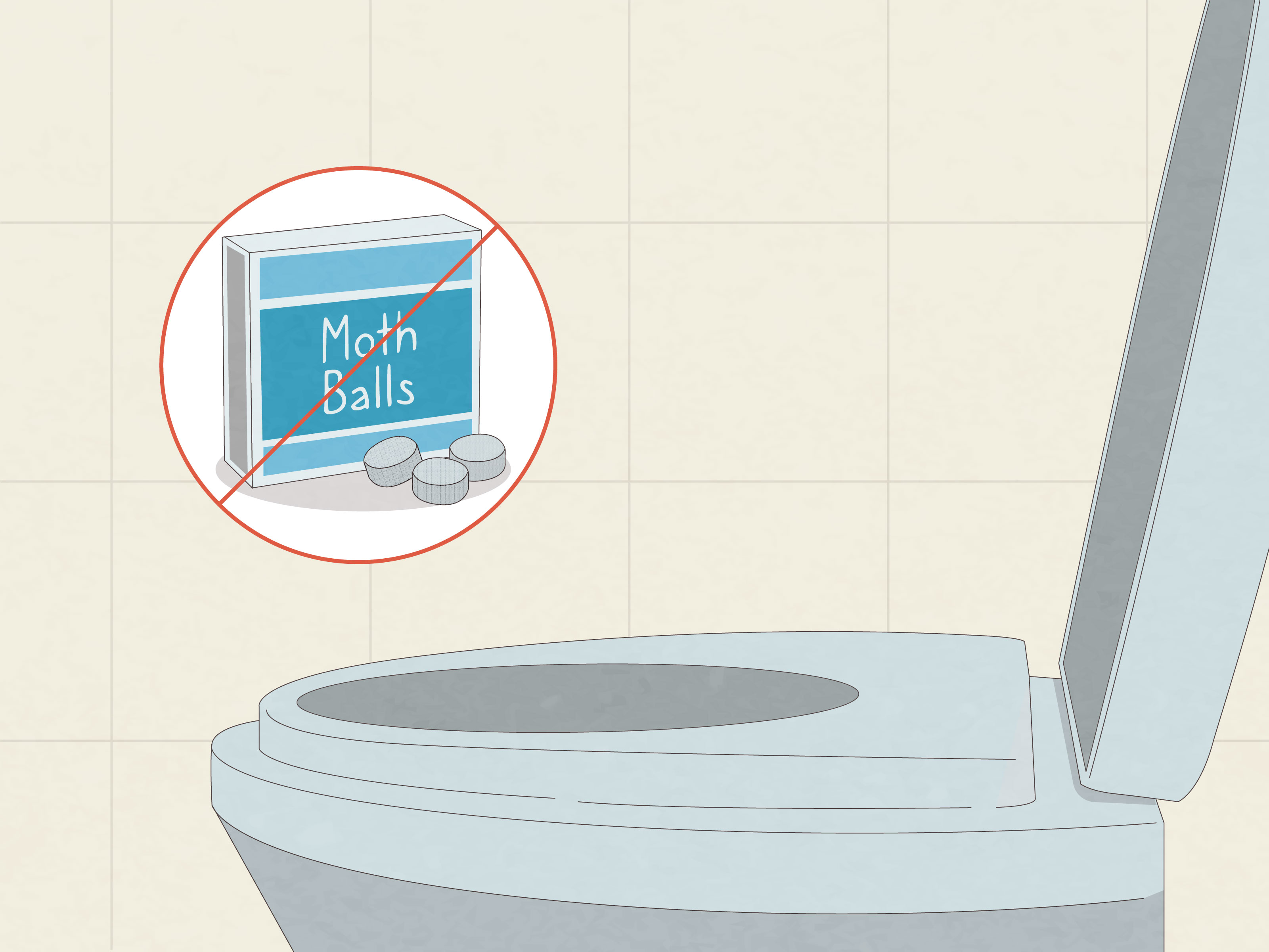
Avoid spraying harsh insecticides directly into a composting toilet unless the manufacturer specifically allows it. Strong chemicals can disrupt the microbial activity your toilet depends on. In many cases, moisture correction, cover material, traps, screens, and cleaning work better than turning the compost chamber into a chemical mystery soup.
13. Build a Prevention Routine
The best way to get rid of flies in a compost toilet is to prevent the conditions that invited them. Keep a simple routine: add enough cover after every use, check the urine diverter, confirm the fan is running, inspect screens monthly, clean the toilet area weekly, and empty or rotate containers before they are packed full.
During hot, humid weather, increase your attention. Flies reproduce faster in warm conditions, so a small issue can become a buzzing convention in days. In summer, you may need extra cover material, more frequent cleaning, and closer monitoring of moisture. In winter, decomposition may slow, so avoid overloading the system and follow cold-weather guidance for your specific toilet.
Quick Troubleshooting Guide
If You See Tiny Fruit Flies
Look for fermenting residue, wet cover material, urine splashes, damp drains, trash, recycling, and food scraps. Set vinegar traps, clean nearby surfaces, and improve cover and ventilation.
If You See Fungus Gnats
Focus on moisture. Add dry carbon material, improve airflow, check drainage, and let overly wet media dry toward the wrung-out-sponge range. Inspect houseplants or damp wood near the bathroom too.
If You See Large House Flies or Blow Flies
Look for exposed waste, loose lids, damaged screens, and strong odors. Seal gaps, cover waste immediately, and clean the surrounding area. Larger flies deserve faster action because they can move between waste and household surfaces.
If You See Soldier Fly Larvae
Do not panic. Soldier fly larvae are decomposers, but their presence means the chamber is attractive to insects. Check access points, reduce excess moisture, cover fresh material well, and empty or rest the chamber if it is overloaded.
Common Mistakes That Make Compost Toilet Flies Worse
One common mistake is using too little cover material because the bin is filling quickly. That saves space today but creates odor and fly problems tomorrow. Another mistake is overwatering coconut coir or peat moss before adding it to the toilet. The material should support aeration, not become a wet blanket. A third mistake is ignoring the vent fan. A silent fan is not a charming minimalist feature; it is a maintenance clue.
Some owners also forget that flies can breed outside the toilet. A dirty urine bottle cap, a damp rag, a nearby graywater drain, or an uncovered kitchen compost pail can keep the population alive even after the toilet chamber is fixed. Control works best when you treat the whole bathroom ecosystem.
When to Call for Help
Call the toilet manufacturer, installer, local health department, or a qualified pest professional if flies persist after two weeks of diligent control, if the toilet has strong sewage-like odor, if liquid is pooling, if the chamber is leaking, or if you are unsure how to handle partially composted human waste safely. Composting toilets are practical systems, but they still involve sanitation. When in doubt, choose caution over improvisation.
Real-World Experience: What Actually Helps Most
People who use composting toilets regularly often discover that fly control is less about one dramatic fix and more about small habits repeated consistently. The most successful owners usually keep their setup simple: dry cover material within arm’s reach, a closing lid, a working fan, a clean urine diverter, and a quick weekly inspection. That routine may sound plain, but plain is exactly what you want in a bathroom system. Nobody wants a toilet with plot twists.
One practical lesson is to keep two types of cover material available. A fluffy base material such as coconut coir or peat moss can help maintain structure inside some self-contained toilets, while a finer top-cover material such as sawdust or shredded leaf mold can seal fresh deposits more thoroughly. If the surface looks uneven or exposed, a scoop of fine cover can make a big difference. The best cover material disappears into the daily habit: use the toilet, cover completely, close the lid, move on with your life.
Another useful experience is to treat the urine system as its own mini-maintenance project. Many fly complaints start when the solids chamber gets blamed, but the real issue is a urine bottle that has not been rinsed, a diverter with scale buildup, or a drain line with a low spot. A quick rinse, a visual check, and proper emptying can prevent odors that attract insects. If the bathroom smells faintly sharp or stale even when the solids are covered, inspect the urine path first.
Ventilation also deserves more respect than it gets. A tiny fan may not look important, but it can be the difference between a dry, aerobic chamber and a damp fly spa. Owners in humid climates often notice that fly pressure rises after storms, during heat waves, or when the fan is off for a weekend. Keeping spare fan parts, cleaning the vent screen, and checking airflow monthly can prevent surprise infestations.
Traps are helpful, but they should be treated like a scoreboard, not the whole game. If vinegar traps catch fewer flies each day, your sanitation and moisture fixes are working. If they keep filling up, the breeding site is still active. Check under the toilet, behind the urine container, inside the cover-material bin, around drains, and near trash. Flies are tiny, but they are excellent at finding neglected corners.
Finally, patience matters. Fruit flies and fungus gnats can have overlapping life stages, so adults may continue appearing for several days after you fix the source. Keep the routine steady for at least two weeks: cover well, dry the chamber slightly, trap adults, clean surfaces, and block entry points. Compost toilet fly control is not glamorous, but it is satisfying. Few household victories feel better than walking into the bathroom and hearing absolutely nothing buzzing.
Conclusion
Getting rid of flies in a compost toilet starts with understanding what flies want: moisture, odor, food, and access. Remove those four invitations, and the party ends. Add enough carbon-rich cover material, keep the chamber moist but not soggy, maintain urine separation, improve ventilation, repair screens and seals, clean nearby breeding sites, and use traps to reduce adults while the system rebalances.
A compost toilet is not a set-it-and-forget-it appliance. It is more like a tiny compost ecosystem with a seat attached. Give it air, carbon, reasonable moisture, and regular attention, and it will usually behave beautifully. Ignore it for too long, and it may invite flies to remind you who is really in charge. Fortunately, with the 13 easy tips above, you can take back control without panic, harsh chemicals, or a flamethrower. Please do not use a flamethrower.