

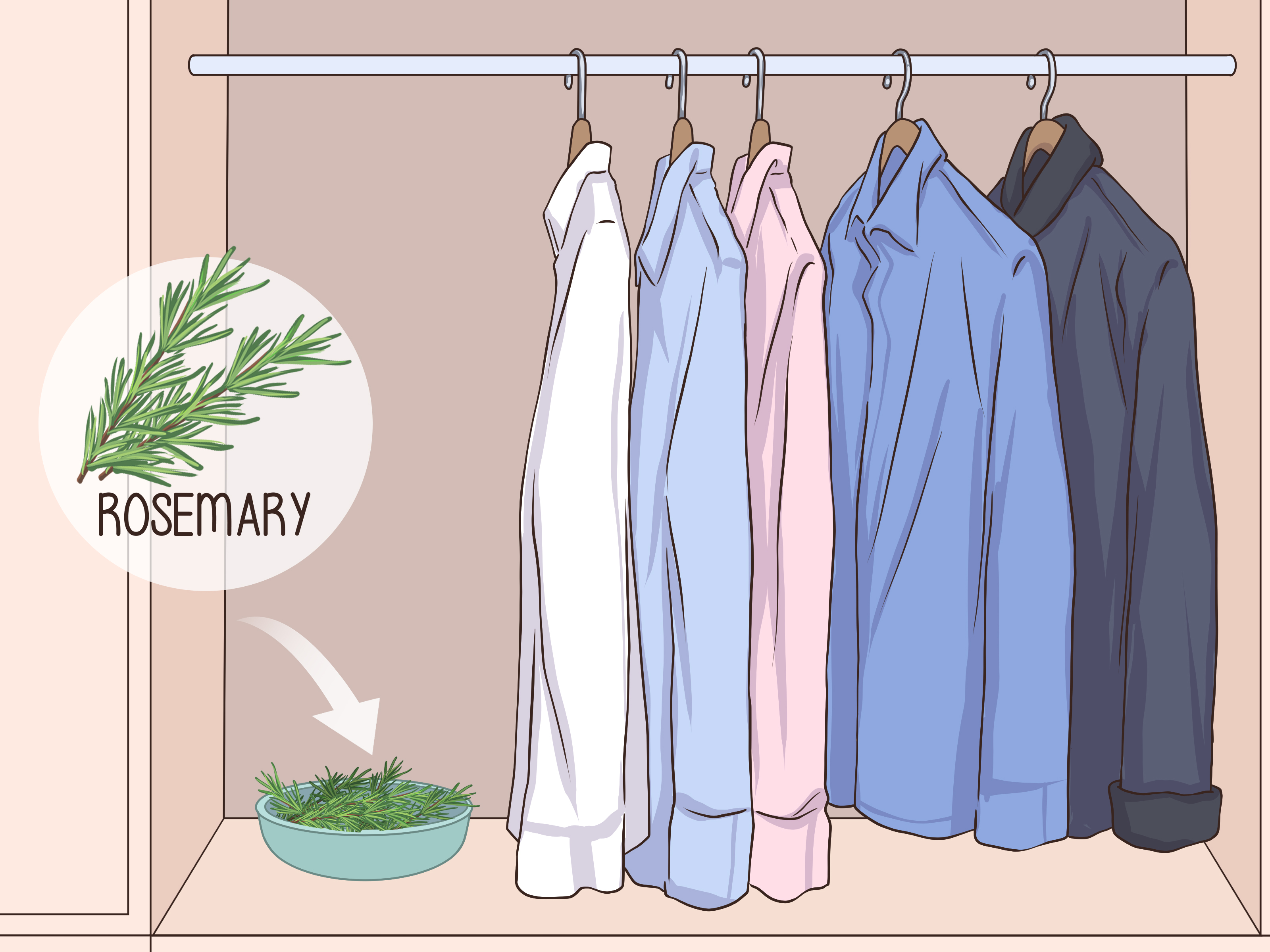
If mothballs had a dating profile, their bio would read: “Persistent. Intense. Never leaves you on read.” Unfortunately, that same dedication is why your “vintage” coat now smells like a chemical haunted house. The good news: you can kick mothball odor to the curbwithout setting your closet on fire or marinating your life in perfume.
Below are 12+ practical, proven ways to remove mothball smell from clothes, closets, furniture, and storage binsplus what’s actually happening chemically, how to do it safely, and how to keep the stink from coming back like a bad sequel.
Why Mothball Smell Clings Like It Pays Rent
Mothballs work by slowly turning into a gas (the smell you notice is literally the fumigant doing its job). That vapor settles into porous materialswool, cotton, leather, paper, unfinished wood, foam cushionsbasically anything that likes to “hold onto memories.” Including this one.
Translation: the odor isn’t just floating aroundit’s absorbed, trapped, and sometimes bonded to oils and residues on fabric and surfaces. So the winning strategy is usually a combo of: airflow + absorption + washing/cleaning + time.
Safety First (Because “Eau de Pesticide” Isn’t a Wellness Trend)
- Ventilate before you start. Open windows, run fans, and avoid small closed rooms.
- Wear gloves if you’re handling items with visible mothball residue or strong fumes.
- Keep kids and pets away from mothballs and contaminated items until they’re deodorized.
- Never mix cleaning chemicals (especially bleach with ammonia or acids). Stick to one method at a time.
- Dispose of old mothballs properly according to local household hazardous waste guidance.
How to Get Rid of Mothball Smell: 12+ Ways That Actually Help
1) The “Fresh Air & Time” Reset (Yes, It’s BasicBecause It Works)
Start here. Mothball odor fades fastest when vapors can escape instead of recirculating. Hang clothing outdoors in shade (or indirect sun) for 24–48 hours. For furniture, open drawers/doors and let it breathe.
- Pro tip: Aim a box fan so it blows air out a window, pulling odor with it.
- Good for: clothes, blankets, handbags, drawers, storage bins.
- Be careful: direct sun can fade delicate fabrics and wood finishesuse bright shade for “fancy” items.
2) Wash with Regular Detergent + an Odor Booster (Baking Soda Edition)
For washable fabrics, laundering removes residues and lifts odor from fibers. Add 1/2 to 1 cup baking soda to the wash (either in the drum or the detergent compartment, depending on your machine).
- Use the warmest water safe for the fabric.
- Run an extra rinse cycle if the smell is strong.
- Air-dry first; heat-drying can “lock in” smells if the odor isn’t mostly gone yet.
3) The Vinegar Rinse (Your Laundry’s Sourbut HelpfulFriend)
White vinegar is a classic deodorizer. Add 1 cup white vinegar to the rinse cycle (or fabric softener compartment). The vinegar smell itself disappears as it dries, unlike mothball odorwhich behaves like it’s auditioning for a long-running sitcom.
- Best for: towels, cottons, sturdy synthetics, many everyday garments.
- Patch-test if you’re dealing with delicate dyes or specialty fabrics.
4) Vinegar Soak for Stubborn Clothing (The “Spa Day” They Didn’t Ask For)
If washing alone isn’t cutting it, soak the item in a mix of 1 part vinegar to 3–4 parts water for 30–60 minutes, then wash normally. For truly stubborn cases, repeat once.
This works well for thrifted coats, costume pieces, or linens that spent years sealed in a mothball atmosphere.
5) Dry Absorption with Baking Soda (No-Wash Items’ Best Friend)
For items you can’t toss in the washerlike certain shoes, bags, or structured garmentsbaking soda can absorb odor in a sealed space.
- Place the item in a large bin or trash bag.
- Add an open bowl/box of baking soda (don’t dump powder directly on delicate surfaces).
- Seal and wait 24–72 hours.
- Repeat if needed.
6) Activated Charcoal (Odor Magnet, Not BBQ Dinner)
Activated charcoal is excellent for persistent smells because it adsorbs odor molecules effectively. Use charcoal bags (or an open container of activated charcoal) in a sealed tote with the smelly item for 2–7 days.
- Best for: closets, drawers, upholstery, shoes, stored textiles.
- Bonus: charcoal doesn’t add fragrance; it just removes the funk.
7) Coffee Grounds (For When You Want “Vintage Jacket” to Smell Like a Café)
Coffee grounds absorb odors and replace them with a stronger coffee aromauseful if you prefer mocha vibes over mothball vibes. Put dry grounds in a breathable pouch or open cup, then seal in a bin with the item for 24–72 hours.
Warning: keep grounds away from direct contact with fabrics to avoid staining.
8) Clean Kitty Litter (The Unsung Odor Sponge)
Unscented, clean clay kitty litter absorbs odors well in enclosed spaces. Place a bowl of litter in a sealed bin with the item, or sprinkle a layer in the bottom of a tote (covered with paper) to keep items from touching it.
- Best for: closets, drawers, small upholstered items, shoes.
- Use unscented unless you want “mothballs + floral litter” as a signature scent.
9) Newspaper “Stuff & Seal” (Old-School, Surprisingly Effective)
Crumpled newspaper can absorb and trap odors. Stuff drawers, shoes, bags, or even the sleeves of a coat with newspaper, then place everything in a sealed container for 3–7 days. Replace paper if it starts to smell.
It’s not glamorous, but neither is walking around smelling like your grandmother’s attic (said with love).
10) Heat (Controlled!) to Encourage Off-Gassing
Heat can help vapors release fasterif you do it safely. For machine-safe items, a short tumble on low heat after washing can help, especially with a dryer sheet. For furniture, gentle warmth plus airflow (near a sunny window, or with a fan) can speed things up.
- Avoid high heat on delicate fabrics, leather, or anything glued/finished.
- Never heat actual mothballs or sealed containers of fumes.
11) Steam Clean or Fabric Steaming (The “Deep Exhale” for Fibers)
Steam can loosen trapped odors in upholstery, curtains, and some garments. Use a handheld steamer or upholstery steam cleaner, then allow thorough drying with airflow.
This is especially helpful when odor is embedded in cushions or drapes that can’t be washed easily.
12) Wipe Down Hard Surfaces (Wood, Plastic, Metal) with a Gentle Solution
Closets, dresser drawers, plastic bins, and hard furniture surfaces often hold odor in dust and residues. Wipe with warm soapy water first. If needed, follow with a light vinegar-water wipe (about 1:4 vinegar to water), then let everything dry completely with doors and drawers open.
If you skip cleaning and only deodorize the items, you’re basically putting fresh laundry back into a scented crime scene.
13) Upgrade the Air: HEPA + Activated Carbon Air Purifier
If the smell is in a whole room, a purifier with a substantial activated carbon filter can reduce lingering vapors faster, especially when combined with ventilation and surface cleaning.
- Best for: bedrooms, closets, basements, storage rooms.
- Replace/clean HVAC filters tooyour furnace shouldn’t be re-gifting mothball air.
14) Use a True Odor Neutralizer (Not a “Cover-Up” Spray)
Some sprays are designed to neutralize odors rather than perfume over them. Look for products marketed as odor neutralizers (often using cyclodextrins or similar tech). Test first on an inconspicuous spot.
Think of this as the finishing move after you’ve done the real work: cleaning + airing + absorbing.
15) When to Call a Pro (A.k.a. You Deserve Peace)
If the odor is embedded in valuable upholstery, vintage textiles, or an entire home with long-term mothball misuse, professional dry cleaning, upholstery cleaning, or odor remediation may be worth itespecially if you’ve tried multiple cycles and the smell still wins every argument.
Item-by-Item Cheat Sheet
Clothes & Blankets
- Air out first → wash with baking soda → vinegar rinse → air dry → repeat if needed.
- For dry-clean-only items: air out + charcoal bin, then consult a reputable dry cleaner.
Closets & Drawers
- Remove everything. Vacuum dust. Wipe surfaces. Leave open with a fan.
- Add charcoal or baking soda bowls for a week.
- Replace old liners; odors love old paper like it’s a scrapbook.
Furniture & Upholstery
- Ventilation + charcoal nearby.
- Light steam cleaning if appropriate.
- For wood interiors: wipe down, then air out drawers removed if possible.
Books, Paper, and Vintage Items
- Air out in a dry, shaded spot.
- Seal in a bin with charcoal or baking soda (in a separate container) for several days.
- Avoid damp methods that can warp pages or invite mildew.
Preventing the Smell from Coming Back
- Skip mothballs if you canuse garment bags, airtight bins, and cleanliness to prevent moth damage.
- If you must use mothballs, follow the label: sealed container only.
- Use alternatives like cedar blocks or lavender sachets for scent (note: these repel, they don’t necessarily kill eggs/larvae).
- Store only clean clothesbody oils and food stains attract pests and hold odors.
Conclusion
Getting rid of mothball smell is less about finding a magical unicorn spray and more about using a smart sequence: air it out, clean what can be cleaned, and trap what can’t be washed with absorbers like charcoal, baking soda, coffee, or newspaper. Add ventilation and patience, and the “attic perfume” fadesoften dramatically.
And if your nose still says “no” after multiple rounds, it’s not a personal failure. Some odors are just stubborn. That’s when pros (or a strategic donation) become a perfectly reasonable life choice.
Experiences & Scenarios: What Tends to Work in Real Homes (Extra Notes)
Here’s what people commonly report when battling mothball smellplus what usually moves the needle fastest. Consider these mini “case files” you can borrow, adapt, and use to avoid wasting a weekend on methods that don’t match your situation.
The Thrifted Wool Coat That Could Clear a Room
Wool is basically a smell sponge with a fancy degree. In this scenario, the fastest progress usually comes from airing out first (a full two days if possible), then using a sealed-bin charcoal treatment for several days. If the coat is washable (many aren’t), a gentle wash plus a vinegar rinse can help, but often the win is achieved by repeating the “air + charcoal” combo twice. People also notice that hanging the coat near moving air (fan + window) works better than leaving it in a still room. Translation: motion matters.
The Cedar Chest That Smells Like Cedar… and Also Like Chemicals
Cedar chests are supposed to smell pleasantly woodsy, not like a pesticide factory. What tends to help most is removing everything, vacuuming dust, then wiping the interior with a mild cleaner and letting the chest sit open for several days. The key detail: drawers and lids open, not “cracked.” Many people then add a bowl of baking soda and a charcoal pouch inside, close it for a few days, and repeat. The chest can take longer because unfinished wood can hold odor deeplyso patience plus repeated absorption cycles are usually the path.
The “One Box of Sweaters” That Contaminated the Whole Closet
This is common: one stored item makes a whole closet smell guilty by association. The fix usually isn’t washing everything immediatelyit’s resetting the closet environment. People see the biggest improvement when they (1) pull everything out, (2) wipe shelves and walls, (3) leave doors open with a fan for a day, and (4) run a charcoal-heavy absorber setup for a week. After that, reintroducing clothes only after they’ve been aired out keeps the closet from “reinfecting” them.
Upholstered Furniture That Can’t Be Washed (and Won’t Stop Smelling)
Upholstery is tricky because the odor can live in the cushion foam. In many homes, the best results come from a layered approach: vacuum thoroughly, apply baking soda lightly (test first), let it sit for hours, vacuum again, and then use charcoal nearby for several days. Some people add a careful steam treatment, but the real make-or-break is drying completely afterward. Dampness can create a second problem (mustiness), and nobody wants a “two-for-one” smell combo.
The Paper Problem: Books, Photos, and Keepsakes
Paper items can’t be “laundered into submission,” so slow-and-steady wins. The most successful pattern people describe is sealing items in a plastic bin with odor absorberscharcoal is usually the MVPwhile ensuring the absorber never touches the paper. Newspaper can help too, but it can also transfer ink smells, so charcoal is often the cleaner choice. The biggest mistake is adding moisture (like spraying vinegar)that can warp paper or invite mildew, which is basically mothball odor’s annoying cousin.
The Final Reality Check (A Compassionate One)
Some mothball exposure is so heavyand so long-termthat the smell fades in phases. People often report: Day 1–2 feels dramatically better with airflow, Week 1 improves with absorption, and the last faint trace can linger until the item has had multiple “breathing cycles.” If you’re down to a whisper of odor, that’s not failurethat’s chemistry taking its sweet time. Keep the item out of sealed storage, refresh absorbers, and you’ll usually notice the final fade-out.