

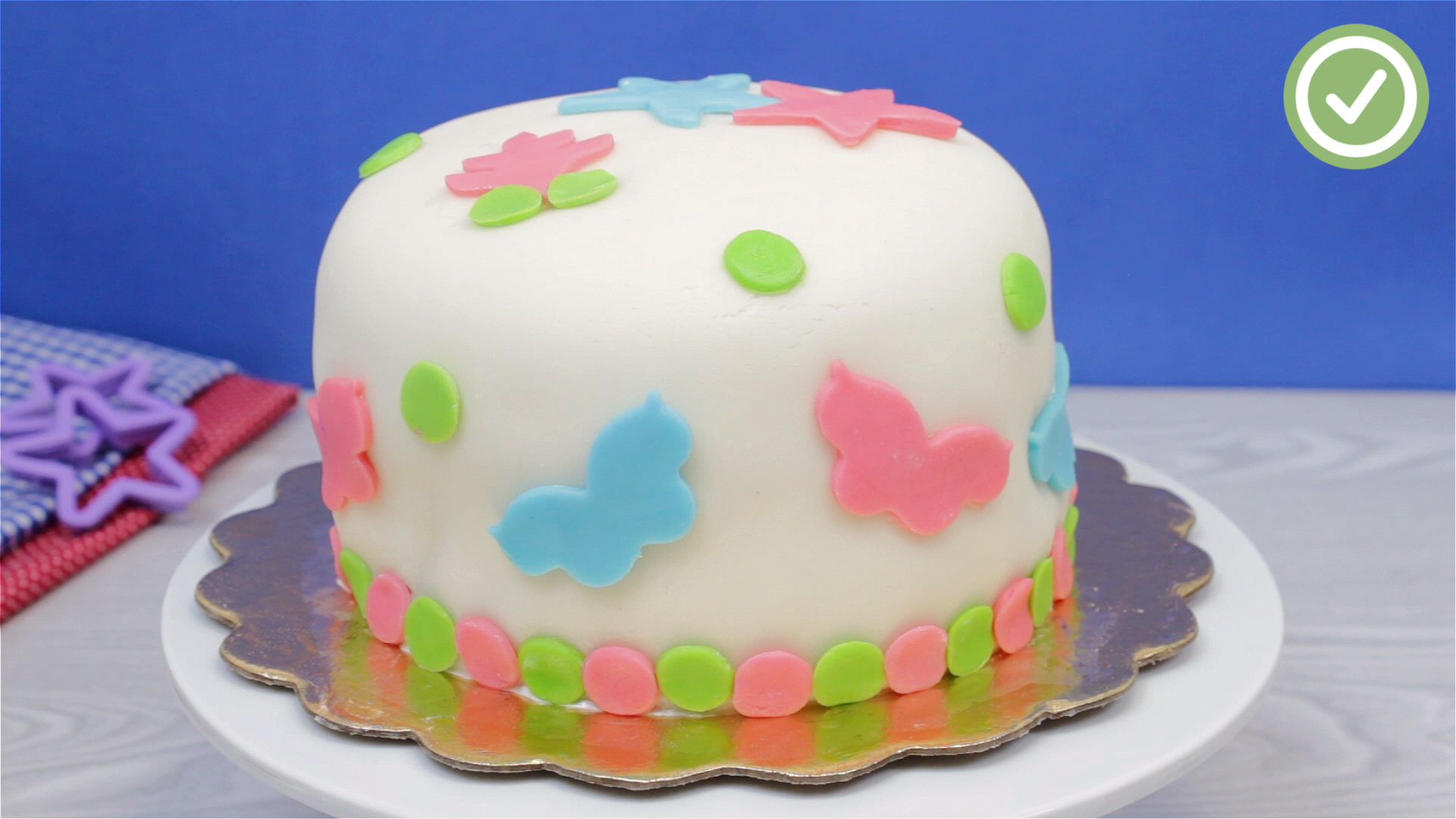
If you have ever stared at a plain frosted cake and thought, “Wow, this dessert has the personality of a beige filing cabinet,” welcome. Cake design is the part where baking stops being only delicious and starts becoming a little dramaticin the best way. The good news is that making beautiful cake designs does not require a reality-show kitchen, a suitcase full of fancy tools, or nerves of steel. It requires a plan, a few dependable techniques, and the willingness to accept that the first rosette may look less like a rose and more like a sleepy cabbage.
The secret to great cake design is not just artistic talent. It is structure, timing, frosting control, and knowing when to chill the cake instead of arguing with it. Whether you want a smooth birthday cake, a textured rustic cake, a trendy vintage-style design, or a cheerful sprinkle-covered masterpiece, the process is surprisingly approachable when you break it into steps.
In this guide, you will learn how to make cake designs in 14 practical steps, from planning your theme to adding the final details. Along the way, you will also pick up beginner-friendly decorating ideas, common mistakes to avoid, and real-world decorating experiences that make every future cake look better than the last.
Why Cake Design Matters More Than People Think
A well-designed cake does two jobs at once: it looks good and it makes people assume you have your life together. Even if your kitchen currently looks like a flour storm hit it, a thoughtfully designed cake can still come out polished, playful, and celebration-worthy. Good design also helps you make better decisions about colors, piping, toppings, and frosting styles instead of randomly throwing decorations at the cake and hoping for a miracle.
Better still, cake design does not have to mean over-the-top complexity. Some of the prettiest cakes rely on simple techniques: smooth frosting, clean borders, fresh berries, swirls made with the back of a spoon, or a few piped shells around the edge. A cake can look elegant, fun, modern, rustic, or whimsical without becoming a sugar-covered engineering project.
How to Make Cake Designs: 14 Steps
Step 1: Choose the style before you bake
Every strong cake design begins with a clear idea. Decide what the cake is for, who it is for, and what feeling you want it to give. A birthday cake for a child may call for bright colors and playful piping. A bridal shower cake may look better with soft colors, florals, or a smooth minimalist finish. A vintage-inspired cake might use shells, ruffles, and over-the-top borders.
Pick one main design direction before you touch the batter. That keeps the final cake cohesive instead of looking like five Pinterest boards collided in midair.
Step 2: Sketch a simple decorating plan
No, you do not need to be Michelangelo with a whisk. A quick sketch helps you map out where the color, texture, and details will go. Draw the top view and side view. Decide whether your cake will have a top border, bottom border, message, flowers, fruit, chocolate drip, sprinkles, or textured frosting. This tiny planning step saves a shocking amount of second-guessing later.
Step 3: Gather the right tools
Great cake designs become much easier when you stop fighting the wrong tools. At minimum, you want a cake turntable or rotating stand, an offset spatula, a bench scraper, piping bags, a few decorating tips, and a serrated knife for leveling. Parchment paper, food coloring, toothpicks, and a cake board also help.
You do not need to buy half the baking aisle. But a few core tools make the difference between “rustic charm” and “I frosted this in the back seat of a moving car.”
Step 4: Bake a cake that can actually handle decorating
Some cakes are delicate, airy, and delightful to eat, but not ideal for detailed design work. If you want smooth sides, layered filling, piping, or decorations on top, choose a cake with enough structure to hold up well. Vanilla butter cake, chocolate layer cake, funfetti cake, and other classic celebration cakes are reliable choices.
If your design includes a lot of frosting, stacking, or toppings, avoid using an ultra-fragile sponge unless you know exactly how to support it. A beautiful design starts with a cake that can carry the weight of your ambition.
Step 5: Cool the layers completely
This step is not glamorous, but it is non-negotiable. A warm cake will melt frosting, shift layers, and turn smooth designs into a slippery mess. Let the cake layers cool fully before decorating. For even better results, wrap them and chill them for a bit. Cold cake layers are firmer, cleaner to handle, and easier to frost neatly.
When beginners say, “My frosting wouldn’t behave,” the cake temperature is often the secret villain.
Step 6: Level and trim for stability
Domed cake layers look charming in the pan and chaotic in a stacked cake. Use a serrated knife to trim the tops so each layer is level. This gives you a stable base, straighter sides, and a better-looking final design. Save the scraps for snacking, cake pops, or quality controlwhich is a very respectable excuse to eat them over the sink.
Level layers also help your borders and decorations look intentional because nothing is sliding downhill.
Step 7: Choose the best frosting for your design
Your frosting is both glue and paint. Buttercream is the most common choice because it spreads well, pipes beautifully, and works with many cake styles. American buttercream is easy and beginner-friendly. Swiss meringue buttercream is silkier and less sweet. Cream cheese frosting tastes fantastic but can be softer, so it may need chilling if the design is detailed.
Match the frosting to the look you want. For smooth finishes and piping, you want a frosting that holds its shape but still spreads easily. If it is too stiff, it drags. If it is too loose, it slumps. Cake design is part art, part texture management.
Step 8: Stack the cake with clean filling layers
Place the first cake layer on a board or serving plate. Add filling evenly and keep it slightly inside the edge so it does not squeeze out everywhere. If you are using a soft filling like jam, curd, or whipped frosting, pipe a buttercream border around the edge first to create a little dam. Then repeat with the remaining layers.
Press gently to level the stack, but do not squash it like you are trying to win an argument with dessert.
Step 9: Apply a crumb coat and chill
This is one of the most important steps in cake design. A crumb coat is a thin layer of frosting that traps loose crumbs and gives you a smoother base for the final finish. Spread a light coat over the top and sides, then chill the cake until the frosting firms up.
This step helps nearly every cake style look cleaner, from naked cakes to fully frosted celebration cakes. It is the decorating equivalent of primer on a wall: not flashy, but wildly useful.
Step 10: Add the final coat and smooth the surface
Now comes the transformation. Add a thicker final layer of frosting and smooth it with an offset spatula and bench scraper while turning the cake. Work slowly, removing excess frosting as you go. For an especially smooth finish, you can warm the spatula slightly, wipe it dry, and glide it over the frosting.
If perfect smoothness is not your style, texture the cake instead. Use the back of a spoon, an offset spatula, or a small palette knife to create waves, swoops, ridges, or rustic movement. Texture is not cheating. Texture is strategy.
Step 11: Tint frosting and test your colors first
If your design includes colored frosting, divide it into small bowls and tint gradually. Gel food coloring usually gives richer color without thinning the frosting too much. Start small because it is easier to deepen a shade than rescue one that suddenly looks neon enough to guide aircraft.
Test color combinations on parchment paper before piping them onto the cake. Soft palettes feel elegant. Bright contrasts feel playful. Monochrome shades can look modern and expensive. The point is not to use every color available in your pantry; it is to make the colors work together.
Step 12: Practice the design on parchment before touching the cake
This may be the least exciting step and one of the smartest. Pipe a few shells, stars, rosettes, dots, or writing samples onto parchment paper first. You will warm up your hand, test the frosting consistency, and figure out how much pressure to use. If something looks awkward, scrape it back into the bowl and try again.
This little rehearsal can spare your finished cake from becoming the place where you discover your handwriting with icing resembles a haunted seismograph.
Step 13: Build the design in layers
Start with the biggest visual elements first. That could mean top borders, large swirls, rosettes, a drip effect, or broad textured sections. Then add medium details like shells, dots, pearl-like borders, sprinkles, chocolate curls, crushed cookies, or fruit. Save delicate finishing touches for last, including writing, tiny flowers, metallic accents, or a dusting of sugar.
Layering the design helps the cake feel balanced. It also prevents overcrowding. One of the easiest mistakes in cake decorating is not knowing when the cake is already done. If it looks good, stop decorating before “one more little thing” turns into twelve more things.
Step 14: Step back, refine, then chill before serving
Once the cake is decorated, step back and view it from several angles. Check whether the borders are even, the top looks balanced, and the message is centered. Clean the cake board or plate. If needed, add one final accent to an empty-looking spot, but do it with restraint.
Then chill the cake briefly so the design sets. This helps the frosting firm up, the layers settle, and the decorations hold their shape. When it is time to serve, let the cake sit out a bit if needed so the texture and flavor are at their best.
Easy Cake Design Ideas for Beginners
If you are just starting, choose designs that look impressive without demanding circus-level piping control. A smooth cake with rainbow sprinkles around the bottom edge is cheerful and forgiving. A rustic swoop-textured cake topped with berries looks elegant and takes very little precision. Ombre frosting creates a soft, stylish effect with just a few shades of one color. A vintage-inspired border cake looks dramatic even if you limit yourself to shells, stars, and dots.
Another smart option is the naked or semi-naked cake, where some of the cake shows through the frosting. It feels modern, relaxed, and less intimidating than chasing a perfectly opaque finish. Spoon-textured tops, chocolate drips, piped rosettes, candy borders, and cookie crumbles also give you a lot of visual payoff without requiring advanced skills.
Common Cake Design Mistakes to Avoid
The most common mistake is decorating too soon. Warm cakes sabotage frosting. The second is using frosting with the wrong consistency. Too thick, and it tears the cake; too thin, and your details slide away. Another classic mistake is skipping the crumb coat, which invites crumbs to pop up exactly where you do not want themusually right when you are feeling confident.
Overfilling the layers is another troublemaker. It may look generous at first, but it can create bulging sides and unstable stacking. Using too many design elements is also a problem. A cake does not need stripes, ruffles, flowers, drips, candy, pearls, gold leaf, and a motivational quote all at once. Pick a focal point and let the design breathe.
Finally, do not underestimate practice. Cake design gets better with repetition, not with panic. Your first cake might be cute. Your third cake will be cleaner. Your fifth cake may start making relatives suspicious that you secretly moonlight at a bakery.
Experience-Based Lessons From Decorating Cakes at Home
One of the most relatable experiences in cake decorating is realizing that the design in your head and the cake in front of you are not always immediate best friends. On paper, everything looks graceful. In real life, buttercream gets soft, colors look different under kitchen lighting, and one border suddenly leans left like it is trying to escape. That does not mean you failed. It means you are decorating an actual cake and not a computer-generated fantasy.
Many home bakers discover that confidence grows fastest when they stop chasing perfection and start paying attention to rhythm. Turn the cake. Smooth the frosting. Chill the cake. Pipe a few shapes. Step back. Adjust. The process becomes almost calming once you stop expecting the first try to be flawless. In fact, some of the most beautiful cakes happen because the decorator adapts in the moment. A tiny smear becomes textured frosting. A crooked top border becomes the start of a vintage, layered look. A missing centerpiece becomes the perfect place for berries or chocolate curls.
Another common experience is learning that your hands improve before your brain notices. The first time you pipe shells, they may look uneven. The second time, they start to resemble actual decoration. By the fourth or fifth pass, your grip relaxes, your spacing improves, and suddenly you are making something that looks deliberate. Practice rarely feels glamorous, but it is where the magic hides.
There is also the emotional side of cake design, which people do not talk about enough. Decorating a cake can feel weirdly personal. You are making something that is meant to be seen, shared, photographed, sliced, and judged by people who may not understand how long you spent deciding between dusty pink and soft peach. Yet when the cake lands on the table and people light up, the effort feels worth it. A homemade cake has a kind of charm that polished bakery cakes sometimes miss. It feels specific. Human. Memorable.
Home bakers also learn practical truths the hard way. Dark cakes show crumbs more easily. Red frosting can stain everything it touches, including your soul. Messages on cakes need to be shorter than you think. Metallic sprinkles roll exactly where they please. And the clean-up after decorating somehow uses every spatula in the kitchen, even the ones you swear were not involved. But none of that cancels the satisfaction of finishing a design that genuinely looks like what you imagined.
Perhaps the biggest lesson is that cake design is not about making a flawless object. It is about creating a dessert that feels festive, thoughtful, and fun. People remember the color palette, the piped border, the playful top, the fresh fruit, the swirls, the tiny imperfections, and the fact that someone cared enough to make it. That is the real experience behind cake decorating. Skill matters, yes. Technique matters, absolutely. But joy matters too. And joy, thankfully, is one ingredient you do not need to measure.
Conclusion
Learning how to make cake designs becomes much less intimidating when you treat it like a process instead of a mystery. Start with a clear style, build a stable cake, use the right frosting, and let chilling time do some of the heavy lifting. Then practice a few simple techniques, add decorations in layers, and stop before the design becomes overcrowded. That is how home bakers create cakes that look polished, taste great, and still feel personal.
The best part is that every cake teaches you something. One improves your smoothing. Another improves your piping. Another teaches you color balance, topping restraint, or the deep emotional importance of not writing long sentences in buttercream. Keep going, keep practicing, and before long, your cakes will stop looking homemade in the uncertain way and start looking homemade in the wonderful way.