

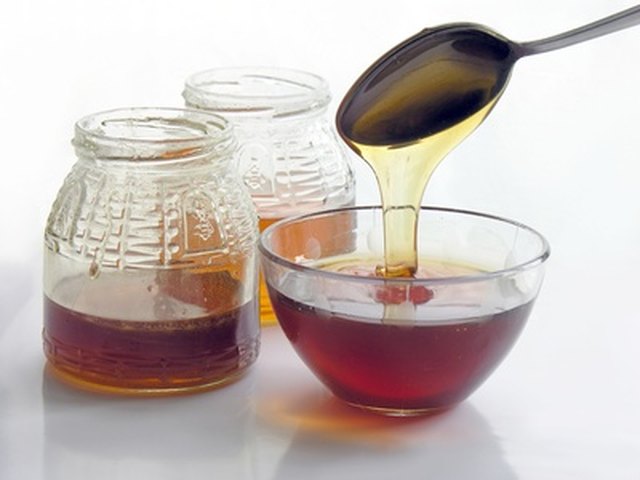
So, you are halfway through a recipe, your measuring spoon is sticky, your oven is preheating with the confidence of a Broadway understudy, and then you realize the honey jar is empty. Not “almost empty.” Not “scrape the sides and pray” empty. Truly empty. Sitting in the pantry, however, is a bottle of corn syrup looking innocent and useful. Good news: in many recipes, you can substitute corn syrup for honey. Better news: it is usually simple. Tiny kitchen-warning-bell news: it does not work perfectly in every recipe.
The basic substitution is easy: use light corn syrup in a 1:1 ratio for honey in many baked goods, sauces, glazes, and no-fuss desserts. If a recipe calls for 1/2 cup honey, use 1/2 cup light corn syrup. If it calls for 2 tablespoons honey, use 2 tablespoons corn syrup. That part is delightfully boring, which is exactly what we want when a cake is already judging us from the mixing bowl.
But corn syrup and honey are not identical twins. They are more like cousins who both bring dessert to the family cookout but have very different personalities. Honey is sweeter, more aromatic, slightly acidic, and strongly flavored depending on the flowers visited by the bees. Corn syrup is milder, smoother, and more neutral. It adds sweetness and moisture without shouting, “Hello, I am lavender wildflower honey from a meadow with excellent lighting.”
This guide explains how to substitute corn syrup for honey in baking, candy, bread, sauces, marinades, granola, and everyday cooking. You will also learn when the swap works beautifully, when it needs a small adjustment, and when you should put down the corn syrup and back away slowly.
Quick Answer: Can You Substitute Corn Syrup for Honey?
Yes, you can substitute corn syrup for honey in many recipes using an equal amount. Light corn syrup is usually the best choice because it has a mild flavor and a color closer to many lighter honeys. Dark corn syrup can also work, but it has a deeper color and a stronger caramel-like flavor because it includes refiners syrup or molasses-style notes depending on the brand.
Basic substitution ratio
Use 1 cup light corn syrup for every 1 cup honey.
This ratio works best in recipes where honey is used mainly for sweetness, moisture, stickiness, or shine. Examples include muffins, quick breads, soft cookies, barbecue sauces, glazes, marinades, granola bars, snack mixes, and some pie fillings.
Best rule of thumb
If honey is a background sweetener, corn syrup can usually replace it. If honey is the main flavor, corn syrup will change the taste. That does not mean the recipe will fail, but it may taste less floral, less rich, and more neutral. Think of it as replacing a jazz singer with a very polite accountant. Useful, dependable, but not exactly the same performance.
Corn Syrup vs. Honey: What Is the Difference?
Before swapping one for the other, it helps to understand what each ingredient brings to the recipe. Both are liquid sweeteners, both help retain moisture, and both make foods taste sweet. However, their sugar makeup, flavor, acidity, and cooking behavior are different.
Honey has a stronger flavor
Honey can taste floral, grassy, fruity, earthy, smoky, or bold depending on the nectar source. Clover honey is mild. Buckwheat honey is dark and intense. Orange blossom honey has a citrusy perfume. Wildflower honey can vary from delicate to “a bee wrote a novel in this jar.”
Corn syrup, especially light corn syrup, is much more neutral. It sweetens without adding much flavor. This can be an advantage when you want the recipe’s vanilla, chocolate, citrus, spice, nuts, or fruit to stand out. It can be a disadvantage when honey is supposed to be the star.
Honey is usually sweeter
Honey often tastes sweeter than light corn syrup because of its natural fructose content. When you substitute corn syrup for honey, the finished recipe may taste slightly less sweet. In many baked goods, this difference is small and acceptable. In a honey-forward recipe, such as honey cake or honey butter, the difference is obvious.
Honey is naturally acidic
Honey has natural acidity, while corn syrup is more neutral. This matters most in baking recipes that use baking soda. Baking soda needs acid to react properly and help the batter rise. If honey is the main acidic ingredient and you replace it with corn syrup, the rise, browning, and texture may shift.
For most recipes, this is not a disaster. But if you are making a honey-sweetened quick bread, cake, or muffin with baking soda and no other acidic ingredient, consider adding a small splash of lemon juice, vinegar, buttermilk, or yogurt to restore some acidity. A practical starting point is 1/4 teaspoon lemon juice or vinegar for every 1/2 cup of honey replaced. Do not overdo it unless you want your muffins to taste like they have unresolved citrus drama.
Corn syrup helps control crystallization
One of corn syrup’s superpowers is preventing sugar crystals from forming. That is why it appears in candies, caramels, marshmallows, frostings, and glossy sauces. It interferes with crystallization and helps keep textures smooth rather than grainy.
Honey can also affect crystallization, but it behaves differently because it contains natural sugars, moisture, flavor compounds, and acidity. In some candies, honey can make the final product stickier or more prone to absorbing moisture. Corn syrup often creates a cleaner, more predictable texture in candy making.
When Corn Syrup Works Well as a Honey Substitute
In many everyday recipes, corn syrup is a perfectly practical substitute for honey. The trick is knowing what job honey was doing in the first place.
1. Baked goods
Corn syrup works well in muffins, quick breads, soft cookies, snack cakes, and brownies when honey is used for moisture and sweetness rather than a strong honey flavor. Use a 1:1 swap. The finished baked good may be slightly less fragrant and a little less deeply browned, but the texture should remain pleasant.
For example, if a banana bread recipe calls for 1/4 cup honey, use 1/4 cup light corn syrup. Because bananas already bring moisture, sweetness, and flavor, the difference may be barely noticeable. In oatmeal cookies, corn syrup can help create a chewy texture, though the warm honey note will be missing.
2. Sauces and glazes
Corn syrup is excellent in glazes because it creates shine and a smooth texture. It works in ham glaze, chicken glaze, fruit glaze, barbecue sauce, teriyaki-style sauce, and sticky wing sauce. Use equal amounts, then taste and adjust seasoning.
Because corn syrup is less flavorful than honey, you may want to add a little extra spice, citrus juice, mustard, soy sauce, vinegar, or brown sugar depending on the recipe. If you are replacing honey in a honey-mustard glaze, for instance, corn syrup will provide sweetness and body, but it will not provide honey’s floral taste. A pinch of brown sugar or a tiny splash of apple cider vinegar can make the flavor feel more rounded.
3. Granola and snack bars
Corn syrup can help bind granola bars, cereal treats, popcorn balls, and snack clusters. Use a 1:1 replacement for honey. The final bars may taste milder, but they may also hold together nicely because corn syrup is sticky and smooth.
If the recipe depends on honey for flavor, add vanilla extract, cinnamon, peanut butter, almond butter, toasted nuts, dried fruit, or a pinch of salt. Salt is especially helpful because it makes sweetness taste more complete. It is the tiny stage manager of dessert.
4. Frozen desserts
Corn syrup can improve texture in sorbet, ice cream, and frozen sauces by helping reduce iciness and keeping mixtures smoother. If a frozen dessert recipe calls for honey mainly as a liquid sweetener, light corn syrup can replace it in equal amounts. The finished dessert may taste cleaner and less floral.
5. Pecan pie and similar fillings
Many pecan pie recipes already use corn syrup because it creates a glossy, cohesive filling. If your recipe calls for honey instead, corn syrup can usually step in measure for measure. Expect a milder flavor and slightly less complexity. You can compensate with vanilla, browned butter, toasted nuts, a pinch of salt, or a spoonful of brown sugar.
When Corn Syrup Is Not the Best Substitute for Honey
Although the swap is often easy, there are recipes where honey is not just a sweetener. It is the point of the recipe. In those cases, corn syrup can work structurally but not emotionally. Yes, ingredients have emotional responsibilities. Ask any chocolate chip cookie.
1. Honey cake
Honey cake depends on honey’s flavor, acidity, moisture, and aroma. Corn syrup will make the cake sweet, but it will not deliver the same warm, floral depth. If you must use corn syrup, add brown sugar, warm spices, orange zest, or a spoonful of molasses to create more character.
2. Honey butter
Honey butter made with corn syrup is simply sweet butter. It may be spreadable and pleasant, but it will not taste like honey butter. If you are out of honey, consider maple syrup instead, or use corn syrup with a touch of vanilla and cinnamon for a different but tasty spread.
3. Honey-forward marinades
In marinades where honey is part of the flavor identity, such as honey garlic chicken or honey lime shrimp, corn syrup can provide sweetness but not the same complexity. Add garlic, citrus, ginger, soy sauce, chili flakes, mustard, or vinegar to build flavor back into the dish.
4. Recipes relying on honey’s acidity
If the recipe includes baking soda and honey but no buttermilk, yogurt, lemon juice, vinegar, cocoa powder, brown sugar, or other acidic ingredient, replacing honey with corn syrup may reduce leavening. The result could be denser or paler. Add a small acidic ingredient to help balance the recipe.
How to Substitute Corn Syrup for Honey in Baking
Baking is where small changes can create big results. Fortunately, this substitution is usually manageable. Start with the equal swap, then adjust based on flavor and chemistry.
Step 1: Use light corn syrup for the closest match
Light corn syrup is the best general substitute for honey because it is clear, mild, and sweet without dominating the recipe. Dark corn syrup is better when you want a richer flavor, such as in spice cake, gingerbread, pecan pie, baked beans, or barbecue sauce.
Step 2: Replace honey measure for measure
Use the same amount of corn syrup as honey. For most home recipes, you do not need to change the flour or liquid immediately. Bake a test batch if the recipe is important, especially for cakes or cookies that depend heavily on honey.
Step 3: Add flavor if needed
Because corn syrup is neutral, the recipe may taste flatter. To add depth, try one or more of these small additions:
- 1/2 teaspoon vanilla extract
- 1/4 teaspoon cinnamon
- 1 teaspoon lemon or orange zest
- 1 tablespoon brown sugar
- A pinch of salt
- 1 teaspoon molasses for darker recipes
Step 4: Watch browning
Honey encourages browning and can darken baked goods quickly. Corn syrup may brown differently, so your cookies, breads, or cakes may look a little lighter. Use visual cues and doneness tests rather than relying only on color. A toothpick, internal temperature, or gentle touch test is more trustworthy than staring through the oven door like a detective in an apron.
Step 5: Adjust acidity if necessary
If the recipe uses baking soda and honey, add a touch of acid when switching to corn syrup. A little lemon juice, vinegar, buttermilk, or yogurt can help. Keep the adjustment small so you do not accidentally rewrite the recipe.
How to Substitute Corn Syrup for Honey in Candy
Candy is more precise than casual baking. It is less “throw it in and see what happens” and more “sugar thermometer with consequences.” Corn syrup is often better than honey for candies because it helps prevent crystallization and keeps textures smooth.
If a candy recipe calls for honey and you want to use corn syrup, the swap may work well structurally, especially in caramels, brittles, marshmallows, and nougat-style sweets. Use a 1:1 ratio to start. However, the flavor will be milder and less complex.
For honey caramels, corn syrup will make the candy taste less floral. Add vanilla, salt, butter, toasted nuts, or a small amount of brown sugar to rebuild flavor. For hard candy, corn syrup may actually improve smoothness and reduce graininess. For honeycomb candy, be careful: honey’s acidity and flavor contribute to the final taste, and substitutions can affect foaming and texture.
How to Substitute Corn Syrup for Honey in Bread
In yeast bread, honey usually feeds yeast, adds moisture, supports browning, and contributes flavor. Corn syrup can do some of this work, but it is less flavorful. Use an equal amount of light corn syrup for honey.
If the recipe calls for only a tablespoon or two of honey, the difference will be minimal. In sandwich bread, dinner rolls, or whole wheat bread, corn syrup can help soften the crumb. If the bread tastes less rich, add a teaspoon of brown sugar or use milk instead of some of the water if the recipe allows.
For whole wheat bread, honey’s flavor often complements the grain. Corn syrup will not provide that same warm note, so consider adding a small amount of molasses, maple syrup, or brown sugar if you want a more rounded taste.
Light Corn Syrup or Dark Corn Syrup: Which Is Better?
For most honey substitutions, choose light corn syrup. It has the mildest flavor and lightest color, making it the closest practical match when you want sweetness without changing the recipe dramatically.
Use dark corn syrup when the recipe can handle a deeper taste. It works especially well in:
- Pecan pie
- Gingerbread
- Barbecue sauce
- Baked beans
- Spice cake
- Molasses-style cookies
- Sticky meat glazes
Dark corn syrup is not ideal for delicate recipes such as lemon muffins, vanilla cake, fruit salad dressing, or light glazes, because it can darken the color and shift the flavor.
Flavor Fixes When Corn Syrup Tastes Too Plain
The most common complaint after substituting corn syrup for honey is not texture. It is flavor. Corn syrup is intentionally mild. That is useful, but it can leave a recipe tasting a little quiet.
For baked goods
Add vanilla, cinnamon, nutmeg, citrus zest, almond extract, or brown sugar. A tiny pinch of salt also helps. Salt does not make desserts salty when used carefully; it makes them taste more like themselves.
For savory recipes
Add mustard, soy sauce, garlic, ginger, vinegar, chili paste, smoked paprika, or citrus juice. These ingredients balance sweetness and keep the sauce from tasting flat.
For breakfast recipes
If you are using corn syrup instead of honey in oatmeal, yogurt drizzle, pancakes, or granola, add cinnamon, toasted nuts, berries, vanilla, or maple extract. Corn syrup alone can feel one-dimensional, but it plays nicely with other flavors.
Measuring Tips for Sticky Sweeteners
Honey and corn syrup both cling to measuring cups like they signed a lease. To measure corn syrup neatly, lightly coat the measuring cup or spoon with neutral oil or nonstick spray before pouring. The syrup will slide out more easily, and you will spend less time scraping with a spatula while questioning your life choices.
For accuracy, weigh the ingredient if your recipe provides grams. Weight is cleaner, faster, and more precise. If you measure by volume, use a liquid measuring cup for larger amounts and a level measuring spoon for smaller amounts.
Common Recipe Examples
Example 1: Honey mustard sauce
Original: 1/4 cup honey, 1/4 cup Dijon mustard, 1 tablespoon vinegar.
Substitution: Use 1/4 cup light corn syrup instead of honey. Add 1 teaspoon brown sugar or a pinch of garlic powder if the sauce tastes too plain.
Example 2: Banana bread
Original: 1/3 cup honey.
Substitution: Use 1/3 cup light corn syrup. Add 1/2 teaspoon vanilla and a pinch of cinnamon to replace some of honey’s warmth.
Example 3: Granola bars
Original: 1/2 cup honey as a binder.
Substitution: Use 1/2 cup corn syrup. Add peanut butter, almond butter, or vanilla for better flavor and binding.
Example 4: Barbecue glaze
Original: 2 tablespoons honey.
Substitution: Use 2 tablespoons dark corn syrup for deeper flavor or light corn syrup for a cleaner sweet glaze. Add a splash of apple cider vinegar for balance.
Nutrition Notes: Is Corn Syrup Healthier Than Honey?
Corn syrup and honey are both added sweeteners. Honey contains small amounts of trace compounds and has a more natural image, but it is still sugar-dense and should be used thoughtfully. Corn syrup is not the same as high-fructose corn syrup, although the names are often confused. Regular corn syrup is primarily glucose-based, while high-fructose corn syrup contains a higher proportion of fructose.
From a practical cooking standpoint, the question is not usually which one is “healthy,” but which one performs the job you need. If you want floral flavor, choose honey. If you want neutral sweetness, smooth texture, shine, or crystallization control, corn syrup may be the better tool.
My Kitchen Experience: What Happens When You Actually Substitute Corn Syrup for Honey?
After testing this swap in everyday kitchen situations, the biggest lesson is simple: corn syrup is a better texture substitute than flavor substitute. In recipes where honey is just there to sweeten and hold things together, corn syrup behaves like a calm professional. It blends easily, measures smoothly, and does not compete with other ingredients. In recipes where honey is supposed to sing lead vocals, corn syrup stands politely near the microphone and hums.
The first place the substitution works beautifully is in sticky sauces. A quick chicken glaze made with corn syrup, soy sauce, garlic, vinegar, and chili flakes turns glossy and clings nicely to the meat. Honey would add more aroma, but corn syrup gives the sauce a clean sweetness and a shiny finish. It also keeps the flavor of garlic, ginger, and spice more direct. For weeknight cooking, that is a win. Nobody at the table is likely to pause dramatically and ask, “Is this lacking floral nectar complexity?” If they do, assign them to dishes.
In banana bread and muffins, the substitution is also friendly. When the recipe already contains fruit, spices, vanilla, or chocolate, the missing honey flavor is not a major problem. A banana bread made with light corn syrup instead of honey tends to stay soft and moist, though it may be a little less aromatic. Adding cinnamon and vanilla helps bring back that cozy bakery smell. A pinch of salt is important, too, because corn syrup can taste flat without contrast.
Granola bars are where corn syrup shows off its practical side. It is sticky, smooth, and good at binding oats, nuts, seeds, and dried fruit. The bars may taste less rustic than honey-based bars, but they often hold together well. For better flavor, mix corn syrup with peanut butter or almond butter. Toast the oats and nuts before combining everything. Toasting adds the depth that honey would normally help provide. In other words, let the oven do some personality work.
Cookies are a mixed but interesting case. A small amount of corn syrup can help create chewiness, especially in oatmeal cookies or soft molasses-style cookies. However, if a cookie recipe uses honey for its signature flavor, the swap can make the result taste less special. The cookie will still be sweet. It may still disappear from the cooling rack at suspicious speed. But it will not have that warm honey note. Brown sugar, vanilla, and spice can help.
Candy is the place where corn syrup can actually outperform honey. In caramels, brittles, and cooked sugar mixtures, corn syrup helps keep sugar crystals under control. Honey can taste wonderful, but it may also add stickiness and more flavor variability. Corn syrup is predictable, and predictability is underrated when hot sugar is bubbling like a tiny edible volcano. If you are new to candy making, corn syrup is often the safer choice.
The swap is least successful in recipes with “honey” in the name. Honey cake, honey butter, honey roasted nuts, honey-lime dressing, and honey garlic sauce all rely on honey’s flavor. Corn syrup can replace the sweetness and body, but it cannot recreate the aroma. In those cases, treat the recipe as a variation rather than a perfect copy. Add citrus zest, vanilla, molasses, brown sugar, maple extract, mustard, or spices depending on the dish.
The most useful habit is tasting as you go whenever the recipe allows. Batters with raw eggs are not ideal for casual tasting, but sauces, dressings, marinades, and glazes can be adjusted before cooking. If the mixture tastes plain, add acid. If it tastes too sweet, add salt or spice. If it tastes thin, simmer it briefly. Corn syrup is flexible, but it appreciates a little backup.
Conclusion: The Sweet Swap That Usually Works
Substituting corn syrup for honey is usually easy: use the same amount of light corn syrup in place of honey. This works especially well in baked goods, sauces, glazes, granola bars, frozen desserts, and recipes where honey is not the main flavor. Corn syrup brings sweetness, moisture, smoothness, shine, and dependable texture.
The main thing you lose is honey’s flavor. Honey is floral, complex, and naturally acidic. Corn syrup is mild, neutral, and practical. If the recipe depends on honey’s taste, you will need to add flavor with vanilla, citrus, spices, brown sugar, molasses, mustard, vinegar, or salt. If the recipe uses baking soda and relies on honey for acidity, add a small splash of lemon juice, vinegar, buttermilk, or yogurt.
In short, corn syrup can absolutely rescue a recipe when the honey jar is empty. Just remember what it can and cannot do. It can sweeten. It can bind. It can shine. It can help prevent graininess. But it cannot impersonate bees, flowers, and sunshine in a jar. For many recipes, that is perfectly fine. For honey cake, maybe send someone to the store.